Award-Winning Essay Editing Tutors
serving Madison, WI
Essay Editing
Tutors in Madison
Private 1-on-1 tutoring, weekly live classes for academic support, test prep & enrichment, practice tests and diagnostics, and more to elevate grades and test scores.
Based on 3.4M Learner Ratings
UniversitiesSchools & Universities
DeliveredHours Delivered
ProficiencyGrowth in Proficiency
Who needs tutoring?
No obligation. Takes ~1 minute.
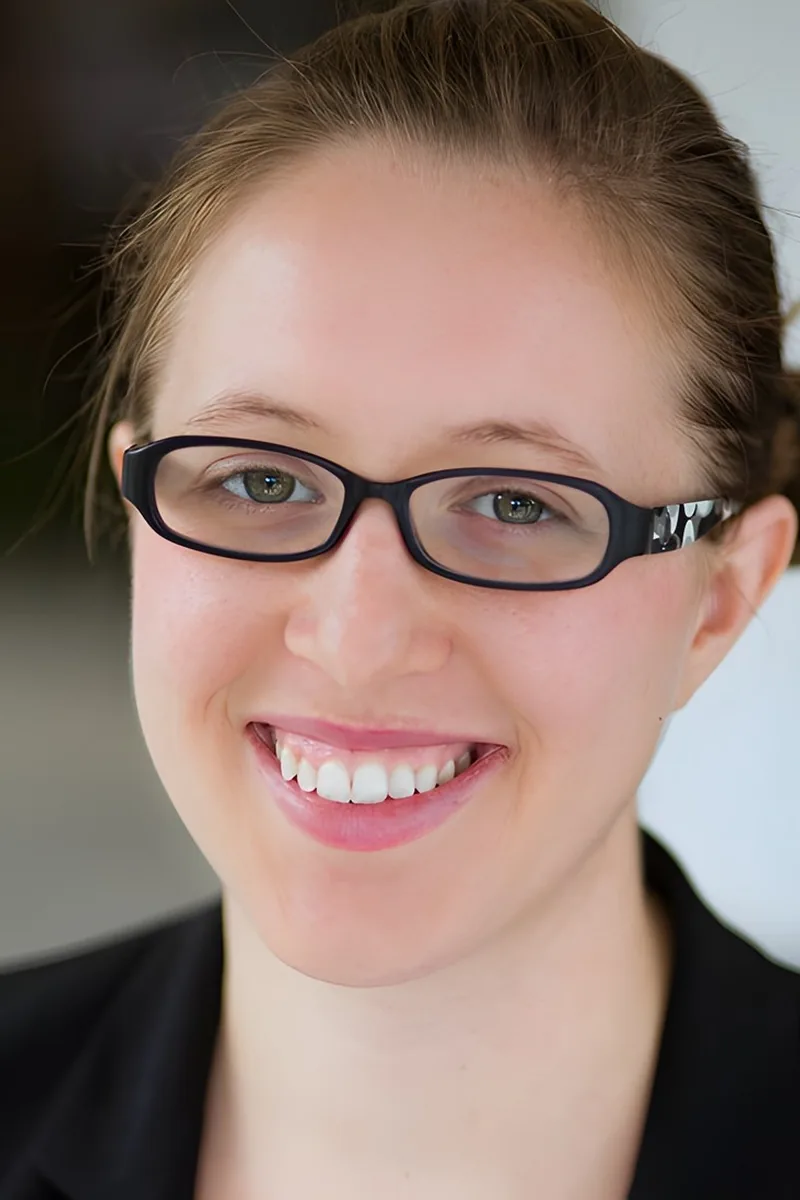
Good essay editing goes beyond circling grammar mistakes — it means restructuring an argument so the thesis actually drives every paragraph. Amber approaches revision in layers: first the architecture of the argument, then paragraph-level transitions and evidence integration, and finally sentence-level clarity and style. Her theater background makes her especially attuned to voice and rhythm in student writing.
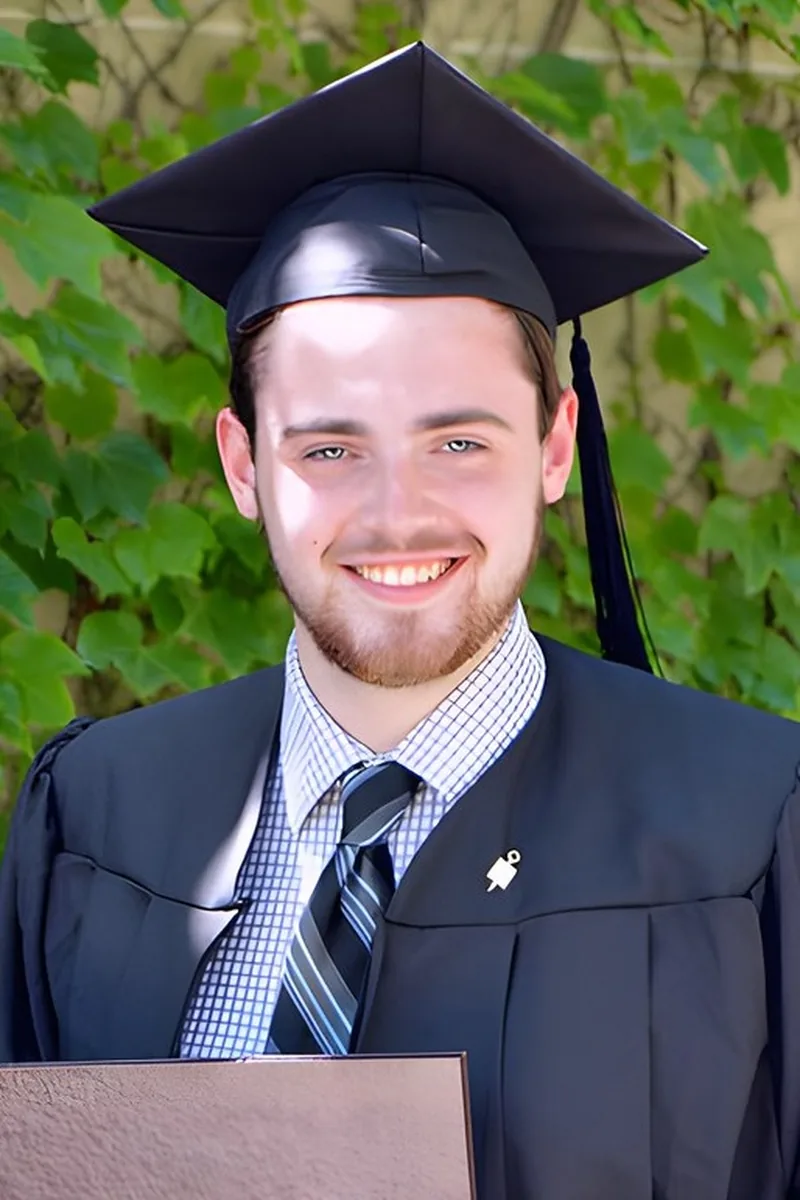
Effective editing goes beyond catching typos — it means rethinking paragraph transitions, tightening argument structure, and cutting the sentences a writer loves but the essay doesn't need. Patrick approaches each draft diagnostically, identifying whether the core issue is organizational, stylistic, or mechanical before diving into line-level revisions. His experience editing academic, professional, and personal writing gives him a flexible eye for different genres and audiences.
Good essay editing goes beyond fixing commas — it's about tightening arguments, cutting filler, and making sure every paragraph earns its place. Sophie approaches revision structurally, examining whether a thesis actually drives the paper and whether evidence is doing real analytical work or just sitting there as summary. Her 1570 SAT and experience across multiple writing-intensive subjects at Brown make her a sharp, detail-oriented editor.
Good editing isn't about fixing commas; it's about figuring out what a draft is actually trying to say and then cutting everything that doesn't serve that purpose. Karann's experience writing scientific papers and grant proposals sharpened her ability to restructure arguments, tighten prose, and flag where a reader's attention drifts.
Good essay editing goes beyond fixing commas — it means tightening an argument, cutting filler, and making sure every paragraph earns its place. Richard brings the precision of his math and science training to structural revision, teaching students to outline backwards from a finished draft so they can see where their logic breaks down.
Good editing goes beyond catching comma splices — it means tightening an argument, cutting redundancy, and making sure every paragraph earns its place. Maddy reads drafts with a structural eye first, checking that the thesis actually drives each section, before moving into sentence-level clarity and grammar. She's rated 5.0 by students who appreciate feedback that's direct without being discouraging.
Strong essays don't just need proofreading — they need structural attention to thesis clarity, paragraph transitions, and whether the evidence actually supports the argument. James edits with that bigger picture in mind, teaching students to spot weak logic and vague claims in their own drafts. His 5.0 rating speaks to how well that approach lands.
Good essay editing goes beyond fixing commas — it means tightening arguments, cutting filler, and making sure each paragraph does real work. Sarah's university-level writing instruction at UW-Madison trained her to diagnose structural problems quickly, and she teaches students to revise their own drafts with a critical eye so the skill transfers to every future paper.
Editing her own research papers and grant proposals has made Madeline sharp at identifying where an argument loses focus or where a paragraph needs restructuring. She reads student essays with that same critical eye, pinpointing vague thesis statements, weak transitions, and places where evidence doesn't quite support the claim — then showing exactly how to fix each one.
Good essay editing isn't just fixing commas — it's restructuring an argument so each paragraph earns its place. Michael's background in analytical writing across physics and the humanities gives him a sharp eye for logical flow, and he walks students through revision as a process of tightening claims and cutting what doesn't serve the thesis.
Most students know their essay "needs work" but can't pinpoint why a paragraph feels off or where an argument loses momentum. Jacob's approach to editing zeroes in on structural problems first — thesis clarity, paragraph-level logic, transitions — before tackling sentence-level polish. His graduate teaching assistant role means he's marked up hundreds of student papers and knows exactly which revision moves create the biggest improvement.
Good editing goes beyond fixing commas — it means rethinking structure, tightening arguments, and cutting what doesn't serve the piece. Shona approaches essay revision analytically, treating each paragraph like a unit that needs a clear purpose and logical connection to the next. Her background spans math, education policy writing, and creative interests, so she adapts her feedback to academic papers, personal statements, and everything in between.
Editing an essay well means more than catching comma splices — it means seeing where an argument loses its thread or where a paragraph buries its strongest point. Jonas's literary training gives him a sharp eye for structure at every level, from thesis clarity down to sentence rhythm. He walks through each revision with an explanation of why a change works, so the next draft improves before he ever sees it.
Good editing is more than catching comma splices — it's about tightening an argument, cutting filler, and making sure every paragraph earns its place. Dylan treats each draft as a conversation, pointing out where a thesis loses focus or where evidence needs stronger analysis. His 1450 SAT score reflects sharp reading and writing instincts he puts directly into markup and feedback.
Editing an essay well means more than fixing commas — it means tightening an argument, cutting filler, and making sure every paragraph earns its place. Adam brings that structural eye to essay editing, whether it's a college application draft or a research paper, and walks students through revisions so they learn to self-edit over time.
Editing is more than catching typos — it's about figuring out where an argument loses its reader. Julia reads drafts the way a historian reads sources: checking whether each claim is supported, whether transitions actually connect ideas, and whether the conclusion does real work. She marks up structure and logic first, then tightens sentences and cleans up mechanics.
Editing someone else's essay is one thing; teaching a writer to see their own blind spots is another. Miriam's daily work at UW-Madison's writing center has trained her to diagnose structural problems — buried thesis statements, paragraphs that drift from their topic sentences, evidence that doesn't connect back to the argument — and explain the fix in terms the writer can reuse on their own.
Editing an essay well means more than fixing commas — it means evaluating whether each paragraph actually advances the argument. Aaron applies the same logical rigor from his math background to essay structure, identifying where claims need stronger evidence or where transitions lose the reader. He's particularly effective at tightening thesis statements and cutting the filler that dilutes a paper's impact.
Good editing goes beyond fixing commas; it means tightening an argument so every paragraph earns its place. Eitan reads drafts with an eye for structural clarity — whether a thesis actually controls the essay, whether evidence lands where it should, and whether transitions do real work connecting ideas.
Editing someone else's writing is one thing; editing your own is a completely different skill. Olivia's daily work as a journalist means she revises under deadline constantly — cutting filler, sharpening thesis statements, restructuring paragraphs so the argument actually lands. She applies that same precision to student essays, showing exactly where and why each change strengthens the piece.
Good essay editing goes beyond fixing commas — it means tightening arguments, cutting filler, and making sure every paragraph earns its place. Connor reads drafts with an analytical eye sharpened by his applied math background, pinpointing where logic gaps or unclear transitions weaken a piece. He gives concrete, actionable feedback students can apply to future writing on their own.
I'm fluent in R, Python, SQL, and M (MUMPS). This September I will be pursuing a Master's degree in data science. I'm available to tutor GRE, ACT, and SAT math as well as other math, statistics, and economics subjects. Although I am most passionate about math, I'm also happy to help students with general testing strategies and preparation for the other parts of the standardized exams.
A rough draft isn't a failure — it's the actual starting point of good writing. Chloe approaches essay editing by teaching students to diagnose their own work: spotting where a thesis loses focus, where transitions drop the reader, or where evidence needs tighter analysis. Her English Literature training at UW-Madison gave her years of practice turning messy first drafts into polished, argument-driven essays.
Good editing goes beyond catching comma splices and misspellings — it means evaluating whether each paragraph actually advances the argument and whether transitions carry a reader smoothly from one idea to the next. Breanna reads drafts at both the structural and sentence level, giving concrete, actionable feedback that teaches writers to spot their own patterns of weakness over time.
Scientific writing demands clarity, logical flow, and precision — skills Samantha has honed through years of writing lab reports and research papers at UW-Madison. She applies that same rigor to editing student essays, zeroing in on thesis strength, paragraph transitions, and whether each sentence actually earns its place in the draft.
Good editing goes beyond fixing typos; it asks whether every paragraph earns its place and whether the argument actually lands. Wolly reads drafts with a communications-trained eye, identifying where a thesis drifts, where evidence needs tightening, and where a transition could sharpen the entire piece. He gives feedback that teaches students to revise independently on the next paper.
Zach treats essay editing as a structural problem: does the thesis actually drive every paragraph, and does each piece of evidence earn its place? His science background at UW-Madison trained him to build airtight arguments, and he applies that logic to tightening transitions, cutting filler, and sharpening claims. Rated 5.0 by students.
A polished essay isn't just one with fewer typos — it's one where every paragraph earns its place. Almira walks students through structural revision first (Does this paragraph actually support your thesis? Is this evidence doing real work?) before moving into sentence-level edits for clarity and flow.
Editing isn't just about catching comma splices — it's about restructuring an argument so each paragraph earns its place. Sarah approaches essay revision with the same logical precision her CS training demands: she identifies where a draft's reasoning breaks down, where evidence is thin, and where transitions lose the reader. That structural eye makes her especially effective for students who can write clearly but struggle to organize persuasively.
Good editing goes beyond fixing commas; it asks whether each paragraph earns its place and whether the argument actually lands. Joseph reads drafts with a mathematician's eye for logical flow, pinpointing where claims need stronger evidence or where a transition loses the reader.
Editing an essay isn't just about fixing commas — it's about tightening arguments, cutting filler, and making sure each paragraph earns its place. Halle approaches revision by first identifying what a draft is actually trying to say, then restructuring and refining until the writing matches the intention. Her experience tutoring across writing, English, and college essays gives her a sharp eye for both big-picture structure and sentence-level clarity.
A rough draft and a polished essay are separated by the kind of editing most students never learn: restructuring paragraphs for logical flow, tightening thesis statements, and cutting filler without losing voice. India breaks the revision process into concrete, repeatable steps so students can eventually edit their own work with confidence.
Good editing isn't just fixing commas — it's rethinking whether each paragraph actually earns its place in the argument. Mingxi approaches essay revision with the logical precision her math background trained into her, walking through thesis clarity, evidence integration, and paragraph transitions before touching sentence-level grammar. Rated 4.7 by students.
Testimonials
Because the right Essay Editing tutor makes all the difference.
Average Session Rating – Based on 3.4M Learner Ratings
Nearby Essay Editing Tutors
Other Madison Tutors
Related English Tutors in Madison
Frequently Asked Questions
Essay editing tutoring focuses on strengthening your writing through personalized feedback on structure, clarity, and argumentation. Tutors work with you on thesis development, paragraph organization, grammar and style, citation formatting (MLA, APA, Chicago), and voice—helping you understand not just what to fix, but why and how to improve as a writer.
In your first session, you'll discuss your writing goals and share a draft or writing sample. Your tutor will provide detailed feedback on both big-picture issues (like thesis clarity and organization) and line-level concerns (like word choice and grammar). Over subsequent sessions, you'll revise based on this feedback, develop stronger writing habits, and learn strategies you can apply to future assignments.
Madison students often struggle with organizing ideas into a coherent structure, developing a clear and compelling thesis, and moving beyond surface-level analysis in literary essays. Writer's block, managing citations correctly, and finding your authentic writing voice are also frequent challenges. Personalized tutoring helps you identify which areas need the most work and develop strategies to overcome them.
No—proofreading focuses on catching typos and grammar errors at the final stage, while essay editing is a deeper process that addresses organization, argumentation, clarity, and overall effectiveness. A tutor helps you revise and strengthen your essay throughout the writing process, not just polish it at the end.
Bring a draft or writing sample—even if it's rough or incomplete—along with any assignment guidelines or rubric your teacher provided. If you're working on a specific essay, sharing the prompt helps your tutor give you targeted feedback. You can also discuss any writing challenges you've faced in the past or goals you want to work toward.
Yes. Tutors help you move beyond plot summary to develop strong analytical arguments supported by textual evidence. They'll work with you on close reading skills, thesis development for analytical essays, and structuring arguments that explore themes, character development, or literary devices—all essential for strong literary analysis.
Absolutely. Tutors can guide you through MLA, APA, and Chicago citation formats, helping you properly cite sources in-text and in your bibliography. They'll also teach you why citation matters and help you integrate quotes and paraphrases smoothly into your writing so citations feel natural, not forced.
Varsity Tutors connects you with expert tutors in Madison who specialize in essay editing and writing instruction. You can share your writing goals and schedule, and we'll match you with a tutor who fits your needs. Whether you're working on a single essay or want to develop stronger writing skills over time, personalized 1-on-1 instruction helps you improve faster.
Let’s find your perfect tutor
Answer a few quick questions. We’ll recommend the right plan and match you with a top 5% tutor.