Award-Winning Elementary Math Tutors
serving Green Bay, WI
Elementary Math
Tutors in Green Bay
Private 1-on-1 tutoring, weekly live classes for academic support, test prep & enrichment, practice tests and diagnostics, and more to elevate grades and test scores.
Based on 3.4M Learner Ratings
UniversitiesSchools & Universities
DeliveredHours Delivered
ProficiencyGrowth in Proficiency
Who needs tutoring?
No obligation. Takes ~1 minute.
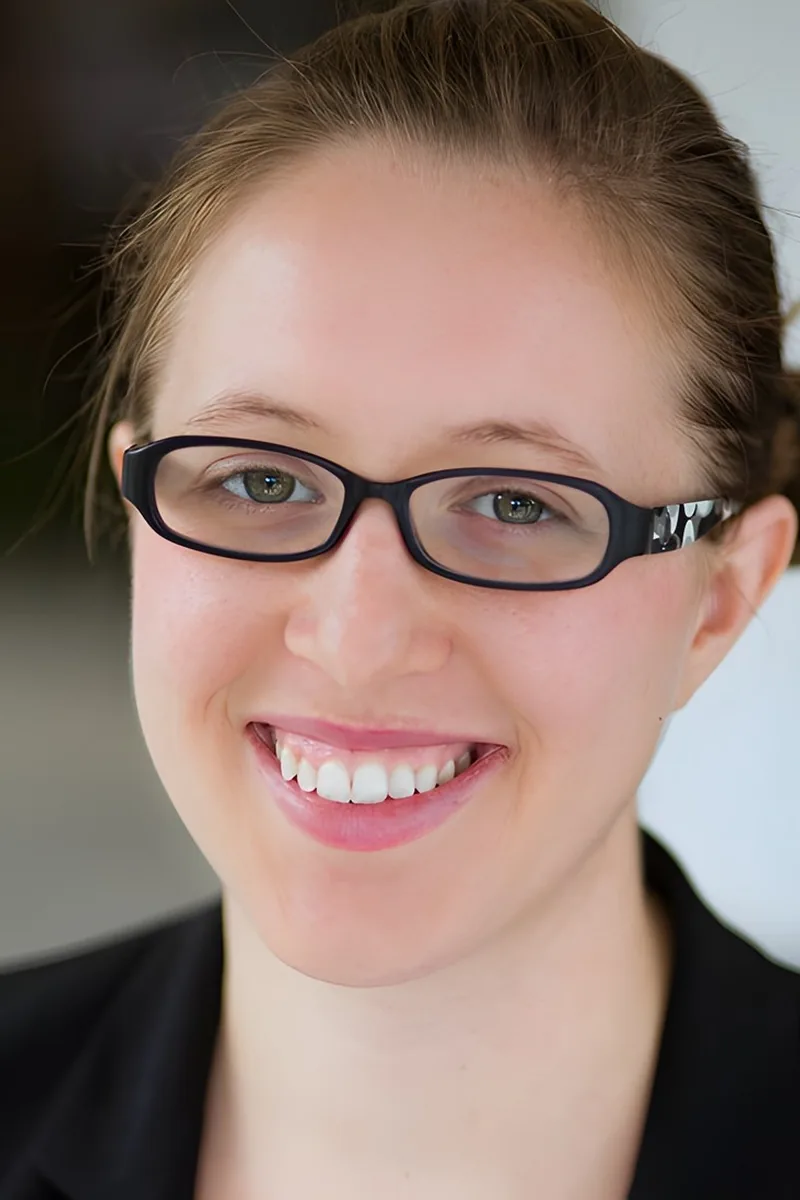
Early math confidence matters more than early math speed, and Amber structures her sessions around making sure a student genuinely understands place value, basic operations, or simple fractions before racing ahead. She uses hands-on strategies and real-world examples — counting money, measuring ingredients — to make abstract numbers tangible. Rated 5.0 by families she's worked with.

Fractions, place value, and multi-digit multiplication aren't just procedures to memorize — they're the building blocks of every math class that comes after. Elizabeth approaches elementary math by making sure students actually understand why borrowing works or what a fraction represents, not just how to get the right answer. Her seven years of teaching experience means she knows how to keep younger learners engaged without sacrificing rigor.
Early math confidence shapes everything that comes after, which is why getting place value, basic multiplication strategies, and fraction concepts right matters so much. Jeffry uses concrete examples — grouping objects, visual models, number lines — to make abstract ideas tangible for younger learners. He's deliberate about matching his explanations to a child's vocabulary and developmental level.
Getting multiplication facts and place value to click early makes every future math class easier — Ian understands that and keeps lessons concrete, using visual models and real-world examples before introducing abstract notation. His patient, structured approach is especially effective for younger learners who need repetition without boredom.
Long division, place value, fractions — these aren't just procedures to memorize; they're the building blocks every future math course depends on. Taylor uses visual models and real-world examples (recipes, distances, money) to make arithmetic feel logical rather than mysterious. Her patience and 5.0 rating make her a strong fit for younger learners still developing number sense.
Getting number sense right early — place value, basic fractions, the logic behind multiplication — shapes how a child thinks about math for years. Vy taught first graders at a Sunday School program and worked with deaf preschoolers at Vanderbilt Medical Center's Mama Lere Hearing School, so she's practiced at making abstract ideas tangible for young learners. She holds a 5.0 rating from her students.
Fractions, decimals, and long division don't have to be intimidating — they just need someone who explains the "why" behind each step. Jasmyn's science background means she uses math constantly and knows how to make arithmetic feel concrete, whether that's through visual models for multiplication or real-world examples that make place value intuitive.
Multiplication strategies, place value, and early fraction concepts all click faster when a student understands the 'why' behind each step. Jessi's psychology background gives her insight into how younger learners process new information, and she uses that to tailor explanations — whether a kid needs manipulatives, drawings, or word-problem storytelling to make a concept stick.
Fractions, place value, and basic multiplication can feel overwhelming to young learners when the "why" behind each step isn't clear. Anni breaks these concepts into visual, hands-on explanations that build real number sense — drawing on the same structured thinking she uses in her biomedical sciences training.
Getting multiplication tables and place value to truly click early on makes every math class that follows easier. Rashana uses real-world examples like money and measurement to teach elementary concepts, making abstract number sense feel concrete and intuitive for younger learners.
Multiplication tables, long division, and basic fractions are skills that need to feel automatic before a student can tackle anything more advanced. Matt teaches these building blocks through patterns and hands-on strategies that make numbers feel less intimidating for younger learners.
Getting comfortable with multiplication facts, place value, and basic fractions early on makes every math class that follows significantly easier. Li uses visual strategies and real-world examples — measuring ingredients, splitting groups evenly — to make these foundational concepts click for younger learners.
Strong math instincts start with how a child first encounters multiplication, fractions, and place value — not just whether they get the right answer. Ava uses her education background to identify where a concept broke down and re-teaches it using concrete examples, visual models, and hands-on reasoning before moving to abstract rules.
Building number sense early — understanding place value, basic fractions, and how multiplication relates to repeated addition — sets up everything that comes later in math. Caitlyn teaches these foundational ideas with humor and patience, adjusting her explanations based on what clicks for each student. She's rated 5.0 and keeps younger learners engaged by making sessions feel more like a conversation than a lecture.
Building number sense early — understanding place value, basic fractions, and the logic behind multiplication — shapes how a student thinks about math for years. Asta's experience working with younger learners across different educational systems in both Hong Kong and the U.S. gives her a practical sense of where kids get stuck and how to unstick them.
Multiplication tables and long division aren't just procedures to memorize — they're building blocks that either support or undermine everything a student does in math for years to come. Owen approaches elementary math by making sure students understand place value and number relationships deeply enough to apply them flexibly, not just follow steps on a worksheet.
Getting multiplication, division, and place value right at the elementary level shapes how a student thinks about numbers for years to come. Caroline brings patience and structure to these foundational concepts, using concrete examples — grouping objects, visual models, real-world quantities — to make abstract ideas tangible. She holds a 5.0 rating and treats every early math milestone as something worth getting right.
Testimonials
Because the right Elementary Math tutor makes all the difference.
Average Session Rating – Based on 3.4M Learner Ratings
Nearby Elementary Math Tutors
Other Green Bay Tutors
Related Math Tutors in Green Bay
Frequently Asked Questions
Varsity Tutors matches Green Bay students with expert Elementary Math tutors for 1-on-1 instruction. We pair each student with a tutor based on their specific needs, learning style, and goals.
Whether you need homework help, exam prep, or want to get ahead, our Elementary Math tutors are ready to help.
Common challenges include gaps from earlier material, difficulty with specific concepts, and trouble applying learning to new problems. These issues can snowball quickly in Elementary Math.
A tutor identifies where you're stuck, fills in gaps, and provides targeted practice. The 1-on-1 format means you get help exactly where you need it.
Tutors work with your student's actual coursework—homework assignments, class notes, and upcoming tests. This keeps tutoring directly relevant to what's happening in the classroom.
When you share information about your student's school and curriculum, we can match you with a tutor who has relevant experience.
All tutors complete background checks, credential verification, and teaching evaluation. Many of our Elementary Math tutors hold advanced degrees or have years of teaching experience.
You can review tutor profiles to find someone with the right background for your student's level and needs.
Many students see improved grades within a few weeks, along with better understanding of Elementary Math concepts and more confidence tackling challenging material.
Tutors track progress and adjust their approach to ensure continued improvement.
Most students benefit from 1-2 sessions per week. More frequent sessions help if your student is significantly behind or has an important exam coming up.
Your tutor can recommend a schedule based on your student's specific situation and goals.
Tutoring is purchased in packages of hours, with rates varying by tutor experience. Varsity Tutors offers several options to fit different budgets and needs.
You can discuss pricing during your consultation to find what works best.
Your tutor will assess where your student is, discuss goals, and start working on priority areas. Most students bring current homework or upcoming test material to focus on.
By the end, you'll have a clear sense of how the tutor can help and a plan for moving forward.
Let’s find your perfect tutor
Answer a few quick questions. We’ll recommend the right plan and match you with a top 5% tutor.