Award-Winning Elementary Math Tutors
serving Madison, WI
Elementary Math
Tutors in Madison
Private 1-on-1 tutoring, weekly live classes for academic support, test prep & enrichment, practice tests and diagnostics, and more to elevate grades and test scores.
Based on 3.4M Learner Ratings
UniversitiesSchools & Universities
DeliveredHours Delivered
ProficiencyGrowth in Proficiency
Who needs tutoring?
No obligation. Takes ~1 minute.

Early math confidence matters more than early math speed, and Amber structures her sessions around making sure a student genuinely understands place value, basic operations, or simple fractions before racing ahead. She uses hands-on strategies and real-world examples — counting money, measuring ingredients — to make abstract numbers tangible. Rated 5.0 by families she's worked with.
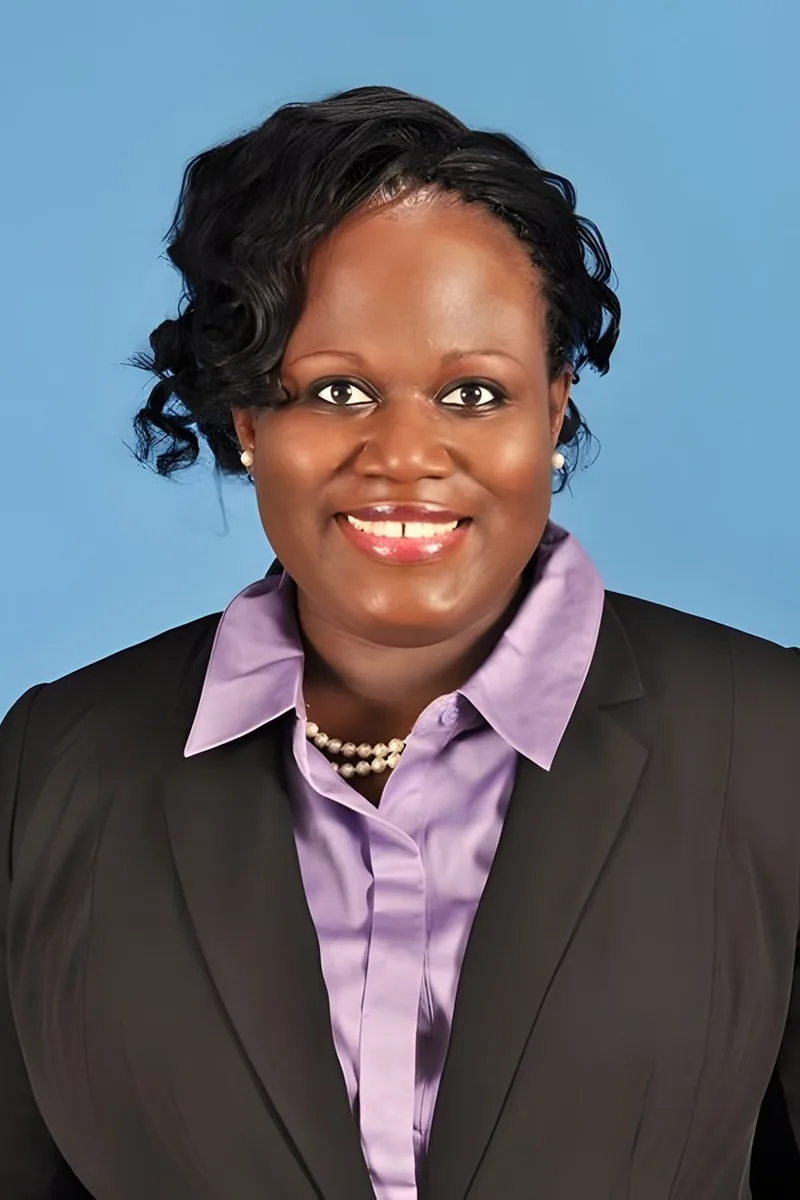
Fractions, place value, and multi-digit multiplication aren't just procedures to memorize — they're the building blocks of every math class that comes after. Elizabeth approaches elementary math by making sure students actually understand why borrowing works or what a fraction represents, not just how to get the right answer. Her seven years of teaching experience means she knows how to keep younger learners engaged without sacrificing rigor.
Early math confidence shapes everything that comes after, which is why getting place value, basic multiplication strategies, and fraction concepts right matters so much. Jeffry uses concrete examples — grouping objects, visual models, number lines — to make abstract ideas tangible for younger learners. He's deliberate about matching his explanations to a child's vocabulary and developmental level.
Getting multiplication facts and place value to click early makes every future math class easier — Ian understands that and keeps lessons concrete, using visual models and real-world examples before introducing abstract notation. His patient, structured approach is especially effective for younger learners who need repetition without boredom.
Long division, place value, fractions — these aren't just procedures to memorize; they're the building blocks every future math course depends on. Taylor uses visual models and real-world examples (recipes, distances, money) to make arithmetic feel logical rather than mysterious. Her patience and 5.0 rating make her a strong fit for younger learners still developing number sense.
Multiplication tables, long division, and basic fractions are skills that need to feel automatic before a student can tackle anything more advanced. Matt teaches these building blocks through patterns and hands-on strategies that make numbers feel less intimidating for younger learners.
Getting foundational arithmetic right — place value, multi-digit multiplication, fractions — sets up everything that comes later in math. Emily spent a year teaching at a private academy for students with learning differences, which sharpened her ability to break number concepts into concrete, manageable steps that actually click.
Getting multiplication facts and place value right in elementary math isn't just about drilling — it's about building number sense so a child can reason through problems they haven't seen before. Moriah, a Cornell-educated educator who manages and teaches at a prep school, brings patience and structure to topics like fractions, measurement, and basic word problems.
Getting multiplication tables and place value to truly click early on makes every math class that follows easier. Rashana uses real-world examples like money and measurement to teach elementary concepts, making abstract number sense feel concrete and intuitive for younger learners.
Getting comfortable with multiplication facts, place value, and basic fractions early on makes every math class that follows significantly easier. Li uses visual strategies and real-world examples — measuring ingredients, splitting groups evenly — to make these foundational concepts click for younger learners.
Early math concepts like place value, regrouping, and basic multiplication set the trajectory for everything that comes later. As a certified elementary teacher, Diana builds number sense through hands-on strategies — skip counting patterns, visual models, and mental math shortcuts — that make operations feel intuitive rather than mechanical.
Getting multiplication facts or long division to click often comes down to how the concept is explained the first time. Hans approaches elementary math by finding the specific spot where a student's understanding breaks down — whether that's place value, regrouping, or fraction equivalence — and rebuilds from there. His patience and structured style have earned him a 5.0 rating from families.
Long division, fractions, and place value might seem simple, but the way a student first learns these ideas shapes how they think about math for years. Kristi brings nearly a decade of experience teaching across every math level, which means she understands exactly which foundational skills matter most and how to make them stick. She's rated 5.0 by her students.
Fractions, decimals, and long division don't have to be intimidating — they just need someone who explains the "why" behind each step. Jasmyn's science background means she uses math constantly and knows how to make arithmetic feel concrete, whether that's through visual models for multiplication or real-world examples that make place value intuitive.
Fractions, place value, and multi-digit multiplication aren't just procedures to memorize — they're the conceptual bedrock for every math class that follows. Vinay teaches elementary math by making sure students understand *why* borrowing works or *what* a fraction actually represents, not just how to get the right answer. His patient, structured approach has earned him a 5.0 rating across years of working with younger learners.
I am currently a senior at Northwestern University and I will be receiving a Bachelor of Arts in Political Science and Legal Studies this spring. In the fall, I will begin attending law school at Northwestern Law. For many years, I tutored a wide range of students in Spanish, English literature, and writing. I have also continued to help many high school seniors with college application essays. While I tutor a variety of subjects, I am very passionate about helping students improve their reading and writing skills, and I really enjoy helping students with Critical Reading and Writing portions of Standardized Tests. I love working with students and helping them realize their full academic potential. In my spare time, I enjoy traveling, exploring Chicago, reading, and cooking.
Victoria taught first, second, and third graders for three years through Teach for America, building lessons around place value, basic operations, and early problem-solving every single day. That classroom experience — not just tutoring, but full-time teaching — means she knows how young learners develop number sense and where common misconceptions around regrouping or fractions tend to take root.
Testimonials
Because the right Elementary Math tutor makes all the difference.
Average Session Rating – Based on 3.4M Learner Ratings
Nearby Elementary Math Tutors
Other Madison Tutors
Related Math Tutors in Madison
Frequently Asked Questions
Elementary students often struggle with the shift from counting and memorization to understanding why math works—especially with multi-digit addition, subtraction, and word problems. Many students in Madison schools find it difficult to connect real-world situations to mathematical operations, and some develop math anxiety when they don't grasp a concept quickly. Personalized 1-on-1 instruction helps students slow down, ask questions without pressure, and build the conceptual foundation they need to move forward confidently.
Showing work reveals a student's thinking process and helps identify where misunderstandings happen—it's not just about getting the right answer. When students can explain their reasoning, they develop stronger problem-solving strategies and are better prepared for more complex math later. Tutors help students organize their thinking, develop clear strategies for tackling word problems, and build confidence in their own mathematical reasoning.
Yes. Madison's six school districts use different textbooks and teaching methods, and tutors who work with students for elementary math understand these variations. Whether your child's school uses a traditional approach or a more conceptual curriculum, Varsity Tutors connects you with tutors who can align their instruction with what's being taught in the classroom, reinforcing key concepts and filling gaps where they exist.
Math anxiety is real and common, especially when students feel rushed or embarrassed by mistakes. Personalized tutoring creates a safe, pressure-free space where students can work at their own pace, ask questions repeatedly, and celebrate small wins. When students see patterns, understand concepts deeply, and experience success, their confidence grows—and that confidence often extends to the classroom.
Strong word problem solvers learn to break down the problem into steps: identify what they know, figure out what they're looking for, decide which operation to use, and check their answer. Many students skip these steps and jump straight to calculating, which leads to mistakes. Tutors teach students to slow down, underline important information, draw pictures or diagrams, and use consistent problem-solving strategies—skills that transfer across all types of math.
The first session is about understanding your child's strengths, challenges, and learning style. Tutors assess where gaps might exist, listen to what frustrates your student, and start building rapport in a low-pressure environment. They'll discuss goals with you and your child, then create a personalized plan that targets the specific skills and concepts your student needs to master.
Many students show improved confidence and understanding within the first few weeks of consistent tutoring, especially when working on specific skills like multiplication facts or word problems. Lasting progress—where concepts truly click and students feel independent—usually develops over a few months of regular sessions. The timeline depends on your child's starting point, the concepts being addressed, and how frequently you meet with a tutor.
Varsity Tutors matches you with tutors who have experience teaching elementary math and understand how to explain concepts in ways that make sense to younger learners. You can discuss your child's specific needs, learning style, and personality preferences—whether they respond better to visual explanations, hands-on activities, or a more structured approach. The goal is finding someone your child connects with and trusts, which makes all the difference in building confidence and progress.
Let’s find your perfect tutor
Answer a few quick questions. We’ll recommend the right plan and match you with a top 5% tutor.