Award-Winning Spanish Tutors
serving Appleton, WI
Spanish
Tutors in Appleton
Private 1-on-1 tutoring, weekly live classes for academic support, test prep & enrichment, practice tests and diagnostics, and more to elevate grades and test scores.
Based on 3.4M Learner Ratings
UniversitiesSchools & Universities
DeliveredHours Delivered
ProficiencyGrowth in Proficiency
Who needs tutoring?
No obligation. Takes ~1 minute.
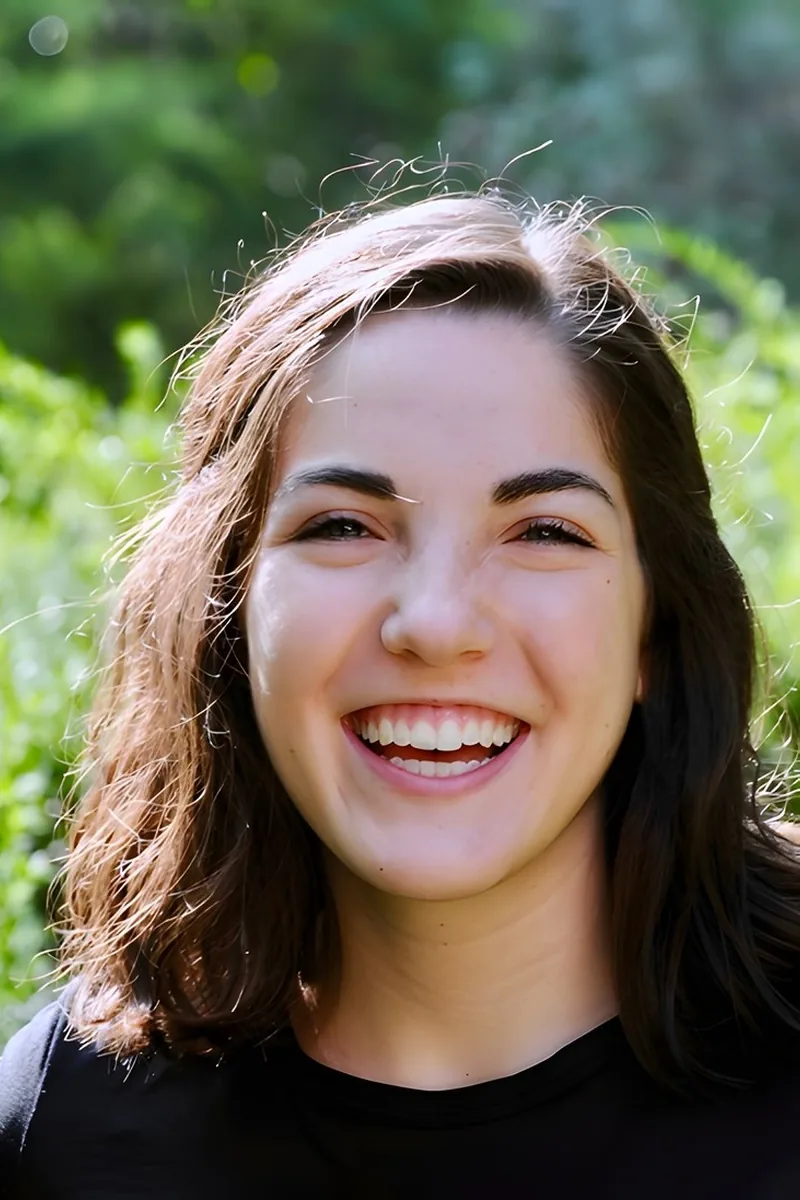
Studying at Brown alongside native speakers and in multilingual community settings gave Sophie practical fluency she brings to Spanish tutoring. She breaks down verb conjugation patterns and sentence structure using the same logical frameworks from her math background — turning grammar rules into systems students can actually internalize.

Growing up bilingual in Spanish and English, Richard doesn't just know the grammar rules — he thinks in the language. He's also TA'd college-level Spanish courses, so he's comfortable walking students through everything from subjunctive mood usage to reading comprehension of authentic texts.
I am excited about the opportunity to apply my skills and experience for Varsity Tutors. In addition to my Bachelor of Arts in Spanish, I also have six years of experience teaching Spanish to middle school students.
As a bilingual speech-language pathologist who works daily with Spanish-speaking families in Milwaukee, Mary uses the language professionally — not just academically. She teaches verb conjugations, pronoun usage, and sentence construction by connecting grammar rules to how Spanish is actually spoken, which makes concepts like the subjunctive mood and ser versus estar click faster.
Living in Seville for a semester gave Shona the kind of immersive Spanish fluency that textbooks can't replicate — she picked up regional idioms, subjunctive triggers in everyday conversation, and the rhythm of natural speech. She brings that real-world context into lessons on everything from verb conjugation patterns to reading comprehension, making grammar rules feel less abstract.
While German is Adam's primary language focus, he also tutors introductory Spanish and understands the particular challenge of keeping two foreign languages straight in your head. He brings structured study techniques to vocabulary acquisition and verb conjugation patterns, making early Spanish coursework feel more manageable.
Learning Spanish grammar often feels like memorizing endless conjugation tables, but Nicole approaches it differently — she connects verb tenses and sentence structures to patterns students already recognize from English. Her experience with Spanish 1 and Spanish 2 curricula means she knows exactly where students tend to stumble, whether it's ser versus estar or the subjunctive mood.
Blaque has tutored Spanish across multiple levels, from beginners learning verb conjugations to advanced students tackling subjunctive mood and complex reading passages. She's consistently moved students up one to two grade levels by connecting grammar rules to real usage patterns instead of treating them as isolated drills. Whether the challenge is vocabulary retention or sentence construction, she adapts her approach to what each student actually needs.
Breanna's background is in education and counseling, not Spanish specifically — but her master's in education means she knows how to break down unfamiliar material into structured, repeatable steps, which is exactly what language learning demands. She applies that instructional scaffolding to vocabulary acquisition and grammar concepts like verb conjugation, building each lesson on what a student already has down before adding complexity.
Verb tenses like the subjunctive and preterite-vs-imperfect distinction trip up nearly every Spanish student at some point. Ian tackles grammar systematically but always ties it back to actual usage, so students understand not just that "fuera" is subjunctive but why a native speaker would choose it in context. He teaches across reading, writing, and speaking to reinforce each concept from multiple angles.
Halle is a double major in Spanish and Biology at UW–Madison, which means she uses Spanish daily in academic contexts — reading research papers, writing essays, and holding conversations that go well beyond classroom drills. She breaks down tricky concepts like subjunctive mood triggers and ser vs. estar distinctions by connecting grammar rules to how native speakers actually think about them. Rated 5.0 by students.
Julia earned her bachelor's degree in Spanish summa cum laude, which means she didn't just study the language — she mastered its grammar, literature, and regional variations at an advanced academic level. She unpacks tricky concepts like the subjunctive mood and ser-versus-estar distinctions by connecting grammar rules to how native speakers actually think and communicate.
Rameen isn't just taking Spanish classes on the side — she's pursuing it as a full major at Loyola Chicago, which means daily immersion in grammar, composition, and literary analysis conducted entirely in the language. She walks students through everything from mastering the subjunctive mood to building reading comprehension skills for complex texts. Rated 5.0 by students.
I am enthusiastic about finding what motivates my students! I am eager to build strong relationships with open communication, trust, and friendship. I believe that successful teaching and learning is best granted through a conversation: what excites you about this topic? How can you relate this topic to your own life? As an eccentric traveler, learner, and collector of oddities I am proud of the experience I bring to the table with my students.
My name is Mika and I recently graduated from Case Western Reserve University in Cleveland where I studied Economics, Math, and Spanish. I want to help you get the best grades, knowledge, and love of learning possible!
Learning Spanish as a cognitive science student gave Adam an unusual advantage: he understands how the brain acquires a second language and uses that knowledge to make vocabulary and grammar stick faster. His Spanish minor at Rice covered everything from verb conjugation patterns to conversational fluency. Whether a student is wrestling with the subjunctive mood or building everyday speaking confidence, Adam tailors the approach to how they learn best.
Learning Spanish clicks faster when grammar rules connect to real usage — why the subjunctive shows up in certain emotional expressions, or how reflexive verbs change meaning in everyday conversation. Rebecca teaches across four levels of Spanish and uses that range to meet each student at their current stage, building verb conjugation and sentence structure into contexts that actually stick.
Cassandra teaches Spanish at the introductory and intermediate levels, covering verb conjugation, pronoun usage, and sentence construction. Her background in comparative literature and Latin gives her a structural understanding of how Romance languages work, which makes explaining concepts like the subjunctive or ser-versus-estar distinctions more intuitive for students.
Paul picked up conversational and reading-level Spanish while traveling through South America, which gives his tutoring a practical edge — he knows what it's like to need the subjunctive tense in an actual conversation, not just on a worksheet. He's strongest with students working on verb conjugation, reading comprehension in Spanish, and building everyday vocabulary.
Learning Spanish means internalizing patterns — verb conjugation systems, pronoun placement, the subjunctive triggers that trip up English speakers. David has taught every level from Spanish 1 through AP and knows exactly where students tend to stall out, whether it's ser vs. estar or navigating preterite and imperfect in the same paragraph.
Emily pairs structured grammar instruction — verb conjugations, pronoun usage, subjunctive triggers — with reading and listening practice that reinforces vocabulary in context. Her analytical mindset from the sciences translates well to language learning, where pattern recognition in tense structures and sentence construction can accelerate progress quickly.
Earning a Spanish degree from Northwestern means Jack didn't just study grammar tables — he read García Márquez, analyzed film, and engaged with the language across literary and cultural contexts. He connects verb conjugations and subjunctive mood to real usage so that concepts like ser versus estar or por versus para feel intuitive rather than arbitrary.
Vivian's background is in music performance and standardized test prep, not Spanish — but her Juilliard training means she's wired to hear and reproduce precise patterns, a skill that transfers directly to mastering pronunciation, accent marks, and the rhythmic flow of spoken Spanish. She applies the same disciplined, repetition-based practice she uses in the practice room to lock in conjugation patterns and vocabulary retention.
Four months living in Spain plus an ongoing stay in Costa Rica mean Nicolette's Spanish grammar is something she's tested daily in real conversations, not just classroom exercises. She unpacks verb conjugations, subjunctive triggers, and pronoun placement with a level of fluency that comes from actually needing the language to navigate daily life.
Simon teaches Spanish across four levels, from foundational conjugation patterns in the present tense to navigating subjunctive mood and complex reading passages at the advanced level. His approach treats grammar as a logical system — once a student sees why irregular preterite verbs follow certain patterns, retention improves dramatically.
Lisa teaches Spanish with an emphasis on building grammar systematically — verb conjugations across tenses, pronoun placement, ser versus estar — so that students can construct sentences on their own rather than translating word-by-word from English. She covers Spanish 1 through Spanish 2 material and tailors sessions to whether a student needs help with classroom assignments, conversational fluency, or exam prep. Her background in anthropology also brings cultural context into language learning, which makes vocabulary and idiomatic expressions easier to retain.
From Spanish 1 verb conjugations through Spanish 4 literary analysis, Pinelopi has tutored every level of the language and knows exactly where students tend to stall — usually around the subjunctive mood and indirect object pronouns. She breaks these tricky structures down into patterns that stick, building real fluency rather than rote translation skills.
Testimonials
Because the right Spanish tutor makes all the difference.
Average Session Rating – Based on 3.4M Learner Ratings
Nearby Spanish Tutors
Other Appleton Tutors
Related Languages Tutors in Appleton
Frequently Asked Questions
Varsity Tutors matches Appleton students with expert Spanish tutors for 1-on-1 instruction. We pair each student with a tutor based on their specific needs, learning style, and goals.
Whether you need homework help, exam prep, or want to get ahead, our Spanish tutors are ready to help.
Common challenges include gaps from earlier material, difficulty with specific concepts, and trouble applying learning to new problems. These issues can snowball quickly in Spanish.
A tutor identifies where you're stuck, fills in gaps, and provides targeted practice. The 1-on-1 format means you get help exactly where you need it.
Tutors work with your student's actual coursework—homework assignments, class notes, and upcoming tests. This keeps tutoring directly relevant to what's happening in the classroom.
When you share information about your student's school and curriculum, we can match you with a tutor who has relevant experience.
All tutors complete background checks, credential verification, and teaching evaluation. Many of our Spanish tutors hold advanced degrees or have years of teaching experience.
You can review tutor profiles to find someone with the right background for your student's level and needs.
Many students see improved grades within a few weeks, along with better understanding of Spanish concepts and more confidence tackling challenging material.
Tutors track progress and adjust their approach to ensure continued improvement.
Most students benefit from 1-2 sessions per week. More frequent sessions help if your student is significantly behind or has an important exam coming up.
Your tutor can recommend a schedule based on your student's specific situation and goals.
Tutoring is purchased in packages of hours, with rates varying by tutor experience. Varsity Tutors offers several options to fit different budgets and needs.
You can discuss pricing during your consultation to find what works best.
Your tutor will assess where your student is, discuss goals, and start working on priority areas. Most students bring current homework or upcoming test material to focus on.
By the end, you'll have a clear sense of how the tutor can help and a plan for moving forward.
Let’s find your perfect tutor
Answer a few quick questions. We’ll recommend the right plan and match you with a top 5% tutor.