Award-Winning Elementary School Reading Tutors
serving Appleton, WI
Elementary School Reading
Tutors in Appleton
Private 1-on-1 tutoring, weekly live classes for academic support, test prep & enrichment, practice tests and diagnostics, and more to elevate grades and test scores.
Based on 3.4M Learner Ratings
UniversitiesSchools & Universities
DeliveredHours Delivered
ProficiencyGrowth in Proficiency
Who needs tutoring?
No obligation. Takes ~1 minute.

Joseph approaches early reading by connecting phonics patterns and sight words to stories kids actually want to read. His experience across elementary subjects means he can spot when a student is struggling with decoding versus comprehension and adjust accordingly — rated 4.9 by families he's worked with.
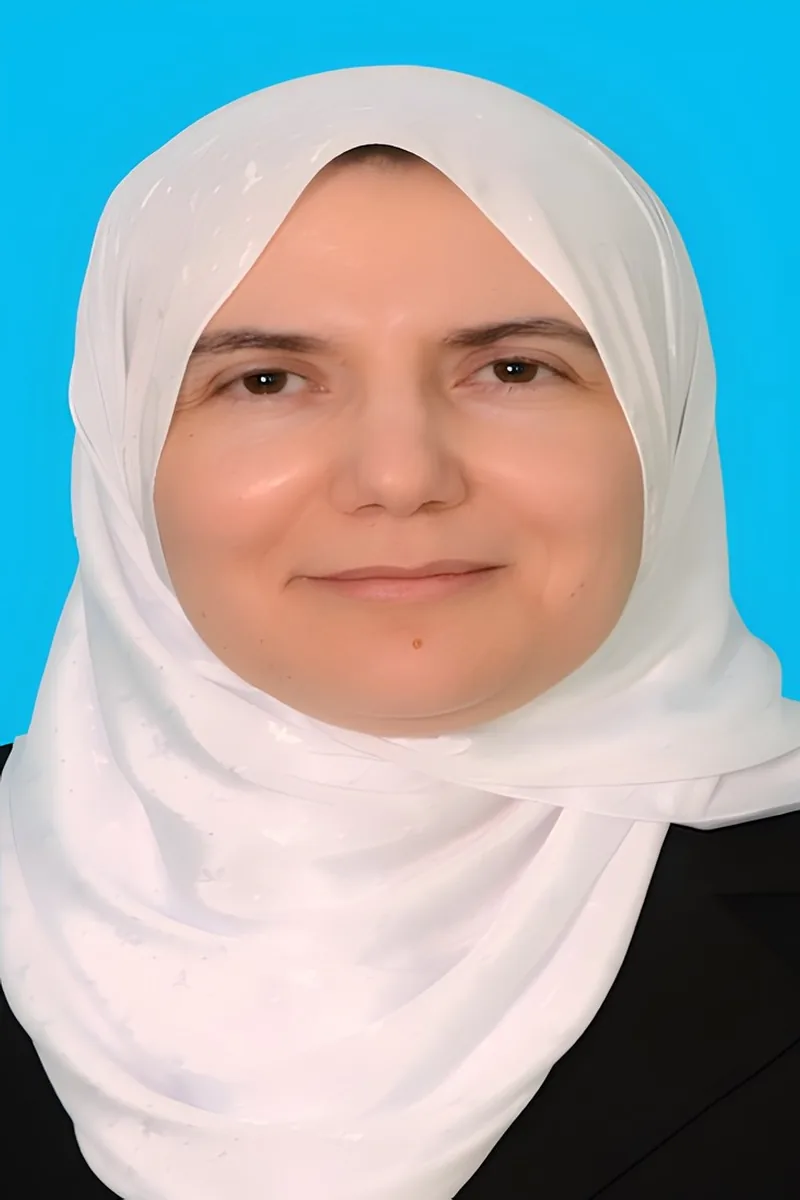
Learning to read is really learning to think — connecting letters to sounds, sounds to words, and words to meaning. Alia brings decades of classroom experience and a PhD in Education to that process, breaking down phonics, fluency, and early comprehension into steps that click for young readers. Rated 5.0 by families she's worked with.
Phonics, sight words, fluency, and that tricky leap from decoding individual words to understanding whole sentences — Elise knows each stage of early reading and what it takes to move through them. Her special education certificate means she's trained to spot processing gaps that often get overlooked in a busy classroom. She holds a 5.0 rating from the families she's worked with.
An avid reader herself, Nupur brings that energy to early reading sessions where kids are building phonics skills, learning sight words, and starting to decode longer sentences. She connects stories to things children already care about, which turns reluctant readers into curious ones who actually want to find out what happens next.
Early readers need someone who can turn decoding into discovery — matching phonics patterns to stories that actually spark curiosity. Sarah's experience teaching pre-K at a Reggio Emilia-inspired school trained her to follow a child's interests and build reading skills around what excites them, from picture books to early chapter books.
Madeline turns reading into a detective game, teaching kids to look for clues in the text — context clues for tricky vocabulary, cause-and-effect patterns in stories, and how to retell what happened in their own words. As a PhD student who reads dense material every day, she knows how to break comprehension strategies into steps that young readers can actually use.
Early reading is where lifelong habits form, and George knows that pushing too hard too fast can backfire. He walks younger students through phonics patterns, sight words, and basic comprehension questions at a pace that builds real confidence rather than anxiety. His easygoing style keeps sessions feeling more like a conversation about a story than a quiz.
Early reading clicks when a child sees themselves in the story. Julia picks texts that connect to each student's interests and then builds skills like decoding, predicting, and retelling around material that actually holds their attention. Her experience tutoring elementary-age students means she balances patience with steady progress through phonics, fluency, and comprehension milestones.
Connor's applied math background might seem unrelated to elementary reading, but the analytical thinking behind it — breaking problems into steps, finding patterns, asking 'what comes next?' — maps directly onto comprehension skills like sequencing and prediction. He brings a structured, patient style to reading sessions that gives younger learners a clear sense of progress. Rated 5.0 by students.
There's a specific thrill in watching a young reader graduate from picture books to chapter books, and Ellie has seen that transition up close through her elementary reading tutoring experience. She teaches phonics, sight words, and reading comprehension strategies tailored to each child's current level, building confidence alongside skill. Her genuine enthusiasm for books is contagious — kids pick up on it.
Early reading confidence comes from mastering foundational skills like phonics patterns, sight word recognition, and basic comprehension questions — who, what, where, and why. Maya breaks these skills into small, repeatable steps so young learners build momentum with each session. Her patience with younger kids comes naturally from years of reading with her four younger siblings.
Phonics, sight words, and reading fluency each require a different kind of practice, and Monica tailors her approach based on where a child is in that progression. Her daily work as an Educational Assistant with first and second graders means she's constantly adapting reading strategies for young learners who are just starting to decode text on their own.
Phonics, sight words, fluency, and early comprehension each require a different kind of attention, and Breanna knows how to spot which piece is holding a young reader back. Her counseling background also means she's tuned in to the frustration and confidence issues that can quietly derail a child's progress with reading. She keeps sessions structured but warm, building skills through repetition that doesn't feel repetitive.
Jeffry's biology background might seem unrelated to elementary reading, but scientific thinking — observing, asking questions, making predictions — maps perfectly onto how kids learn to comprehend stories. He uses that framework during read-alouds, prompting young readers to predict what happens next and explain their reasoning, which builds comprehension muscles naturally. Rated 4.9 by families.
Early reading is where phonics, fluency, and comprehension all need to click together — and when one piece lags, the others stall. Joseph's master's in special education sharpened his ability to diagnose which foundational skill needs attention, whether a child is struggling to decode words or losing meaning mid-sentence.
Early reading confidence comes down to a handful of foundational skills — phonics, sight-word recognition, and the ability to retell what just happened in a story. India builds each of these through interactive, repetition-based exercises that keep young learners engaged. She adjusts pacing based on what each child needs most, whether that's decoding multisyllable words or strengthening comprehension.
I currently work for an afterschool enrichment program (Best Brains) tutoring elementary English and math, and I have 4+ years of experience as a private ESL tutor for both children and adults. I am working toward my Masters of Science in Secondary English Education and ESL at the University of Wisconsin- Madison. I graduated from the University of Oregon with a Bachelor of Arts in Comparative World Literature and Japanese, and from the University of Wisconsin-Madison with a Master of Arts in Japanese Language and Literature. I began tutoring while I was in high school, assisting with algebra homework. In college, I volunteered as a kindergarten reading assistant through a program called Start Making a Reader Today. I later volunteered while in graduate school at a local high school tutoring students in beginner Japanese. I have also been employed by the University of Wisconsin as a Teaching Assistant, and taught in Religious Studies and East Asian Studies. In all cases, it has been a pleasure watching students progress in their academics and to see them grow as young scholars. I especially enjoy teaching language arts because of the feeling of connection that language can bring. My favorite part of teaching is seeing the smiling face of someone the moment that they finally "get" something they've been struggling with and watching their confidence boost. In my free time, I host a small book club, pen pal with friends around the world, and try my hand at new recipes.
For younger readers still building fluency, every new book can feel like a mountain. Amalia pairs phonics skills with sight-word recognition and context clues so students have multiple tools for tackling unfamiliar words. She picks texts that match each child's interests, which turns reading practice into something they actually want to do.
Early reading skills like phonics, sight-word recognition, and basic comprehension questions form the foundation Montana tackles with younger learners. She keeps sessions interactive and low-pressure, using age-appropriate texts to build fluency and teach students how to make predictions, ask questions, and retell what they've read in their own words.
Before a child can love reading, they need to feel successful at it. Vansh zeroes in on the specific skill holding a young reader back — whether that's decoding unfamiliar words, tracking a character's motivations, or retelling a story in sequence — and builds confidence around that one thing before moving on.
Early reading skills — phonics, sight words, fluency, basic comprehension — build on each other in a specific sequence, and a student who's shaky on one step will struggle with the next. Meagen pairs her love of books with structured practice, choosing engaging texts at the right level and asking questions that build a young reader's ability to predict, summarize, and connect with what they're reading.
Early reading is all about building momentum: phonics, sight words, and fluency practice that gradually turns halting word-by-word reading into something that flows. Amy keeps sessions interactive with read-alouds, prediction games, and vocabulary activities that make new words stick. Her genuine enthusiasm for books is contagious, which matters enormously when a young reader is still deciding whether reading is fun or frustrating.
Early readers need someone who can match the right strategy to the right moment — whether that's sounding out unfamiliar words, using picture clues, or retelling a story to check comprehension. Nova's background working with younger students at camps and in classroom settings gives her a natural sense of pacing and encouragement that keeps kids engaged through each reading level.
Phonics patterns, sight words, and reading fluency each require a different kind of practice, and Tiffany tailors her approach depending on where a young reader is struggling. She uses context clues and guided questioning to build comprehension alongside decoding skills. Her organized, patient teaching style is a natural fit for elementary learners who need consistency.
Early reading clicks when a child connects phonics and vocabulary to stories they actually care about. Skyler's background spans multiple languages and literatures, giving her a sharp sense of how decoding, fluency, and comprehension build on each other. She makes reading practice feel less like a chore by matching books and passages to each student's interests.
Teaching a young reader to decode words is only half the job — the other half is making reading feel rewarding. Kevin pairs phonics and fluency practice with age-appropriate stories that spark curiosity, so students build speed and comprehension at the same time. His experience creating a summer tutoring program for younger students gave him a practical toolkit for keeping elementary readers motivated.
Andrew's own wide-ranging reading habits — from Mandarin texts to AP-level political analysis — give him a genuine curiosity about language that younger readers pick up on quickly. He teaches elementary students to tackle unfamiliar words by breaking them into smaller parts and to check their own understanding by pausing to summarize what just happened on the page. Rated 4.9 by families he's worked with.
Learning to read is really learning to decode — blending letter sounds, recognizing sight words, and building the fluency that turns sounding-out into actual comprehension. Naomi pairs phonics instruction with engaging texts matched to each child's level, drawing on her experience teaching literacy skills to young learners across very different classroom settings. She holds a 5.0 client rating.
Reading intervention has been a core part of Molly's classroom work across 2nd, 3rd, and 4th grade, so she's fluent in phonics-based decoding, sight word fluency, and comprehension strategies like predicting and retelling. She pulls from multiple curricula to match the approach that clicks for each reader rather than defaulting to one program.
Through her nonprofit work educating families in Ecuador, Vanessa has seen firsthand how foundational early reading skills shape everything that comes after. She builds young readers' confidence by connecting phonics, vocabulary, and comprehension to stories that genuinely interest them — turning reading from a chore into something a child wants to do on their own.
Phonics, sight words, fluency, comprehension — early reading involves a lot of moving parts, and every child hits different sticking points. Mackenzie identifies where a young reader is getting tripped up and tailors each session around that specific skill, whether it's decoding multisyllable words or retelling a story in sequence.
Testimonials
Because the right Elementary School Reading tutor makes all the difference.
Average Session Rating – Based on 3.4M Learner Ratings
Nearby Elementary School Reading Tutors
Other Appleton Tutors
Related English Tutors in Appleton
Frequently Asked Questions
Varsity Tutors matches Appleton students with expert Elementary School Reading tutors for 1-on-1 instruction. We pair each student with a tutor based on their specific needs, learning style, and goals.
Whether you need homework help, exam prep, or want to get ahead, our Elementary School Reading tutors are ready to help.
Common challenges include gaps from earlier material, difficulty with specific concepts, and trouble applying learning to new problems. These issues can snowball quickly in Elementary School Reading.
A tutor identifies where you're stuck, fills in gaps, and provides targeted practice. The 1-on-1 format means you get help exactly where you need it.
Tutors work with your student's actual coursework—homework assignments, class notes, and upcoming tests. This keeps tutoring directly relevant to what's happening in the classroom.
When you share information about your student's school and curriculum, we can match you with a tutor who has relevant experience.
All tutors complete background checks, credential verification, and teaching evaluation. Many of our Elementary School Reading tutors hold advanced degrees or have years of teaching experience.
You can review tutor profiles to find someone with the right background for your student's level and needs.
Many students see improved grades within a few weeks, along with better understanding of Elementary School Reading concepts and more confidence tackling challenging material.
Tutors track progress and adjust their approach to ensure continued improvement.
Most students benefit from 1-2 sessions per week. More frequent sessions help if your student is significantly behind or has an important exam coming up.
Your tutor can recommend a schedule based on your student's specific situation and goals.
Tutoring is purchased in packages of hours, with rates varying by tutor experience. Varsity Tutors offers several options to fit different budgets and needs.
You can discuss pricing during your consultation to find what works best.
Your tutor will assess where your student is, discuss goals, and start working on priority areas. Most students bring current homework or upcoming test material to focus on.
By the end, you'll have a clear sense of how the tutor can help and a plan for moving forward.
Let’s find your perfect tutor
Answer a few quick questions. We’ll recommend the right plan and match you with a top 5% tutor.