Award-Winning AP Human Geography Tutors
serving Olympia, WA
AP Human Geography
Tutors in Olympia
Private 1-on-1 tutoring, weekly live classes for academic support, test prep & enrichment, practice tests and diagnostics, and more to elevate grades and test scores.
Based on 3.4M Learner Ratings
UniversitiesSchools & Universities
DeliveredHours Delivered
ProficiencyGrowth in Proficiency
Who needs tutoring?
No obligation. Takes ~1 minute.
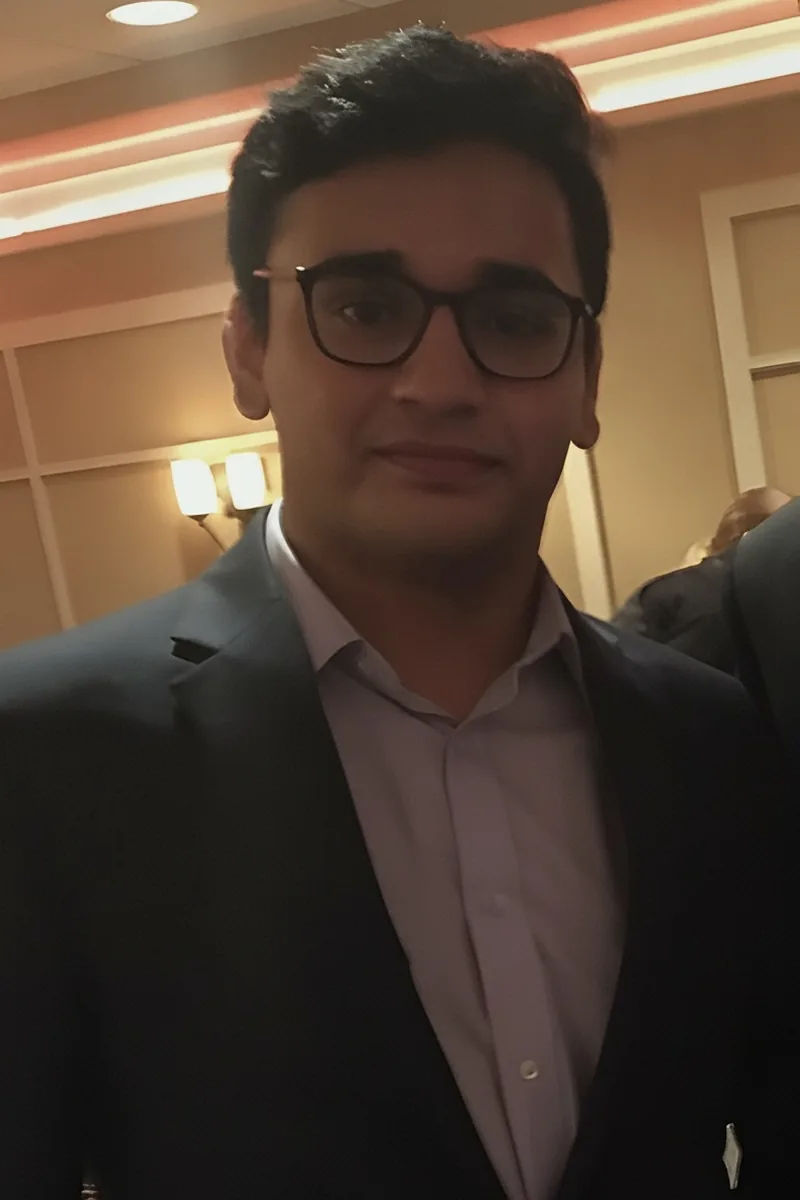
Population pyramids, Ravenstein's laws of migration, and the Wallerstein world-systems model can feel abstract until someone ties them to actual places and patterns. Kshitij approaches AP Human Geography by grounding each model in concrete examples — why Rostow's stages look different in Sub-Saharan Africa versus East Asia, or how gerrymandering reshapes political boundaries. That real-world anchoring makes the free-response questions far less intimidating on exam day.

Graham's astrophysics and chemistry coursework at CU Boulder means he's constantly working with spatial data, models, and systems thinking — skills that translate surprisingly well to AP Human Geography's emphasis on interpreting maps, population models, and development frameworks. His environmental science background gives him a concrete handle on Unit 5 (Agriculture) and Unit 7 (Industrial Development), where understanding resource distribution and land use isn't abstract but something he studies from the physical side. Rated 5.0 by students.
Yale's History of Science, Medicine, and Public Health program immerses Stephanie in exactly the kind of cross-regional analysis AP Human Geography rewards — tracing how disease, technology, and institutional power reshape populations and landscapes across time. She applies that training to units on population dynamics, political organization, and development models, unpacking concepts like the epidemiological transition or supranational governance with real case studies rather than textbook definitions. Rated 5.0 by students.
A UChicago BA and UBC master's degree — both in geography — plus a Fulbright research fellowship in Bulgaria mean Duncan has lived the discipline AP Human Geography introduces: migration, cultural landscapes, political boundaries, and spatial organization aren't abstract textbook units for him but the actual substance of his academic career. He teaches students to apply models like the von Thünen or demographic transition not as vocabulary to memorize but as tools for interpreting the stimulus maps and data sets the exam puts in front of them. Rated 5.0 by students.
The trickiest part of AP Human Geography for most students isn't the content — it's learning to write FRQ responses that explain geographic concepts rather than just describe them. Samantha's writing and essay-editing expertise makes her particularly sharp at teaching students how to structure those responses, connecting models like the gravity model or Rostow's stages to specific evidence. Rated 5.0 by students.
A Public Health major who scored a 1600 SAT and 35 ACT through self-study, Dhruv understands population dynamics, disease diffusion, and development indicators from the academic side — not just as vocabulary terms on an AP Human Geography exam. He connects public health frameworks directly to units on population, migration, and economic development, making models like the epidemiological transition and demographic transition feel like practical tools rather than memorization targets.
Economic development models, urbanization patterns, and the politics of agricultural land use sit at the intersection of Dana's economics expertise and AP Human Geography's core units. She teaches students to read spatial data critically and to write FRQ answers that link geographic concepts — like Rostow's stages or the demographic transition model — to specific real-world examples.
Double-majoring in Digital Journalism and Political Science means Alyssa spends her coursework analyzing how media, governments, and cultural forces shape communities — the same dynamics that drive AP Human Geography units on political organization, cultural patterns, and urbanization. She's strongest with the K-6 through middle school crowd, but her social studies background and knack for making dense vocabulary accessible translate well to walking through concepts like sovereignty, devolution, and supranationalism in ways that go beyond flashcard memorization.
An American Studies degree means Olivia spent years studying how cultural identity, migration, and political power play out across regions — the exact lens AP Human Geography applies to topics like cultural diffusion, ethnicity, and nation-state formation. She pairs that background with sharp reading and writing skills (1560 SAT) to coach students through the stimulus-based questions and FRQ prompts where they need to do more than recall vocabulary and actually build geographic arguments from maps and data.
Biology might seem unrelated to AP Human Geography, but Victoria's coursework in human biology at Dartmouth — population dynamics, ecology, resource distribution — overlaps directly with units on population, agriculture, and development models like the demographic transition. She's especially useful for students who struggle to connect scientific data to geographic arguments on stimulus-based questions, since reading charts and interpreting patterns is second nature to her. Rated 5.0 by students.
A Duke History major with Biology and Chemistry minors, Rayhan reads AP Human Geography's agriculture and development units the way a pre-med student reads systems — tracing how variables like industrialization, resource access, and population pressure interact to produce specific outcomes. That cross-disciplinary habit is especially useful when students need to explain *why* a model like Rostow's stages or the Green Revolution played out differently across regions, not just label the stages on a diagram. Rated 5.0 by students.
Spatial patterns, demographic models, and the way human activity reshapes landscapes — AP Human Geography covers a surprising amount of ground. Muse connects abstract concepts like Ravenstein's migration laws or the Von Thünen model to real-world examples, making the material stick for both multiple-choice and free-response sections of the exam.
Testimonials
Because the right AP Human Geography tutor makes all the difference.
Average Session Rating – Based on 3.4M Learner Ratings
Practice AP Human Geography
Free practice tests, flashcards, and AI tutoring for AP Human Geography
Other Olympia Tutors
Related Social Studies Tutors in Olympia
Frequently Asked Questions
Varsity Tutors matches Olympia students with expert AP Human Geography tutors for 1-on-1 instruction. We pair each student with a tutor based on their specific needs, learning style, and goals.
Whether you need homework help, exam prep, or want to get ahead, our AP Human Geography tutors are ready to help.
Common challenges include gaps from earlier material, difficulty with specific concepts, and trouble applying learning to new problems. These issues can snowball quickly in AP Human Geography.
A tutor identifies where you're stuck, fills in gaps, and provides targeted practice. The 1-on-1 format means you get help exactly where you need it.
Tutors work with your student's actual coursework—homework assignments, class notes, and upcoming tests. This keeps tutoring directly relevant to what's happening in the classroom.
When you share information about your student's school and curriculum, we can match you with a tutor who has relevant experience.
All tutors complete background checks, credential verification, and teaching evaluation. Many of our AP Human Geography tutors hold advanced degrees or have years of teaching experience.
You can review tutor profiles to find someone with the right background for your student's level and needs.
Many students see improved grades within a few weeks, along with better understanding of AP Human Geography concepts and more confidence tackling challenging material.
Tutors track progress and adjust their approach to ensure continued improvement.
Most students benefit from 1-2 sessions per week. More frequent sessions help if your student is significantly behind or has an important exam coming up.
Your tutor can recommend a schedule based on your student's specific situation and goals.
Tutoring is purchased in packages of hours, with rates varying by tutor experience. Varsity Tutors offers several options to fit different budgets and needs.
You can discuss pricing during your consultation to find what works best.
Your tutor will assess where your student is, discuss goals, and start working on priority areas. Most students bring current homework or upcoming test material to focus on.
By the end, you'll have a clear sense of how the tutor can help and a plan for moving forward.
Let’s find your perfect tutor
Answer a few quick questions. We’ll recommend the right plan and match you with a top 5% tutor.