Award-Winning AP English Language and Composition Tutors
serving Richmond, VA
AP English Language and Composition
Tutors in Richmond
Private 1-on-1 tutoring, weekly live classes for academic support, test prep & enrichment, practice tests and diagnostics, and more to elevate grades and test scores.
Based on 3.4M Learner Ratings
UniversitiesSchools & Universities
DeliveredHours Delivered
ProficiencyGrowth in Proficiency
Who needs tutoring?
No obligation. Takes ~1 minute.
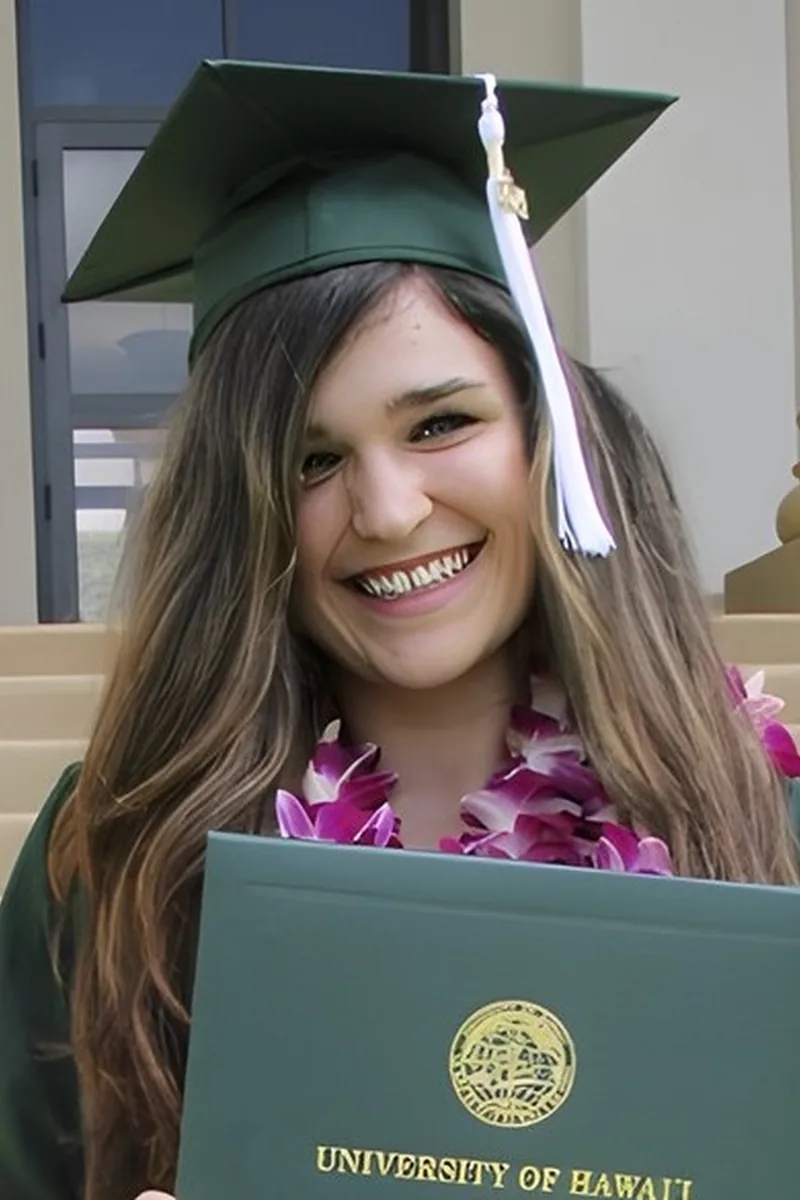
Rhetorical analysis is really about reverse-engineering a writer's choices — why this metaphor, why this structure, why this tone for this audience. Stephanie's English degree and deep background in linguistics give her a precise vocabulary for teaching students to dissect arguments and craft essays that earn high marks on the AP exam's synthesis and argument prompts.

AP Lang asks students to dissect how authors build arguments — identifying rhetorical strategies, evaluating evidence, and constructing their own persuasive essays under time pressure. Rithi approaches this analytically, teaching students to map an argument's structure before writing about it, a skill she honed through years of reading and critiquing scientific literature in her neuroscience and biotechnology programs.
I love to help students to do well on the SAT and ACT Verbal, Reading, and English sections. I have tutored these areas of standardized tests for more than 3 years. My approach is not "standardized" because I enjoy working one-on-one with clients to tailor learning experiences that address each person's unique needs. As a former professor of communication, I also have the skills to help professionals and graduate students with their research and writing. I am currently helping a doctoral student with her dissertation.
AP Lang is fundamentally about rhetoric — understanding how writers use evidence, tone, and structure to persuade. Tessa unpacks real arguments with students, teaching them to spot rhetorical strategies like concession, appeals to authority, and shifts in register, then translate that analysis into the synthesis, rhetorical analysis, and argument essays the exam demands. Her dual focus on math and history at Yale gives her a natural comfort with both logical reasoning and persuasive writing.
The AP Lang exam tests whether a student can dissect an argument's structure and then build one of their own under time pressure. Tegan teaches rhetorical analysis by walking through how authors deploy evidence, tone shifts, and concessions — skills that translate directly to the synthesis and argument essays. Her 1520 SAT score reflects the same command of analytical reading and writing the exam demands.
The AP Lang exam lives at the intersection of rhetoric and writing — two things Maddy has been immersed in since college, where she studied American literature and wrote an honors thesis analyzing cultural criticism. She digs into how authors use tone, diction, and structural choices to persuade, then teaches students to replicate those moves in their own synthesis and argument essays.
AP English Language is where Patrick's two degrees converge perfectly — English Literature gives him deep fluency with rhetorical analysis, while Linguistics gives him the technical vocabulary to explain how syntax, diction, and structure create persuasive effects. He has taught academic writing to students ranging from middle schoolers to university freshmen, so he knows how to build the kind of evidence-driven argumentation the AP exam's free-response questions demand.
Denay's public policy training at the University of Chicago — where every seminar meant tearing apart policy arguments and rebuilding them with sharper evidence — maps directly onto what AP Lang essays require: identifying how authors construct claims, deploy data, and anticipate opposition. She teaches the synthesis essay as a policy brief in miniature, showing students how to integrate multiple sources into a single coherent argument rather than summarizing each one in sequence. Rated 5.0 by students.
Rhetorical analysis clicks faster when a student can name exactly what an author is doing and why it works on a reader. Christopher breaks down AP Lang skills like argument structure, synthesis of sources, and strategic use of evidence, bringing the same analytical precision he applies to his Harvard engineering coursework to the craft of persuasive writing.
AP Lang is fundamentally about argument — identifying how writers use rhetorical strategies like appeals, concessions, and counterarguments to build persuasive cases. Brett approaches the course's synthesis and rhetorical analysis essays the way he approaches scientific writing at Rice: every claim needs evidence, every paragraph needs a clear purpose. He's especially sharp on teaching students to dissect an author's line of reasoning in the rhetorical analysis prompt.
A licensed English 6-12 teacher with a Vanderbilt degree in English Literature, Karen knows the AP Lang exam inside and out — from dissecting rhetorical strategies in nonfiction passages to crafting airtight synthesis and argument essays under time pressure. She teaches students to identify how authors use diction, tone, and structure as persuasive tools, which is the analytical muscle the exam actually tests.
Rhetoric is really applied philosophy: every AP Lang prompt asks students to dissect how an author persuades, and then do it themselves. Julie studies philosophy at Princeton, where she spends her days analyzing argument structure, identifying logical appeals, and writing precisely — the same toolkit that earns high scores on synthesis and rhetorical analysis essays.
Rhetorical analysis is the backbone of AP Lang, and David approaches it by teaching students to name exactly what an author is doing — whether that's deploying an anecdote for pathos or structuring a concession-and-rebuttal to disarm opposition. He also digs into the synthesis and argument essays, where students need to marshal sources quickly and write with a clear, deliberate voice.
Testimonials
Because the right AP English Language and Composition tutor makes all the difference.
Average Session Rating – Based on 3.4M Learner Ratings
Practice AP English Language and Composition
Free practice tests, flashcards, and AI tutoring for AP English Language and Composition
Nearby AP English Language and Composition Tutors
Other Richmond Tutors
Related English Tutors in Richmond
Frequently Asked Questions
AP English Language and Composition is a college-level course that focuses on rhetoric, argumentation, and writing skills rather than literature. Students learn to analyze how authors use language to persuade and communicate, then apply those techniques to their own writing. The AP exam includes multiple-choice questions on rhetorical analysis, free-response essays, and timed writing tasks that test both reading comprehension and composition skills.
Score improvement depends on your starting point and how consistently you work with a tutor, but most students see meaningful gains within 8-12 weeks of focused preparation. Common improvements range from 1-3 points on the 1-5 scale, though students who start with foundational gaps may see larger jumps. The key is identifying your specific weaknesses—whether that's rhetorical analysis, essay structure, or time management—and targeting those areas systematically.
Richmond students often struggle with three main areas: understanding rhetorical devices and analyzing their effect on an audience, managing time across three timed essays, and distinguishing between the multiple-choice reading questions and the free-response writing sections. Many students also find the rhetorical analysis essay particularly challenging because it requires both close reading and sophisticated writing under pressure. A tutor can help you develop a consistent approach to each essay type and build speed through targeted practice.
Your first session focuses on assessment and planning. A tutor will review your current writing samples, discuss your strengths and weak areas, and explain the AP exam format and scoring. You'll take a practice multiple-choice section or write a timed essay so the tutor can identify exactly where to focus your work—whether that's rhetorical analysis skills, thesis development, or essay pacing. This diagnostic approach ensures your tutoring plan is personalized to your needs.
Practice tests are essential for AP English Language and Composition because they help you understand question formats, build stamina for the three-hour exam, and identify patterns in your mistakes. Most students benefit from taking a full practice test every 2-3 weeks during their preparation period, then reviewing it with a tutor to analyze what went wrong. Between full tests, targeted practice on individual essay types or multiple-choice sections keeps your skills sharp without burning you out.
Each essay requires a different approach: the rhetorical analysis essay demands careful annotation and evidence selection, the argument essay needs a clear position and logical reasoning, and the synthesis essay requires integrating multiple sources effectively. Most successful students spend 2-3 minutes planning before writing, use a consistent essay structure, and leave time to proofread. A tutor can teach you efficient templates and help you practice under timed conditions so these strategies become automatic on test day.
Look for tutors with strong AP exam experience—ideally those who have taught the course, scored well on the exam themselves, or worked with multiple students through test prep. They should understand both the rhetorical analysis component and the writing component deeply, and be able to explain not just what makes good writing, but why certain choices are more effective than others. Varsity Tutors connects you with expert tutors who can demonstrate their knowledge and teaching approach in your first session.
Test anxiety often stems from uncertainty about what to expect or lack of confidence in your preparation. Working through multiple practice tests with a tutor builds familiarity with the format and timing, which naturally reduces anxiety. Your tutor can also teach you specific strategies like breaking the exam into manageable sections, using your planning time effectively, and recognizing when to move forward rather than overthink a response. Many students find that solid preparation is the best antidote to anxiety.
Let’s find your perfect tutor
Answer a few quick questions. We’ll recommend the right plan and match you with a top 5% tutor.