Award-Winning Anatomy Tutors
serving Plano, TX
Anatomy
Tutors in Plano
Private 1-on-1 tutoring, weekly live classes for academic support, test prep & enrichment, practice tests and diagnostics, and more to elevate grades and test scores.
Based on 3.4M Learner Ratings
UniversitiesSchools & Universities
DeliveredHours Delivered
ProficiencyGrowth in Proficiency
Who needs tutoring?
No obligation. Takes ~1 minute.
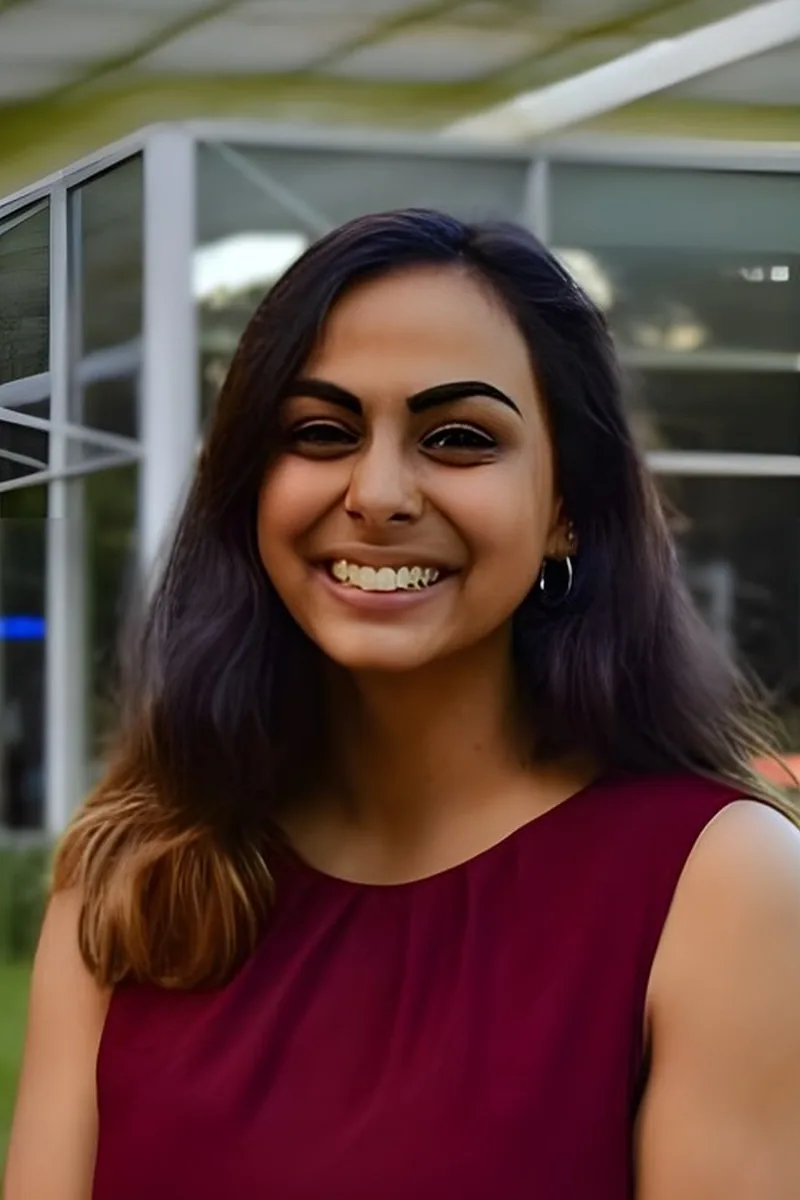
I am most passionate about biology and chemistry. I am a firm proponent of education, believing it to be absolutely necessary for an improved quality of life, and I try to impart this appreciation to all of my students.
Memorizing every muscle origin, insertion, and innervation feels impossible until someone shows you the structural logic behind it. Casey approaches anatomy through her bioengineering lens, teaching students to see the body as an integrated mechanical and biological system so that concepts like brachial plexus organization or cardiac valve function make spatial sense, not just flashcard sense.
Preparing for medical school meant Enstin had to internalize body systems, organ relationships, and musculoskeletal structures at a level that went well beyond introductory coursework — and his psychology training adds a practical edge when it comes to teaching effective study and retention strategies for terminology-heavy material. He breaks anatomy down by connecting Latin and Greek roots to the structures they describe, so students can reason through unfamiliar terms instead of memorizing each one cold.
Physician Assistant training at UNT Health Science Center means Joyce is actively working through clinical anatomy in real time — from organ system relationships to neurovascular pathways she encounters during rotations. Her master's in biomedical sciences and undergraduate biology degree built the foundational layers, but it's the clinical context that sharpens how she teaches structures like brachial plexus branches or abdominal viscera, connecting each one to the patient scenarios that make it stick. Rated 5.0 by students.
Learning anatomy is less about memorizing 206 bones and more about understanding how structures relate to function — why the femur is shaped the way it is, or how the brachial plexus maps onto upper-limb movement. Micaela's pre-med and zoology background gave her deep exposure to both human and comparative anatomy, so she can explain musculoskeletal, cardiovascular, and nervous system structures with real clinical context.
Memorizing every bone, muscle insertion, and nerve pathway feels impossible until you have a system for it. Devon uses spatial reasoning and functional groupings — why the brachioradialis attaches where it does, how the brachial plexus branches map to specific movements — to turn rote memorization into something that actually makes anatomical sense.
A neuroscience degree means Christopher learned anatomy from the inside out — tracing cranial nerves, mapping dermatomes, and connecting every structure to its clinical significance. He teaches the body as an integrated system, so students can reason through unfamiliar questions instead of relying on pure memorization of origin and insertion tables.
Memorizing every bone, muscle insertion, and nerve pathway in anatomy is brutal without a system. Jeremy pairs his biology degree and prehealth training with a structured, region-by-region approach that links form to function — so students understand why the brachial plexus is organized the way it is, not just what's on the diagram.
Shelly literally works with human skeletal remains at the Forensic Anthropology Center at Texas State, identifying bone landmarks, joint articulations, and structural features on a daily basis. That hands-on osteological experience gives her a tactile understanding of anatomy that turns textbook diagrams into something three-dimensional and memorable for students studying musculoskeletal, skeletal, or organ system material.
I am currently a Master's student at Cornell University. I graduated with my Bachelor's of Science from Cornell in 2016 and I plan to attend medical school in the fall of 2017. I am really excited to be tutoring for Varsity tutors because I really enjoy helping students with subjects that gave me trouble in school. I hope that my time spent developing strategies to learn and absorb the tough material can help you succeed.
I am currently working in a research lab at UTHealth and am excited to get back into tutoring. I want to help students succeed academically and am up for the challenge. Plus, it's a gratifying experience that will refine my knowledge on the subject.
I am third year medical resident in Family Medicine and was born and raised in a family of teachers and educators. I really enjoy learning and teaching and the process of deconstructing things down to their most digestible parts. I am a big advocate of making things fun and trying to bring the material to life. I have experience tutoring all ages, and in a wide range of disciplines. I look forward to helping you or you child meet your goals in whatever way I can!
I'm Alyssa! I graduated from Texas Christian University in 2021 with a Bachelor's degree in Kinesiology and a minor in Psychology (with Honors and a 4.0 GPA!). I am a current Doctorate of Physical Therapy student at Texas Woman's University, continuing my education in Kinesiology and related subjects.
I'm Thomas. I am a graduate from medical school (MD) and have completed my Master's in Public Health (MPH). I've been tutoring all my life and am excited to continue with Varsity Tutors! I specialize in most Math and Science subjects, as well as subjects directly related to medical school (and of course the MCAT). I've always enjoyed learning, and I believe anybody can improve in any subject if it's presented to them in the right way. If you're struggling don't be discouraged!
I am a graduate of New York University and received my Bachelor of Science in Finance. I also completed my premedical coursework at NYU and will be attending medical school in July 2015 as my next step to becoming a pediatrician. Ever since high school, I have tutored and worked with children of all ages and from all backgrounds. As a tutor at Mathnasium, I worked with elementary and middle school students to improve their math skills. In college, I worked for America Reads and served as a reading tutor for 3rd graders in a NYC public school. And after graduation, I spent my time before medical school teaching self-contained 4th grade in Houston ISD. While I tutor a wide range of age groups and content areas, I am most passionate about tutoring math, science, and college admission tests (SAT and ACT). As a public school teacher, I am also very familiar with 3rd, 4th, and 5th grade STAAR strategies and content. I have had a lifelong passion for working with children, teaching, learning, and math/science. I truly enjoy building relationships with my students and watching them grow academically. Besides teaching children, some of my hobbies include: hiking, skiing, swimming, working with animals, and enjoying the great outdoors.
I am so excited at the prospect of working with you! I will be graduating with a Health B.S. degree from the University of Houston this upcoming May 2024. Afterward, I will be pursuing a doctoral degree in occupational therapy. With experience private tutoring elementary and middle school students for over 2 years, I specialize in refining grammar, writing, English, and reading comprehension skills. In the past, I prepared my own lesson plans, sight words, spelling quizzes, and reading books to motivate my students in their educational journey. From acting as lead mentor for a STEM and coding camp for over 4 years, I am also confident in building a close yet safe learning environment. For high school students, I teach test-taking strategies, SAT, ACT, Algebra I and II, and Anatomy and Physiology.
I'm a graduate from the University of Texas at Dallas with double Bachelors Degrees in Computer Science and Cognitive Science. I have explored the intersection of technology, medicine, and public policy throughout my academic career. I'm an industry-trained computer scientist with experience at Microsoft and the National Institute of Health.
I am a second year medical student in the new MD program at Nova Southeastern University. I began tutoring students on a volunteer basis when I was in high school and was employed by a tutoring agency while in college. I have experience working with students in Math, Sciences (Biology & Chemistry), and Spanish and have experience tutoring students in Elementary, Middle, and High School as well as college. I also have experience with SAT and ACT prep as I obtained high scores on those standardized tests as well as the MCAT (medical school admissions exams).
I am a certified English teacher in the state of Oklahoma, though I moved to Texas for a non-teaching job at Baylor Orthopedic and Spine Hospital. I'm a strong proponent of life-long learning, and I aim to help my students appreciate learning as much as I do. I believe education should be equal and available to all and I strive to do my part to reach the underserved.
I am here to facilitate that experience. My tutoring interests are mostly focused on Neuroscience, Psychology, Biology, Anatomy and Physiology, and Test Prep. Outside of academia, I am involved in pediatrics research, local volunteering, and spending time with my dog.
I am proficient in teaching Math and Science to elementary, high school, and college students.
I am also fluent (reading/listening/writing) in Cantonese and mandarin Chinese because of my upbringing. Half of my childhood education was received in Hong Kong and the other half was in Australia.
I am currently a third year undergraduate at UT Dallas pursuing a degree in biology. I spend my free time working out, volunteering, and being with my friends.
I'm a Registered Dietitian pursuing my Integrative and Functional Medicine Certified Practitioner license. I was always interested in health sciences and am grateful for the opportunity to revisit these subjects with current students and help them understand why these classes are so important.
As a passionate educator with a Doctorate in Medicine and Surgery from Jordan University of Science and Technology, I am dedicated to fostering a supportive and engaging learning environment. My experience in subjects such as Anatomy , Physiology, Microbiology, and Pharmacology allows me to connect with students on various levels, tailoring my approach to meet their unique needs. I believe in the importance of building confidence and encouraging curiosity, which motivates my students to excel academically. I am excited to share my knowledge and help students navigate their educational journeys, ensuring they not only grasp complex concepts but also develop a love for learning.
Memorizing every bone, muscle, and nerve pathway in anatomy can feel like learning a foreign language — because it essentially is one, rooted in Latin and Greek terminology. Amanda's anthropology and archaeology training gave her years of hands-on experience with skeletal and muscular systems in ways most tutors never encounter. She teaches students mnemonic strategies and spatial reasoning techniques that turn rote memorization into durable understanding of structural relationships.
From brachial plexus branching patterns to the fascial compartments of the lower limb, anatomy rewards spatial thinking and systematic review. Emad has taught anatomy as an adjunct professor and conducted research at Columbia University, so he approaches each region with the precision of someone who has dissected, diagrammed, and clinically applied this material across two medical programs.
As a doctoral physical therapy student at Washington University, James studies human anatomy with a level of detail that goes well beyond introductory courses — from musculoskeletal origins and insertions to the brachial plexus and cranial nerves. He teaches anatomy by organizing structures into functional groups rather than isolated facts, which makes large volumes of material far more manageable. His 4.9 rating speaks to how well that approach lands with students.
Memorizing every bone, muscle, and nerve pathway in anatomy can feel overwhelming without a framework to organize it all. Justin tackles the subject regionally and functionally — connecting the brachial plexus to actual arm movements, or tracing blood flow through the heart to explain why valve defects produce specific symptoms. His Human Science background keeps the focus on how structures serve the living body, not just their Latin names.
Working in a biochemistry lab at NYU Medical Center while applying to medical school, Alex lives inside the human body's systems daily — and his Columbia biology teaching assistant role meant explaining structures like organ relationships and tissue layers to students encountering them for the first time. That combination of active research and classroom teaching gives him a practical fluency with anatomy that translates directly into clear, efficient tutoring sessions. Rated 4.9 by students.
Memorizing every bone, muscle, and nerve pathway in anatomy feels overwhelming until someone shows you the organizational logic underneath it all. Eugene's doctoral studies in biomedical science at Morehouse School of Medicine gave him a systematic way to learn anatomical structures — grouping them by region, function, and clinical relevance. He teaches students to build mental maps of the body rather than relying on brute-force memorization.
Memorizing every bone, muscle, and nerve pathway in anatomy can feel overwhelming without a framework for why structures are shaped and positioned the way they are. Varuna's biomedical engineering background — where she studied how mechanical forces act on tissues and how devices interface with the body — gives her exactly that framework. She teaches anatomy as a design problem, which makes retention far more intuitive.
Jacob doesn't just know anatomy from a textbook — he's worked hands-on with the skeletal archives at the American Museum of Natural History, cataloging and studying actual specimens. That experience makes him especially effective at teaching musculoskeletal structures, bone landmarks, and organ systems in a way that connects memorization to real physical context.
Learning primate skeletal and muscular anatomy firsthand at Duke's Lemur Center gave Benjamin a tactile understanding of the structures most anatomy courses cover — bones, joints, muscle origins and insertions, and organ placement. He teaches by building spatial maps of the body region by region, linking each structure's name to its function so the terminology sticks.
Memorizing every bone, muscle insertion, and nerve pathway in anatomy can feel like drinking from a fire hose. Laura's biology training and current work in environmental health sciences at Columbia gave her practical strategies for organizing anatomical structures by region and function — turning a massive vocabulary list into a system that actually sticks.
Memorizing every bone, muscle, and nerve pathway in anatomy can feel overwhelming without a system. Krishna approaches the subject by linking structure to function — explaining why the brachial plexus is organized the way it is, or how the histology of the small intestine relates to nutrient absorption. Her pre-med coursework and biology research background at Cornell keep her explanations grounded in clinical relevance.
Currently in medical school after graduating summa cum laude from Duke with a cell and molecular biology concentration, Emily learned anatomy through cadaver dissection and clinical coursework where knowing the layers of the abdominal wall or the path of the femoral nerve isn't optional. She teaches the subject by anchoring each structure to its physiological role — so students understand what a muscle does before they try to memorize its origin, insertion, and innervation. Rated 5.0 by students.
Testimonials
Because the right Anatomy tutor makes all the difference.
Average Session Rating – Based on 3.4M Learner Ratings
Practice Anatomy
Free practice tests, flashcards, and AI tutoring for Anatomy
Nearby Anatomy Tutors
Other Plano Tutors
Related Science Tutors in Plano
Frequently Asked Questions
Varsity Tutors matches Plano students with expert Anatomy tutors for 1-on-1 instruction. We pair each student with a tutor based on their specific needs, learning style, and goals.
Whether you need homework help, exam prep, or want to get ahead, our Anatomy tutors are ready to help.
Common challenges include gaps from earlier material, difficulty with specific concepts, and trouble applying learning to new problems. These issues can snowball quickly in Anatomy.
A tutor identifies where you're stuck, fills in gaps, and provides targeted practice. The 1-on-1 format means you get help exactly where you need it.
Tutors work with your student's actual coursework—homework assignments, class notes, and upcoming tests. This keeps tutoring directly relevant to what's happening in the classroom.
When you share information about your student's school and curriculum, we can match you with a tutor who has relevant experience.
All tutors complete background checks, credential verification, and teaching evaluation. Many of our Anatomy tutors hold advanced degrees or have years of teaching experience.
You can review tutor profiles to find someone with the right background for your student's level and needs.
Many students see improved grades within a few weeks, along with better understanding of Anatomy concepts and more confidence tackling challenging material.
Tutors track progress and adjust their approach to ensure continued improvement.
Most students benefit from 1-2 sessions per week. More frequent sessions help if your student is significantly behind or has an important exam coming up.
Your tutor can recommend a schedule based on your student's specific situation and goals.
Tutoring is purchased in packages of hours, with rates varying by tutor experience. Varsity Tutors offers several options to fit different budgets and needs.
You can discuss pricing during your consultation to find what works best.
Your tutor will assess where your student is, discuss goals, and start working on priority areas. Most students bring current homework or upcoming test material to focus on.
By the end, you'll have a clear sense of how the tutor can help and a plan for moving forward.
Let’s find your perfect tutor
Answer a few quick questions. We’ll recommend the right plan and match you with a top 5% tutor.