Award-Winning AP Spanish Literature and Culture Tutors
serving Corpus Christi, TX
AP Spanish Literature and Culture
Tutors in Corpus Christi
Private 1-on-1 tutoring, weekly live classes for academic support, test prep & enrichment, practice tests and diagnostics, and more to elevate grades and test scores.
Based on 3.4M Learner Ratings
UniversitiesSchools & Universities
DeliveredHours Delivered
ProficiencyGrowth in Proficiency
Who needs tutoring?
No obligation. Takes ~1 minute.
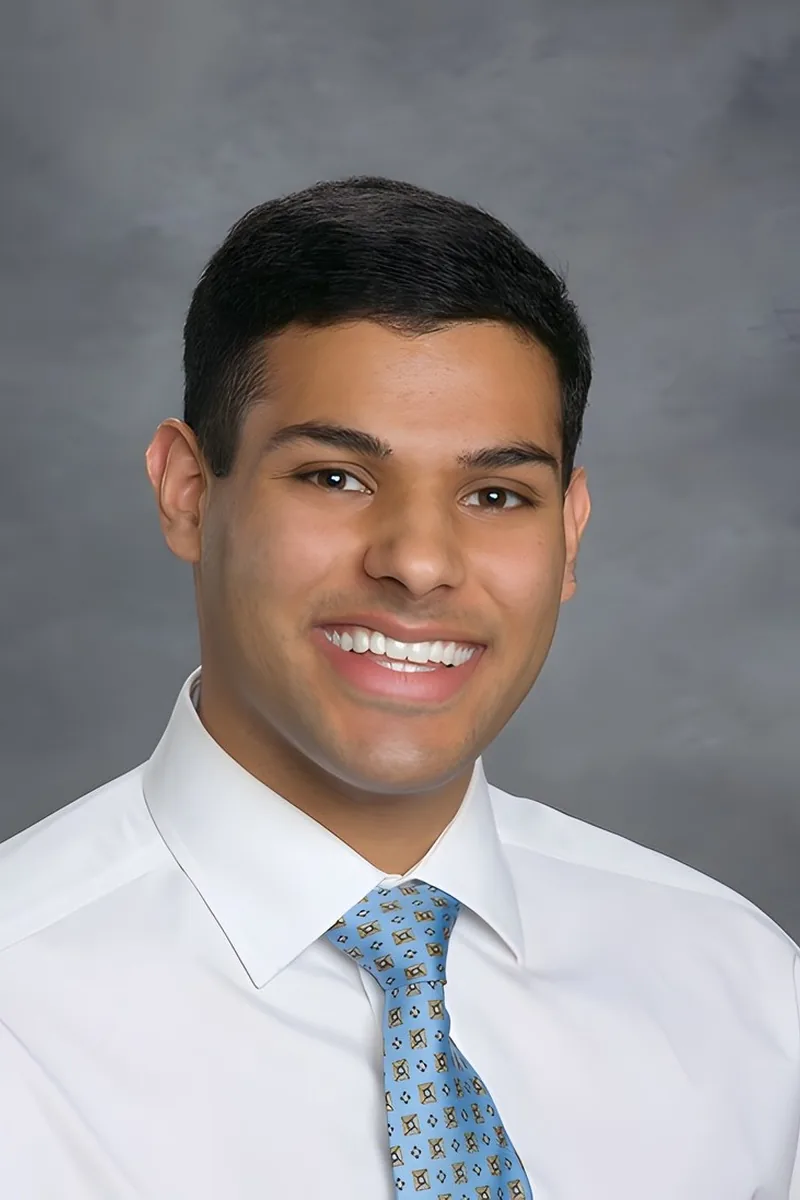
Learning Spanish from scratch starting in second grade and continuing through a medical Spanish interpreting internship at Rice, Sanjay knows exactly where non-native speakers stumble when reading dense literary texts — the archaic syntax in a Cervantes passage or the layered metaphor in a Darío poem. That outsider-turned-fluent trajectory gives him a toolbox of strategies for breaking down AP reading list works into manageable pieces, especially for students who feel intimidated writing timed analytical essays entirely in Spanish. His biochemistry and molecular biology degree from Rice also means he's no stranger to rigorous close reading across disciplines.

Reading García Márquez or Sor Juana Inés de la Cruz in the original Spanish demands more than translation — it requires understanding the cultural and historical contexts that shaped each work. Caio pairs deep Spanish fluency with his Rice sociology and history training, so he can unpack literary movements like el Boom or colonial-era poetry in terms of the social forces behind them. Rated 5.0 by students.
Growing up schooled in Mexico means Alfonso didn't just learn Spanish — he absorbed the literary and cultural traditions that underpin the AP reading list, from colonial-era texts to modern Latin American prose. His years of formal Spanish-language education give him native-level reading and writing fluency that sharpens how he teaches students to construct analytical essays entirely in Spanish, grounding arguments in the cultural contexts he experienced firsthand.
As a native Spanish speaker pursuing a PhD at Rice, Mariane conducts literary analysis in the language she grew up thinking in — an advantage when students need to parse the subtle connotations in a Neruda ode or the layered irony of a Borges narrative. Her scientific training in biochemistry might seem unrelated, but it sharpened a habit of precise, evidence-based argumentation that transfers directly to constructing thesis-driven AP essays under timed conditions. Rated 4.9 by students.
Ysatris's psychology degree gives her a particular angle on the AP reading list — she's trained to analyze human behavior, which translates naturally into unpacking character motivation and identity themes in works by authors like Burgos or García Márquez. She also teaches AP Spanish Language & Culture and conversational Spanish, so essay construction and literary discussion happen in Spanish from the start. Her Magna Cum Laude honors from UIUC speak to the academic rigor she brings to timed analytical writing.
Political science and law school prep might seem far from the AP reading list, but Diana's training in constructing tight, evidence-based arguments translates directly to the exam's free-response essays — where a well-structured thesis about a Borges story or a Sor Juana poem matters as much as Spanish fluency. Her background in Latin and AP Spanish coursework gives her the linguistic foundation to coach students through close reading and essay drafting in Spanish, especially on the argumentative structure that separates mid-range scores from top ones.
Studying Spanish as a full degree — not just a minor or elective — means Alexandra has spent years reading and analyzing literary works in the original language, from García Márquez to Sor Juana. She teaches students to write the kind of thematic analysis essays the AP exam demands, connecting literary movements like el realismo mágico to their cultural and historical contexts.
Medical school sharpens one skill that translates surprisingly well to AP Spanish Literature: reading dense, complex material under pressure and extracting exactly what matters. Brianna's biology degree and Spanish tutoring experience give her the language foundation, while her test-taking discipline (1490 SAT, 32 ACT) carries over to coaching students on structuring timed analytical essays where clear argumentation counts more than literary flourish. This isn't her deepest subject, but for students who need help with the mechanics of building an evidence-based essay under exam conditions, her systematic approach fills a real gap.
Kiara's psychology training — both her BA and her MA in Urban Education — gives her a particular angle on AP reading list texts where identity, power, and social structures drive the narrative, from Lazarillo de Tormes to Burgos's poetry of selfhood. She teaches across multiple levels of Spanish and conducts literary analysis practice in the target language, connecting psychological and cultural frameworks to the thematic essay prompts the exam actually asks. Rated 4.8 by students.
Reading García Márquez or Sor Juana Inés de la Cruz in the original Spanish requires literary analysis skills layered on top of advanced language proficiency. As a native Spanish speaker who studied Spanish literature at Amherst College, Alvaro unpacks the thematic and stylistic nuances the AP exam targets — from magical realism's narrative techniques to the socio-political context behind colonial-era poetry. He also coaches the presentational and interpersonal speaking components that often make or break exam scores.
Studying four languages — including Armenian, which she's currently acquiring — gives Araxie a firsthand understanding of how grammar, idiom, and cultural context interact in ways that matter for close reading of AP reading list texts in Spanish. Her Linguistics major at the University of Chicago sharpens that instinct: she can teach students to notice how a poet's syntax or verb mood carries meaning, then build that observation into a structured analytical essay entirely in Spanish.
Richard's engineering background at the University of Tulsa might seem far from literary analysis, but his Spanish coursework through advanced levels and his instinct for systematic problem-solving give him a practical angle on the AP exam's timed essays — particularly breaking a prompt into a clear thesis, supporting claims, and organizing evidence under pressure. He's upfront that this isn't his deepest subject, so he's best suited for students who already read comfortably in Spanish and need help with the structural mechanics of constructing analytical arguments on exam day.
As a native Spanish speaker studying at Yale, Stephanie brings both cultural fluency and literary analysis skills to AP Spanish Literature and Culture — from close readings of García Márquez and Sor Juana to writing persuasive essays in Spanish about themes like "las sociedades en contacto." Her IB Diploma background means she's intimately familiar with the kind of rigorous textual analysis the AP exam demands. Rated 5.0 by students.
A Columbia-trained history major and certified social studies teacher, Daniel reads AP reading list texts the way a historian would — situating a Lazarillo de Tormes excerpt within its social critique or connecting Neruda's poetry to the political upheavals that shaped it. His Spanish fluency spans four levels of coursework through AP, and his background in analytical writing transfers directly to coaching the kind of thesis-driven, evidence-rich essays the exam's free-response section demands.
A PhD in Spanish & Portuguese means Casey has spent years inside the texts that define this exam — from medieval romances and Sor Juana's baroque poetry to García Márquez's magical realism and Borges's labyrinths. She teaches students to build the kind of close-reading arguments in Spanish that earn top scores on the literary analysis free-response questions. Rated 5.0 by students.
A certified former middle-school teacher with a Spanish degree and a 1590 SAT, Meagan brings strong analytical reading and writing chops to a subject that demands both — constructing literary arguments in Spanish under timed conditions. Her education policy Master's and years teaching ESL sharpen her ability to break down how language proficiency and essay structure intersect, coaching students on building thesis-driven responses to reading list texts. Rated 4.9 by students.
Phyllis earned her BA in Spanish and teaches across every level of the language, from Spanish 1 through AP — so she knows exactly where the gap widens between conversational fluency and the literary analysis this exam requires. Her creative background as a musician and visual artist sharpens how she teaches students to read poetry and prose for rhythm, imagery, and formal structure, then translate those observations into thesis-driven essays in Spanish. Rated 5.0 by students.
Studying political science sharpened Claire's ability to read texts as arguments — identifying how authors use structure, rhetoric, and cultural context to advance a point of view, which is exactly the analytical muscle the AP Spanish Literature free-response essays test. She tutors across four levels of both Spanish and French, so she's comfortable conducting literary discussion and essay practice in the target language. Rated 5.0 by students.
This isn't Vivian's core subject — her strengths center on standardized test prep and English — but her 36 ACT and 4.9 rating speak to the analytical rigor she brings to any text-based exam. For students who already have solid Spanish fluency and need help with the structural side of timed literary essays (building a thesis, organizing evidence, writing under pressure), her test-taking instincts translate well to the AP free-response format.
Growing up as a native Spanish speaker and completing AP Spanish Literature coursework through the IB program, Solange reads and analyzes texts by authors like Cervantes and Borges in their original language without defaulting to English translation as a bridge. She teaches students to move between close reading of poetic form and constructing timed analytical essays — the exact skill set the exam's free-response section rewards. Rated 5.0 by students.
Analytical chemistry and Spanish literature sound worlds apart, but Hannahlore's 35 ACT and 5.0 rating reflect the same precise, evidence-driven thinking that timed AP literary essays demand — identifying a pattern in a text and building a structured argument around it, much like interpreting data in a lab. For students who already have strong Spanish language skills and need coaching on the mechanics of constructing a thesis, selecting textual evidence, and writing a coherent analytical essay under time pressure, her systematic approach translates effectively to the free-response format.
Testimonials
Because the right AP Spanish Literature and Culture tutor makes all the difference.
Average Session Rating – Based on 3.4M Learner Ratings
Nearby AP Spanish Literature and Culture Tutors
Other Corpus Christi Tutors
Related Languages Tutors in Corpus Christi
Frequently Asked Questions
Varsity Tutors matches Corpus Christi students with expert AP Spanish Literature and Culture tutors for 1-on-1 instruction. We pair each student with a tutor based on their specific needs, learning style, and goals.
Whether you need homework help, exam prep, or want to get ahead, our AP Spanish Literature and Culture tutors are ready to help.
Common challenges include gaps from earlier material, difficulty with specific concepts, and trouble applying learning to new problems. These issues can snowball quickly in AP Spanish Literature and Culture.
A tutor identifies where you're stuck, fills in gaps, and provides targeted practice. The 1-on-1 format means you get help exactly where you need it.
Tutors work with your student's actual coursework—homework assignments, class notes, and upcoming tests. This keeps tutoring directly relevant to what's happening in the classroom.
When you share information about your student's school and curriculum, we can match you with a tutor who has relevant experience.
All tutors complete background checks, credential verification, and teaching evaluation. Many of our AP Spanish Literature and Culture tutors hold advanced degrees or have years of teaching experience.
You can review tutor profiles to find someone with the right background for your student's level and needs.
Many students see improved grades within a few weeks, along with better understanding of AP Spanish Literature and Culture concepts and more confidence tackling challenging material.
Tutors track progress and adjust their approach to ensure continued improvement.
Most students benefit from 1-2 sessions per week. More frequent sessions help if your student is significantly behind or has an important exam coming up.
Your tutor can recommend a schedule based on your student's specific situation and goals.
Tutoring is purchased in packages of hours, with rates varying by tutor experience. Varsity Tutors offers several options to fit different budgets and needs.
You can discuss pricing during your consultation to find what works best.
Your tutor will assess where your student is, discuss goals, and start working on priority areas. Most students bring current homework or upcoming test material to focus on.
By the end, you'll have a clear sense of how the tutor can help and a plan for moving forward.
Let’s find your perfect tutor
Answer a few quick questions. We’ll recommend the right plan and match you with a top 5% tutor.