Award-Winning English Tutors
serving Chattanooga, TN
English
Tutors in Chattanooga
Private 1-on-1 tutoring, weekly live classes for academic support, test prep & enrichment, practice tests and diagnostics, and more to elevate grades and test scores.
Based on 3.4M Learner Ratings
UniversitiesSchools & Universities
DeliveredHours Delivered
ProficiencyGrowth in Proficiency
Who needs tutoring?
No obligation. Takes ~1 minute.

I'm currently a student at Northeastern University. Originally from Tennessee, I attended an all-male boarding and day school for high school, and was given a lot of opportunities to pursue advanced coursework and opportunities that weren't available to 99% of students in the area. As a result, I've joined Varsity Tutors as an effort to give back and try to help students get excited about learning various subjects, employing many of the methods that allowed me to succeed. While I tutor a wide range of subjects, I am most passionate about standardized test prep, math (all levels), writing, and economics.
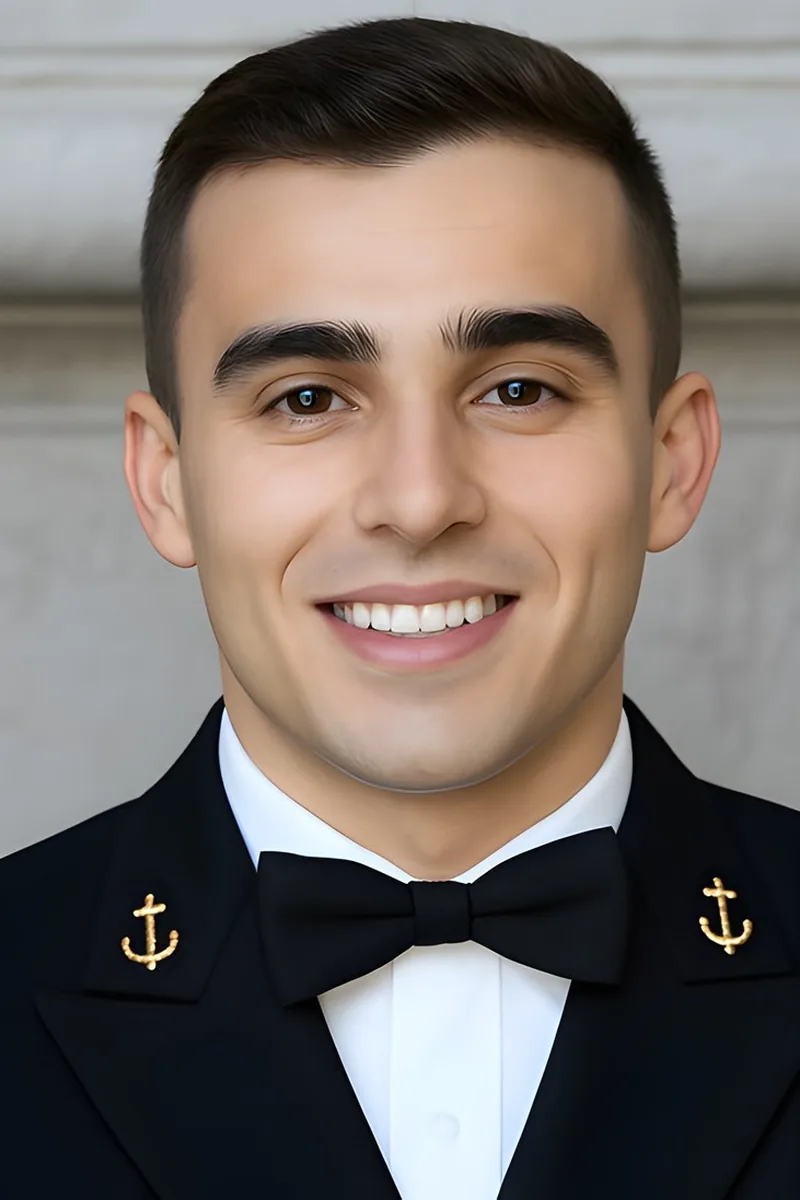
Engineering majors don't usually end up on English tutoring pages, but Charles is also an avid reader and writer who tackles grammar, essay structure, and close reading with the same precision he applies to physics problems at Yale. His analytical mindset is especially useful for students who struggle to organize arguments or build coherent thesis statements — he breaks the writing process into clear, logical steps that make essays less intimidating.
A Princeton Comparative Literature degree and an M.A. in English add up to someone who has spent over a decade inside complex texts — analyzing narrative voice, unpacking symbolism, and constructing interpretive arguments. Brittney teaches English by connecting reading and writing as a single skill: the better a student reads, the sharper their essays become. Her 5.0 rating speaks to how well that integrated approach clicks with students.
Beyond his science credentials, Dennis has genuine interests in philosophy, literature, and writing that round out his teaching. He tackles English by connecting reading comprehension to analytical thinking — breaking down an author's argument, identifying rhetorical strategies, and constructing clear written responses. His 1450 SAT score speaks to the verbal skills he brings alongside his scientific training.
Reading closely and writing clearly are skills Kerr treats as trainable — not innate talents. As a computer science student at Vanderbilt who scored a 36 ACT, he breaks down everything from thesis construction to textual analysis with the same logical precision he applies to code, making abstract English concepts click for students who think they're "just not English people." Rated 4.9 by students.
Reading a poem or short story closely enough to write about it requires a different skill set than just finishing the assigned pages. Lisa unpacks literary devices like symbolism, tone shifts, and narrative structure by asking students to defend their interpretations with textual evidence. Her social-science training sharpens this analytical lens — she treats a text as something to interrogate, not just summarize.
Between literature analysis, essay editing, and standardized reading prep, Eileen covers English from multiple angles — but her real strength is teaching students how to construct a clear argument on paper. She walks through thesis development, evidence selection, and paragraph transitions in a way that makes the writing process feel systematic instead of overwhelming.
College professors read and critique enormous volumes of student writing, and Jeremy is no exception — he's evaluated essays, lab reports, and research papers across multiple disciplines throughout his teaching career. He tackles English assignments by breaking down thesis construction, paragraph organization, and evidence integration into clear, repeatable steps.
Between a political science major, admissions consulting experience, and a TA role for a college history course, Kit spends most of the day reading critically and writing persuasively — the two skills English classes are really testing. Kit teaches students to dissect an author's argument or literary choices, then translate that analysis into essays with clear thesis statements and tight evidence integration.
Reading a novel and actually understanding what an author is doing with structure, tone, and figurative language are two very different skills. Alexander's history and writing background at Vanderbilt sharpened his ability to unpack complex texts, and he applies that same close-reading discipline to poetry, fiction, and nonfiction alike. He scored a 1510 on the SAT, with particular strength in the evidence-based reading and writing sections.
Most students don't struggle with English because they can't read — they struggle because nobody taught them how to build an argument from a text. Rhamy's background spans essay editing, literature analysis, and college application writing, so he tackles English as a set of transferable skills: close reading, thesis construction, and evidence selection. His 5.0 rating comes from making those skills concrete rather than abstract.
Between her Vanderbilt writing coursework and time living abroad, Heather developed a habit of reading closely and arguing precisely — two skills that anchor every English class from literary analysis to timed essays. She digs into how authors build arguments and craft narratives, then teaches students to do the same in their own writing. Rated 4.9 by students.
Teaching SSAT prep and reading classes for Higher Achievement in D.C. gave Nat hands-on experience walking younger students through close reading, passage analysis, and written argumentation. Now a math and computer science major at Vanderbilt, he brings an unusually logical approach to English — diagramming an author's argument the way he'd trace a proof, which clicks for students who don't think of themselves as 'English people.'
A chemical engineering degree might seem unrelated to English, but Kelly's training in technical writing and structured argumentation translates directly into teaching students how to build clear, well-organized essays and dissect complex texts. She also tutors college essays and essay editing, so she knows how to sharpen a thesis statement and tighten paragraph-level logic. Rated 5.0 by students, she brings an analytical lens to grammar, reading comprehension, and persuasive writing.
I'm a 24 year old student of life that graduated from Vanderbilt University in 2014. My first experience with tutoring came 5 years ago when I opened a branch of ACT prep tutoring for Revolution Prep. At that time, I taught small classes of 5-9 students and also worked as a private tutor. I absolutely love to learn and am fulfilled by guiding students to reach their maximum potential.
Between her sociology research at Duke and her 1570 SAT, Michelle spent years breaking down complex texts and constructing evidence-driven arguments — the core skills behind every English assignment from literary analysis to persuasive essays. She teaches students to read for structure and intent, then translate that understanding into writing that actually says something. Rated 5.0 by students.
From phonics and reading comprehension through literary analysis and essay writing, Mary covers the full arc of English skills — and her speech-language pathology background means she understands the cognitive processes behind each one. She unpacks how decoding, vocabulary, and inference work together so students don't just improve in one area but start reading and writing with more confidence across the board.
I am a freshman at Vanderbilt University studying biochemistry and involved in analytical chemistry research. Despite my studies being very science oriented, I also enjoy studying English and the humanities. I'd be happy to tutor you in any of these areas!
Between teaching English to elementary students in Korea and pursuing her master's in ESL at Vanderbilt, Christina has spent years figuring out how to make reading comprehension and writing skills accessible to learners at every level. She's especially skilled at scaffolding — building from sentence-level work up to paragraph organization and thesis development so that each step feels manageable rather than overwhelming.
Ruiy's cognitive science background at Vanderbilt gives her an unusual lens on English — she understands how the brain processes language, which shapes how she teaches everything from close reading to thesis construction. Whether a student is untangling a complex passage or structuring an argument, she breaks the task into cognitive steps that make the process repeatable. Rated 5.0 by students.
Between tutoring college essays and literature, Daniel brings a practical angle to English: every reading and writing skill should make a student a clearer thinker. He digs into thesis construction, close reading of passages, and argument organization, treating each assignment as a chance to sharpen how students express and defend ideas.
Jakobi treats English assignments the way he treats science problems — by breaking them into components and tackling each one systematically. His experience coaching students through ACT English sections and college essays means he's comfortable digging into grammar mechanics, argument structure, and the revision process. A biology major headed to medical school, he brings an analytical precision to writing that resonates with students who don't consider themselves "English people."
Between her math minor and her financial economics minor, Megan has written extensively across disciplines — analytical essays, research papers, and policy arguments that each require different approaches to evidence and structure. She teaches students how to build a thesis that actually drives an essay forward, rather than just summarizing what they've read.
A chemistry major who also pursued African American Studies at Vanderbilt, Elsa brings an interdisciplinary lens to English — she's used to reading dense texts closely and constructing clear, evidence-driven arguments across very different disciplines. She tackles everything from thesis development and paragraph structure to close reading strategies that sharpen how students interpret literary and nonfiction texts.
Monika's path through universities in India and the U.S. required her to master academic English as a precise tool — for research papers, presentations, and persuasive writing. She tackles reading comprehension, thesis development, and paragraph structure with the same systematic approach she brings to mathematics. Students who prefer clear rules over vague intuition tend to click with her style.
Between her English minor and her experience editing everything from personal essays to research papers, Caroline treats English as a subject built on two connected skills: close reading and clear writing. She digs into how authors use tone, structure, and figurative language to build meaning, then shows students how to articulate those observations in their own analytical writing.
Danzo's background might look purely scientific on paper, but his doctoral training required constant close reading, argumentation, and written analysis — skills that transfer directly to essay construction and literary interpretation. He teaches students to build thesis-driven arguments and support them with textual evidence, treating English assignments with the same rigor he applied to his research.
Between her history coursework, literature studies, and college essay tutoring, Karen spends most of her academic life inside texts — analyzing arguments, unpacking tone, and structuring written responses. She's especially strong at teaching students how to move from a close reading to a coherent analytical essay, connecting textual evidence to a clear thesis. Holds a 5.0 rating.
Between AP Literature, AP Language, and college-level writing at Vanderbilt, Leanna has spent years dissecting how authors build arguments and craft narratives. She teaches close reading techniques that show students how to identify tone, rhetorical strategy, and thematic development — skills that transfer directly to stronger analytical essays. Rated 4.9 by students.
I'm pursuing a double major in Mathematics and English at Vanderbilt University. I have been tutoring math since High School and have native proficiency in Mandarin Chinese. I am dedicated to helping students explore the study methods that will fit their individual needs.
Between comparative literature, college essays, and AP history writing, Miah's skill set covers the full range of what English students need: close reading, thesis development, and clear paragraph structure. She digs into how to build an argument from a text — pulling specific evidence, analyzing tone and diction — instead of letting students default to plot summary. Rated 5.0 across her sessions.
An avid reader and writer who lists books and writing among her favorite hobbies, Jamie approaches English as a subject where personal interest is the unlock. She teaches close reading, thesis development, and textual analysis by first finding the angle a student genuinely connects with — a character's motivation, a historical context, a surprising theme — and building analytical skills outward from there. Rated 4.9 by students.
Reading a passage and understanding it are two different things, and Marjorie tackles the gap by teaching students to annotate for argument structure — identifying claims, counterarguments, and the evidence connecting them. Her own writing background across literary analysis, persuasive essays, and technical prose means she can coach both the reading and writing sides of English in a single session.
Between his PhD coursework, a year at the École Normale Supérieure in Paris, and his previous role developing SAT and pre-AP English exams at the Educational Testing Service, Patrick brings an unusual combination of scholarly depth and test-design expertise to English instruction. He teaches close reading, argument construction, and evidence-based writing as interconnected skills — the same toolkit that drives serious academic work at any level.
Scoring a 1530 on the SAT required strong command of reading comprehension and analytical writing, and Jacob applies that same precision to English tutoring — whether a student needs to sharpen a thesis statement, unpack a passage's argument, or tighten prose during essay editing. His 5.0 rating speaks to his ability to adapt to what each student actually needs on the page.
Between her love of reading and her experience with college essays and literature, Elena tackles English by connecting close-reading skills to stronger writing — showing students how to pull a thesis from a text and defend it with specific evidence. Her background in art history also sharpens her ability to teach analytical thinking, since both disciplines demand interpreting meaning from complex source material.
Between a public policy master's at Maryland and a PhD at Vanderbilt, Zeeshan has written and revised hundreds of thousands of words under rigorous academic scrutiny. He applies that experience to English by teaching students how to build a thesis that actually argues something, select evidence that earns its place in a paragraph, and revise with purpose rather than just fixing surface errors.
Reading a poem for imagery and reading an argument for logical structure require different tools, and Kaitlyn teaches both. Her Creative Writing and Psychology studies at Vanderbilt give her a dual lens — she can unpack literary devices in a novel one session and coach thesis-driven analytical writing the next. She holds a 5.0 rating from students.
Reading dense scientific literature throughout her graduate program sharpened Katie's ability to analyze arguments, identify an author's purpose, and pull evidence from complex texts. She brings that same analytical lens to English, teaching students how to dissect a passage's structure and craft clear, well-supported written responses.
Pursuing dual degrees in chemistry and English at Vanderbilt means Lawrence lives in both analytical and literary worlds daily — balancing lab reports with close readings of poetry and prose. That double fluency shows up in how he teaches literary analysis and essay writing, where he treats a thesis like a hypothesis: something you build carefully from evidence and refine through revision.
Testimonials
Because the right English tutor makes all the difference.
Average Session Rating – Based on 3.4M Learner Ratings
Nearby English Tutors
Other Chattanooga Tutors
Related English Tutors in Chattanooga
Frequently Asked Questions
Varsity Tutors matches Chattanooga students with expert English tutors for 1-on-1 instruction. We pair each student with a tutor based on their specific needs, learning style, and goals.
Whether you need homework help, exam prep, or want to get ahead, our English tutors are ready to help.
Common challenges include gaps from earlier material, difficulty with specific concepts, and trouble applying learning to new problems. These issues can snowball quickly in English.
A tutor identifies where you're stuck, fills in gaps, and provides targeted practice. The 1-on-1 format means you get help exactly where you need it.
Tutors work with your student's actual coursework—homework assignments, class notes, and upcoming tests. This keeps tutoring directly relevant to what's happening in the classroom.
When you share information about your student's school and curriculum, we can match you with a tutor who has relevant experience.
All tutors complete background checks, credential verification, and teaching evaluation. Many of our English tutors hold advanced degrees or have years of teaching experience.
You can review tutor profiles to find someone with the right background for your student's level and needs.
Many students see improved grades within a few weeks, along with better understanding of English concepts and more confidence tackling challenging material.
Tutors track progress and adjust their approach to ensure continued improvement.
Most students benefit from 1-2 sessions per week. More frequent sessions help if your student is significantly behind or has an important exam coming up.
Your tutor can recommend a schedule based on your student's specific situation and goals.
Tutoring is purchased in packages of hours, with rates varying by tutor experience. Varsity Tutors offers several options to fit different budgets and needs.
You can discuss pricing during your consultation to find what works best.
Your tutor will assess where your student is, discuss goals, and start working on priority areas. Most students bring current homework or upcoming test material to focus on.
By the end, you'll have a clear sense of how the tutor can help and a plan for moving forward.
Let’s find your perfect tutor
Answer a few quick questions. We’ll recommend the right plan and match you with a top 5% tutor.