Award-Winning English Tutors
serving Nashville, TN
English
Tutors in Nashville
Private 1-on-1 tutoring, weekly live classes for academic support, test prep & enrichment, practice tests and diagnostics, and more to elevate grades and test scores.
Based on 3.4M Learner Ratings
UniversitiesSchools & Universities
DeliveredHours Delivered
ProficiencyGrowth in Proficiency
Who needs tutoring?
No obligation. Takes ~1 minute.
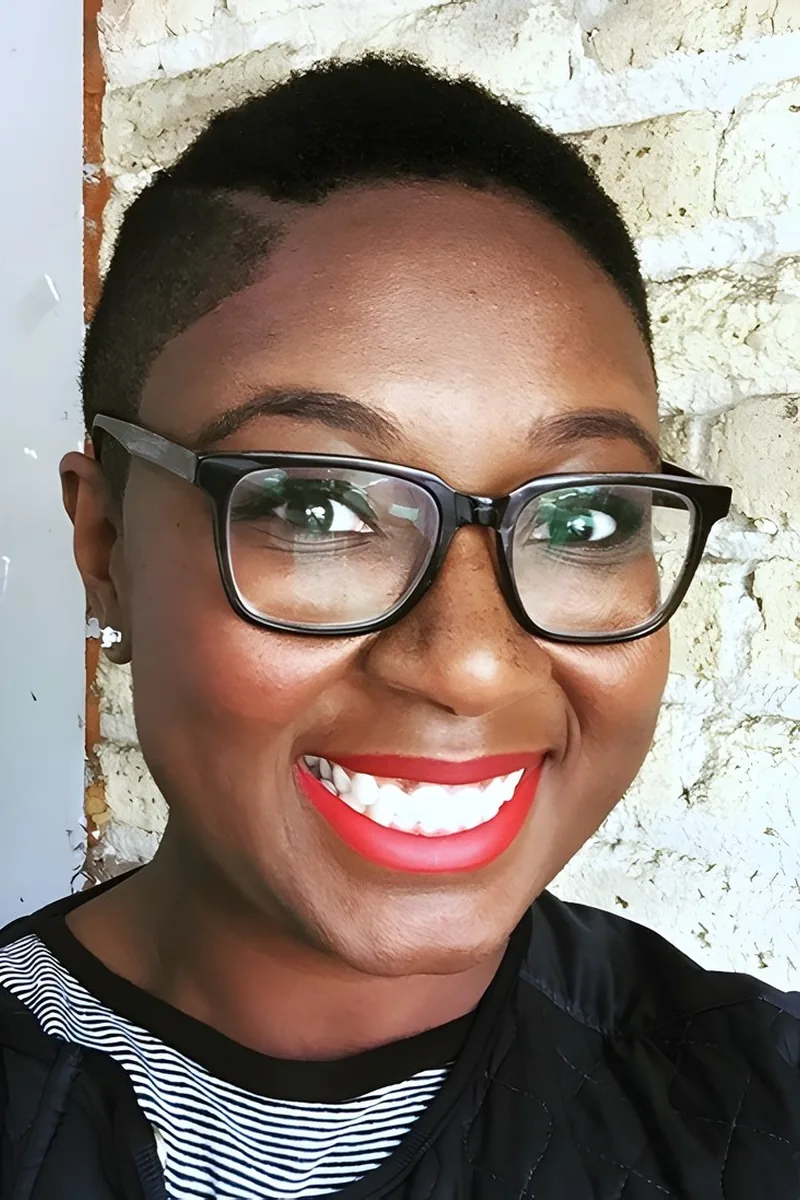
A Princeton Comparative Literature degree and an M.A. in English add up to someone who has spent over a decade inside complex texts — analyzing narrative voice, unpacking symbolism, and constructing interpretive arguments. Brittney teaches English by connecting reading and writing as a single skill: the better a student reads, the sharper their essays become. Her 5.0 rating speaks to how well that integrated approach clicks with students.
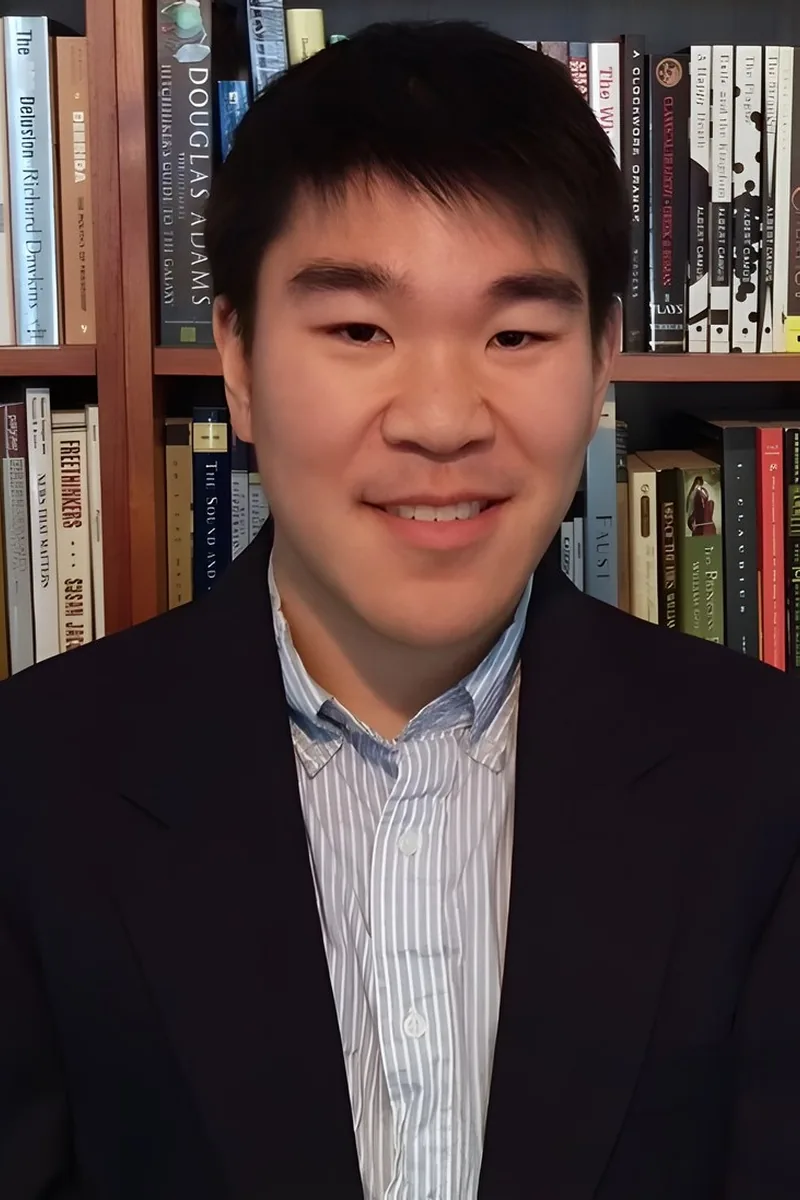
Beyond his science credentials, Dennis has genuine interests in philosophy, literature, and writing that round out his teaching. He tackles English by connecting reading comprehension to analytical thinking — breaking down an author's argument, identifying rhetorical strategies, and constructing clear written responses. His 1450 SAT score speaks to the verbal skills he brings alongside his scientific training.
Reading a poem or short story closely enough to write about it requires a different skill set than just finishing the assigned pages. Lisa unpacks literary devices like symbolism, tone shifts, and narrative structure by asking students to defend their interpretations with textual evidence. Her social-science training sharpens this analytical lens — she treats a text as something to interrogate, not just summarize.
Reading closely and writing clearly are skills Kerr treats as trainable — not innate talents. As a computer science student at Vanderbilt who scored a 36 ACT, he breaks down everything from thesis construction to textual analysis with the same logical precision he applies to code, making abstract English concepts click for students who think they're "just not English people." Rated 4.9 by students.
Between literature analysis, essay editing, and standardized reading prep, Eileen covers English from multiple angles — but her real strength is teaching students how to construct a clear argument on paper. She walks through thesis development, evidence selection, and paragraph transitions in a way that makes the writing process feel systematic instead of overwhelming.
Between her Vanderbilt writing coursework and time living abroad, Heather developed a habit of reading closely and arguing precisely — two skills that anchor every English class from literary analysis to timed essays. She digs into how authors build arguments and craft narratives, then teaches students to do the same in their own writing. Rated 4.9 by students.
Teaching SSAT prep and reading classes for Higher Achievement in D.C. gave Nat hands-on experience walking younger students through close reading, passage analysis, and written argumentation. Now a math and computer science major at Vanderbilt, he brings an unusually logical approach to English — diagramming an author's argument the way he'd trace a proof, which clicks for students who don't think of themselves as 'English people.'
Most students don't struggle with English because they can't read — they struggle because nobody taught them how to build an argument from a text. Rhamy's background spans essay editing, literature analysis, and college application writing, so he tackles English as a set of transferable skills: close reading, thesis construction, and evidence selection. His 5.0 rating comes from making those skills concrete rather than abstract.
Between a political science major, admissions consulting experience, and a TA role for a college history course, Kit spends most of the day reading critically and writing persuasively — the two skills English classes are really testing. Kit teaches students to dissect an author's argument or literary choices, then translate that analysis into essays with clear thesis statements and tight evidence integration.
Reading a novel and actually understanding what an author is doing with structure, tone, and figurative language are two very different skills. Alexander's history and writing background at Vanderbilt sharpened his ability to unpack complex texts, and he applies that same close-reading discipline to poetry, fiction, and nonfiction alike. He scored a 1510 on the SAT, with particular strength in the evidence-based reading and writing sections.
I'm a 24 year old student of life that graduated from Vanderbilt University in 2014. My first experience with tutoring came 5 years ago when I opened a branch of ACT prep tutoring for Revolution Prep. At that time, I taught small classes of 5-9 students and also worked as a private tutor. I absolutely love to learn and am fulfilled by guiding students to reach their maximum potential.
I am a freshman at Vanderbilt University studying biochemistry and involved in analytical chemistry research. Despite my studies being very science oriented, I also enjoy studying English and the humanities. I'd be happy to tutor you in any of these areas!
From phonics and reading comprehension through literary analysis and essay writing, Mary covers the full arc of English skills — and her speech-language pathology background means she understands the cognitive processes behind each one. She unpacks how decoding, vocabulary, and inference work together so students don't just improve in one area but start reading and writing with more confidence across the board.
Between teaching English to elementary students in Korea and pursuing her master's in ESL at Vanderbilt, Christina has spent years figuring out how to make reading comprehension and writing skills accessible to learners at every level. She's especially skilled at scaffolding — building from sentence-level work up to paragraph organization and thesis development so that each step feels manageable rather than overwhelming.
Ruiy's cognitive science background at Vanderbilt gives her an unusual lens on English — she understands how the brain processes language, which shapes how she teaches everything from close reading to thesis construction. Whether a student is untangling a complex passage or structuring an argument, she breaks the task into cognitive steps that make the process repeatable. Rated 5.0 by students.
Between her math minor and her financial economics minor, Megan has written extensively across disciplines — analytical essays, research papers, and policy arguments that each require different approaches to evidence and structure. She teaches students how to build a thesis that actually drives an essay forward, rather than just summarizing what they've read.
Jakobi treats English assignments the way he treats science problems — by breaking them into components and tackling each one systematically. His experience coaching students through ACT English sections and college essays means he's comfortable digging into grammar mechanics, argument structure, and the revision process. A biology major headed to medical school, he brings an analytical precision to writing that resonates with students who don't consider themselves "English people."
Between tutoring college essays and literature, Daniel brings a practical angle to English: every reading and writing skill should make a student a clearer thinker. He digs into thesis construction, close reading of passages, and argument organization, treating each assignment as a chance to sharpen how students express and defend ideas.
A chemistry major who also pursued African American Studies at Vanderbilt, Elsa brings an interdisciplinary lens to English — she's used to reading dense texts closely and constructing clear, evidence-driven arguments across very different disciplines. She tackles everything from thesis development and paragraph structure to close reading strategies that sharpen how students interpret literary and nonfiction texts.
Between AP Literature, AP Language, and college-level writing at Vanderbilt, Leanna has spent years dissecting how authors build arguments and craft narratives. She teaches close reading techniques that show students how to identify tone, rhetorical strategy, and thematic development — skills that transfer directly to stronger analytical essays. Rated 4.9 by students.
Between her English minor and her experience editing everything from personal essays to research papers, Caroline treats English as a subject built on two connected skills: close reading and clear writing. She digs into how authors use tone, structure, and figurative language to build meaning, then shows students how to articulate those observations in their own analytical writing.
I'm pursuing a double major in Mathematics and English at Vanderbilt University. I have been tutoring math since High School and have native proficiency in Mandarin Chinese. I am dedicated to helping students explore the study methods that will fit their individual needs.
Between her history coursework, literature studies, and college essay tutoring, Karen spends most of her academic life inside texts — analyzing arguments, unpacking tone, and structuring written responses. She's especially strong at teaching students how to move from a close reading to a coherent analytical essay, connecting textual evidence to a clear thesis. Holds a 5.0 rating.
Between comparative literature, college essays, and AP history writing, Miah's skill set covers the full range of what English students need: close reading, thesis development, and clear paragraph structure. She digs into how to build an argument from a text — pulling specific evidence, analyzing tone and diction — instead of letting students default to plot summary. Rated 5.0 across her sessions.
An avid reader and writer who lists books and writing among her favorite hobbies, Jamie approaches English as a subject where personal interest is the unlock. She teaches close reading, thesis development, and textual analysis by first finding the angle a student genuinely connects with — a character's motivation, a historical context, a surprising theme — and building analytical skills outward from there. Rated 4.9 by students.
Between her love of reading and her experience with college essays and literature, Elena tackles English by connecting close-reading skills to stronger writing — showing students how to pull a thesis from a text and defend it with specific evidence. Her background in art history also sharpens her ability to teach analytical thinking, since both disciplines demand interpreting meaning from complex source material.
Reading a poem for imagery and reading an argument for logical structure require different tools, and Kaitlyn teaches both. Her Creative Writing and Psychology studies at Vanderbilt give her a dual lens — she can unpack literary devices in a novel one session and coach thesis-driven analytical writing the next. She holds a 5.0 rating from students.
Reading dense scientific literature throughout her graduate program sharpened Katie's ability to analyze arguments, identify an author's purpose, and pull evidence from complex texts. She brings that same analytical lens to English, teaching students how to dissect a passage's structure and craft clear, well-supported written responses.
Between a public policy master's at Maryland and a PhD at Vanderbilt, Zeeshan has written and revised hundreds of thousands of words under rigorous academic scrutiny. He applies that experience to English by teaching students how to build a thesis that actually argues something, select evidence that earns its place in a paragraph, and revise with purpose rather than just fixing surface errors.
Reading a passage and understanding it are two different things, and Marjorie tackles the gap by teaching students to annotate for argument structure — identifying claims, counterarguments, and the evidence connecting them. Her own writing background across literary analysis, persuasive essays, and technical prose means she can coach both the reading and writing sides of English in a single session.
Scoring a 1530 on the SAT required strong command of reading comprehension and analytical writing, and Jacob applies that same precision to English tutoring — whether a student needs to sharpen a thesis statement, unpack a passage's argument, or tighten prose during essay editing. His 5.0 rating speaks to his ability to adapt to what each student actually needs on the page.
Grant's English tutoring spans essay writing, literature analysis, and grammar mechanics, but his real edge is in argumentation — building a thesis, selecting evidence, and structuring paragraphs that actually prove a point. Years of writing-intensive economics coursework trained him to construct clear, logical arguments, a skill he now applies to everything from literary essays to timed writing prompts.
Reading comprehension and analytical writing both improve when a student learns to identify what a text is actually doing — making an argument, building a narrative, establishing tone through word choice. William's dual training in Linguistics and Classics gave him tools for dissecting language at every level, from sentence mechanics to the rhetorical strategies behind a full essay. He carries a 4.9 rating across his subjects.
I am able to create quality, yet comprehensive curriculum for my students that will thrust them to succeed. I am very detailed oriented, creative, and have a passion for ensuring student success. It is my endeavor to combine my range of experience with my wealth of education. This includes being a loving, motivating, supporting, fun, and integral educator who will make a positive contribution to each student. I want to help all students build confidence, which will enhance their self esteem as well as personal values. Reaching this objective will directly reflect in the progression of their academic success.
Ryan approaches English through the lens of argument: every essay is a case to be made, every reading passage is a claim to be evaluated. His background spans literature analysis, essay editing, and college-level writing, so he tackles everything from thesis construction to close reading with a focus on clarity and persuasion.
Studying elementary education at Vanderbilt means Jessica spends her days learning how to teach reading, writing, and grammar from the ground up — phonics through paragraph construction — and then practicing those methods with real students in Nashville classrooms. That training makes her especially sharp at diagnosing where a younger student's writing breaks down, whether it's basic sentence mechanics or trouble connecting ideas across a paragraph. Her 1520 SAT score speaks to her own command of the language she's learning to teach.
Mary's dual masters in education — one in Learning and Design from Vanderbilt, the other in Education alongside her English BA — means she doesn't just know the content but has studied how people actually learn it. That training shows up in how she approaches literary analysis and essay writing, designing explanations around how a specific student thinks rather than defaulting to a one-size-fits-all walkthrough. Rated 5.0 by students.
Running an undergraduate journal club means Tristan regularly teaches students how to read dense material, pull out a central argument, and respond to it in writing — the core skills behind every English assignment. His background in academic publishing sharpens his ability to break down reading comprehension strategies and essay construction at any level.
I'm a first year surgical resident at Vanderbilt University Medical Center in the field of Otolaryngology (Ear, Nose, and Throat). I typically work with medical students while at the hospital, but I'd enjoy tutoring any student with an interest in medicine and/or science. In addition to tutoring in subjects such as the MCAT, ACT, and Biology, I can also assist in application prep for Medical School and Medical Residency.
Engineering training sharpens a particular kind of reading — the ability to identify an argument's structure, spot logical gaps, and synthesize dense material quickly. Allyson applies that same precision to English skills like grammar, essay organization, and close reading of literary texts. Rated 4.9 by students, she's especially effective at teaching clear, thesis-driven writing.
Testimonials
Because the right English tutor makes all the difference.
Average Session Rating – Based on 3.4M Learner Ratings
Nearby English Tutors
Other Nashville Tutors
Related English Tutors in Nashville
Frequently Asked Questions
Tutors working with students in Nashville are familiar with the Tennessee State Standards for English Language Arts and the specific curricula used across the city's five school districts. They assess your student's current level, review their coursework and assignments, and tailor instruction to reinforce classroom learning while addressing individual gaps. This targeted approach helps students build confidence in their core classes while developing stronger writing, reading comprehension, and analytical skills.
Students often struggle with essay organization and thesis development, reading comprehension across different text types, grammar mechanics, and analyzing literature critically. With Nashville's average student-teacher ratio of 18.3:1, classroom teachers have limited time for individualized writing feedback. Personalized tutoring provides the focused practice and detailed feedback that helps students move from understanding concepts to consistently applying them in their own writing.
Expert tutors break down the writing process into manageable steps—from brainstorming and outlining through drafting, revising, and editing. They provide specific, actionable feedback on structure, clarity, and mechanics, then guide students to apply those lessons to new assignments. This cycle of practice, feedback, and revision builds writing skills faster than classroom instruction alone, helping students develop confidence and consistency across different writing formats.
Personalized instruction focuses on teaching active reading strategies—annotation techniques, questioning the text, and identifying key themes—rather than passive reading. Tutors work with students on texts similar to what they're reading in class, modeling analytical thinking and helping students develop their own interpretations supported by textual evidence. Regular practice with guided discussion strengthens both comprehension and the ability to articulate analysis in writing and class discussions.
The first session focuses on assessment and goal-setting. A tutor will discuss your student's strengths, specific challenges, current coursework, and academic goals. They may review recent assignments or test results to understand learning patterns, then create a personalized plan addressing priority areas. This foundation ensures that all subsequent sessions are strategically focused on meaningful improvement.
Yes, tutors connect with students from elementary through high school, adapting their approach to grade-level expectations and developmental readiness. Elementary tutoring might focus on foundational writing skills and reading fluency, while middle school tutoring addresses essay writing and literary analysis. High school tutors prepare students for AP Literature, standardized writing assessments, and college-level writing expectations. Each level builds on previous skills with age-appropriate complexity.
Absolutely. Tutors help students prepare for state assessments, ACT English, SAT Evidence-Based Reading and Writing, and AP Literature and Language exams. They teach test-specific strategies—time management, question analysis, essay structure under pressure—while reinforcing the underlying skills those tests measure. Targeted practice with released test materials and timed writing builds both content knowledge and test-taking confidence.
In a classroom of 18+ students, teachers focus on grade-level standards and whole-class pacing, which means individual learning gaps often go unaddressed. Personalized tutoring allows a tutor to identify exactly where your student struggles—whether it's comma usage, paragraph organization, or textual analysis—and spend focused time on that skill until mastery. This one-on-one approach also provides immediate, detailed feedback on writing and the chance to ask questions without time pressure, accelerating growth that might take months in a classroom setting.
Let’s find your perfect tutor
Answer a few quick questions. We’ll recommend the right plan and match you with a top 5% tutor.