Award-Winning AP European History Tutors
serving Youngstown, OH
AP European History
Tutors in Youngstown
Private 1-on-1 tutoring, weekly live classes for academic support, test prep & enrichment, practice tests and diagnostics, and more to elevate grades and test scores.
Based on 3.4M Learner Ratings
UniversitiesSchools & Universities
DeliveredHours Delivered
ProficiencyGrowth in Proficiency
Who needs tutoring?
No obligation. Takes ~1 minute.
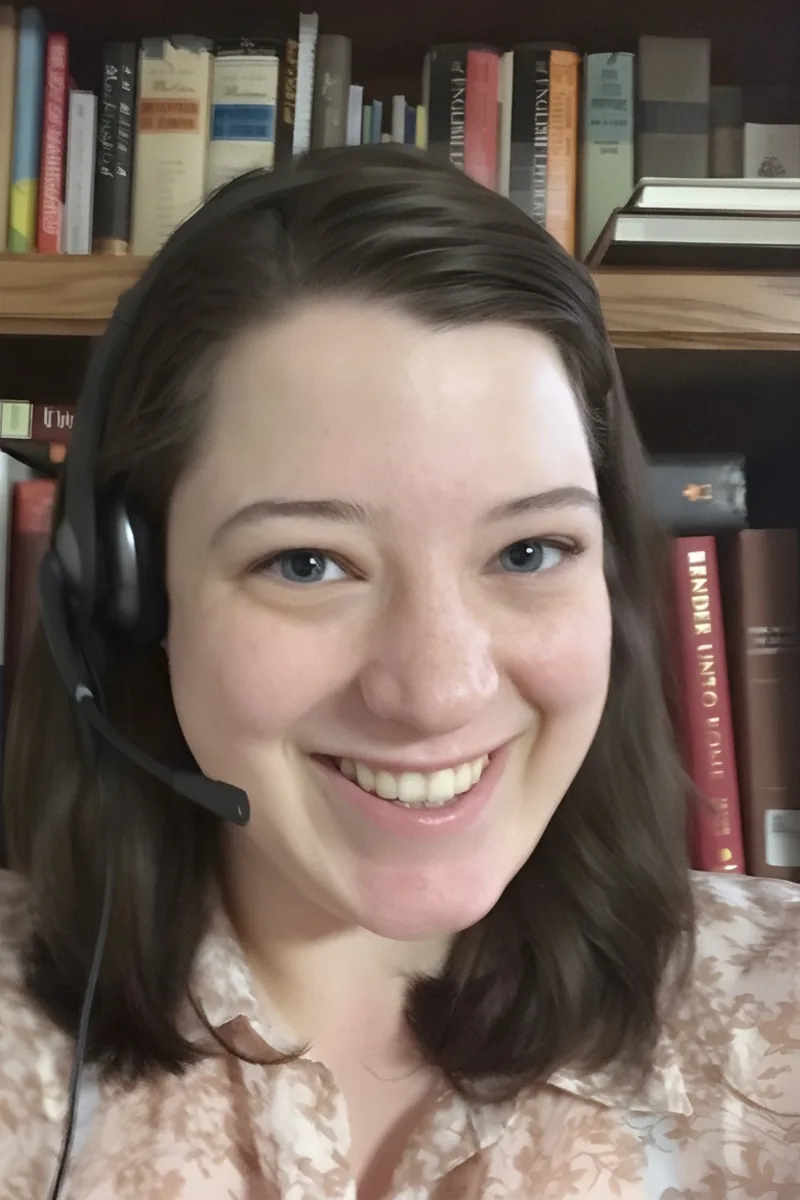
From the Protestant Reformation to the Cold War, AP European History covers centuries of political upheaval, intellectual movements, and economic transformation — and the exam expects students to synthesize all of it into tight, evidence-driven essays. Katherine studied history at Denison University with a focus that sharpened her ability to trace cause-and-effect chains across eras. She breaks down DBQ and LEQ strategies so students know how to build an argument, not just recall dates.

Beth studied history at Allegheny College, where she developed the kind of thematic thinking AP Euro rewards — connecting, say, how mercantilist economic policies fed into both absolutist state-building and the revolutionary backlash against it. She's especially strong at coaching students through the essay-writing side of the exam, breaking down how to turn a thesis and a handful of documents into a persuasive argument under time pressure. Rated 4.8 by students.
I am a rising sophomore at Kenyon College, a small liberal arts school an hour out of Columbus, Ohio, majoring in Philosophy. It is difficult to identify a specialty of mine because I have worked with students from 1st grade through high school on topics ranging from elementary science to trigonometry test prep, but my foremost strength is the three sections of the SAT. I have roughly three years of experience tutoring and last year taught a test prep class. My approach to tutoring is to identify a students strengths and build upon them through frequent quizzes and reflective analysis. Additionally, having just gone through the college admissions process, I am privy to its length and complexity so can lend advice on anything, namely essays. I have plenty of experience writing and have been published in a local newspaper. While I think math is the easiest subject for me to teach, writing and writing skills are my favorite to teach because to see a writers progress is an extraordinary sight and, further, challenge.
Lisa's history degree and published scholarly work mean she's done the kind of primary source analysis and argumentative writing that AP Euro's DBQ and LEQ sections actually test — not just studied it, but practiced it professionally across multiple publications. She zeroes in on teaching students how to build a thesis around periodization and continuity-and-change questions, where vague answers about "what happened" get replaced with precise claims about why it mattered. Rated 4.9 by students.
Scoring well on AP European History means mastering the document-based question, and that's fundamentally an exercise in reading critically and writing persuasively under time pressure. Vivian's dual background in history and English composition is a natural fit — she unpacks primary sources with students, then teaches them to weave that evidence into a coherent, thesis-driven essay. Her 36 ACT reflects the same analytical rigor she brings to European history content from the Renaissance through the Cold War.
**"BYE TO AI" DISCLAIMER: In an environment where tutors use AI to research, plan lessons, and even give students feedback, I have a zero tolerance policy for AI tools and materials, and I commit to NOT using them in our work together whatsoever.** ABOUT ME: Award-winning writer and classical soprano. Bachelor's degree from Vanderbilt University in history; second major in voice; minor in Italian; concentration in musicology. Master's degree from the University of Rochester. Professional editor (both journalistic and creative prose) experienced in the Chicago Manual of Style and AP Style Guide. Areas of specialty include classical music (bel canto vocal instruction, musicology, and music theory), 18th and 19th century American and European history and literature, research skills, creative writing, test prep, and college admissions. My instruction in college essay writing has enabled over 30 students to gain admissions to top schools.
From the Protestant Reformation to the Congress of Vienna to postwar European integration, AP European History covers an enormous arc — and the exam expects students to argue about it, not just recall it. Stephanie earned her history degree at Cornell and is currently a graduate student at Penn, so she approaches each period through the kind of historiographical lens that makes essay responses more sophisticated. She unpacks primary sources with students so they learn to read for perspective and bias, not just content.
From the Renaissance through the Cold War, AP European History covers an enormous arc that the exam tests through causation and continuity-and-change essays. Ryan's approach is to anchor each period around a core tension — religious versus secular authority, nationalism versus empire, market liberalism versus state control — so students can write arguments that connect specifics to larger themes. His economics training is especially useful for unpacking mercantilism, the Industrial Revolution, and postwar integration.
The AP European History exam asks students to do something genuinely hard: synthesize centuries of political, intellectual, and cultural change into a coherent argument in under 40 minutes. Lucy tackles this by teaching students to identify historiographic patterns — the Reformation as both a religious and economic event, for instance — and translate that thinking into tightly structured essays. Her 5.0 rating speaks to how well that approach clicks.
Tessa is double-majoring in both Mathematics and History, which means she's unusually comfortable toggling between quantitative reasoning and the kind of interpretive argumentation AP Euro demands — analyzing how demographic data, trade patterns, or inflation rates shaped events like the Thirty Years' War or the fall of the ancien régime. That analytical rigor shows up in how she teaches essay construction, pushing students to build claims grounded in specific evidence rather than broad narrative summaries. Rated 4.9 by students.
From the Protestant Reformation's political fallout to the ideological roots of the French Revolution, AP European History covers centuries of interconnected change — and the exam expects students to explain those connections in structured, argumentative essays. Ethan unpacks how to handle the SAQ, LEQ, and DBQ formats by teaching students to think in terms of continuity and change over time rather than isolated events. His economics and policy background at UChicago is especially useful for the modern period's questions about industrialization, imperialism, and political ideology.
Arthur's economics degree gives him an unusual angle on AP European History — he naturally gravitates toward the economic engines behind major shifts, whether it's how the Commercial Revolution fueled state consolidation or how interwar hyperinflation destabilized Weimar Germany. That economic lens is especially useful for the LEQ, where students who can weave together political, social, and economic causation consistently outscore those who stick to a single thread. His 36 ACT speaks to the reading and analytical writing chops the exam's document-based questions demand.
AP European History's essay prompts demand that students weave together political, intellectual, and social developments across centuries — the kind of synthesis that requires genuine understanding, not just a timeline. Varun's CLEP preparation in both Western Civilization I and II gave him a structured framework spanning the Renaissance through the Cold War. He teaches students to identify turning points like the Treaty of Westphalia or the Congress of Vienna and explain why they reshaped the European order.
Richard's government degree from Harvard built the kind of analytical muscle AP Euro rewards — tracing how political institutions, ideological movements, and power struggles shaped each other across centuries, from absolutist monarchies to modern democracies. His coursework in philosophy and politics gives him a natural feel for the intellectual history that dominates the exam, whether it's unpacking Montesquieu's influence on constitutional thought or the ideological fault lines behind 1848's revolutions. He scored a 1600 SAT and 36 ACT, signaling the reading comprehension and argumentative precision the DBQ demands.
From the Protestant Reformation to the Congress of Vienna to decolonization, AP European History covers centuries of political, intellectual, and social change at a pace that overwhelms most students. Blake's history degree gives him the content depth to connect these threads, and he zeroes in on the skill AP graders actually reward: crafting a thesis that takes a defensible position and supports it with precise historical evidence.
Testimonials
Because the right AP European History tutor makes all the difference.
Average Session Rating – Based on 3.4M Learner Ratings
Practice AP European History
Free practice tests, flashcards, and AI tutoring for AP European History
Other Youngstown Tutors
Related Social Studies Tutors in Youngstown
Frequently Asked Questions
Varsity Tutors matches Youngstown students with expert AP European History tutors for 1-on-1 instruction. We pair each student with a tutor based on their specific needs, learning style, and goals.
Whether you need homework help, exam prep, or want to get ahead, our AP European History tutors are ready to help.
Common challenges include gaps from earlier material, difficulty with specific concepts, and trouble applying learning to new problems. These issues can snowball quickly in AP European History.
A tutor identifies where you're stuck, fills in gaps, and provides targeted practice. The 1-on-1 format means you get help exactly where you need it.
Tutors work with your student's actual coursework—homework assignments, class notes, and upcoming tests. This keeps tutoring directly relevant to what's happening in the classroom.
When you share information about your student's school and curriculum, we can match you with a tutor who has relevant experience.
All tutors complete background checks, credential verification, and teaching evaluation. Many of our AP European History tutors hold advanced degrees or have years of teaching experience.
You can review tutor profiles to find someone with the right background for your student's level and needs.
Many students see improved grades within a few weeks, along with better understanding of AP European History concepts and more confidence tackling challenging material.
Tutors track progress and adjust their approach to ensure continued improvement.
Most students benefit from 1-2 sessions per week. More frequent sessions help if your student is significantly behind or has an important exam coming up.
Your tutor can recommend a schedule based on your student's specific situation and goals.
Tutoring is purchased in packages of hours, with rates varying by tutor experience. Varsity Tutors offers several options to fit different budgets and needs.
You can discuss pricing during your consultation to find what works best.
Your tutor will assess where your student is, discuss goals, and start working on priority areas. Most students bring current homework or upcoming test material to focus on.
By the end, you'll have a clear sense of how the tutor can help and a plan for moving forward.
Let’s find your perfect tutor
Answer a few quick questions. We’ll recommend the right plan and match you with a top 5% tutor.