Award-Winning AP European History Tutors
serving Columbus, OH
AP European History
Tutors in Columbus
Private 1-on-1 tutoring, weekly live classes for academic support, test prep & enrichment, practice tests and diagnostics, and more to elevate grades and test scores.
Based on 3.4M Learner Ratings
UniversitiesSchools & Universities
DeliveredHours Delivered
ProficiencyGrowth in Proficiency
Who needs tutoring?
No obligation. Takes ~1 minute.
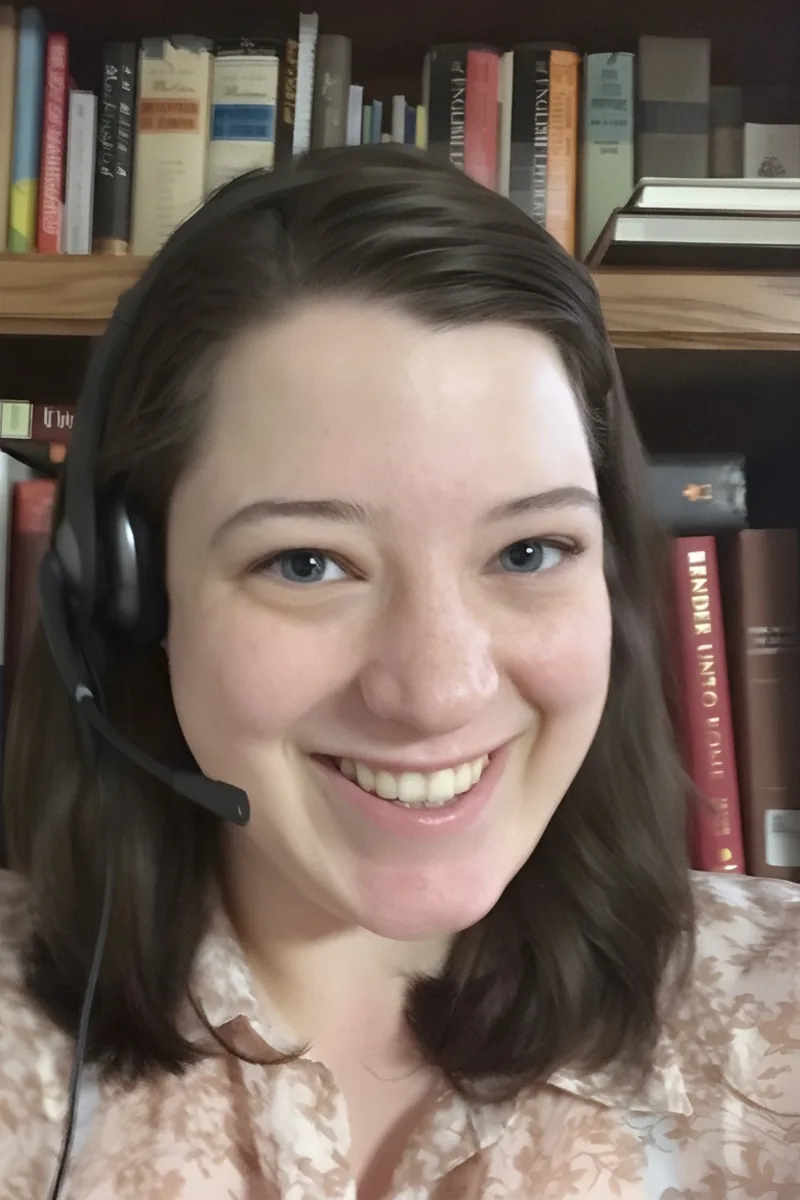
From the Protestant Reformation to the Cold War, AP European History covers centuries of political upheaval, intellectual movements, and economic transformation — and the exam expects students to synthesize all of it into tight, evidence-driven essays. Katherine studied history at Denison University with a focus that sharpened her ability to trace cause-and-effect chains across eras. She breaks down DBQ and LEQ strategies so students know how to build an argument, not just recall dates.

Beth studied history at Allegheny College, where she developed the kind of thematic thinking AP Euro rewards — connecting, say, how mercantilist economic policies fed into both absolutist state-building and the revolutionary backlash against it. She's especially strong at coaching students through the essay-writing side of the exam, breaking down how to turn a thesis and a handful of documents into a persuasive argument under time pressure. Rated 4.8 by students.
I am a rising sophomore at Kenyon College, a small liberal arts school an hour out of Columbus, Ohio, majoring in Philosophy. It is difficult to identify a specialty of mine because I have worked with students from 1st grade through high school on topics ranging from elementary science to trigonometry test prep, but my foremost strength is the three sections of the SAT. I have roughly three years of experience tutoring and last year taught a test prep class. My approach to tutoring is to identify a students strengths and build upon them through frequent quizzes and reflective analysis. Additionally, having just gone through the college admissions process, I am privy to its length and complexity so can lend advice on anything, namely essays. I have plenty of experience writing and have been published in a local newspaper. While I think math is the easiest subject for me to teach, writing and writing skills are my favorite to teach because to see a writers progress is an extraordinary sight and, further, challenge.
Lisa's history degree and published scholarly work mean she's done the kind of primary source analysis and argumentative writing that AP Euro's DBQ and LEQ sections actually test — not just studied it, but practiced it professionally across multiple publications. She zeroes in on teaching students how to build a thesis around periodization and continuity-and-change questions, where vague answers about "what happened" get replaced with precise claims about why it mattered. Rated 4.9 by students.
Patrick is completing his PhD in Modern European History at Rutgers, which means he doesn't just teach the AP Euro curriculum — he lives in the primary sources, historiographical debates, and periodization that the exam tests. His exchange year at the École Normale Supérieure in Paris deepened his command of topics like the French Revolution, Enlightenment thought, and Cold War diplomacy. He also worked at the Educational Testing Service developing standardized exams, so he understands how AP questions are constructed from the inside.
From mercantilism to the Marshall Plan, AP European History is packed with economic forces driving political upheaval. Dana's deep background in economics lets her explain why the Commercial Revolution reshaped class structures or how hyperinflation destabilized Weimar Germany in ways that make the cause-and-effect reasoning on DBQs click. She also coaches students on sourcing and contextualization skills that earn the analysis points.
From the Protestant Reformation to the Congress of Vienna to EU integration, AP European History covers an enormous arc — and the exam expects students to argue about it, not just narrate it. Ben's history degree and classroom teaching experience mean he can walk students through how to identify causation and contextualization in document sets, turning a pile of sources into a coherent, well-evidenced essay.
From the Renaissance papacy to the Berlin Conference, AP European History asks students to trace how power, culture, and economics reshaped an entire continent. Julia approaches each unit by identifying the arguments historians actually debate — why the Reformation spread where it did, or whether industrialization improved living standards — and teaches students to engage those debates in their essays.
Film production trains you to think about narrative — why events unfold the way they do, what forces are in tension, and how to structure a compelling story from raw material. Justine applies that same storytelling instinct to AP European History, teaching students to build essay arguments that read as coherent narratives of cause and effect rather than disconnected lists of dates and treaties. Her strong writing background (1500 SAT) makes her especially useful for students who understand the content but struggle to translate it into the structured, thesis-driven responses the exam demands.
Studying European history at Vanderbilt alongside her education degree means Jessica isn't just learning pedagogy — she's actively immersed in the content AP Euro covers, from absolutism and revolutionary movements to twentieth-century ideological conflict. That dual focus gives her a practical edge when it comes to breaking down how the exam's periodization works and what kinds of historical reasoning each question type actually rewards. Rated 4.5 by students.
From the Protestant Reformation to the Congress of Vienna to decolonization, AP European History covers centuries of political, intellectual, and social change at a pace that overwhelms most students. Blake's history degree gives him the content depth to connect these threads, and he zeroes in on the skill AP graders actually reward: crafting a thesis that takes a defensible position and supports it with precise historical evidence.
I am most passionate about helping people learn history, social sciences, and mathematics. I also assist with standardized test prep, primarily with the Reading and Writing sections of the exams. In my spare time, I enjoy photography, hiking and other outdoor activities, and reading about philosophy, evolutionary biology, and human history.
From the Renaissance through the Cold War, AP European History demands that students track political, intellectual, and cultural developments simultaneously. Samantha unpacks how movements like the Enlightenment or industrialization reshaped entire societies, and she drills the document-analysis and essay-construction skills that separate a 3 from a 5.
From the Renaissance patronage system to the ideological fractures of the Cold War, AP European History covers an enormous sweep that rewards students who can think thematically rather than chronologically. Laura's own deep reading in art, literature, and cultural history gives her a way into the material that connects political shifts to the cultural moments students can actually visualize and remember.
Studying social services administration at the University of Chicago means Kathleen is steeped in the institutional and policy frameworks that grew directly out of European history — welfare states, labor movements, the political responses to industrialization and inequality that AP Euro exams love to test. She brings that lens to tutoring, teaching students to read social and political upheaval as interconnected systems rather than isolated events. Rated 5.0 by students.
Testimonials
Because the right AP European History tutor makes all the difference.
Average Session Rating – Based on 3.4M Learner Ratings
Practice AP European History
Free practice tests, flashcards, and AI tutoring for AP European History
Other Columbus Tutors
Related Social Studies Tutors in Columbus
Frequently Asked Questions
The AP European History exam covers European history from approximately 1450 to the present, organized around six major themes: intellectual and cultural developments, individual and society, states and other institutions of power, interactions between peoples and cultures, technological and economic associations, and individual and collective identities. The exam includes multiple-choice questions, short-answer questions, document-based essays, and long-essay questions that test your ability to analyze primary sources, identify historical patterns, and construct evidence-based arguments across different time periods and regions.
Score improvement depends on your starting point and study consistency, but students who work with tutors typically see meaningful gains by focusing on their specific weak areas—whether that's analyzing primary documents, managing essay timing, or mastering particular historical periods. Many students improve by 1-2 score points (on the 1-5 scale) when they receive personalized instruction that targets their gaps and teaches effective test-taking strategies. The key is starting early enough to build deep content knowledge and practice under timed conditions.
Students often struggle with three main areas: managing the sheer volume of content across 500+ years of history, analyzing primary source documents effectively within time constraints, and constructing thesis-driven essays that go beyond simple fact recitation. Many also find it challenging to connect events across different time periods and regions, which is essential for earning higher scores. Personalized tutoring helps you develop organizational strategies, practice document analysis techniques, and build confidence in your historical reasoning skills.
The 3-hour exam requires careful pacing: you'll have about 55 minutes for the 55 multiple-choice questions, 50 minutes for three short-answer questions, and 100 minutes for the document-based essay and long essay combined. Many students lose points by spending too much time on difficult multiple-choice questions or rushing through essays without planning. Working with a tutor on timed practice tests helps you develop a sustainable pace, learn when to skip and return to questions, and practice outlining essays quickly without sacrificing quality.
Strong document analysis requires identifying the document's author, date, purpose, and intended audience before making historical claims based on its content. Practice breaking down documents systematically—ask yourself what the author is arguing, why they're making that argument, and how it connects to broader historical themes. Tutors can walk you through this process repeatedly with actual AP documents, help you avoid common pitfalls like over-interpreting sources or ignoring historical context, and teach you how to cite documents effectively in your essays to earn higher scores.
Both the document-based essay and long essay require a clear, historically defensible thesis statement in your introduction, followed by body paragraphs that use specific evidence (dates, events, names, documents) to support your argument rather than just summarizing history. Before writing, spend 2-3 minutes planning your thesis and main points so your essay stays focused and organized. Tutors can help you practice thesis development, learn to distinguish between strong and weak historical arguments, and develop editing strategies so you catch errors and strengthen your evidence before time runs out.
Ideally, you'll begin focused exam preparation 8-12 weeks before the test in May, though starting earlier gives you more flexibility to work through challenging topics without rushing. If you're already in spring, even 4-6 weeks of consistent tutoring can help you solidify weak areas and practice test-taking strategies. The most effective approach combines regular tutoring sessions with independent practice tests—this spaced repetition helps you retain information and build confidence in your ability to apply historical knowledge under timed conditions.
Varsity Tutors connects you with tutors who have deep expertise in AP European History and understand exactly what the exam requires. When getting matched with a tutor, look for someone with a strong track record helping students prepare for this specific exam, familiarity with recent AP test formats and scoring rubrics, and the ability to teach both content mastery and test-taking strategy. Your tutor should be able to assess your current strengths and weaknesses early on, then create a personalized study plan that focuses on the areas where you'll gain the most points.
Let’s find your perfect tutor
Answer a few quick questions. We’ll recommend the right plan and match you with a top 5% tutor.