Award-Winning AP European History Tutors
serving Cincinnati, OH
AP European History
Tutors in Cincinnati
Private 1-on-1 tutoring, weekly live classes for academic support, test prep & enrichment, practice tests and diagnostics, and more to elevate grades and test scores.
Based on 3.4M Learner Ratings
UniversitiesSchools & Universities
DeliveredHours Delivered
ProficiencyGrowth in Proficiency
Who needs tutoring?
No obligation. Takes ~1 minute.
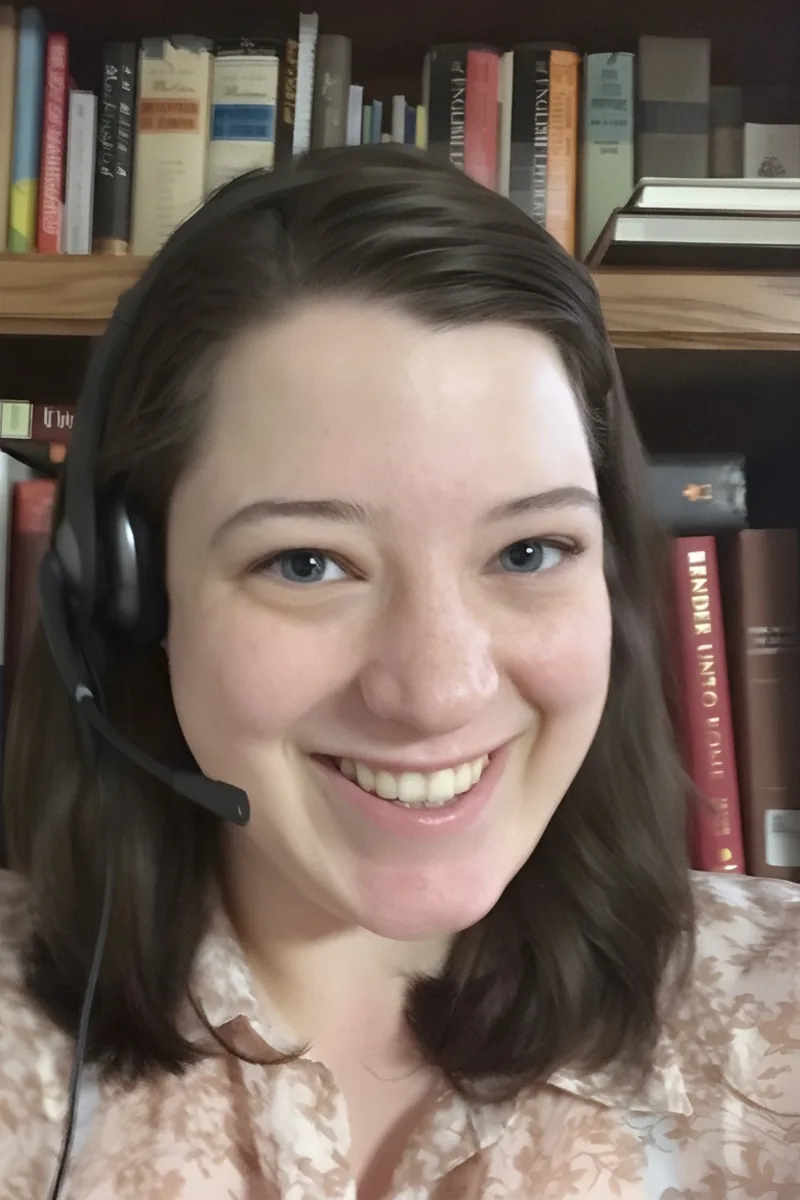
From the Protestant Reformation to the Cold War, AP European History covers centuries of political upheaval, intellectual movements, and economic transformation — and the exam expects students to synthesize all of it into tight, evidence-driven essays. Katherine studied history at Denison University with a focus that sharpened her ability to trace cause-and-effect chains across eras. She breaks down DBQ and LEQ strategies so students know how to build an argument, not just recall dates.

Beth studied history at Allegheny College, where she developed the kind of thematic thinking AP Euro rewards — connecting, say, how mercantilist economic policies fed into both absolutist state-building and the revolutionary backlash against it. She's especially strong at coaching students through the essay-writing side of the exam, breaking down how to turn a thesis and a handful of documents into a persuasive argument under time pressure. Rated 4.8 by students.
I am a rising sophomore at Kenyon College, a small liberal arts school an hour out of Columbus, Ohio, majoring in Philosophy. It is difficult to identify a specialty of mine because I have worked with students from 1st grade through high school on topics ranging from elementary science to trigonometry test prep, but my foremost strength is the three sections of the SAT. I have roughly three years of experience tutoring and last year taught a test prep class. My approach to tutoring is to identify a students strengths and build upon them through frequent quizzes and reflective analysis. Additionally, having just gone through the college admissions process, I am privy to its length and complexity so can lend advice on anything, namely essays. I have plenty of experience writing and have been published in a local newspaper. While I think math is the easiest subject for me to teach, writing and writing skills are my favorite to teach because to see a writers progress is an extraordinary sight and, further, challenge.
From the Renaissance through the Cold War, AP European History demands that students trace political, intellectual, and economic developments across centuries while writing tightly argued essays under pressure. Rayhan's Duke history training gave him deep familiarity with European historiography, and his classroom teaching experience means he knows how to make the Reformation or the Congress of Vienna click for students preparing for the AP exam.
From the Renaissance through the Cold War, AP European History covers an enormous arc that the exam tests through causation and continuity-and-change essays. Ryan's approach is to anchor each period around a core tension — religious versus secular authority, nationalism versus empire, market liberalism versus state control — so students can write arguments that connect specifics to larger themes. His economics training is especially useful for unpacking mercantilism, the Industrial Revolution, and postwar integration.
Paul earned his master's in history from Brandeis and his bachelor's from Wisconsin-Madison, where he studied both history and political science — a combination that built the kind of multi-causal reasoning AP Euro essays reward, whether the prompt asks about the political fallout of the Thirty Years' War or the intellectual roots of nineteenth-century liberalism. He's particularly strong at teaching students how to organize overwhelming amounts of content into the periodization frameworks and continuity-and-change arguments the College Board actually scores for.
From the Renaissance patronage system to the ideological fractures of the Cold War, AP European History covers an enormous sweep that rewards students who can think thematically rather than chronologically. Laura's own deep reading in art, literature, and cultural history gives her a way into the material that connects political shifts to the cultural moments students can actually visualize and remember.
From the Congress of Vienna to European integration, AP European History requires students to trace how political, economic, and intellectual forces reshaped an entire continent. Mat minored in History at NYU and has traveled extensively through Europe, which gives him a firsthand sense of the cultural contexts behind events like the Reformation or the rise of nationalism. He teaches students to write DBQs that build arguments rather than just summarize documents.
Winston treats history like a conversation — he'll crack a joke about Charles V's impossible empire or debate whether the Congress of Vienna actually worked, because that back-and-forth is how students internalize the kind of argumentation AP Euro essays demand. His history degree and 5.0 rating come from making periods like the Reformation or the age of revolutions feel like live debates rather than chapters to slog through.
Christian's political science degree gives him a structural lens for the power struggles that run through AP Euro — whether it's the consolidation of absolutist monarchies, the ideological clashes of the French Revolution, or the Cold War division of the continent. He teaches students to read those events as political arguments rather than isolated facts, which is exactly the kind of thinking that translates into strong exam essays.
From the Protestant Reformation to the Congress of Vienna to postwar European integration, AP European History covers an enormous arc — and the exam expects students to argue about it, not just recall it. Stephanie earned her history degree at Cornell and is currently a graduate student at Penn, so she approaches each period through the kind of historiographical lens that makes essay responses more sophisticated. She unpacks primary sources with students so they learn to read for perspective and bias, not just content.
Andrew's history and political science degree built the exact skill set AP Euro essays demand — constructing causal arguments about how power, ideology, and institutions collided across periods like the Reformation, the age of revolutions, or the twentieth-century world wars. He's particularly strong at teaching students who struggle with the sheer volume of content how to organize it into the thematic patterns the College Board actually tests, rather than trying to memorize every date and treaty.
From the Protestant Reformation to the Congress of Vienna to post-WWII integration, AP European History demands that students trace ideological shifts across centuries. Solange's IB program at Coral Reef immersed her in exactly this kind of analytical history, and she brings a knack for turning dense political and intellectual movements into clear cause-and-effect chains that stick on exam day.
Amir's International Relations degree, with its concentration in Business and Economics, trained him to trace how trade policies, diplomatic alliances, and ideological rivalries reshaped the European continent — exactly the kind of connective thinking AP Euro rewards on the LEQ and DBQ. He's particularly strong on the economic and diplomatic dimensions of topics like mercantilism, the Congress of Vienna, and post-WWII European integration, where students often struggle to move beyond surface-level narrative. His 33 ACT reflects the reading comprehension and analytical writing skills the exam's document-based questions demand.
AP European History's essay prompts demand that students weave together political, intellectual, and social developments across centuries — the kind of synthesis that requires genuine understanding, not just a timeline. Varun's CLEP preparation in both Western Civilization I and II gave him a structured framework spanning the Renaissance through the Cold War. He teaches students to identify turning points like the Treaty of Westphalia or the Congress of Vienna and explain why they reshaped the European order.
Testimonials
Because the right AP European History tutor makes all the difference.
Average Session Rating – Based on 3.4M Learner Ratings
Practice AP European History
Free practice tests, flashcards, and AI tutoring for AP European History
Other Cincinnati Tutors
Related Social Studies Tutors in Cincinnati
Frequently Asked Questions
Score improvement depends on your starting point and how consistently you engage with tutoring. Students typically see meaningful gains by focusing on their weakest areas—whether that's essay writing, document analysis, or specific historical periods. A tutor can help you identify gaps in your knowledge, teach you the AP exam's specific rubrics, and build test-taking strategies that maximize your score potential.
The main challenges are managing the sheer volume of content (roughly 1,000 years of history), mastering the free-response essay formats (DBQ and LEQ), and developing strong document analysis skills. Many students also struggle with periodization, connecting events across centuries, and understanding cause-and-effect relationships. Personalized tutoring helps you build these skills systematically rather than trying to memorize everything.
Your first session focuses on assessment and planning. A tutor will review your current understanding of AP European History content, identify your strongest and weakest areas, and discuss your score goals. From there, you'll create a customized study plan that targets your specific needs—whether that's improving essay writing, strengthening document analysis, or building confidence with particular time periods.
The AP exam requires two types of essays—the Document-Based Question (DBQ) and the Long Essay Question (LEQ)—each with specific rubrics and time constraints. A tutor can teach you how to structure strong thesis statements, analyze documents effectively, use historical evidence precisely, and manage your time during the exam. Practice with real prompts and detailed feedback on your writing is key to improvement.
Most students benefit from starting tutoring several months before the exam (typically January or February for the May test). This gives you time to fill content gaps, practice essays, and build test-taking confidence. Even if you're closer to exam day, targeted tutoring on your weakest areas can still make a meaningful difference in your score.
Practice tests are essential—they help you understand the exam format, identify weak areas, and build stamina for the 3-hour exam. Taking full-length practice tests under timed conditions shows you where you need to focus. A tutor can review your practice test results with you, pinpoint patterns in your mistakes, and help you develop strategies to avoid those errors on test day.
Look for tutors with strong knowledge of European history and proven experience teaching AP-level content. Ideally, they've worked with AP European History students before and understand the exam's specific requirements—including the rubrics for essays and the types of documents you'll encounter. Varsity Tutors connects you with expert tutors who can help you master both content and test-taking strategies.
Cincinnati has excellent libraries and museums—including the Cincinnati Museum Center—that offer historical context and primary source materials. Your school's AP coordinator and history department can also provide practice materials and guidance. Personalized tutoring works best when combined with these resources, helping you connect classroom learning with deeper historical understanding.
Let’s find your perfect tutor
Answer a few quick questions. We’ll recommend the right plan and match you with a top 5% tutor.