Award-Winning Phonics Tutors
serving Raleigh, NC
Phonics
Tutors in Raleigh
Private 1-on-1 tutoring, weekly live classes for academic support, test prep & enrichment, practice tests and diagnostics, and more to elevate grades and test scores.
Based on 3.4M Learner Ratings
UniversitiesSchools & Universities
DeliveredHours Delivered
ProficiencyGrowth in Proficiency
Who needs tutoring?
No obligation. Takes ~1 minute.
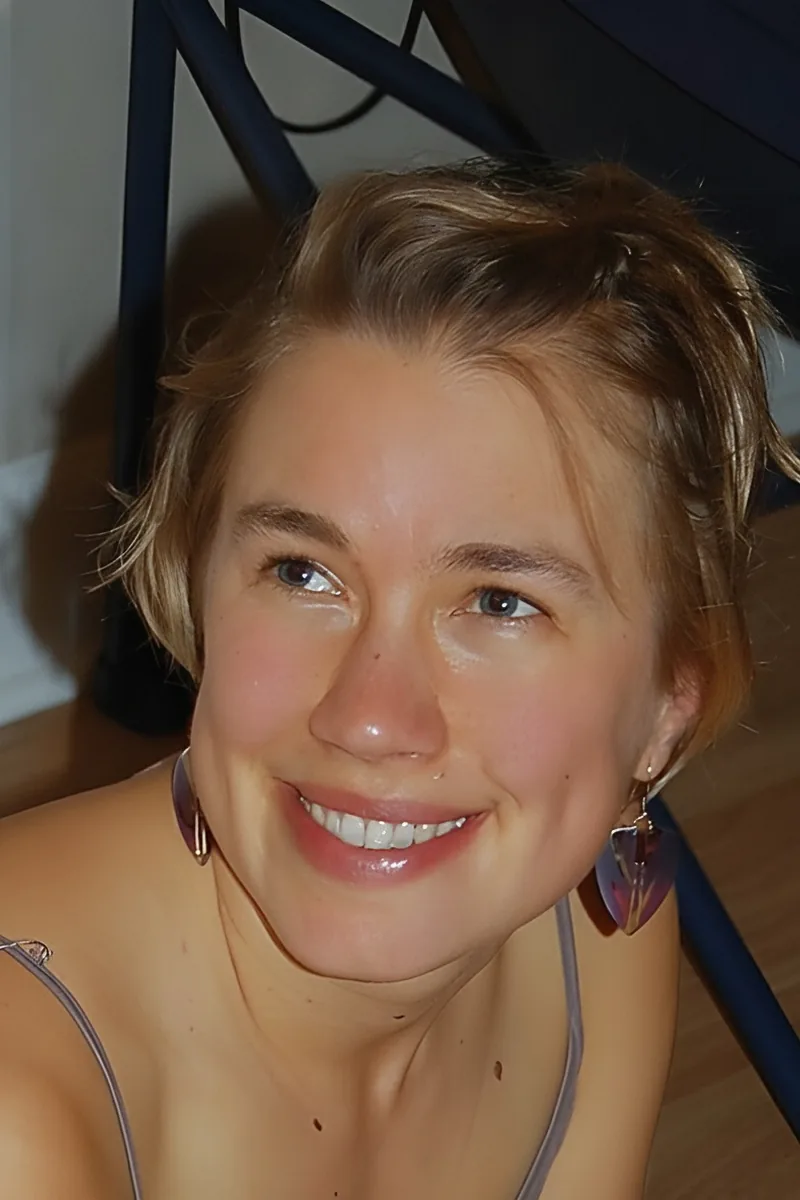
Teaching phonics well requires understanding exactly where a child's decoding breaks down — whether it's blending consonant clusters, distinguishing long and short vowel patterns, or tackling irregular sight words. Sonja's special education training at NC State gave her systematic, evidence-based strategies for each of these sticking points. She's rated 5.0 by the families she's worked with.

Early readers need to hear the link between letters and sounds before they can decode words on their own — that's what phonics instruction is really about. Ritu uses a systematic approach, introducing consonant blends, vowel teams, and sight words in a sequence that builds decoding confidence one step at a time.
Early readers need to crack the code between letters and sounds before anything else clicks. Maha teaches phonemic awareness, blending, and decoding strategies with patience and creativity, building the skills that turn sounding out words into confident, fluent reading.
Early readers need to crack the code between letters and sounds before anything else clicks — blending consonant clusters, recognizing long and short vowel patterns, decoding unfamiliar words syllable by syllable. Christine takes a patient, structured approach to phonics that turns these building blocks into real reading confidence.
Early readers need to crack the code between letters and sounds before fluency can follow. Lane walks learners through blending, segmenting, and vowel patterns — the building blocks that turn sounding out words into automatic recognition. His patient, structured approach keeps young readers confident as they move from simple CVC words to more complex multisyllabic decoding.
Strong reading starts with decoding — understanding how letter combinations map to sounds and how those sounds build into words. Christopher brings patience and structure to phonics instruction, working through blends, digraphs, and vowel patterns in a way that builds real fluency over time. His broad humanities background makes him especially good at connecting phonics drills to actual reading and storytelling, keeping young learners engaged.
Teaching phonics well means knowing exactly where a child's decoding breaks down — whether it's blending consonant clusters, distinguishing long and short vowel patterns, or tackling silent-e rules. Nicole taught K-5 students in small group settings through AmeriCorps, giving her hands-on experience adapting phonics instruction to each learner's reading level. She makes sounding out words feel like puzzle-solving rather than a chore.
Early readers need someone who can make the connection between letters and sounds feel intuitive, not mechanical. Ava's education minor included coursework on how children learn to decode language, and she applies that knowledge when teaching blending, segmenting, and sight-word recognition. She adapts her pacing and activities to each learner's level, turning phonics practice into something that builds genuine confidence.
During her three years as a 1st through 3rd grade classroom teacher with Teach for America, Victoria taught phonics daily — blending, segmenting, digraphs, vowel teams, all of it. That hands-on experience means she can spot exactly where a young reader's decoding is breaking down and adjust her approach on the spot.
Teaching phonics effectively means building a child's ability to connect letter patterns to sounds in a systematic, confidence-building sequence — blends, digraphs, vowel teams, and eventually multisyllabic decoding. Varuna's experience tutoring students as young as first grade gives her a feel for pacing these skills so early readers don't get overwhelmed. She keeps sessions interactive and uses repetition that feels like play rather than drill.
Years of teaching ESL and TOEFL pronunciation gave Brenda a finely tuned sense of where English sound-spelling connections break down — the same skill that makes phonics instruction effective for beginning readers. She breaks syllable patterns and consonant blends into small, repeatable steps, building in movement and short resets to keep young learners focused before frustration sets in.
Cognitive science research on how the brain processes language directly informs how Ruiy teaches phonics — she understands the difference between phonemic awareness and phonics instruction and why both matter for early readers. She uses systematic decoding exercises that build from individual letter-sound relationships to blending consonant clusters and recognizing common vowel patterns like silent-e and vowel teams.
Teaching Pre-K through 5th grade for years means JeKaya has watched hundreds of early readers move from recognizing individual letter sounds to blending them into words — and she knows exactly where that process tends to stall, whether it's vowel teams or tricky consonant clusters. Her master's in education and ESL/ELL experience also sharpen her ability to teach sound-letter mapping to children whose home language may not share English's vowel system.
Growing up bilingual in French and English gave Romeo an intuitive understanding of how sounds map to letters across different phonetic systems. He breaks down blending, segmenting, and vowel patterns in ways that make early readers feel confident tackling unfamiliar words.
Early readers need to hear and manipulate individual sounds before printed words start making sense, and that's exactly where phonics instruction begins. Jeanette teaches letter-sound correspondence, blending, and segmenting through structured, repetitive practice that builds genuine decoding skills. Her patience and psychology training make her especially attuned to how young learners process new information.
Theater training at Northwestern's School of Communications gave Harry an unusually sharp ear for how sounds are produced and shaped — skills he developed for stage performance that translate directly to teaching kids how individual phonemes map to letters and letter combinations. He uses vocal exercises and playful repetition to make blending and segmenting feel more like a game than a drill, which keeps young readers engaged through the trickiest vowel patterns.
Early readers need to crack the code connecting letters to sounds before anything else clicks. Yan has spent years in elementary classrooms teaching phonemic awareness, blending, and decoding — the building blocks that turn letter recognition into actual reading fluency. She sequences lessons carefully so each new phonics pattern builds naturally on what a child already knows.
Testimonials
Because the right Phonics tutor makes all the difference.
Average Session Rating – Based on 3.4M Learner Ratings
Other Raleigh Tutors
Related English Tutors in Raleigh
Frequently Asked Questions
Phonics is the method of teaching students to read by connecting letters and letter combinations with their sounds, then blending those sounds into words. It's foundational because it gives students the tools to decode unfamiliar words independently and build fluency. Research consistently shows that explicit phonics instruction is one of the most effective ways to help beginning readers develop strong literacy skills.
Most children benefit from phonics instruction starting in kindergarten or early first grade, around ages 5-6, though readiness varies. Some students may benefit from pre-phonics activities like letter recognition and phonemic awareness in preschool. A tutor can assess your child's current skills and determine the right starting point, regardless of age or grade level.
Personalized 1-on-1 phonics instruction allows tutors to identify exactly where a student is getting stuck—whether it's letter-sound correspondence, blending, or applying phonics to real reading—and target those specific gaps. In a classroom with a 13.2:1 student-teacher ratio like many Raleigh schools, struggling readers often need more individualized practice and feedback to build confidence. Regular tutoring sessions with targeted practice can accelerate progress and prevent reading difficulties from compounding.
Yes. Tutors work with students across all 17 school districts in the Raleigh area and understand local curriculum standards and pacing. Before starting, a tutor will learn about your child's school materials, current level, and learning goals so instruction complements classroom work rather than duplicating it. This coordinated approach reinforces skills and helps students apply what they're learning in tutoring sessions to their schoolwork.
Absolutely. While phonics starts with basic letter-sound relationships, it extends to more complex patterns like consonant blends, digraphs, vowel teams, and syllable types. As students progress, phonics tutoring can address multisyllabic word decoding, morphology (prefixes and suffixes), and how phonics connects to spelling and writing. A tutor can scaffold instruction to match your child's current level and gradually build toward fluency and comprehension.
The first session is typically an assessment and planning meeting. A tutor will get to know your child, observe their current phonics skills, and ask about their reading history, interests, and learning style. This information helps the tutor create a personalized plan with realistic goals and a recommended frequency of sessions. You'll also discuss what to expect moving forward and how to track progress.
Tutors typically recommend short, consistent practice at home—even 10-15 minutes a few times per week makes a difference. This might include reviewing letter-sound cards, reading decodable books together, or practicing specific phonics patterns the tutor introduces. Your tutor will suggest activities tailored to your child's level and interests, and parents don't need to be reading experts to support this practice; following the tutor's guidance is key.
Look for tutors with training in structured literacy or evidence-based phonics approaches, and ideally experience working with students at your child's age or grade level. Many tutors have backgrounds in education, speech-language pathology, or reading specialization. When you connect with a tutor through Varsity Tutors, you can review their background and experience before your first session to ensure they're a good fit for your child's needs.
Let’s find your perfect tutor
Answer a few quick questions. We’ll recommend the right plan and match you with a top 5% tutor.