Award-Winning Literature Tutors
serving Raleigh, NC
Literature
Tutors in Raleigh
Private 1-on-1 tutoring, weekly live classes for academic support, test prep & enrichment, practice tests and diagnostics, and more to elevate grades and test scores.
Based on 3.4M Learner Ratings
UniversitiesSchools & Universities
DeliveredHours Delivered
ProficiencyGrowth in Proficiency
Who needs tutoring?
No obligation. Takes ~1 minute.
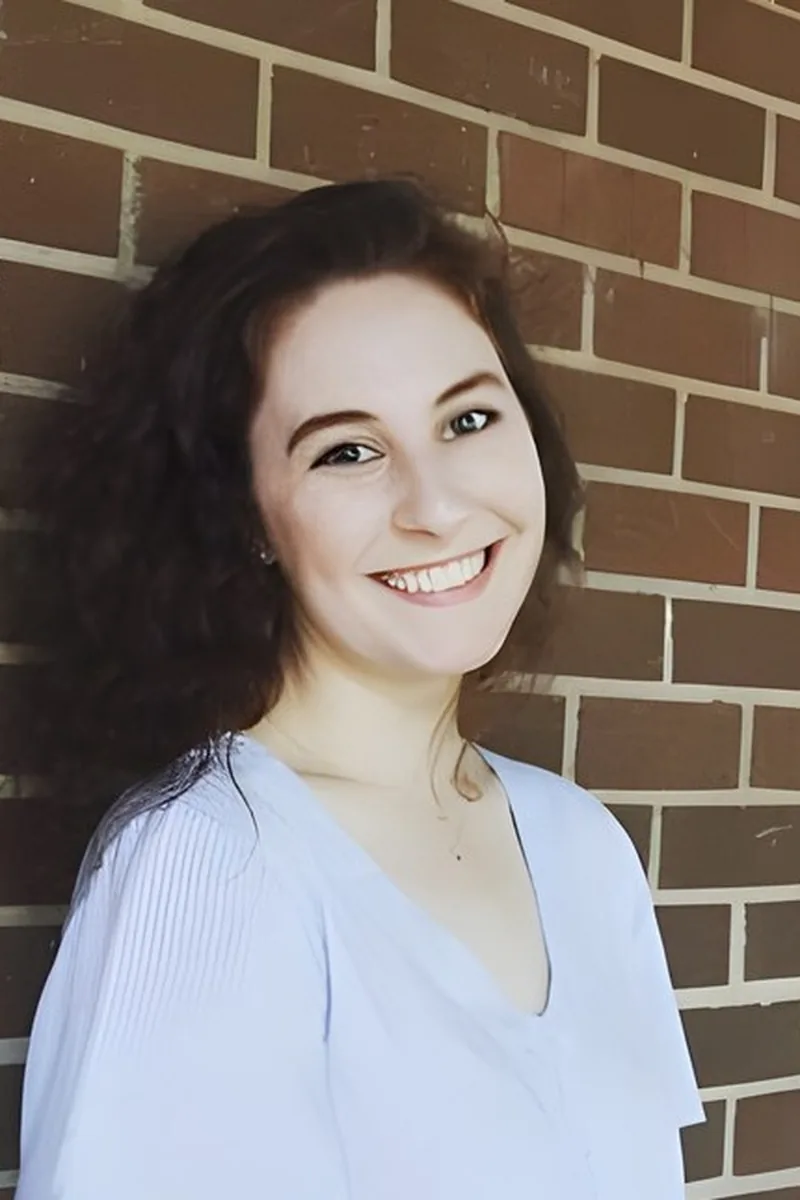
Reading a novel or poem closely means asking what the author is actually doing with language — why this metaphor, why this structure, why this ending. Bethany's graduate work at Duke trained her in exactly this kind of textual analysis, and she teaches students to build interpretive arguments grounded in specific passages rather than vague impressions.

Coding at Duke sharpened Bryce's instinct for close reading — in computer science, a misplaced semicolon changes everything, and in a novel, a single word choice can reshape an entire scene's meaning. He brings that line-by-line precision to literature, teaching students to identify how an author layers tone and motif into a passage and then build that analysis into a clear, arguable essay.
College essays, grammar, and editing all show up on Prakash's subject list alongside his core electrical engineering work — meaning he's spent real time engaging with how language functions on the page, not just in equations. His experience as a university instructor also means he knows how to walk students through building an interpretation: picking out a specific moment in a text where an author's choices in dialogue or setting carry weight, then shaping that observation into a clear, defensible argument.
Alisha approaches literary analysis the way she approaches choreography: by breaking a work into its structural choices — point of view, imagery, pacing — and asking why each one matters. Her interdisciplinary background across political science, psychology, and the arts gives her a wide lens for unpacking themes in everything from Shakespeare to contemporary fiction.
Reading literature closely means learning to ask better questions — about an author's choices, a narrator's reliability, the tension between what's said and what's meant. Professor Florence's background in psychology adds a distinctive angle: she teaches students to analyze character motivation and thematic development through both literary and psychological frameworks, which deepens their interpretive essays considerably.
Reading a novel for class and actually analyzing it are two very different skills, and Michael's MFA training centered on pulling apart how fiction works — point of view, imagery, unreliable narration, the gap between what characters say and what they mean. He teaches students to build literary arguments that go beyond plot summary and anchor every claim in textual evidence.
I am persuasive and capable of developing rapport and trust, as well as experienced in influencing the attitudes and ideas of others.
Teaching contemporary literature in workshops she designed herself, Erintrude trained students to read beyond plot summary and into how a text actually works — imagery patterns, narrative perspective, unreliable narrators, the politics of form. Her MFA at NC State and her background in world literature and translation studies give her range across genres and periods that keeps literary analysis grounded and specific.
Science majors sometimes make surprisingly sharp literature tutors — Hunter's Medical Humanities minor at Boston College required close reading of texts ranging from illness narratives to bioethics essays. He approaches literary analysis by teaching students to build arguments from textual evidence, connecting themes and rhetorical choices back to a defensible thesis.
An avid reader himself, Parth approaches literature by teaching students to look at how a text is built — narrative structure, figurative language, point of view — before jumping to thematic conclusions. Whether the assignment is a Shakespeare play or a contemporary novel, he shows students how to pull specific textual evidence into arguments that go beyond surface-level summary.
Reading a novel is one thing; unpacking how an author builds theme through symbolism, point of view, and narrative structure is another skill entirely. William approaches literature as an exercise in close reading, teaching students to construct arguments about a text rather than simply summarize its plot.
Reading literature well means noticing what an author chose not to say as much as what they did — the silence in a Hemingway story, the unreliable narrator in a Brontë novel. Rick's liberal arts training at Princeton immersed him in close reading across genres and periods. He teaches students to build interpretive arguments that go beyond plot summary and engage seriously with craft and context.
Analyzing a novel or poem gets easier once a student learns to read for argument — asking what choices an author made and why, rather than just summarizing plot. George approaches literary analysis the way he approaches business cases: identify the key evidence, build a clear interpretation, and defend it in writing. That structured thinking, paired with his 5.0 rating, makes him effective even in a subject outside his core discipline.
I am passionate about learning and teaching others.
As an English literature major at Meredith College, Rachel lives inside novels, poetry, and drama every day — from close-reading Shakespeare's syntax to tracing narrative structure in contemporary fiction. She teaches students to build interpretive arguments grounded in textual evidence rather than plot summary. Whether the assignment is a timed in-class essay on symbolism or a semester-long research paper, she knows how to make the analysis sharper.
Reading a novel closely means noticing what the author is doing with structure, imagery, and point of view — not just following the plot. Joseph teaches students to annotate with purpose, pulling apart passages to build interpretive arguments they can defend in essays and class discussions.
Reading literature well means doing more than summarizing plot; it means noticing how an unreliable narrator shifts reader sympathy, or why an author chose present tense over past. Brielle's English degree trained her to unpack literary devices like symbolism, irony, and motif across genres from Victorian novels to contemporary short fiction. She carries a 5.0 client rating.
Breaking down a poem or novel passage is surprisingly similar to solving an engineering problem — both require isolating the pieces, understanding how they connect, and building an interpretation from evidence. Artem applies that same analytical rigor to literary analysis, walking students through how to identify themes, track symbolism, and support a close reading with textual detail.
Reading literature critically means going beyond plot summary to analyze how an author uses structure, imagery, and point of view to build meaning. Joshua approaches literary analysis the way a cognitive psychologist would — examining how texts shape a reader's perception and why certain narrative choices produce specific effects. That angle gives students a fresh framework for tackling everything from Shakespeare to Toni Morrison.
Literary analysis clicks when you stop summarizing plot and start asking why the author made specific choices — why Fitzgerald uses color the way he does, or what an unreliable narrator actually does to a reader's trust. Jeffrey approaches literature as a set of deliberate craft decisions, teaching students to build arguments around textual evidence rather than gut reactions.
Jenna approaches literature with the same analytical rigor she brings to mathematics, teaching students to identify patterns in a text — recurring imagery, structural choices, shifts in tone — and build interpretive claims from those observations. Her strength is showing students how to move from "I noticed this" to a coherent, evidence-backed paragraph.
Testimonials
Because the right Literature tutor makes all the difference.
Average Session Rating – Based on 3.4M Learner Ratings
Other Raleigh Tutors
Related English Tutors in Raleigh
Frequently Asked Questions
A literature tutor helps students develop critical reading skills, analyze complex texts, and craft compelling literary essays. Whether you're working through Shakespeare, contemporary novels, or poetry, tutors provide personalized feedback on your writing, help you build stronger thesis statements, and teach you how to support arguments with textual evidence. This targeted instruction is especially valuable given Raleigh's competitive academic environment.
Tutors teach you to move beyond plot summary by identifying literary devices, themes, and author's purpose. They work with you to ask better questions about texts—like why an author chose specific imagery or how character development drives the narrative. Through guided practice and personalized feedback, you'll learn to construct analysis essays that demonstrate deep understanding rather than surface-level observations.
Yes—essay organization is one of the most common areas where tutors make a real difference. A tutor will work with you to craft a clear, arguable thesis, outline your main points, and ensure each paragraph supports your central argument. They'll also help you revise for clarity and flow, so your reader can follow your thinking from introduction through conclusion.
Writer's block is common, and tutors have strategies to help you get unstuck—like freewriting exercises, breaking the essay into smaller chunks, or discussing your ideas aloud before writing. For revision, tutors teach you to read your own work critically, identify weak arguments, strengthen your evidence, and polish your prose. This process-focused approach helps you become a more confident writer overall.
Absolutely. Tutors help you master the skills tested on AP Literature—close reading, timed essay writing, and analyzing complex texts under pressure. They provide practice with multiple-choice questions, teach you strategies for the free-response essays, and give you feedback on sample essays so you can refine your approach before test day.
Your first session is about understanding your goals and current challenges. The tutor will ask about texts you're reading, essays you're working on, and specific areas where you need support—whether that's comprehension, analysis, writing, or test prep. From there, they'll create a personalized plan tailored to your needs and learning style.
Pricing varies based on the tutor's experience, your specific needs, and session frequency. Varsity Tutors connects you with tutors across different price points, so you can find an option that works for your budget. During your initial conversation, you can discuss rates and find a tutor who's the right fit for your goals.
Varsity Tutors connects you with tutors who have expertise in literature, strong writing backgrounds, and experience working with students at your level. You can discuss your needs, see tutor qualifications, and start with a session to make sure it's a good match. The right tutor will understand your curriculum and help you develop both analytical and writing skills.
Let’s find your perfect tutor
Answer a few quick questions. We’ll recommend the right plan and match you with a top 5% tutor.