Award-Winning Literature Tutors
serving Hickory, NC
Literature
Tutors in Hickory
Private 1-on-1 tutoring, weekly live classes for academic support, test prep & enrichment, practice tests and diagnostics, and more to elevate grades and test scores.
Based on 3.4M Learner Ratings
UniversitiesSchools & Universities
DeliveredHours Delivered
ProficiencyGrowth in Proficiency
Who needs tutoring?
No obligation. Takes ~1 minute.

Reading a novel closely and writing about it persuasively are two different skills, and most students need practice bridging the gap. Aaron teaches students to identify literary devices — symbolism, narrative structure, shifts in tone — and then build arguments around textual evidence rather than plot summary. His analytical engineering mindset translates surprisingly well into constructing tight, logical literary analysis.
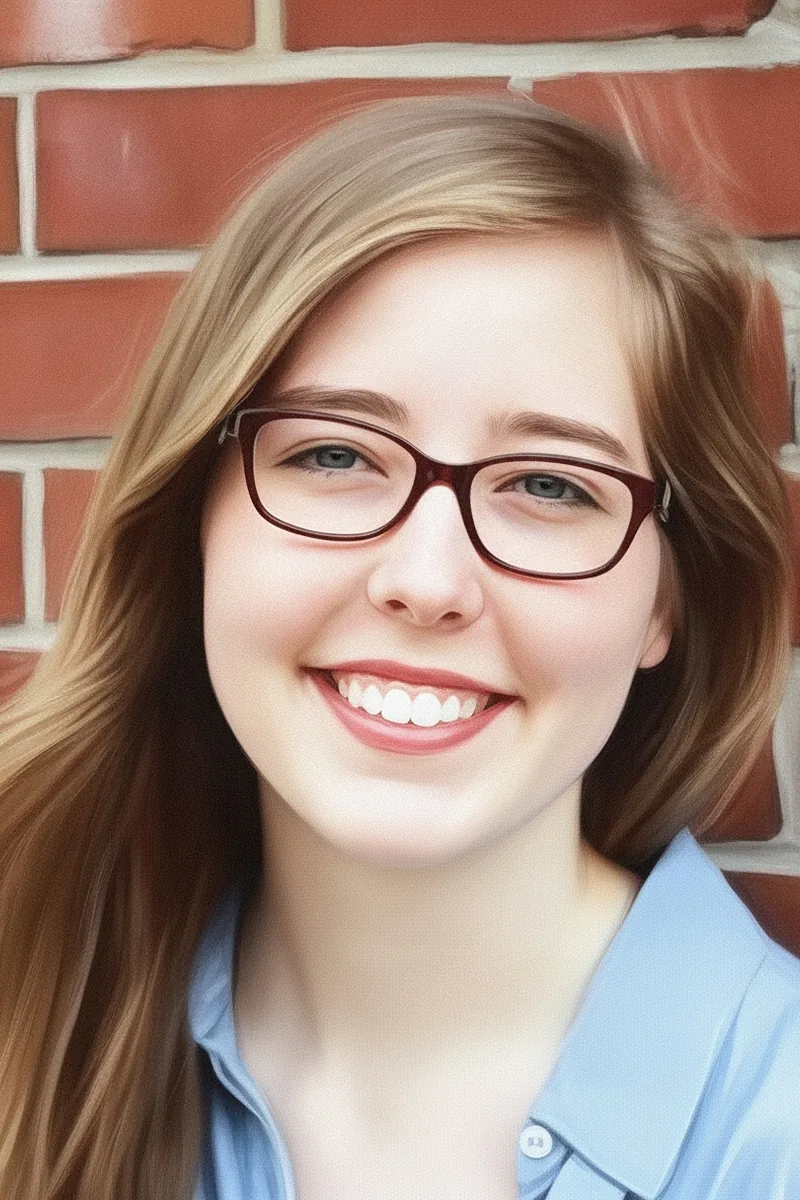
Reading a novel for class and actually analyzing it are two different things, and the gap between them is where most students lose points. Frances teaches literary analysis as a set of concrete moves: identifying how an author uses imagery to build tone, tracing a character's arc through specific textual evidence, or unpacking what an unreliable narrator reveals about theme. Her psychology background at Duke also gives her a sharp lens for character motivation.
Reading literature through the lens of psychology — understanding why characters make the choices they do, how authors mirror real human behavior — is what Sydny brings to close reading and literary analysis. Her background in psychology and medicine gives her a unique way of unpacking themes of identity, morality, and conflict in everything from Victorian novels to contemporary fiction.
From memoirs to modern classics like Catcher in the Rye, Eric reads widely and teaches students to dig into literary devices — symbolism, unreliable narration, thematic tension — rather than just summarizing plot. His analytical training as a biomedical engineering major at Duke sharpens the way he approaches close reading and textual argument.
Reading a novel or poem closely means asking what the author is actually doing with language — why this metaphor, why this structure, why this ending. Bethany's graduate work at Duke trained her in exactly this kind of textual analysis, and she teaches students to build interpretive arguments grounded in specific passages rather than vague impressions.
Coding at Duke sharpened Bryce's instinct for close reading — in computer science, a misplaced semicolon changes everything, and in a novel, a single word choice can reshape an entire scene's meaning. He brings that line-by-line precision to literature, teaching students to identify how an author layers tone and motif into a passage and then build that analysis into a clear, arguable essay.
Reading literature well means learning to sit with ambiguity — figuring out what an unreliable narrator is hiding, or why a poet chose one image over another. Simon's background as a dedicated reader and writer gives him a knack for unpacking texts at the sentence level, connecting craft choices to larger themes in ways that sharpen both analysis and appreciation.
Reading literature well is really about asking the right questions — why does the narrator withhold this detail, what does that recurring image actually do, how does the structure shape meaning? Florence approaches literary analysis with the same logical rigor she brings to her computer science coursework at Duke, breaking down poems, novels, and plays into arguments students can articulate clearly in essays and discussions.
Reading has been Alex's favorite pursuit for as long as he can remember, and his graduate work in religion required the same close-reading skills literature courses demand — analyzing symbolism, tracing thematic development, and situating texts in their historical moment. He digs into everything from poetry explication to novel-length analysis with genuine enthusiasm that's contagious.
An avid reader who lists books among her top hobbies, Natalie approaches literature by teaching students to read like writers — noticing how an author's syntax, imagery, or narrative structure creates meaning. She unpacks everything from poetry analysis to novel-length themes, connecting close-reading skills to the kind of clear, evidence-driven arguments that strong literary essays require.
Reading a novel for class and actually analyzing it are two different skills — the second requires spotting how an author uses structure, imagery, and narrative voice to build meaning. Callie's science training gives her an unexpectedly sharp analytical lens: she approaches a text like a dataset, teaching students to identify patterns and support interpretations with concrete textual evidence. That method translates directly into stronger essays and class discussions.
Reading literature across cultures is second nature to Caleb, who grew up between Rwanda, Kenya, and Egypt before studying social sciences at Harvard. He teaches students to move beyond plot summary and dig into how authors use symbolism, narrative voice, and structure to build meaning — skills that sharpen both close-reading ability and essay writing.
A dual background in neuroscience and French gives Julie an unusual lens for literary analysis — she's as comfortable unpacking a Flaubert passage in its original language as she is dissecting the narrative structure of a contemporary novel. She teaches students to build arguments about theme, symbolism, and point of view that go beyond surface-level plot summary and hold up under scrutiny.
Reading a novel for class is one thing; analyzing how an author uses structure, symbolism, or narrative voice to build meaning is another skill entirely. Taariq approaches literary analysis the way he approaches math — by teaching students to identify patterns, build arguments from textual evidence, and articulate their reasoning clearly in writing. His tutoring experience through Duke's Program in Education included working with middle and high school students on exactly this kind of critical thinking.
Reading a novel for class and actually analyzing it are two different skills, and the gap usually shows up when students try to write about theme, symbolism, or narrative structure. Tammy's lifelong love of reading and writing, combined with the analytical rigor she developed studying biochemistry and global health, gives her a distinctive lens for unpacking literary texts across genres and periods.
An avid reader studying sociology at Duke, Zhong treats literature as an exercise in close reading — pulling apart how an author's word choices, narrative structure, and historical context shape meaning. He's especially sharp at teaching students to move from surface-level plot summary to crafting analytical arguments about theme and characterization.
I am a freshman at Vanderbilt University currently pursuing a B.S. in Biochemistry. My inquisitive nature has fostered a love for mathematics, the natural sciences, and how they interact to produce the world we experience every day. This extends to my teaching strategy, where I emphasize the importance of conceptual understanding rather than pure memorization of equations and steps. My recent experience in a wide variety of Advanced Placement courses lends me insight to recent changes in course objectives and exam formatting.
An engineering background might seem unlikely for a literature tutor, but Earnest's analytical training makes him especially sharp at breaking down how authors construct arguments, layer themes, and use structural choices to shape meaning. He approaches close reading the way he approaches problem-solving — methodically, with attention to how every piece fits together.
Reading a novel is one thing; knowing how to unpack symbolism, unreliable narration, or the way a text speaks to its historical moment is another skill entirely. Katherine's background spans American, British, and world literature, and her graduate training in textual analysis gives her a toolkit for teaching students to read with real depth. She's rated 5.0 across her sessions.
Reading a novel for class is one thing; building an argument about its themes, symbolism, or narrative structure is where most students get stuck. Ify approaches literature by teaching close-reading techniques — how to annotate for patterns, connect a passage to its larger context, and turn observations into a thesis. Her background in economics also gives her a sharp analytical lens for texts that deal with power, class, and social systems.
Renee is finishing a PhD in Literature at Duke, which means she's spent years inside the kinds of texts students encounter — American novels, Shakespeare, comparative and world literature — and knows how to navigate them at every level from a first close reading to a polished seminar paper. That depth lets her zero in on what a particular student is struggling with, whether it's identifying how a poet's syntax creates tension or structuring an argument about narrative voice that goes beyond restating the plot. Rated 4.9 by students.
A scientist who reads closely is a powerful combination. Elizabeth's analytical training — identifying assumptions, evaluating evidence, tracing an argument's logic — translates directly to unpacking themes, symbolism, and narrative structure in literary texts. She teaches students to build interpretive claims and support them with textual evidence, skills that sharpen both literary analysis and critical thinking.
Reading literature well means doing more than summarizing plot — it means noticing how an author's choices with structure, imagery, and point of view create meaning. Eric is an avid reader and writer himself, and he brings that genuine curiosity to close-reading exercises, whether the text is a Shakespeare sonnet or a contemporary novel.
Studying ancient religious texts at Yale required Justin to do exactly what a great literature student does: read closely, identify rhetorical strategies, and build interpretive arguments grounded in textual evidence. He applies that same discipline to novels, poetry, and drama, teaching students how to move from "what happens in this book" to a thesis worth defending.
College essays, grammar, and editing all show up on Prakash's subject list alongside his core electrical engineering work — meaning he's spent real time engaging with how language functions on the page, not just in equations. His experience as a university instructor also means he knows how to walk students through building an interpretation: picking out a specific moment in a text where an author's choices in dialogue or setting carry weight, then shaping that observation into a clear, defensible argument.
Reading a novel and analyzing a novel are two completely different skills, and the gap between them is where most students struggle. Alyssa unpacks literary elements like symbolism, unreliable narration, and thematic development by connecting them to character motivation — something her psychology background makes second nature. She's particularly effective at teaching students how to build a close-reading argument from a single passage.
Respiratory therapy case reports and clinical documentation demand the same skill that strong literary analysis does: reading beneath the surface to figure out what details actually mean and why they're there. Emmanuel applies that clinical precision to texts, teaching students to identify how an author's choices in tone, imagery, or dialogue build toward a larger argument — then structure an essay that proves it. Rated 5.0 by students.
Two graduate degrees in theology trained Gregory to read difficult texts slowly and argue about them precisely — exactly the skill set literature courses demand. Whether a student is wrestling with symbolism in poetry, unreliable narration in a novel, or building a thesis for a literary analysis paper, he teaches them to ground every interpretation in the text itself.
Reading a novel closely means doing more than tracking plot — it means noticing how an author uses imagery, structure, or an unreliable narrator to shape meaning. Devanshi teaches students to build arguments around textual evidence, a skill that sharpens both their literary analysis and their writing across every subject.
Reading a novel is one thing; building an argument about its themes, symbols, or narrative structure is another skill entirely. Jennifer's history training at Dartmouth was built on close textual analysis — pulling evidence from dense sources and constructing interpretive claims — which maps directly onto literary essay writing. She teaches students to move from "I liked this book" to a thesis they can defend with specific passages.
Alisha approaches literary analysis the way she approaches choreography: by breaking a work into its structural choices — point of view, imagery, pacing — and asking why each one matters. Her interdisciplinary background across political science, psychology, and the arts gives her a wide lens for unpacking themes in everything from Shakespeare to contemporary fiction.
Reading classic literature is one of Jordan's genuine interests outside of medicine, and that enthusiasm shows up in how he approaches texts. He teaches students to dig into an author's rhetorical choices — why Dostoevsky uses a particular narrator, or how Austen builds irony through dialogue — rather than just summarizing plot. That analytical lens translates directly into stronger literary essays and class discussions.
Economics training sharpens a particular kind of reading — picking apart an argument's assumptions, weighing evidence, questioning what's left unsaid. Roger applies that same analytical lens to literature, teaching students to dig into how an author builds meaning through structure, imagery, and narrative choices. He's especially useful for students who can identify themes but struggle to develop those observations into a coherent interpretation.
Reading literature as an engineering student gave Erinn an unusual analytical lens — she's practiced at dissecting how an author constructs an argument or builds tension, almost like reverse-engineering a design. She digs into close reading techniques, teaching students to trace motifs and narrative structure rather than just summarizing plot.
Reading literature through a scientific lens might sound unusual, but Zoey's biology training sharpens how she teaches literary analysis — she approaches themes, symbols, and character arcs with the same careful observation she'd bring to a research question. Students learn to build arguments from textual evidence and articulate interpretations that go beyond surface-level plot summary.
Lisa reads literature the way a writer does — paying attention to narrative structure, voice, and the choices an author made on the sentence level. With two published books of her own, she brings that craft-level awareness into discussions of everything from Shakespeare to Toni Morrison, making literary analysis feel like a conversation rather than an assignment.
Reading literature closely means learning to ask better questions — about an author's choices, a narrator's reliability, the tension between what's said and what's meant. Professor Florence's background in psychology adds a distinctive angle: she teaches students to analyze character motivation and thematic development through both literary and psychological frameworks, which deepens their interpretive essays considerably.
Matt reads literature the way his policy training taught him to read anything: by asking what argument the author is making and how the structure supports it. That analytical lens translates well to close reading, thesis development, and unpacking themes in everything from Victorian novels to contemporary poetry.
An engineer who genuinely loves literature and linguistics, Jordan brings an unusual analytical lens to close reading — breaking down how authors construct arguments through imagery, structure, and narrative voice. That cross-disciplinary perspective, sharpened across degrees from Harvey Mudd and Georgia Tech, makes literary analysis feel less like guesswork and more like a skill students can practice and refine.
Reading a novel and actually analyzing it are two different skills, and the gap between them is where most students struggle on essays and exams. Myles brings a theology and philosophy background that sharpens close-reading ability — picking apart how an author builds an argument through imagery, structure, or unreliable narration. He's especially strong on texts that deal with moral complexity, allegory, and historical context.
Testimonials
Because the right Literature tutor makes all the difference.
Average Session Rating – Based on 3.4M Learner Ratings
Other Hickory Tutors
Related English Tutors in Hickory
Frequently Asked Questions
Varsity Tutors matches Hickory students with expert Literature tutors for 1-on-1 instruction. We pair each student with a tutor based on their specific needs, learning style, and goals.
Whether you need homework help, exam prep, or want to get ahead, our Literature tutors are ready to help.
Common challenges include gaps from earlier material, difficulty with specific concepts, and trouble applying learning to new problems. These issues can snowball quickly in Literature.
A tutor identifies where you're stuck, fills in gaps, and provides targeted practice. The 1-on-1 format means you get help exactly where you need it.
Tutors work with your student's actual coursework—homework assignments, class notes, and upcoming tests. This keeps tutoring directly relevant to what's happening in the classroom.
When you share information about your student's school and curriculum, we can match you with a tutor who has relevant experience.
All tutors complete background checks, credential verification, and teaching evaluation. Many of our Literature tutors hold advanced degrees or have years of teaching experience.
You can review tutor profiles to find someone with the right background for your student's level and needs.
Many students see improved grades within a few weeks, along with better understanding of Literature concepts and more confidence tackling challenging material.
Tutors track progress and adjust their approach to ensure continued improvement.
Most students benefit from 1-2 sessions per week. More frequent sessions help if your student is significantly behind or has an important exam coming up.
Your tutor can recommend a schedule based on your student's specific situation and goals.
Tutoring is purchased in packages of hours, with rates varying by tutor experience. Varsity Tutors offers several options to fit different budgets and needs.
You can discuss pricing during your consultation to find what works best.
Your tutor will assess where your student is, discuss goals, and start working on priority areas. Most students bring current homework or upcoming test material to focus on.
By the end, you'll have a clear sense of how the tutor can help and a plan for moving forward.
Let’s find your perfect tutor
Answer a few quick questions. We’ll recommend the right plan and match you with a top 5% tutor.