Award-Winning Literature Tutors
serving Charlotte, NC
Literature
Tutors in Charlotte
Private 1-on-1 tutoring, weekly live classes for academic support, test prep & enrichment, practice tests and diagnostics, and more to elevate grades and test scores.
Based on 3.4M Learner Ratings
UniversitiesSchools & Universities
DeliveredHours Delivered
ProficiencyGrowth in Proficiency
Who needs tutoring?
No obligation. Takes ~1 minute.

Reading has been Alex's favorite pursuit for as long as he can remember, and his graduate work in religion required the same close-reading skills literature courses demand — analyzing symbolism, tracing thematic development, and situating texts in their historical moment. He digs into everything from poetry explication to novel-length analysis with genuine enthusiasm that's contagious.
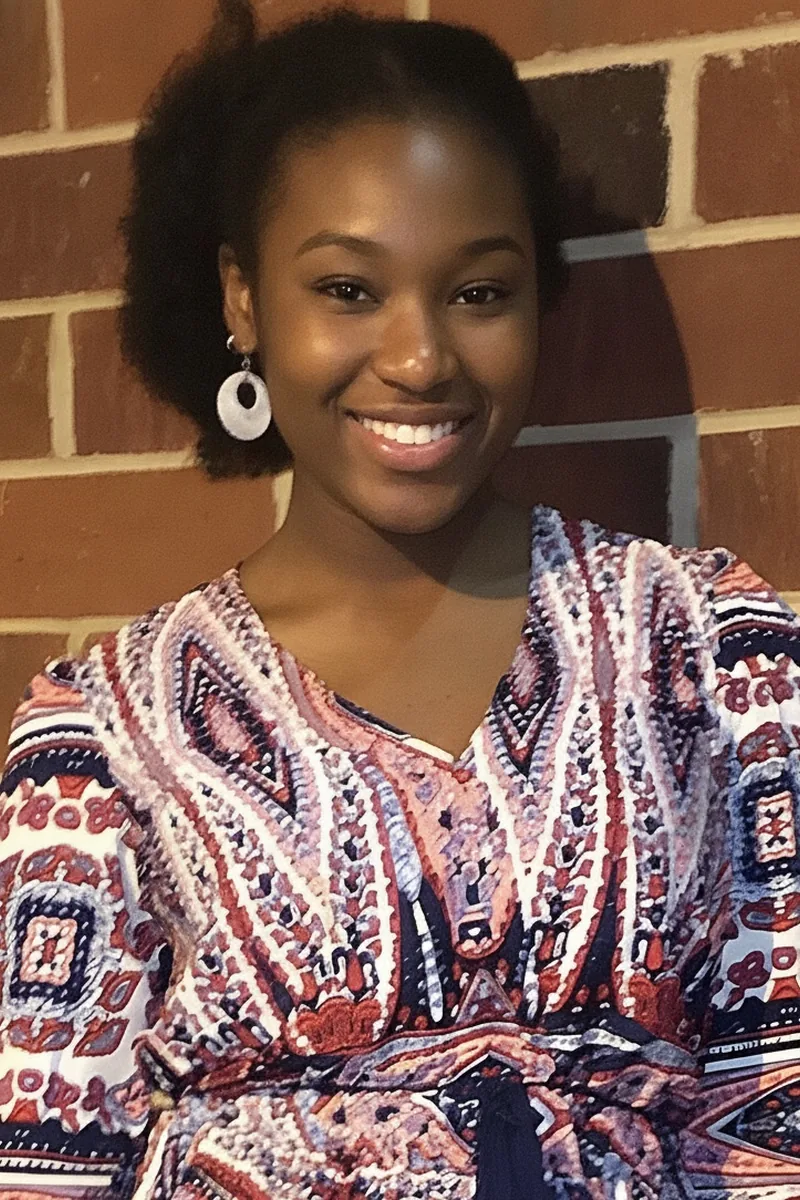
Reading a novel for class is one thing; building an argument about its themes, symbolism, or narrative structure is where most students get stuck. Ify approaches literature by teaching close-reading techniques — how to annotate for patterns, connect a passage to its larger context, and turn observations into a thesis. Her background in economics also gives her a sharp analytical lens for texts that deal with power, class, and social systems.
An engineering background might seem unlikely for a literature tutor, but Earnest's analytical training makes him especially sharp at breaking down how authors construct arguments, layer themes, and use structural choices to shape meaning. He approaches close reading the way he approaches problem-solving — methodically, with attention to how every piece fits together.
Reading a novel for class and actually analyzing it are two very different skills, and the gap between them is where most students struggle. Isabel teaches close reading techniques — tracking symbolism, identifying narrative structure, examining how an author's word choices shape meaning — so that writing a literary analysis becomes a matter of organizing observations rather than guessing at themes.
Morgan's anthropology degree from UNC Chapel Hill trained her to read texts as cultural artifacts, a skill that translates directly to literary analysis. She teaches students to build arguments around themes, symbolism, and authorial intent rather than simply summarizing plot.
Reading literature closely means learning to ask better questions — why does the narrator withhold this detail, or what does that recurring image actually do? Rebecca approaches texts analytically, teaching students to trace themes, identify shifts in tone, and build interpretive claims they can defend with textual evidence. Her data-driven mindset from UC Berkeley translates surprisingly well into picking apart a novel's structure.
Jack approaches literary analysis the way he approaches code: by examining how individual pieces — imagery, dialogue, narrative structure — function within a larger system. That analytical lens is especially useful for students who feel comfortable with plot summary but struggle to build an interpretive argument about theme or symbolism in works ranging from Shakespeare to contemporary fiction.
Reading a poem or novel closely is surprisingly similar to solving a physics problem — both require you to ask what's actually happening beneath the surface before jumping to conclusions. Gatlin brings that analytical instinct to literature, teaching students to trace motifs, unpack figurative language, and build interpretive arguments that go beyond plot summary.
Reading literature analytically means learning to ask why an author made specific choices — in structure, imagery, point of view, or diction — and building interpretations from textual evidence. Daiven approaches literary analysis with the same hypothesis-and-evidence mindset his biology training demands, which gives students a concrete framework for essays and discussions. He's particularly effective at teaching close reading techniques that turn vague impressions into specific, supportable claims.
As a science major who also tutors English, Madison brings an analytical lens to literature that resonates with students who don't consider themselves "English people." She breaks down how to identify themes, trace character development, and build a thesis from textual evidence — treating a novel or poem like a puzzle to solve rather than a mystery to guess at.
Reading a novel closely means noticing what an author does with structure, imagery, and voice — not just summarizing what happens. Cailee pairs her Spanish degree's training in literary analysis across languages with a genuine love of close reading, teaching students to build arguments about theme and characterization that hold up on timed essays and research papers alike.
Reading a novel or poem closely requires the same analytical instinct Shourya uses in physics: break the whole into parts, find the patterns, and build an interpretation from evidence. He teaches students to move from vague reactions to precise claims about tone, structure, and figurative language — the kind of analysis that holds up in class discussion and on timed essays.
Reading a novel for class is one thing; building an argument about its themes, symbols, or narrative choices is another skill entirely. Srikavya approaches literary analysis the way she approaches science — breaking a text into its components, identifying patterns, and constructing a claim supported by specific evidence from the page.
Reading her first book as a kid turned into a lifelong obsession with uncovering what stories are really doing beneath the surface. Traci digs into literary devices like symbolism, unreliable narration, and thematic layering, teaching students to build interpretive arguments about a text rather than just summarizing its plot. Her psychology studies add an extra lens for analyzing character motivation and subtext.
Philosophy training teaches you to interrogate an argument's structure, and Emma brings that same lens to literature — asking not just what a text means but how it builds meaning through imagery, narrative voice, and form. Whether the assignment involves close-reading a Shakespeare soliloquy or writing a thematic essay on a novel, she unpacks the analytical moves that earn top marks.
Reading a novel for class is one thing; building an argument about its themes, symbols, or narrative structure is another skill entirely. Kelsey's communication studies background at UNC Charlotte trained her to analyze texts closely and construct claims backed by evidence, which translates directly into stronger literary analysis essays and class discussions.
An avid reader who graduated from the University of Michigan with a history degree, Colleen approaches literature through the lens of historical context — connecting what authors wrote to the political and social forces shaping their world. She's especially sharp at teaching close reading techniques and helping students build arguments about theme, symbolism, and narrative structure in their literary analysis essays.
Reading a novel closely means more than summarizing plot — it means tracking how an author uses symbolism, point of view, or narrative structure to build meaning. Taylor teaches students to develop arguments about texts by grounding every claim in specific textual evidence, whether they're analyzing a Shakespeare sonnet or a Toni Morrison novel. Rated 4.9 by students, she makes literary analysis feel like solving a puzzle rather than guessing at hidden meanings.
Reading literature through an engineer's lens might sound unusual, but Matthew's analytical training makes him sharp at dissecting how texts are constructed — tracing motifs, evaluating narrative structure, and building thesis-driven arguments about what an author is actually doing on the page. He's especially effective at teaching students how to move from a vague impression of a novel to a precise, evidence-backed claim.
Studying both journalism and French at UNC Chapel Hill means Molly reads across genres and languages constantly, giving her a broad lens for literary analysis. She digs into how narrative point of view, symbolism, and structural choices shape a text's meaning — whether students are unpacking a Shakespeare sonnet or a contemporary novel.
Testimonials
Because the right Literature tutor makes all the difference.
Average Session Rating – Based on 3.4M Learner Ratings
Other Charlotte Tutors
Related English Tutors in Charlotte
Frequently Asked Questions
Literature tutoring covers a wide range of topics including literary analysis, essay writing, reading comprehension, character development, and thematic interpretation. Tutors also help students master essay structure, thesis development, and argumentation—essential skills for success in Charlotte-area English classes. Whether you're studying classic novels, poetry, drama, or contemporary works, personalized instruction can help you develop critical thinking skills and confidence in analyzing texts.
Tutors provide personalized feedback on every stage of the writing process—from brainstorming and outlining to drafting and revision. They help you develop strong thesis statements, organize your arguments logically, and support your claims with textual evidence. With one-on-one instruction, you'll receive targeted guidance on your unique writing challenges, whether that's overcoming writer's block, refining your voice, or mastering citation formats like MLA or APA.
Yes—many students find that personalized instruction significantly improves their ability to understand and engage with complex texts. A tutor can teach you active reading strategies, help you identify key themes and symbolism, and guide you through difficult passages at your own pace. With consistent practice and feedback, you'll build confidence in tackling challenging literature and develop deeper insights into the texts you're studying.
Your first session is an opportunity to discuss your goals, current challenges, and what you're studying in class. The tutor will assess your reading and writing skills, understand your learning style, and create a personalized plan tailored to your needs. Whether you need help with a specific essay, preparing for an exam, or building foundational skills, this initial conversation ensures your tutoring is focused on what matters most to you.
Tutors guide you through each phase of writing—prewriting, drafting, revising, and editing—rather than just reviewing final drafts. They help you develop ideas, organize your thoughts, and strengthen your arguments before you write. During revision, you'll receive constructive feedback on clarity, structure, and style, plus strategies for self-editing so you can improve your writing independently over time.
Yes. Varsity Tutors connects you with tutors experienced in working with students across Charlotte's 31 school districts and diverse educational settings. Whether you're in a traditional public school, charter school, or private institution, tutors understand local curriculum standards and can align their instruction with what you're learning in class. They're familiar with the texts, assignments, and expectations your teachers have for you.
Understanding a book means following the plot and characters; analyzing it means examining *how* and *why* the author creates meaning through literary devices, symbolism, tone, and structure. Literary analysis requires you to make arguments about a text and support them with evidence. A tutor helps you move beyond simple comprehension to develop the critical thinking skills needed for strong essays and class discussions—skills that are central to Literature coursework in Charlotte schools.
Students typically see improvements in essay grades, reading comprehension, confidence in class discussions, and overall writing quality. With personalized instruction and regular feedback, you'll develop stronger analytical skills, learn to construct more persuasive arguments, and gain a deeper appreciation for literature. Many students also report reduced anxiety around writing assignments and exams, which translates to better performance across all their English classes.
Let’s find your perfect tutor
Answer a few quick questions. We’ll recommend the right plan and match you with a top 5% tutor.