Award-Winning Elementary Math Tutors
serving Spring Valley, NV
Elementary Math
Tutors in Spring Valley
Private 1-on-1 tutoring, weekly live classes for academic support, test prep & enrichment, practice tests and diagnostics, and more to elevate grades and test scores.
Based on 3.4M Learner Ratings
UniversitiesSchools & Universities
DeliveredHours Delivered
ProficiencyGrowth in Proficiency
Who needs tutoring?
No obligation. Takes ~1 minute.
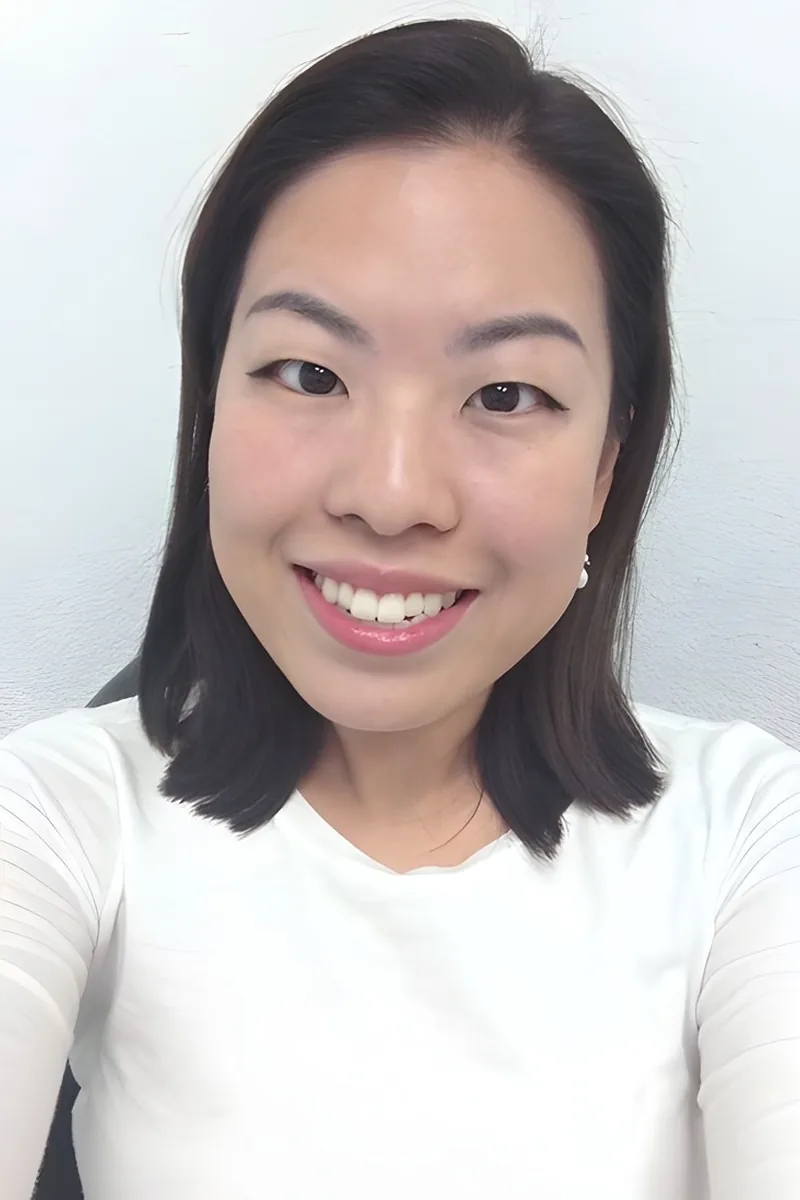
Younger students often learn best when math feels like a puzzle rather than a chore. Michelle has been tutoring kids since she was in middle school herself and brings genuine enthusiasm to topics like place value, basic multiplication, and early fraction concepts. Her experience across age groups — kindergarten through college — means she knows how to adjust her explanations for elementary learners without oversimplifying.

Getting multiplication facts, place value, and basic fractions locked in early makes every future math class easier. Phonemany uses structured, goal-oriented practice to make sure younger learners aren't just getting answers right but actually understanding why the math works. A 5.0 student rating speaks to how well that approach lands with kids and families.
Multiplication tables, long division, and fractions each represent a conceptual leap for young learners, not just a new procedure. Elizabeth approaches elementary math by building number sense through visual models and real-world examples, so students understand what's happening rather than just following memorized steps.
Getting multiplication facts, place value, and basic fractions right at this stage shapes how a student handles every math class that follows. Vishaal uses patient, step-by-step explanations that match a younger learner's pace, making sure each concept clicks before moving on.
Early math concepts like place value, fractions, and measurement set the trajectory for everything that comes later. Aaron teaches these ideas with concrete examples — splitting objects into equal parts, counting money, reading rulers — so young learners internalize the logic behind the procedures. His patient, friendly style keeps elementary students engaged even when a topic feels tough.
Laura's Montessori education through eighth grade taught her that young kids learn math best through discovery — figuring out why regrouping works, not just memorizing the steps. She brings that same exploratory approach to arithmetic and early problem-solving, letting students build understanding through questions and hands-on reasoning. Rated 5.0 by students.
Building number sense early — understanding place value, regrouping in subtraction, or why multiplication is repeated addition — shapes how a student thinks about math for years. Katherine uses concrete examples and visual strategies to make these ideas stick before layering on procedures. She's patient with younger learners and skilled at spotting exactly where a concept breaks down.
Getting multiplication facts and place value right in elementary math isn't just about drilling — it's about building number sense so a child can reason through problems they haven't seen before. Moriah, a Cornell-educated educator who manages and teaches at a prep school, brings patience and structure to topics like fractions, measurement, and basic word problems.
Building number sense early — understanding place value, basic operations, and simple fractions — sets kids up for everything that comes later in math. Matthew's experience working with younger students means he knows how to keep lessons engaging and meet the pace that elementary learners actually need.
Getting multiplication, division, and place value right at the elementary level shapes how a student thinks about numbers for years to come. Caroline brings patience and structure to these foundational concepts, using concrete examples — grouping objects, visual models, real-world quantities — to make abstract ideas tangible. She holds a 5.0 rating and treats every early math milestone as something worth getting right.
Young learners pick up math best when it feels like problem-solving rather than rule-following. Anna draws on her Education studies at Brown and her experience working with elementary-age kids to teach place value, basic operations, and early fractions through hands-on, confidence-building approaches.
Teaching elementary school every day near Boston means Emily isn't guessing about how young learners think about place value, fractions, or multi-digit multiplication — she watches it happen in real time. She uses multiple representations (number lines, area models, manipulatives) to find the approach that makes a concept stick for each child.
Getting multiplication facts, place value, and basic fractions right at this stage matters enormously for everything that comes later in math. Allen keeps younger learners engaged by turning abstract number concepts into concrete, step-by-step reasoning they can follow — and by celebrating the small wins that build genuine confidence with numbers.
Teaching a seven-year-old why borrowing works in subtraction requires a completely different skill set than explaining calculus. Kathleen brings both — she's a math major at Washington University who genuinely enjoys working with younger students on foundational skills like multi-digit operations, basic fractions, and number sense. She figures out how each kid thinks and adapts her explanations to match.
Early math confidence matters more than most people realize — a kid who dreads subtraction at age eight often dreads algebra at fourteen. Samantha makes concepts like place value, regrouping, and basic multiplication tangible and even fun, using real-world examples that give young learners a reason to care about numbers.
Victoria taught first, second, and third graders for three years through Teach for America, building lessons around place value, basic operations, and early problem-solving every single day. That classroom experience — not just tutoring, but full-time teaching — means she knows how young learners develop number sense and where common misconceptions around regrouping or fractions tend to take root.
Getting fractions, long division, and place value right at the elementary level sets the trajectory for everything that comes after in math. Matthew takes a patient, step-by-step approach — showing how a problem works, then giving the student a chance to try similar ones while asking questions along the way. It's a simple method, but it builds the kind of number sense that sticks.
Testimonials
Because the right Elementary Math tutor makes all the difference.
Average Session Rating – Based on 3.4M Learner Ratings
Other Spring Valley Tutors
Related Math Tutors in Spring Valley
Frequently Asked Questions
Varsity Tutors matches Spring Valley students with expert Elementary Math tutors for 1-on-1 instruction. We pair each student with a tutor based on their specific needs, learning style, and goals.
Whether you need homework help, exam prep, or want to get ahead, our Elementary Math tutors are ready to help.
Common challenges include gaps from earlier material, difficulty with specific concepts, and trouble applying learning to new problems. These issues can snowball quickly in Elementary Math.
A tutor identifies where you're stuck, fills in gaps, and provides targeted practice. The 1-on-1 format means you get help exactly where you need it.
Tutors work with your student's actual coursework—homework assignments, class notes, and upcoming tests. This keeps tutoring directly relevant to what's happening in the classroom.
When you share information about your student's school and curriculum, we can match you with a tutor who has relevant experience.
All tutors complete background checks, credential verification, and teaching evaluation. Many of our Elementary Math tutors hold advanced degrees or have years of teaching experience.
You can review tutor profiles to find someone with the right background for your student's level and needs.
Many students see improved grades within a few weeks, along with better understanding of Elementary Math concepts and more confidence tackling challenging material.
Tutors track progress and adjust their approach to ensure continued improvement.
Most students benefit from 1-2 sessions per week. More frequent sessions help if your student is significantly behind or has an important exam coming up.
Your tutor can recommend a schedule based on your student's specific situation and goals.
Tutoring is purchased in packages of hours, with rates varying by tutor experience. Varsity Tutors offers several options to fit different budgets and needs.
You can discuss pricing during your consultation to find what works best.
Your tutor will assess where your student is, discuss goals, and start working on priority areas. Most students bring current homework or upcoming test material to focus on.
By the end, you'll have a clear sense of how the tutor can help and a plan for moving forward.
Let’s find your perfect tutor
Answer a few quick questions. We’ll recommend the right plan and match you with a top 5% tutor.