Award-Winning Elementary Math Tutors
serving Reno, NV
Elementary Math
Tutors in Reno
Private 1-on-1 tutoring, weekly live classes for academic support, test prep & enrichment, practice tests and diagnostics, and more to elevate grades and test scores.
Based on 3.4M Learner Ratings
UniversitiesSchools & Universities
DeliveredHours Delivered
ProficiencyGrowth in Proficiency
Who needs tutoring?
No obligation. Takes ~1 minute.
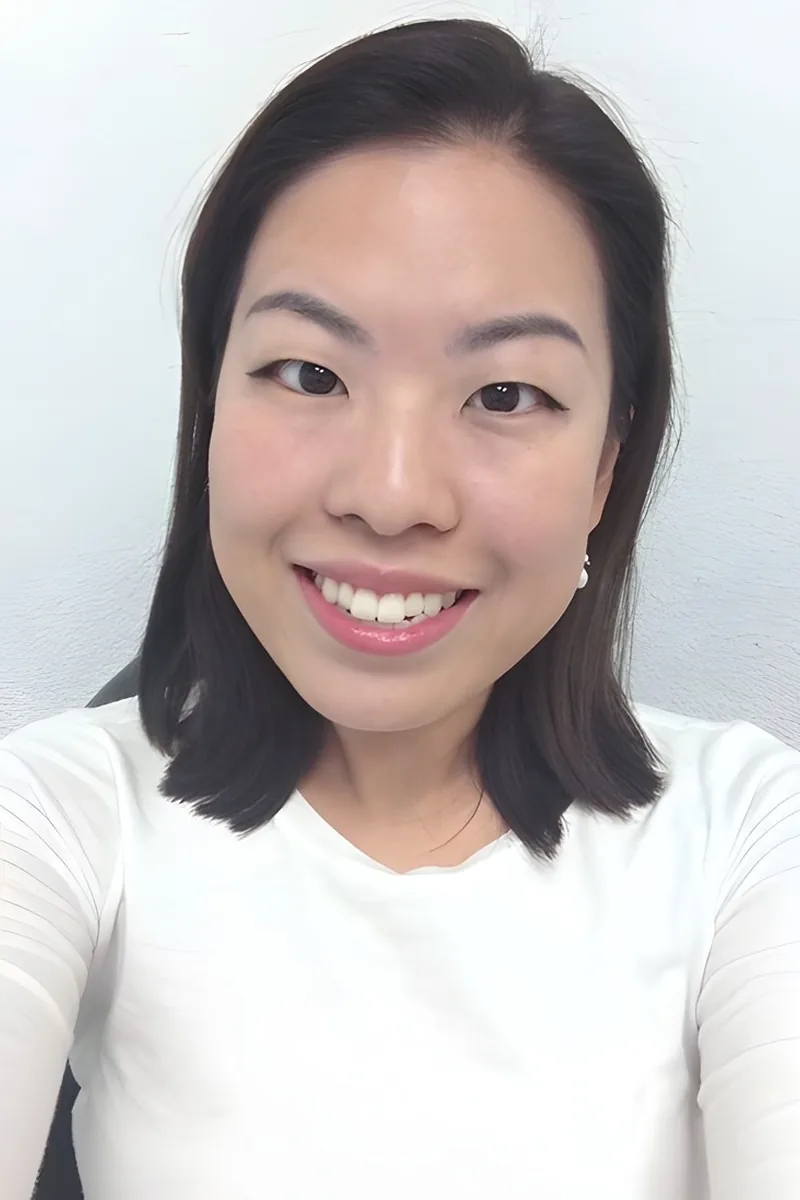
Younger students often learn best when math feels like a puzzle rather than a chore. Michelle has been tutoring kids since she was in middle school herself and brings genuine enthusiasm to topics like place value, basic multiplication, and early fraction concepts. Her experience across age groups — kindergarten through college — means she knows how to adjust her explanations for elementary learners without oversimplifying.

Multiplication tables, long division, and fractions each represent a conceptual leap for young learners, not just a new procedure. Elizabeth approaches elementary math by building number sense through visual models and real-world examples, so students understand what's happening rather than just following memorized steps.
Getting multiplication facts, place value, and basic fractions locked in early makes every future math class easier. Phonemany uses structured, goal-oriented practice to make sure younger learners aren't just getting answers right but actually understanding why the math works. A 5.0 student rating speaks to how well that approach lands with kids and families.
Getting multiplication facts, place value, and basic fractions right at this stage shapes how a student handles every math class that follows. Vishaal uses patient, step-by-step explanations that match a younger learner's pace, making sure each concept clicks before moving on.
Early math concepts like place value, fractions, and measurement set the trajectory for everything that comes later. Aaron teaches these ideas with concrete examples — splitting objects into equal parts, counting money, reading rulers — so young learners internalize the logic behind the procedures. His patient, friendly style keeps elementary students engaged even when a topic feels tough.
Getting multiplication tables, place value, and basic fractions right at the elementary level shapes how a student thinks about math for years. Chris spent time as a tutor at a community center in East Harlem and as a Peace Corps teacher, so he knows how to make early math concepts click for kids with very different learning styles.
Multiplication tables, long division, and basic fractions are skills that need to feel automatic before a student can tackle anything more advanced. Matt teaches these building blocks through patterns and hands-on strategies that make numbers feel less intimidating for younger learners.
Early math confidence matters more than early math speed, and Amber structures her sessions around making sure a student genuinely understands place value, basic operations, or simple fractions before racing ahead. She uses hands-on strategies and real-world examples — counting money, measuring ingredients — to make abstract numbers tangible. Rated 5.0 by families she's worked with.
Getting comfortable with multiplication facts, place value, and basic fractions early on makes every math class that follows significantly easier. Li uses visual strategies and real-world examples — measuring ingredients, splitting groups evenly — to make these foundational concepts click for younger learners.
Building number sense early changes everything about how a student experiences math later on. Kirstie breaks down concepts like place value, basic multiplication strategies, and simple fractions using visual and hands-on approaches shaped by her Master's in Education. She keeps sessions upbeat and low-pressure so young learners stay curious rather than anxious.
Strong math instincts start with how a child first encounters multiplication, fractions, and place value — not just whether they get the right answer. Ava uses her education background to identify where a concept broke down and re-teaches it using concrete examples, visual models, and hands-on reasoning before moving to abstract rules.
Laura's Montessori education through eighth grade taught her that young kids learn math best through discovery — figuring out why regrouping works, not just memorizing the steps. She brings that same exploratory approach to arithmetic and early problem-solving, letting students build understanding through questions and hands-on reasoning. Rated 5.0 by students.
Getting multiplication facts and place value down early changes everything about a student's math trajectory. Iselee uses structured practice and visual strategies to make concepts like regrouping and basic fractions intuitive rather than intimidating for younger learners.
Building number sense early — understanding place value, basic fractions, and how multiplication relates to repeated addition — sets up everything that comes later in math. Caitlyn teaches these foundational ideas with humor and patience, adjusting her explanations based on what clicks for each student. She's rated 5.0 and keeps younger learners engaged by making sessions feel more like a conversation than a lecture.
Teaching young learners multiplication tables or place value requires patience and creativity in equal measure. Jean has taught students as young as toddlers and understands that elementary math sticks best when it's hands-on — using tangible examples, patterns, and games rather than rote drills. Her medical training also means she's attuned to how developing minds learn, which shapes how she paces each session.
Teaching a seven-year-old why borrowing works in subtraction requires a completely different skill set than explaining calculus. Kathleen brings both — she's a math major at Washington University who genuinely enjoys working with younger students on foundational skills like multi-digit operations, basic fractions, and number sense. She figures out how each kid thinks and adapts her explanations to match.
Every elementary math concept, from counting and place value up through fractions and basic geometry, is really a building block for the next one — and Paula treats it that way. She identifies exactly where a student's understanding breaks down and rebuilds from that point using hands-on strategies and clear explanations. Her 4.8 rating from families reflects the patience and adaptability she brings to working with younger learners.
Testimonials
Because the right Elementary Math tutor makes all the difference.
Average Session Rating – Based on 3.4M Learner Ratings
Other Reno Tutors
Related Math Tutors in Reno
Frequently Asked Questions
Many students struggle with the shift from memorizing procedures to understanding why math works the way it does. Word problems, multi-step problems, and building number sense are frequent pain points. Additionally, some students develop math anxiety early on, which can hold them back even when they have the ability to succeed. Personalized tutoring helps students move past these obstacles by connecting concepts to real-world examples and building confidence through targeted practice.
The first session focuses on getting to know your student and understanding their specific needs. A tutor will assess where they're strong, where they need support, and what's causing frustration—whether it's a particular concept, test anxiety, or gaps from earlier grades. From there, the tutor creates a personalized plan tailored to your student's learning style and goals. This foundation ensures every session after that builds exactly what your student needs.
Showing work isn't just about getting the right answer—it's about understanding the process and being able to communicate mathematical thinking. Tutors guide students to write out their steps, ask "why does this work?" and practice explaining their reasoning out loud. This builds deeper comprehension and helps students catch their own mistakes. Over time, students develop problem-solving strategies they can apply to new situations, rather than just memorizing steps.
Yes. Reno schools use various approaches and materials, and tutors are experienced working across different curricula—whether it's traditional, Singapore Math, Eureka Math, or others. When you connect with a tutor, you can share what curriculum your student uses, and the tutor will align their instruction to match what's being taught in the classroom. This consistency helps students apply what they learn in tutoring directly to their schoolwork.
Absolutely. Math anxiety often stems from feeling lost or frustrated, and it can prevent students from even trying. Personalized tutoring builds confidence by breaking concepts into manageable pieces, celebrating progress, and creating a pressure-free space to ask questions. As students experience success and understand the "why" behind math, anxiety typically decreases and they develop a more positive relationship with the subject.
One of the biggest shifts in elementary math is moving from isolated facts to seeing how concepts connect. Tutors use visual models, manipulatives, and real-world examples to help students recognize patterns—like how multiplication is repeated addition, or how fractions relate to division. When students see these connections, math becomes less like random rules and more like a logical system they can understand and apply.
Many students show improved confidence and understanding within the first few sessions, especially when tutoring targets their specific gaps. Measurable progress in grades and test scores typically follows within 4-6 weeks of consistent tutoring. The timeline depends on the size of the gap and how frequently your student meets with their tutor, but personalized 1-on-1 instruction accelerates learning significantly compared to classroom instruction alone.
Varsity Tutors connects you with tutors who specialize in elementary math and understand the needs of students in Reno. You'll share details about your student's grade level, specific challenges, and learning style, and we'll match them with someone who's a great fit. From there, you can schedule sessions at times that work for your family and start working toward your student's goals.
Let’s find your perfect tutor
Answer a few quick questions. We’ll recommend the right plan and match you with a top 5% tutor.