Award-Winning Physiology Tutors
serving Las Vegas, NV
Physiology
Tutors in Las Vegas
Private 1-on-1 tutoring, weekly live classes for academic support, test prep & enrichment, practice tests and diagnostics, and more to elevate grades and test scores.
Based on 3.4M Learner Ratings
UniversitiesSchools & Universities
DeliveredHours Delivered
ProficiencyGrowth in Proficiency
Who needs tutoring?
No obligation. Takes ~1 minute.
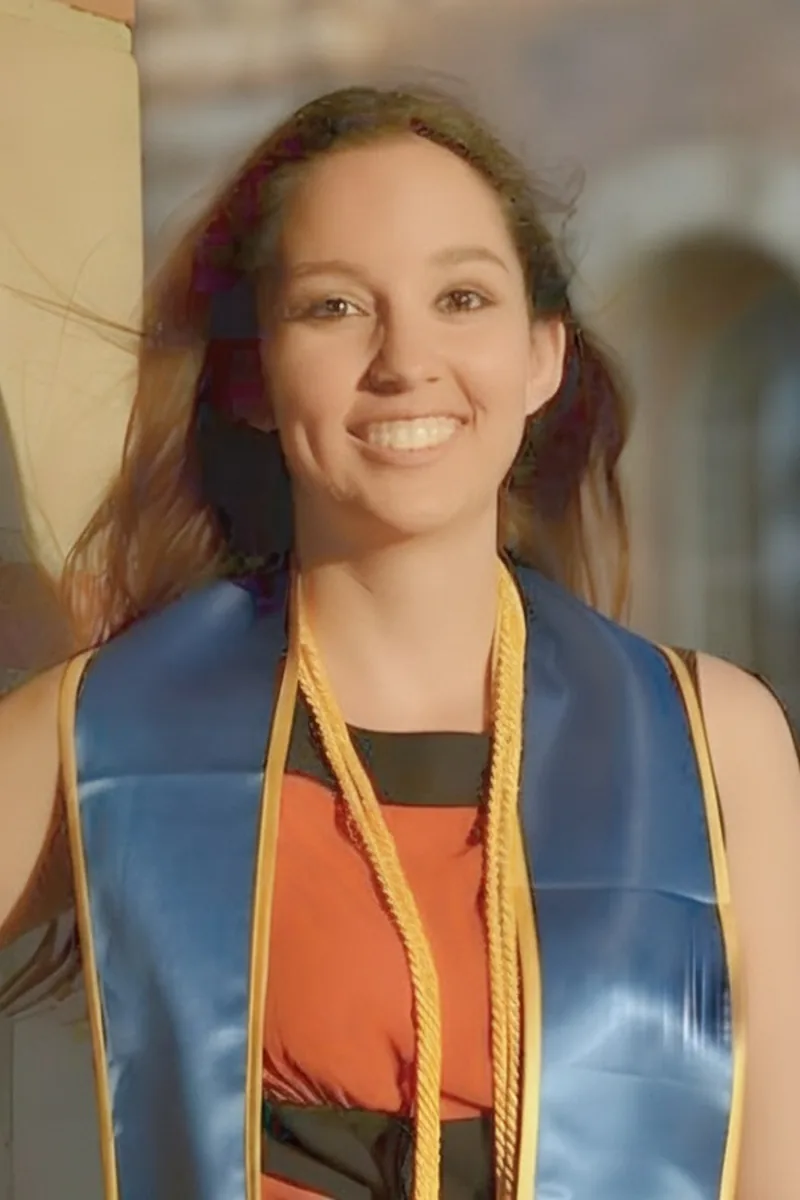
Andrea's UCLA degree is literally in Physiological Sciences, so topics like membrane potentials, renal filtration, and cardiac electrophysiology aren't textbook abstractions for her — they were her daily coursework. She unpacks complex organ-system interactions by tracing each mechanism step by step, connecting structure to function so students can reason through problems instead of relying on rote memorization. Rated 4.9 by students.
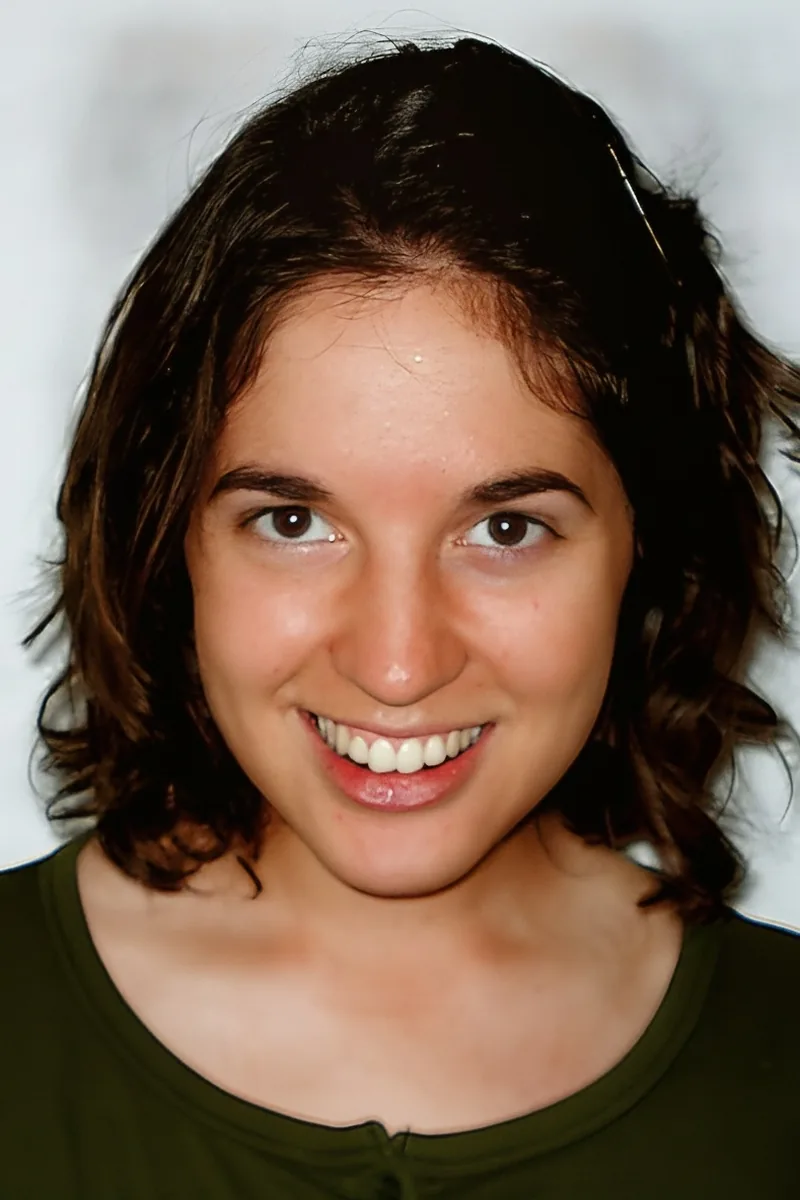
Understanding physiology means tracing cause and effect across organ systems — why a drop in blood pressure triggers a specific hormonal cascade, or how the nephron maintains electrolyte balance. Amanda's dual background in biology and anthropology gives her a unique lens for connecting physiological mechanisms to the bigger picture of how human bodies adapted over time. Rated 4.9 by students, she breaks down feedback loops and homeostatic processes into logic chains that actually stick.
Understanding how organ systems regulate themselves — from cardiac output adjustments during exercise to the hormonal feedback loops controlling blood glucose — requires more than memorizing diagrams. Nathan earned his biology degree at UCLA and went on to study nursing at Concordia, giving him both the academic foundation and the clinical perspective to unpack how the body actually functions at a systems level.
Understanding physiology means tracing cause and effect across organ systems — how a drop in blood pressure triggers the renin-angiotensin pathway, or why ventilation-perfusion mismatch leads to hypoxemia. Camille is a medical student heading into surgical training at NYU, so she unpacks these mechanisms with the clinical precision that makes complex feedback loops intuitive.
Studying how toxins disrupt normal body function means Joseph learned physiology by learning exactly how it breaks. His Cornell training in pharmacology and immunology gave him deep knowledge of organ-system integration — from renal clearance mechanisms to autonomic nervous system signaling. He walks through each system by tying structure to function and then to what happens when that function fails.
Studying physiology in medical school at Drexel meant Prateek had to master cardiac output equations, renal filtration mechanics, and neuronal action potentials at a level most tutors never reach. He unpacks complex organ-system interactions — like how the renin-angiotensin system ties the kidneys to blood pressure regulation — in a way that makes the logic visible instead of requiring brute-force memorization. Whether it's for a college course or MCAT prep, his clinical training gives him a practical edge.
Understanding physiology means tracing cause and effect across organ systems — how a drop in blood pressure triggers the renin-angiotensin pathway, or why the SA node sets heart rate. Leonard teaches these cascades as logical chains rather than isolated facts, asking students to predict what happens when one variable changes. His approach turns dense material like renal filtration or respiratory gas exchange into something students can reason through on an exam.
Emily's cell and molecular biology concentration at Duke means she learned physiology from the inside out — starting with ion channel behavior and membrane dynamics before ever reaching the organ-system level. Now in medical school at Columbia, she teaches topics like action potential propagation, glomerular filtration, and endocrine signaling with the mechanistic detail that separates surface-level understanding from real comprehension. Rated 5.0 by students.
Currently pursuing a graduate degree in physiology while holding an MBBS, Muhammad teaches this subject from both the research side and the clinical side. Whether students are wrestling with renal countercurrent mechanisms or cardiac action potentials, he unpacks the underlying logic so each system feels connected rather than isolated. His 5.0 rating speaks to how well that approach lands.
Studying physiology in a Physician Assistant program means Joyce doesn't just know how the cardiac cycle or nephron filtration works on paper — she sees these systems in clinical patients every week. That real-world context turns dense topics like action potentials, endocrine feedback loops, and gas exchange into stories with clear cause-and-effect logic.
Studying kinesiology at Rice meant Tori lived in physiology — muscle contraction cascades, cardiac output regulation, renal filtration, respiratory gas exchange — for four years. She teaches these systems by tracing cause and effect through feedback loops, so students can predict what happens when one variable changes instead of memorizing isolated facts. That systems-level thinking is exactly what physiology exams reward.
Laura's dual biology and anthropology degree from Fordham gave her an interesting vantage point on physiology — she learned human body systems both through the molecular lens of biology courses and through the evolutionary, whole-organism perspective that anthropology demands. Now pursuing her MPH in environmental health sciences at Columbia, she's especially sharp on how external factors interact with physiological processes like respiratory gas exchange or immune response cascades. Rated 5.0 by students.
Understanding physiology means thinking in systems — how cardiac output depends on stroke volume and heart rate, how nephron function maintains electrolyte balance, how feedback loops regulate hormone release. Krishna's biology degree and pre-med training at Cornell mean she's deeply immersed in these mechanisms and can explain them at the cellular, organ, and whole-body level. Her original research experience through the American Museum of Natural History adds a scientific rigor to how she unpacks complex physiological concepts.
Testimonials
Because the right Physiology tutor makes all the difference.
Average Session Rating – Based on 3.4M Learner Ratings
Other Las Vegas Tutors
Related Science Tutors in Las Vegas
Frequently Asked Questions
Physiology is the study of how living organisms and their body systems function, while anatomy focuses on structure. In physiology, you'll explore how the heart pumps blood, how muscles contract, how the nervous system processes signals, and how organs work together to maintain life. Understanding these processes is essential for students pursuing healthcare, biology, or life sciences careers.
Many students struggle with visualizing complex processes like cellular respiration, nerve impulse transmission, and homeostatic regulation—concepts that are difficult to understand from textbooks alone. Additionally, physiology requires strong foundational knowledge in chemistry and cell biology, and mastering the vocabulary can feel overwhelming. Personalized instruction helps break down these complex systems into manageable pieces and connects them to real-world applications.
In a typical Las Vegas classroom with a 22:1 student-teacher ratio, it's challenging for instructors to address individual learning gaps or adjust pacing to your needs. Personalized 1-on-1 instruction allows tutors to identify exactly where you're struggling—whether it's understanding organ systems, interpreting graphs, or applying concepts to practice problems—and tailor explanations to your learning style. This targeted approach helps you build confidence and move faster through material.
Varsity Tutors connects students with tutors for physiology at all levels, from high school AP Biology and anatomy & physiology courses to college-level Human Physiology, Mammalian Physiology, and specialized courses like Neurophysiology or Exercise Physiology. Whether you're preparing for AP exams, college prerequisites, or upper-level science courses, tutors can align instruction with your specific curriculum and learning objectives.
Your first session is an opportunity for your tutor to understand your current level, identify specific challenges, and learn how you learn best. You might review recent exams or assignments, discuss which topics feel most confusing, and set goals for what you'd like to accomplish. From there, your tutor will create a personalized plan that addresses your gaps and builds toward measurable improvement.
Bring your textbook, class notes, and any recent assignments or exams so your tutor can see exactly what you're working on. Make a list of specific topics or concepts that confuse you—whether it's the cardiovascular system, cellular transport, or hormonal regulation. Being specific helps your tutor focus on your actual needs rather than reviewing material you already understand.
Many students notice better understanding and confidence within 2-3 sessions, especially when tutoring targets specific problem areas. However, meaningful improvement in exam performance or overall mastery typically takes 4-8 weeks of consistent, focused work depending on your starting point and course demands. Regular practice between sessions, combined with personalized guidance, accelerates progress significantly.
Varsity Tutors connects you with tutors who have strong backgrounds in physiology, biology, and related sciences—many with advanced degrees, teaching experience, or healthcare training. Each tutor is vetted to ensure they can explain complex concepts clearly and help students at various levels. When you connect with a tutor, you can discuss their specific experience with your course or exam to ensure a great fit.
Let’s find your perfect tutor
Answer a few quick questions. We’ll recommend the right plan and match you with a top 5% tutor.