Award-Winning Physiology Tutors
serving Paradise, NV
Physiology
Tutors in Paradise
Private 1-on-1 tutoring, weekly live classes for academic support, test prep & enrichment, practice tests and diagnostics, and more to elevate grades and test scores.
Based on 3.4M Learner Ratings
UniversitiesSchools & Universities
DeliveredHours Delivered
ProficiencyGrowth in Proficiency
Who needs tutoring?
No obligation. Takes ~1 minute.
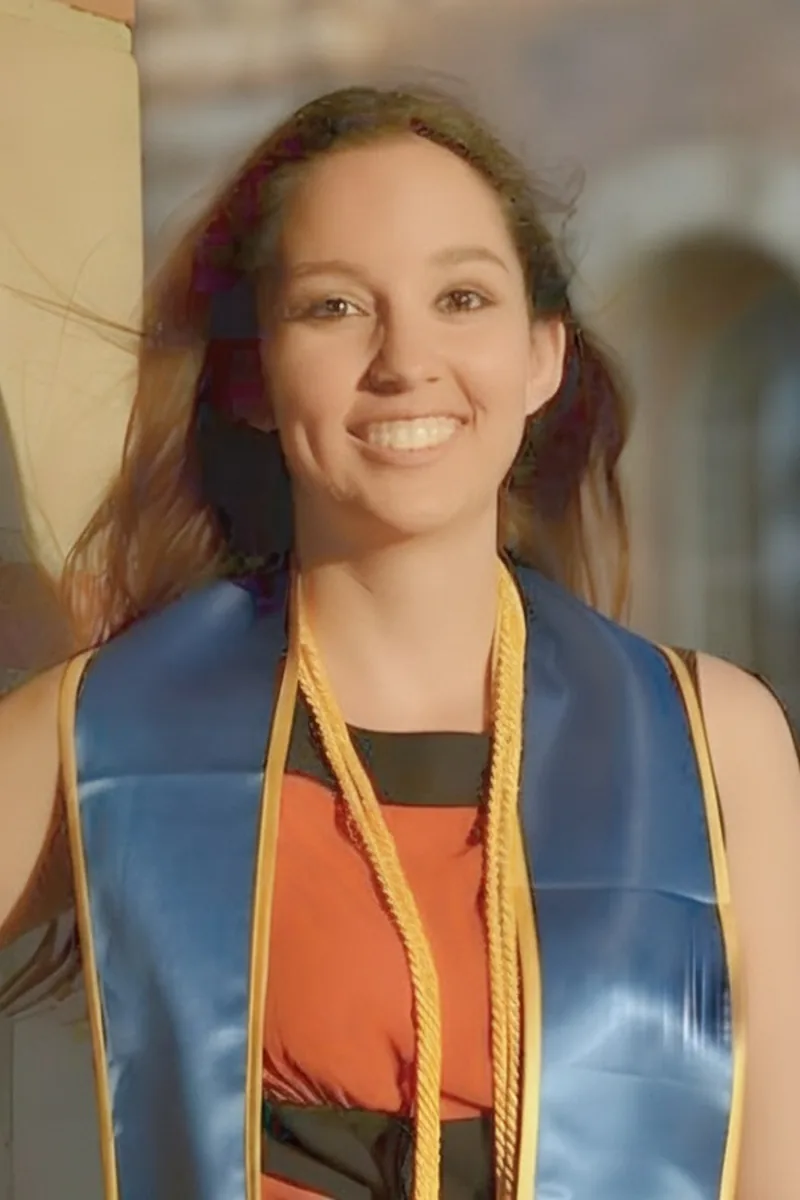
Andrea's UCLA degree is literally in Physiological Sciences, so topics like membrane potentials, renal filtration, and cardiac electrophysiology aren't textbook abstractions for her — they were her daily coursework. She unpacks complex organ-system interactions by tracing each mechanism step by step, connecting structure to function so students can reason through problems instead of relying on rote memorization. Rated 4.9 by students.
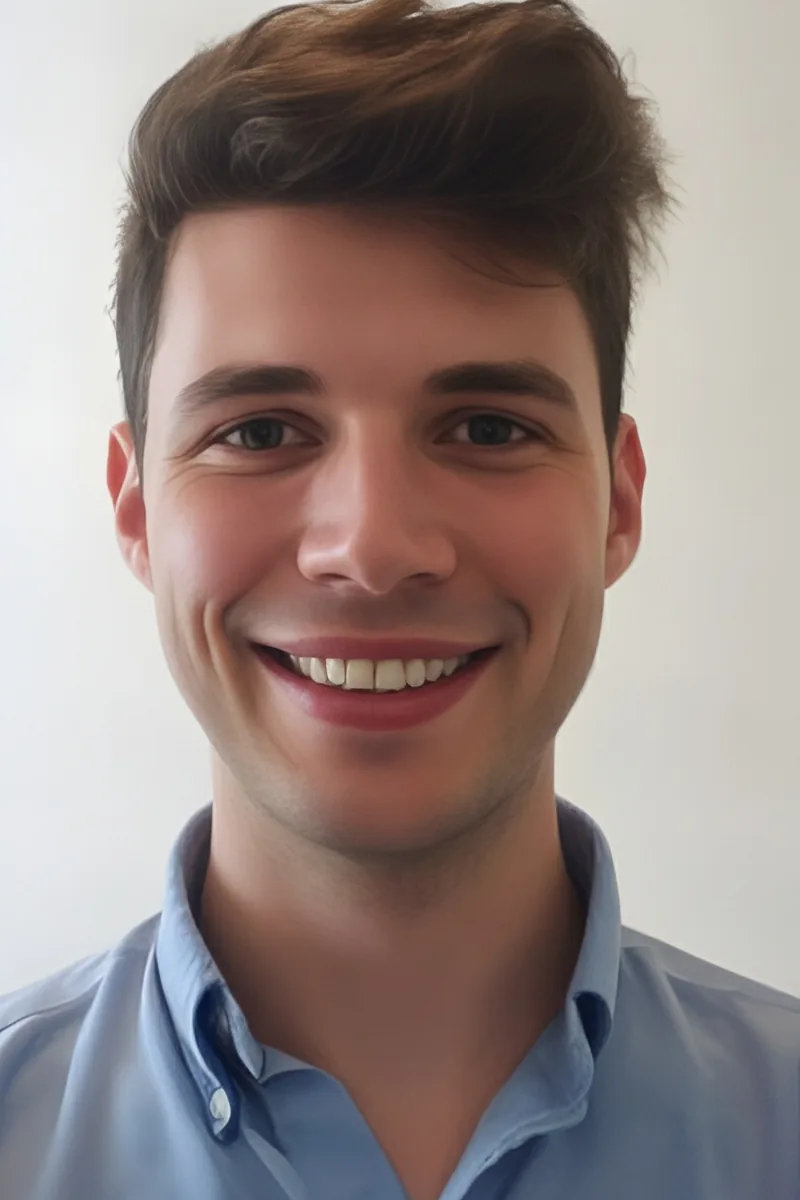
Understanding physiology means thinking in feedback loops — how the renal system adjusts to maintain blood pressure, or why the Frank-Starling mechanism governs cardiac output. Zachary's molecular biology background lets him explain these organ-level processes by tracing them down to the cellular and biochemical events driving them, which gives students a much deeper command of the material.
Understanding physiology means tracing cause and effect across organ systems — how a drop in blood pH triggers respiratory compensation, or how ion channels generate an action potential. Amin's biophysics PhD and clinical research at MGH ground his teaching in the molecular mechanisms behind each physiological process, making it easier to reason through unfamiliar scenarios on exams.
Studying therapies for Alzheimer's and Parkinson's disease as a research scientist, Anthony encounters organ-system physiology daily — from neuronal signaling cascades to cardiovascular regulation. He teaches concepts like action potentials, renal filtration, and endocrine feedback loops by connecting textbook diagrams to what actually happens in a working lab.
Kelly's cancer biology PhD at Cornell involved deep study of how cells signal, divide, and maintain homeostasis — the same organ-system physiology that dominates undergraduate coursework. She digs into membrane transport, cardiac function, and endocrine feedback loops with the precision of someone who's spent years researching how these systems break down in disease.
Studying kinesiology at Rice meant Tori lived in physiology — muscle contraction cascades, cardiac output regulation, renal filtration, respiratory gas exchange — for four years. She teaches these systems by tracing cause and effect through feedback loops, so students can predict what happens when one variable changes instead of memorizing isolated facts. That systems-level thinking is exactly what physiology exams reward.
Understanding physiology means tracing cause and effect across organ systems — why a drop in blood pH triggers faster breathing, or how the nephron maintains electrolyte balance. Paul's pre-med biology training at Brown gave him a systems-level view of the human body, and he teaches each mechanism by linking structure to function rather than treating chapters as isolated units.
Studying physiology in an MD program means Sagar doesn't just know how organ systems work — he knows how they fail, which turns out to be the fastest way to understand normal function. He unpacks topics like cardiac output regulation, renal filtration, and neuromuscular signaling by linking each mechanism to clinical examples that make the logic memorable.
Helen earned a master's in pharmacology from Tulane, which means she didn't just study physiology — she studied what happens when you manipulate it. From cardiac output equations to renal filtration mechanics, she teaches organ systems by connecting structure to function to clinical relevance.
Medical school gave Amir a deep, systems-level understanding of physiology — from renal filtration and cardiac electrophysiology to endocrine feedback loops. He breaks down complex processes like the Frank-Starling mechanism or oxygen-hemoglobin dissociation using diagrams and step-by-step visual walkthroughs that make the logic behind each system stick.
Rachel's approach to physiology leans on breaking down the overlap between systems — showing, for example, how the muscular and nervous systems coordinate during a reflex arc, or how respiratory adjustments compensate for metabolic acidosis. Her biology and anatomy teaching background means she can scaffold unfamiliar material by anchoring it to structures and processes students already know. That knack for organizing intersecting ideas into a clear sequence is what makes dense physiology content manageable.
Medical school is essentially an advanced physiology course, and Meghan applies that daily immersion to teaching concepts like action potentials, renal filtration, and cardiac cycle mechanics. She connects organ-system function to the underlying cellular biology, so students see how individual mechanisms produce whole-body outcomes.
Understanding physiology means thinking in systems — how cardiac output depends on stroke volume and heart rate, how nephron function maintains electrolyte balance, how feedback loops regulate hormone release. Krishna's biology degree and pre-med training at Cornell mean she's deeply immersed in these mechanisms and can explain them at the cellular, organ, and whole-body level. Her original research experience through the American Museum of Natural History adds a scientific rigor to how she unpacks complex physiological concepts.
Testimonials
Because the right Physiology tutor makes all the difference.
Average Session Rating – Based on 3.4M Learner Ratings
Other Paradise Tutors
Related Science Tutors in Paradise
Frequently Asked Questions
Varsity Tutors matches Paradise students with expert Physiology tutors for 1-on-1 instruction. We pair each student with a tutor based on their specific needs, learning style, and goals.
Whether you need homework help, exam prep, or want to get ahead, our Physiology tutors are ready to help.
Common challenges include gaps from earlier material, difficulty with specific concepts, and trouble applying learning to new problems. These issues can snowball quickly in Physiology.
A tutor identifies where you're stuck, fills in gaps, and provides targeted practice. The 1-on-1 format means you get help exactly where you need it.
Tutors work with your student's actual coursework—homework assignments, class notes, and upcoming tests. This keeps tutoring directly relevant to what's happening in the classroom.
When you share information about your student's school and curriculum, we can match you with a tutor who has relevant experience.
All tutors complete background checks, credential verification, and teaching evaluation. Many of our Physiology tutors hold advanced degrees or have years of teaching experience.
You can review tutor profiles to find someone with the right background for your student's level and needs.
Many students see improved grades within a few weeks, along with better understanding of Physiology concepts and more confidence tackling challenging material.
Tutors track progress and adjust their approach to ensure continued improvement.
Most students benefit from 1-2 sessions per week. More frequent sessions help if your student is significantly behind or has an important exam coming up.
Your tutor can recommend a schedule based on your student's specific situation and goals.
Tutoring is purchased in packages of hours, with rates varying by tutor experience. Varsity Tutors offers several options to fit different budgets and needs.
You can discuss pricing during your consultation to find what works best.
Your tutor will assess where your student is, discuss goals, and start working on priority areas. Most students bring current homework or upcoming test material to focus on.
By the end, you'll have a clear sense of how the tutor can help and a plan for moving forward.
Let’s find your perfect tutor
Answer a few quick questions. We’ll recommend the right plan and match you with a top 5% tutor.