Award-Winning Essay Editing Tutors
serving Lincoln, NE
Essay Editing
Tutors in Lincoln
Private 1-on-1 tutoring, weekly live classes for academic support, test prep & enrichment, practice tests and diagnostics, and more to elevate grades and test scores.
Based on 3.4M Learner Ratings
UniversitiesSchools & Universities
DeliveredHours Delivered
ProficiencyGrowth in Proficiency
Who needs tutoring?
No obligation. Takes ~1 minute.
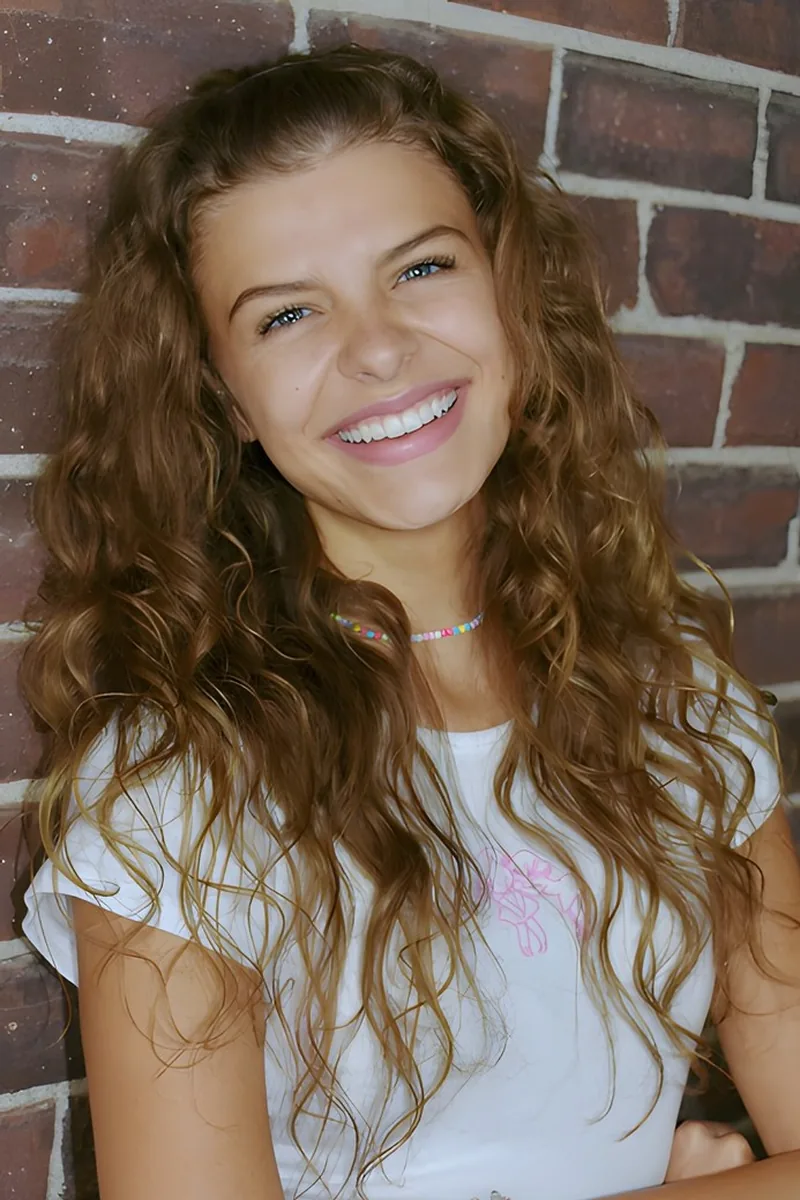
A strong essay isn't just error-free — it needs a clear argument that builds momentum from sentence to sentence. Ingrid breaks down revision into layers: first tightening the thesis and paragraph structure, then sharpening transitions, then polishing at the sentence level. Her experience writing college-level papers across music, theatre, and humanities gives her a sharp editorial eye across genres.
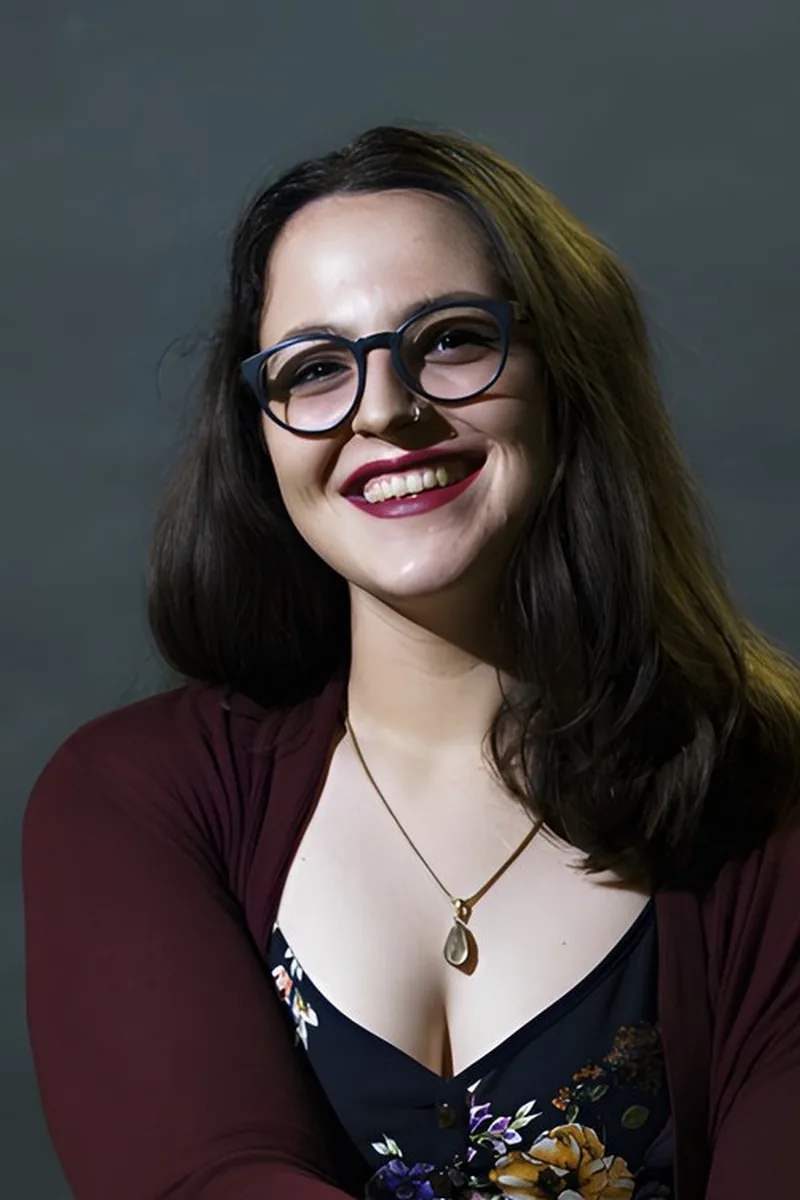
Good editing is about more than catching comma splices. Michaela approaches each draft by first identifying what the writer is actually trying to say, then tightening thesis statements, restructuring paragraphs for flow, and sharpening transitions so the argument holds together from start to finish.
Editing is where Rachel spends most of her working hours as a college writing tutor, and she's developed a sharp eye for the difference between polishing prose and actually restructuring an argument. She walks students through revision in layers: first the thesis and evidence architecture, then paragraph transitions, then sentence-level clarity and style.
Good essay editing isn't just catching comma splices — it's rethinking whether each paragraph actually earns its place in the argument. Aaron breaks the revision process into layers: first structural logic, then paragraph-level coherence, then sentence-level clarity and grammar. His dual background in science and humanities gives him range across research papers, personal narratives, and college application essays.
A strong essay usually needs a reader who can spot where the argument loses the audience — a vague thesis, a paragraph that drifts, a transition that doesn't land. Avi approaches editing structurally, tackling clarity and logical flow before moving into sentence-level polish. His scientific training makes him especially sharp at tightening reasoning and eliminating filler.
A strong essay isn't just about what you say — it's about how each sentence earns its place. Edward approaches editing by teaching students to tighten thesis statements, cut filler, and restructure paragraphs so the argument builds momentum. His own writing background includes college essays and extensive reading across genres, which sharpens his eye for clarity and voice.
I am my strongest and best self when helping others. As an enthusiastic, passionate, and dependable teacher, I am consistently working to share and engage with the material I love.
Oluwatosin edits essays the way an engineer reviews a schematic: checking that every component serves a function and that the whole structure holds together logically. He zeroes in on argument flow, paragraph transitions, and thesis clarity — the structural issues that matter more than comma placement but often get overlooked.
As an engineering student who also writes college essays and studies literature, Guillermo knows how to switch between technical precision and persuasive prose — a combination that sharpens his editorial eye. He digs into drafts at the idea level, flagging where an argument drifts or a claim needs stronger backing, then tightens sentence structure and grammar on the second pass. Rated 5.0 by students.
Editing an essay isn't just proofreading for comma splices — it's evaluating whether each paragraph earns its place and whether the argument actually progresses. Jeremy reads student drafts with an engineer's eye for structural integrity, flagging where logic gaps or weak transitions undermine an otherwise solid thesis. He then walks through revisions collaboratively so students internalize the fixes for future writing.
Good essay editing goes beyond catching comma splices. Erika zeroes in on argument structure — whether a thesis actually threads through every paragraph, whether evidence does real work or just sits there — and teaches writers to diagnose these problems on their own.
Good editing isn't just fixing commas — it's asking whether each paragraph earns its place and whether the argument actually holds together. Zachary's Classical Languages training demanded rigorous attention to syntax and structure, and he applies that same precision when reviewing student essays for clarity, coherence, and tone.
Good essay editing goes beyond fixing commas — it means restructuring an argument so each paragraph earns its place. Matthew digs into thesis clarity, evidence integration, and transitions, giving students concrete revision strategies they can apply to future papers on their own. Rated 4.9 by students, he's especially effective at tightening academic writing that feels unfocused or repetitive.
A strong essay often hides in a messy first draft — Erika's editing process zeroes in on thesis clarity, paragraph transitions, and argument structure before tackling sentence-level polish. She also teaches students how to self-edit by reading their own work with fresh eyes, a skill that pays off long after the tutoring session ends.
Editing is where James thrives most as a tutor — taking a draft that has strong ideas buried under unclear structure and reshaping it into something cohesive. He zeroes in on argument flow, transition logic, and whether each paragraph actually earns its place in the piece. Rated 5.0 by students.
Good editing isn't about catching typos — it's about restructuring an argument so each paragraph earns its place. Oen tackles drafts at the structural level first, tightening thesis statements and cutting filler, before moving into sentence-level clarity and transitions. His computer science training makes him unusually precise about logical flow in written arguments.
Good essay editing goes beyond catching comma splices — it means tightening argument structure, cutting filler, and making sure each paragraph earns its place. Natalie approaches revision systematically, starting with thesis clarity and logical flow before moving into sentence-level polish. Her science writing background makes her especially sharp at spotting vague claims that need concrete support.
Good essay editing goes beyond catching comma splices — it asks whether each paragraph earns its place and whether the argument actually progresses from one point to the next. Liz digs into structure, transitions, and evidence use before touching surface-level grammar, teaching students to self-edit with a hierarchy of concerns. Her humanities training at Washington University in St. Louis means she's comfortable editing across disciplines, from history research papers to personal narratives.
A rough draft isn't a failure — it's the real starting point. Yu approaches essay editing by teaching students to diagnose their own writing: identifying where an argument loses its thread, where evidence needs unpacking, or where a paragraph buries its strongest point. Her Master's in Education from Harvard and her own love of writing give her a sharp editorial eye paired with the pedagogical skill to explain the "why" behind every revision.
Editing someone else's essay is easy; teaching a student to edit their own is the real challenge. Valerie, who earned twenty writing awards before college, walks students through revision at every level — tightening thesis statements, restructuring paragraph flow, cutting filler, and polishing sentence-level clarity so the final draft sounds like them, only sharper.
Editing an essay well requires seeing two layers at once: whether the argument actually holds together, and whether each sentence communicates it cleanly. Sam's years of academic writing through a PhD program built sharp instincts for cutting filler, tightening transitions, and restructuring paragraphs so the logic flows. Rated 4.9 by students, he's especially useful for research papers and application essays that need both structural and line-level revision.
Good essay editing goes beyond catching comma splices — it means tightening argument structure, cutting filler, and making sure every paragraph earns its place. Phillip treats revision as a systematic process, teaching students to diagnose their own drafts for weak thesis statements, unclear transitions, and unsupported claims. His 1560 SAT score reflects the kind of careful reading and writing precision he brings to each session.
A strong essay isn't just about what you say — it's about how tightly your argument holds together sentence by sentence. Sam digs into structure, transitions, and clarity of claim, teaching students to revise with purpose rather than just polishing surface-level errors. His background writing extensively across biomedical and social sciences means he knows how to sharpen prose for any discipline.
Editing an essay well requires seeing both the forest and the trees — does the argument hold together, and does each sentence actually advance it? Shayan tackles revision at both levels, walking through thesis clarity and paragraph transitions before tightening grammar and word choice. His 5.0 rating speaks to how much students value that structured, two-pass approach.
Good editing is more than fixing commas. Jennifer treats revision as a structural exercise: Does this paragraph earn its place? Does the transition actually connect two ideas, or just sit between them? Her MAT training at NYU sharpened her ability to diagnose what's not working in a draft and explain exactly how to fix it.
A novel written under Joyce Carol Oates's mentorship, a creative writing award from Princeton, and years of professional writing have given Sash a sharp editorial eye. When editing student essays, Sash zeroes in on argument structure and paragraph-level logic first — making sure each claim earns its place — before tightening sentence-level issues like transitions, word choice, and clarity.
Good editing isn't about fixing commas — it's about asking whether each paragraph earns its place. Kathy's background in both academic writing (economics research, art history analysis) and creative work (photography, painting, personal essays) means she can tighten an argument's logic and its prose at the same time, whether the piece is a term paper or a personal statement.
Good editing isn't just catching comma splices — it's recognizing when a paragraph buries its strongest idea or when a transition leaves the reader stranded. Julie approaches every draft with a structural eye first, then tightens at the sentence level, teaching students to internalize the revision process rather than depend on someone else's red pen.
Editing someone else's essay is a different skill from writing your own — it requires diagnosing why a paragraph feels off, not just flagging a comma error. Connor approaches editing sessions by first identifying the argument's logical structure, then tightening transitions, eliminating redundancy, and clarifying claims at the sentence level. Years of scientific writing in graduate school trained him to cut ruthlessly without losing meaning.
Testimonials
Because the right Essay Editing tutor makes all the difference.
Average Session Rating – Based on 3.4M Learner Ratings
Nearby Essay Editing Tutors
Other Lincoln Tutors
Related English Tutors in Lincoln
Frequently Asked Questions
Varsity Tutors matches Lincoln students with expert Essay Editing tutors for 1-on-1 instruction. We pair each student with a tutor based on their specific needs, learning style, and goals.
Whether you need homework help, exam prep, or want to get ahead, our Essay Editing tutors are ready to help.
Common challenges include gaps from earlier material, difficulty with specific concepts, and trouble applying learning to new problems. These issues can snowball quickly in Essay Editing.
A tutor identifies where you're stuck, fills in gaps, and provides targeted practice. The 1-on-1 format means you get help exactly where you need it.
Tutors work with your student's actual coursework—homework assignments, class notes, and upcoming tests. This keeps tutoring directly relevant to what's happening in the classroom.
When you share information about your student's school and curriculum, we can match you with a tutor who has relevant experience.
All tutors complete background checks, credential verification, and teaching evaluation. Many of our Essay Editing tutors hold advanced degrees or have years of teaching experience.
You can review tutor profiles to find someone with the right background for your student's level and needs.
Many students see improved grades within a few weeks, along with better understanding of Essay Editing concepts and more confidence tackling challenging material.
Tutors track progress and adjust their approach to ensure continued improvement.
Most students benefit from 1-2 sessions per week. More frequent sessions help if your student is significantly behind or has an important exam coming up.
Your tutor can recommend a schedule based on your student's specific situation and goals.
Tutoring is purchased in packages of hours, with rates varying by tutor experience. Varsity Tutors offers several options to fit different budgets and needs.
You can discuss pricing during your consultation to find what works best.
Your tutor will assess where your student is, discuss goals, and start working on priority areas. Most students bring current homework or upcoming test material to focus on.
By the end, you'll have a clear sense of how the tutor can help and a plan for moving forward.
Let’s find your perfect tutor
Answer a few quick questions. We’ll recommend the right plan and match you with a top 5% tutor.