Award-Winning AP Spanish Literature and Culture Tutors
serving Minneapolis, MN
AP Spanish Literature and Culture
Tutors in Minneapolis
Private 1-on-1 tutoring, weekly live classes for academic support, test prep & enrichment, practice tests and diagnostics, and more to elevate grades and test scores.
Based on 3.4M Learner Ratings
UniversitiesSchools & Universities
DeliveredHours Delivered
ProficiencyGrowth in Proficiency
Who needs tutoring?
No obligation. Takes ~1 minute.

A biology major who also tutors across five levels of Spanish — from beginner through AP Language and AP Literature — Mikkel brings the same analytical precision he uses in organic chemistry to dissecting how a Borges story or a Sor Juana poem builds its argument through structure and language. His 4.8 rating suggests that methodical, science-trained approach to breaking down texts and constructing timed essays in Spanish works well for students who want clear frameworks rather than impressionistic literary hand-waving.
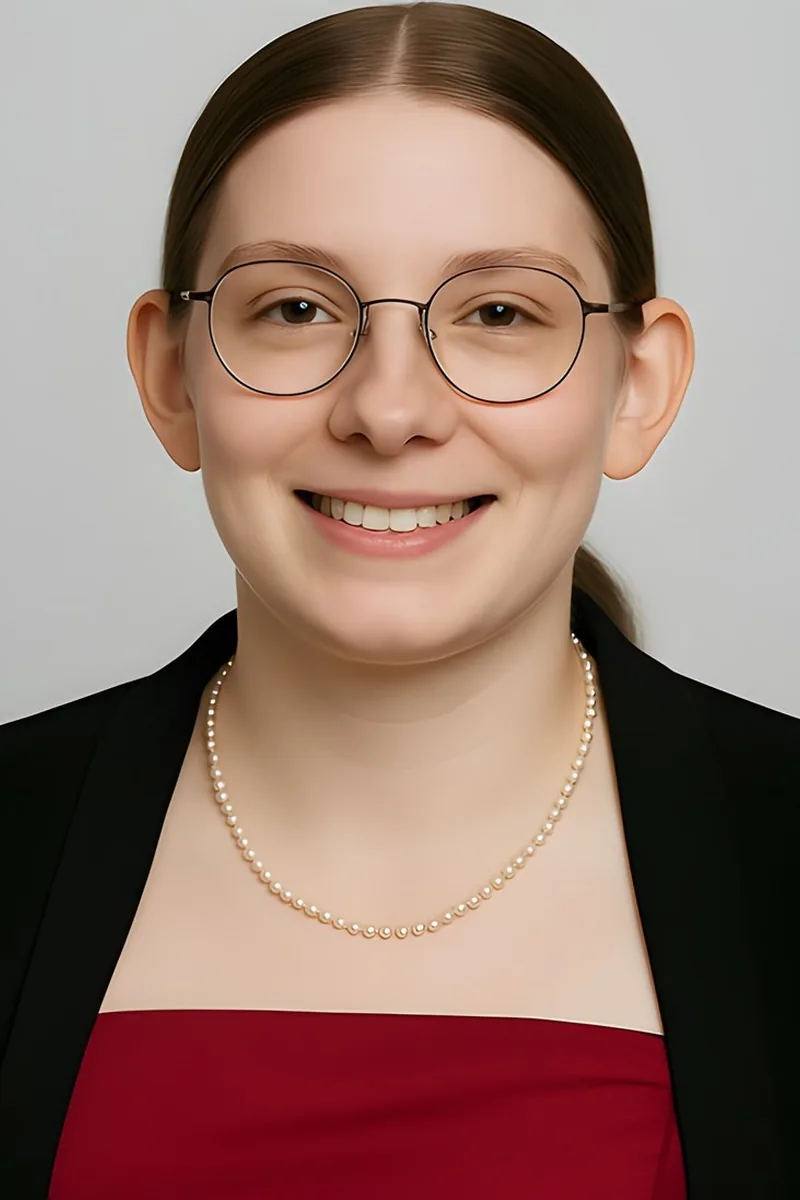
Honestly, AP Spanish Literature and Culture isn't Courtney's deepest specialty — her Spanish minor and SAT Spanish Subject Test tutoring give her solid language skills, but this exam's literary canon demands a level of cultural and analytical depth that goes beyond language proficiency alone. For students who need help with the foundational Spanish reading and writing fluency that supports literary analysis, or who want structured practice organizing timed essays, her 34 ACT and 5.0 rating reflect serious analytical chops she can apply to argument construction and textual evidence work.
Medical school sharpens one skill that translates surprisingly well to AP Spanish Literature: reading dense, complex material under pressure and extracting exactly what matters. Brianna's biology degree and Spanish tutoring experience give her the language foundation, while her test-taking discipline (1490 SAT, 32 ACT) carries over to coaching students on structuring timed analytical essays where clear argumentation counts more than literary flourish. This isn't her deepest subject, but for students who need help with the mechanics of building an evidence-based essay under exam conditions, her systematic approach fills a real gap.
Studying political science sharpened Claire's ability to read texts as arguments — identifying how authors use structure, rhetoric, and cultural context to advance a point of view, which is exactly the analytical muscle the AP Spanish Literature free-response essays test. She tutors across four levels of both Spanish and French, so she's comfortable conducting literary discussion and essay practice in the target language. Rated 5.0 by students.
Literary analysis is literary analysis whether it's in English or Spanish — and Stephen's English degree trained him to dissect how authors use structure, tone, and figurative language to build meaning, skills that transfer directly to unpacking AP reading list texts like Borges or Cervantes. His coursework across four levels of Spanish plus AP Spanish Literature and Culture means he can conduct that analysis in the target language, connecting his close-reading instincts to the essay construction the exam demands.
Learning Spanish from scratch starting in second grade and continuing through a medical Spanish interpreting internship at Rice, Sanjay knows exactly where non-native speakers stumble when reading dense literary texts — the archaic syntax in a Cervantes passage or the layered metaphor in a Darío poem. That outsider-turned-fluent trajectory gives him a toolbox of strategies for breaking down AP reading list works into manageable pieces, especially for students who feel intimidated writing timed analytical essays entirely in Spanish. His biochemistry and molecular biology degree from Rice also means he's no stranger to rigorous close reading across disciplines.
Six months living in Spain didn't just make Rebecca fluent — it gave her the cultural immersion to teach students how a Lorca play or a Pardo Bazán story sits within its specific Spanish literary moment, not just on a reading list. Her English and Philosophy degrees from Notre Dame sharpened the close-reading and argumentation skills she now applies to coaching essay construction entirely in Spanish, where building a layered thesis matters more than summarizing plot.
This isn't Vivian's core subject — her strengths center on standardized test prep and English — but her 36 ACT and 4.9 rating speak to the analytical rigor she brings to any text-based exam. For students who already have solid Spanish fluency and need help with the structural side of timed literary essays (building a thesis, organizing evidence, writing under pressure), her test-taking instincts translate well to the AP free-response format.
Margaret's psychology training gives her a specific angle on AP reading list texts — she teaches students to analyze how authors construct identity, trauma, and power dynamics in works by Burgos, Quiroga, and others, building the kind of psychologically grounded arguments that stand out in timed free-response essays. Her Spanish coursework through AP-level and her 1550 SAT sharpen the analytical reading and structured writing skills the exam demands, even if literature isn't her primary lane.
Four years of TA'ing Spanish at Dartmouth using the Rassias method — an approach built around verb structure, syntax, and pronunciation drills — gave Elise an instinct for how language mechanics shape literary meaning, which is exactly what the AP exam's analytical essays reward. Her Comparative Literature degree with a Spanish concentration means she's trained to read across traditions and trace how formal choices in a Sor Juana sonnet or a Rulfo story carry thematic weight. Rated 5.0 by students.
Before college, Heather's high school Spanish teacher trusted her enough to refer another student to her for one-on-one tutoring — the kind of endorsement that speaks to genuine command of the language beyond classroom basics. Her psychology training adds a useful angle for AP Literature essays where character motivation and identity themes drive the analysis, and she brings patient, structured coaching to students who get overwhelmed by timed writing in Spanish. Rated 5.0 by students.
AP Spanish Literature and Culture asks students to analyze works from Cervantes to García Márquez in the target language — a challenge that demands both literary skill and genuine fluency. Philip is a fluent Spanish speaker who has also tutored the language at Carnegie Mellon for over a year, so he can unpack themes like "las sociedades en contacto" and rhetorical devices without defaulting to English. He teaches students to write analytical commentary in Spanish that earns top marks on the free-response sections.
Ysatris's psychology degree gives her a particular angle on the AP reading list — she's trained to analyze human behavior, which translates naturally into unpacking character motivation and identity themes in works by authors like Burgos or García Márquez. She also teaches AP Spanish Language & Culture and conversational Spanish, so essay construction and literary discussion happen in Spanish from the start. Her Magna Cum Laude honors from UIUC speak to the academic rigor she brings to timed analytical writing.
A cellular and molecular biology major might seem like an unlikely fit for this exam, but Isaac's 35 ACT and his coursework in AP Spanish give him the analytical reading skills and structured argumentation that the free-response essays demand — thesis construction, evidence selection, and writing under time pressure. For students who already have strong Spanish fluency and need someone to sharpen the mechanics of timed literary analysis, his science-trained precision translates surprisingly well.
Testimonials
Because the right AP Spanish Literature and Culture tutor makes all the difference.
Average Session Rating – Based on 3.4M Learner Ratings
Nearby AP Spanish Literature and Culture Tutors
Other Minneapolis Tutors
Related Languages Tutors in Minneapolis
Frequently Asked Questions
AP Spanish Literature and Culture focuses on analyzing literary texts in Spanish across six thematic units: family and community, personal and public identities, folklore and cultural perspectives, social institutions, beauty and aesthetics, and science and technology. Students read a required reading list of Spanish and Latin American authors, develop close reading skills, and explore how literature reflects cultural values. The exam tests your ability to analyze texts, understand literary devices, and discuss cultural contexts through both multiple-choice questions and free-response essays.
Many students struggle with the combination of advanced Spanish language skills and sophisticated literary analysis—you need both fluency and the ability to interpret complex themes, symbolism, and cultural nuances. The timed essay sections can be particularly challenging since you must write coherent arguments in Spanish under pressure while analyzing unfamiliar texts. Additionally, the required reading list is substantial, and students often find it difficult to balance deep comprehension of assigned works with developing analytical skills for unseen passages on the exam.
Score improvement depends on your starting point and consistency with preparation, but personalized 1-on-1 instruction typically helps students strengthen weak areas significantly—whether that's essay writing, textual analysis, or vocabulary retention. Many students see meaningful gains by working with a tutor to develop systematic approaches to analyzing unfamiliar texts, practicing timed writing, and deepening their understanding of the required reading list. The key is identifying your specific challenges early (essay structure, cultural context comprehension, time management) and addressing them with targeted practice.
Successful test-takers use active reading strategies like annotating for theme, tone, and literary devices before answering multiple-choice questions—this helps you avoid common traps and answer more confidently. For the free-response essays, many students benefit from spending 2-3 minutes planning their argument before writing, which improves coherence and reduces the need for major revisions. Time management is critical: allocate roughly 40 minutes for the multiple-choice section (55 questions) and practice writing essays within the 40-minute time limit so you're comfortable with pacing on test day.
Most students benefit from beginning focused exam preparation 3-4 months before the May test date, though this varies based on your current Spanish proficiency and familiarity with literary analysis. A typical preparation schedule includes completing the required reading list, reviewing literary terminology and analytical frameworks, practicing timed essays weekly, and taking full-length practice tests 4-6 weeks before the exam. If you're working with a tutor, they can help you create a personalized timeline based on which areas need the most attention—whether that's essay writing, reading comprehension, or cultural analysis.
Your first session typically focuses on assessing your current strengths and identifying specific areas for improvement—a tutor might ask you to analyze a sample text, review an essay you've written, or discuss the required reading list to understand your comprehension level. This diagnostic approach helps tutors create a personalized plan targeting your needs, whether that's building essay-writing skills, deepening cultural analysis, or improving reading speed and comprehension. You'll also discuss your goals (target score, timeline) and establish a study schedule that fits your other commitments.
Strong essays require both clear argumentation in Spanish and specific textual evidence—practice structuring your essays with a clear thesis, topic sentences that support your argument, and direct quotes or references to the texts you're analyzing. Many students improve by writing practice essays under timed conditions and getting feedback on organization, grammar, and the depth of literary analysis. Working through the required reading list with close attention to themes, character development, and author's purpose gives you the textual knowledge needed to write confident, detailed essays during the exam.
Varsity Tutors connects Minneapolis students with expert tutors who specialize in AP Spanish Literature and Culture and understand both the curriculum and the exam format. When you get matched with a tutor, you can discuss their experience with the required reading list, their approach to teaching literary analysis, and their track record helping students improve their scores. Personalized 1-on-1 instruction allows tutors to focus on your specific challenges—whether that's essay writing, time management, or deepening your cultural analysis—at your own pace.
Let’s find your perfect tutor
Answer a few quick questions. We’ll recommend the right plan and match you with a top 5% tutor.