Award-Winning AP Chinese Language and Culture Tutors
serving Minneapolis, MN
AP Chinese Language and Culture
Tutors in Minneapolis
Private 1-on-1 tutoring, weekly live classes for academic support, test prep & enrichment, practice tests and diagnostics, and more to elevate grades and test scores.
Based on 3.4M Learner Ratings
UniversitiesSchools & Universities
DeliveredHours Delivered
ProficiencyGrowth in Proficiency
Who needs tutoring?
No obligation. Takes ~1 minute.

The AP Chinese exam's cultural comparison essays reward students who can draw on genuine cross-cultural experience — and as a Mandarin Chinese speaker studying at the University of Minnesota, Amy lives that dual perspective daily. She also teaches across multiple Mandarin levels, so she can identify gaps in a student's formal written register or listening comprehension and target those specific weaknesses before exam day.
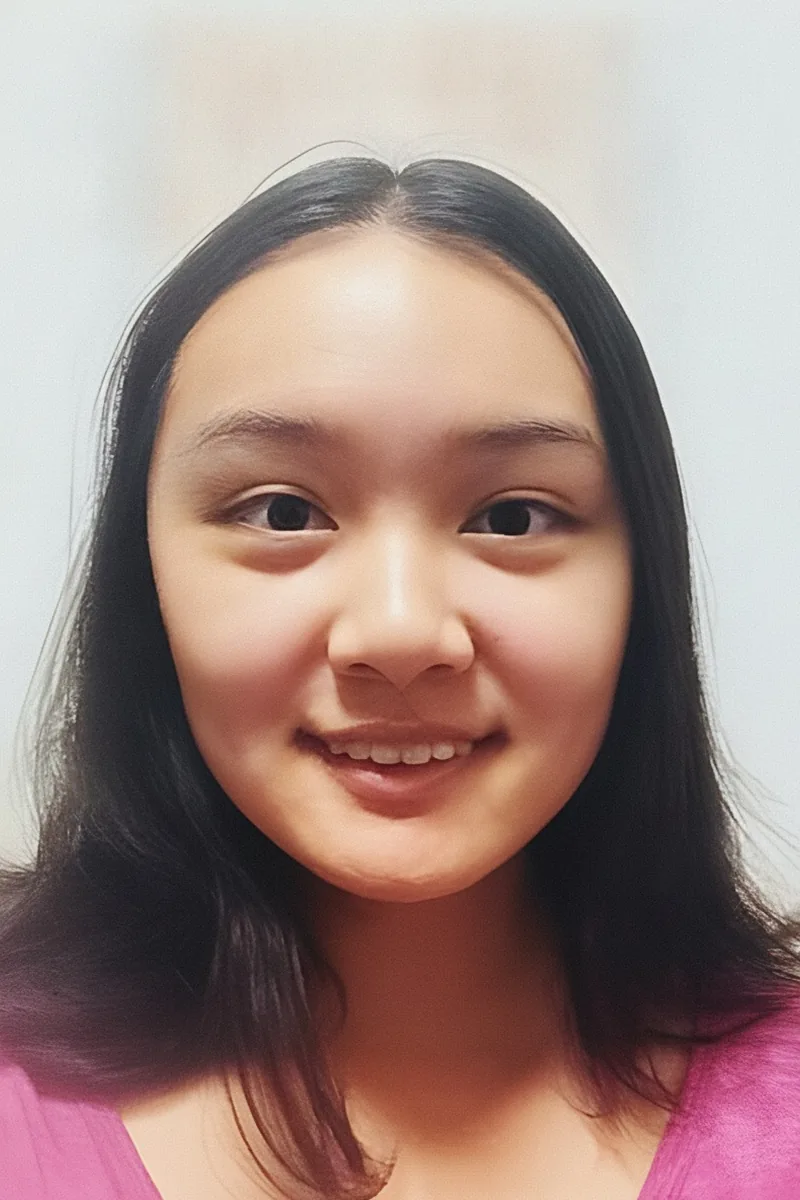
Minoring in Chinese at Northeastern while pursuing a pharmacy degree, Amy uses the language daily in academic contexts — reading research, discussing coursework — which builds the kind of formal register fluency the AP Chinese exam's interpretive reading and presentational writing sections actually test. Her 4.9 rating from students reflects a knack for breaking complex characters and grammatical structures into manageable patterns, and she draws on her own experience as a heritage learner to bridge gaps between conversational Mandarin and the academic-level precision the exam demands.
Eileen scored well enough on the SAT Subject Test in Chinese with Listening to understand both the language mechanics and the test strategy behind AP Chinese. She tackles the interpersonal and presentational communication tasks by drilling real conversational patterns and teaching students how to structure spoken and written responses under timed conditions.
The culture component of AP Chinese Language and Culture is where many students lose points — understanding idioms, social registers, and cultural practices well enough to respond authentically under timed conditions. Jiahao's graduate training in interpretation at Beijing Foreign Studies University was built around exactly this kind of cross-cultural fluency, and he brings that depth to every practice prompt and free-response drill.
The AP Chinese Language and Culture exam rewards students who can think culturally, not just linguistically — comparing traditions, explaining customs, and narrating personal experiences in natural Mandarin. Lauren lived in Nanjing and studied at Nanjing University, so she brings real-world cultural fluency to the interpersonal and presentational tasks that trip up even strong speakers. Her linguistics degree also means she can explain tricky grammar patterns with unusual clarity.
The cultural comparison essay on the AP Chinese Language and Culture exam trips up even strong speakers because it requires analytical writing, not just language proficiency. Julie's philosophy training at Princeton sharpens exactly that skill — breaking down a prompt, organizing a clear argument, and supporting it with specific cultural knowledge. She brings that structured thinking to every section of the exam.
Patricia's favorite subjects to tutor include beginner's and intermediate Chinese, and she brings that same enthusiasm to AP-level prep — particularly the listening comprehension and reading sections where students need to parse formal written Mandarin beyond everyday conversation. She also teaches across multiple Mandarin levels, so she can quickly identify which foundational gaps in grammar or vocabulary are holding a student back on timed exam tasks.
A native Mandarin speaker with undergraduate roots at Wuhan University — one of China's top ten — Albert brings an insider's grasp of the idiomatic phrasing, formal registers, and cultural references that the AP Chinese exam's interpersonal speaking and listening sections demand. His dual MBA training at UCLA and London Business School also means he can coach the presentational writing tasks with the kind of structured argumentation that earns top rubric scores.
Jess studies public policy and peace, war, and defense at UNC Chapel Hill — a program steeped in the kind of geopolitical and diplomatic context that gives AP Chinese cultural comparison essays real substance instead of generic observations. She speaks Mandarin conversationally and teaches it across multiple levels, so she can coach students on bridging the gap between everyday spoken Chinese and the formal presentational writing register the exam actually scores.
Having studied French through level 4 and Mandarin Chinese across multiple levels, Noah approaches AP Chinese prep as someone who understands the mechanics of learning tonal languages from the inside — particularly the listening comprehension sections where untrained ears miss contextual shifts in rapid spoken Mandarin. His actuarial science training also lends an unusually methodical structure to exam prep, breaking the cultural comparison essays into scoreable components so students know exactly what earns points.
Fluent in Mandarin and experienced with the AP Chinese exam format, JF tackles the presentational writing and interpersonal speaking components that trip up even heritage speakers. He digs into the cultural comparison prompts specifically, showing students how to structure responses that hit every rubric criterion.
Fifteen years growing up in Taiwan gave James native-level Mandarin and the kind of deep cultural intuition that's hard to teach from a textbook — especially useful for the AP exam's interpersonal speaking prompts, where natural tone, register, and cultural awareness separate top scores. He also tutors across five levels of Mandarin, so he can quickly pinpoint whether a student's struggle is grammatical, vocabulary-based, or rooted in unfamiliarity with formal written Chinese. Rated 5.0 by students.
As a native Mandarin speaker who has passed China's national proficiency test and written her own leveled grammar curriculum, Tina knows exactly what AP Chinese examiners expect in listening, reading, and presentational writing. She drills the cultural comparison essay format and interpersonal speaking prompts so students walk into the exam with a rehearsed strategy, not just vocabulary lists.
Testimonials
Because the right AP Chinese Language and Culture tutor makes all the difference.
Average Session Rating – Based on 3.4M Learner Ratings
Nearby AP Chinese Language and Culture Tutors
Other Minneapolis Tutors
Related Languages Tutors in Minneapolis
Frequently Asked Questions
The AP Chinese Language and Culture exam tests proficiency across listening, reading, writing, and speaking skills at the intermediate-high to advanced level on the ACTFL proficiency scale. The exam includes multiple-choice sections for listening and reading comprehension, a free-response writing section, and a speaking component with interpersonal and presentational tasks. Success requires not just language skills but also cultural understanding, as the exam integrates authentic materials like news articles, podcasts, and videos that reflect contemporary Chinese culture.
AP Chinese is considered one of the more challenging AP exams because it requires sustained language development over multiple years—most students need 3-4 years of high school Chinese study to be well-prepared. Unlike content-based APs, you're being evaluated on active language production (speaking and writing), not just knowledge recall, which demands consistent practice and real-world application. However, students who've built a strong foundation in vocabulary, grammar, and cultural context often find the exam manageable with focused preparation.
The speaking section intimidates many students because it requires real-time language production without the ability to edit or revise—you have limited time to formulate responses in Mandarin. Common struggles include organizing thoughts quickly, managing pronunciation and tones under pressure, and balancing grammatical accuracy with fluency. Personalized tutoring helps by providing a low-pressure environment to practice speaking regularly, receive immediate feedback on pronunciation and tone, and develop strategies for structuring responses efficiently during the timed exam sections.
Reading improvement comes from consistent exposure to authentic materials—news articles, essays, and social media posts written for native speakers—combined with active vocabulary building and recognition of common grammatical patterns. For writing, focus on mastering email and essay formats, practicing character writing (or typing in Pinyin if using simplified input), and learning to express complex ideas with appropriate register and cultural nuance. A tutor can help you analyze your mistakes systematically, expand your active vocabulary, and develop templates for common essay structures that save time during the exam.
Score improvement depends on your starting point and consistency—students who begin tutoring 3-4 months before the exam and practice weekly typically see measurable gains, especially in speaking and writing sections where personalized feedback makes the biggest difference. If you're aiming to move from a 3 to a 4 or 5, targeted tutoring focusing on your weak areas (like tonal accuracy, essay organization, or listening comprehension speed) can be highly effective. The key is identifying exactly where you're losing points and building specific skills rather than reviewing material broadly.
Ideally, tutoring is most impactful in the 3-4 months leading up to the May exam, though starting earlier allows time to address foundational gaps in vocabulary, grammar, or cultural knowledge. If you're struggling with specific sections like the speaking component or essay writing, beginning tutoring as soon as you identify the challenge gives you time to practice and build confidence. Even a few weeks of focused, personalized instruction can help you refine test-taking strategies, manage timing, and reduce test anxiety before exam day.
Look for tutors who have native or near-native proficiency in Mandarin Chinese, ideally with experience teaching the AP Chinese curriculum specifically or working with advanced learners. Relevant credentials might include a degree in Chinese language/linguistics, teaching certification, or a strong track record of helping students improve their AP Chinese scores. Beyond credentials, the best tutors understand both the exam format and the cultural context woven throughout the test, and can explain nuanced grammar points and cultural references clearly.
Your first session typically focuses on assessing your current proficiency level across all four skills (listening, reading, writing, speaking) and identifying your specific weak areas—whether that's tonal accuracy, essay structure, listening speed, or cultural knowledge. The tutor will ask about your exam timeline, your goals (target score), and what you've already tried, then create a personalized plan that prioritizes the areas where you'll gain the most points. This foundation ensures your tutoring time is spent strategically on what matters most for your success on test day.
Let’s find your perfect tutor
Answer a few quick questions. We’ll recommend the right plan and match you with a top 5% tutor.