Award-Winning AP English Literature and Composition Tutors
serving Grand Rapids, MI
AP English Literature and Composition
Tutors in Grand Rapids
Private 1-on-1 tutoring, weekly live classes for academic support, test prep & enrichment, practice tests and diagnostics, and more to elevate grades and test scores.
Based on 3.4M Learner Ratings
UniversitiesSchools & Universities
DeliveredHours Delivered
ProficiencyGrowth in Proficiency
Who needs tutoring?
No obligation. Takes ~1 minute.

Analyzing how a poet's syntax mirrors emotional tension, or tracing a novel's symbolic architecture across 300 pages — AP Lit demands close reading at a level most high schoolers haven't encountered before. Martha's experience writing analytical papers at Duke and editing college essays sharpens her ability to teach students how to build a thesis from textual evidence and defend it in a timed essay.
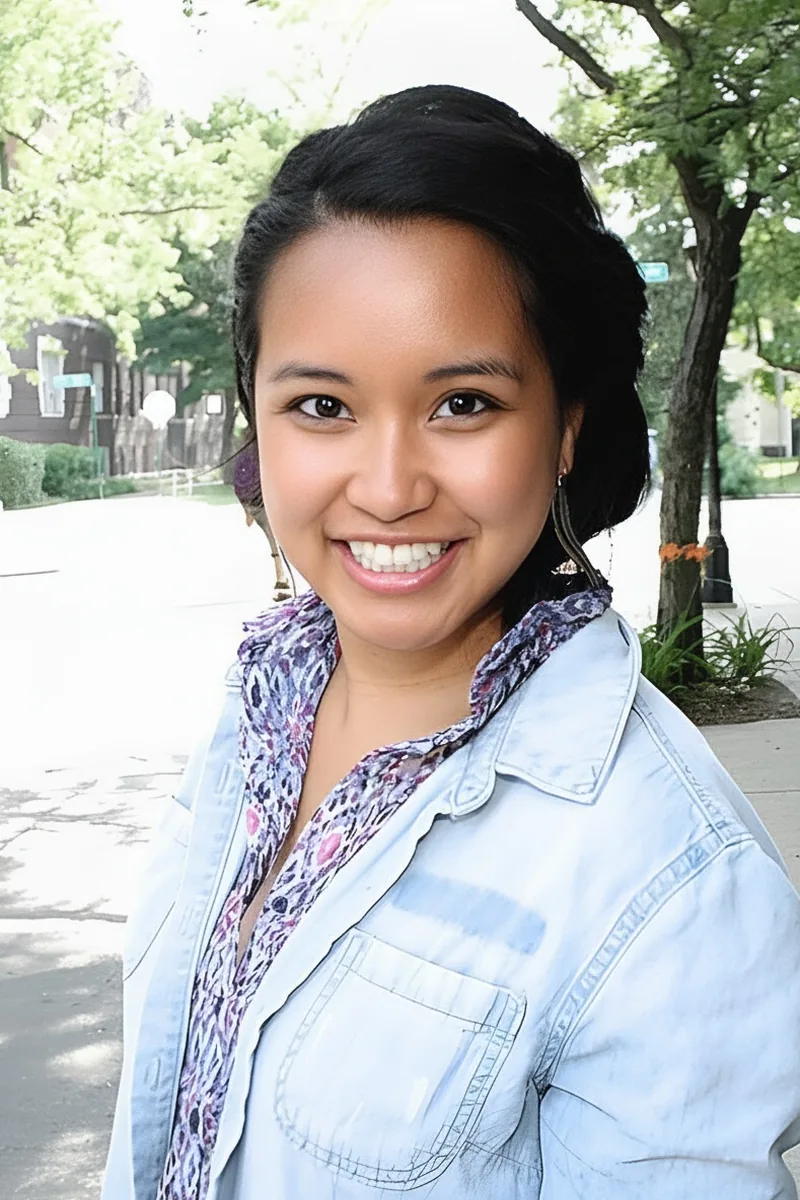
AP English Lit lives at the intersection of close reading and persuasive writing, and Joanne has spent years sharpening both skills — first through her English degree at Santa Clara and then through graduate work at Michigan. She digs into how students construct thesis-driven essays on poetry and prose, teaching them to move from surface-level plot summary to arguments about imagery, structure, and narrative voice that earn top scores.
AP Lit asks students to do something genuinely difficult: read a poem or passage they've never seen and produce a persuasive analytical essay in 40 minutes. Allie's Creative Writing degree gives her an insider's understanding of literary craft — how authors manipulate syntax, imagery, and structure to create meaning. She teaches students to move from vague observations like "the tone is dark" to precise claims about diction and figurative language that earn top-tier essay scores.
AP Lit's free-response questions reward students who can move past plot summary and build an argument about how literary techniques create meaning. Andrew studied literature at the undergraduate level and later sharpened his argumentative writing through law school, so he teaches students to construct thesis-driven essays that connect imagery, diction, and structure to a poem's or novel's larger purpose. That combination of literary knowledge and persuasive writing skill shows in his 4.8 rating.
AP Lit asks students to do something uncomfortable: defend an interpretation of a poem or passage they've never seen before, in forty minutes, with textual evidence. Cassandra approaches this as an analytical challenge, teaching students to identify literary devices like tone shifts and figurative language and then convert those observations into a coherent argument. Her science background actually sharpens this process — she treats close reading like hypothesis testing.
AP Lit asks students to do something genuinely difficult: read a poem or prose passage cold and produce a polished literary argument in forty minutes. Jean's dual background in history and law sharpened her ability to construct tight, evidence-driven arguments under pressure — exactly the skill this exam rewards. She teaches students to move past plot summary and dig into how literary devices like imagery, tone shifts, and narrative structure create meaning.
AP Lit asks students to do something genuinely difficult: read a poem or prose passage cold and produce a polished analytical essay under time pressure. Wallis studied Russian and Art History at Sewanee, which means she spent four years dissecting literary and visual texts for symbolism, tone, and structural choices. She teaches students to build arguments around specific textual evidence rather than vague thematic summaries.
AP English Literature asks students to do something genuinely difficult: read a poem or prose passage they've never seen and write a polished analytical essay in forty minutes. Amy digs into the specific skills that earn high scores — identifying literary devices like free indirect discourse or shifts in tone, then weaving those observations into a thesis-driven argument. As a college English major and lifelong reader, she knows this territory intimately.
AP Lit asks students to do something most haven't practiced: write a polished literary argument under pressure, using textual evidence with precision. David breaks down each essay type — the poetry analysis, the prose fiction analysis, the literary argument — and shows how to build a thesis that goes beyond plot summary into genuine interpretation.
AP English Literature asks students to do something genuinely hard: read a poem or passage cold and produce a coherent analytical essay under time pressure. Kahini earned her English degree at Brown, where close reading of literary form — meter, narrative structure, figurative language — was the daily expectation. She teaches students to build an argument from a single textual detail outward rather than summarizing plot.
AP Lit essays live or die on how well a student can connect a specific literary device to the text's larger meaning — not just spotting the metaphor, but explaining what it *does*. Kenan's background across literature and analytical writing means he can coach both the close-reading instinct and the timed-essay structure the exam demands, from poetry analysis to the open-ended prompt.
AP Lit demands more than knowing what a poem or novel is about — it requires writing about how literary choices create meaning under serious time pressure. Rebecca's English degree from Notre Dame, paired with her deep reading background in comparative literature and philosophy, gives her a sharp eye for the kind of close-reading analysis that earns high marks on poetry and prose essays.
AP Lit asks students to do something genuinely difficult: read a poem or prose passage cold and produce a polished analytical essay in forty minutes. Hasan studied Literary Arts at Brown, where his coursework ranged from contemporary American fiction to ancient Indian classics, giving him the interpretive toolkit to teach students how to unpack imagery, structure, and narrative voice under exam conditions.
AP Lit asks students to do something most haven't practiced — write analytically about how a poem's structure or a novel's narrative technique creates meaning, not just summarize plot. As a Yale humanities student and avid reader, Tessa digs into the close-reading skills that earn high marks on the poetry free-response and the open-ended essay. She's particularly sharp on teaching students to move from observation ('there's a metaphor here') to argument ('here's what it does and why it matters').
Poetry analysis is where Carla comes alive. Her deep background in English literature means she can teach students to unpack a Dickinson poem's slant rhyme or trace the symbolic architecture of a Toni Morrison novel — exactly the kind of close reading that earns high marks on AP Lit free-response essays. She also coaches students on managing the multiple-choice section's time pressure without sacrificing careful reading.
Testimonials
Because the right AP English Literature and Composition tutor makes all the difference.
Average Session Rating – Based on 3.4M Learner Ratings
Practice AP English Literature and Composition
Free practice tests, flashcards, and AI tutoring for AP English Literature and Composition
Nearby AP English Literature and Composition Tutors
Other Grand Rapids Tutors
Related English Tutors in Grand Rapids
Frequently Asked Questions
The AP English Literature and Composition exam tests your ability to analyze and interpret literature across multiple genres—poetry, prose, and drama. You'll encounter close reading passages, answer multiple-choice questions about literary devices and themes, and write three essays: one analyzing a provided passage, one comparing two texts, and one exploring a work of your choice. The exam emphasizes understanding how authors use language, structure, and literary techniques to create meaning.
Score improvement depends on your starting point and how consistently you engage with focused practice. Many students who work with tutors see meaningful gains—typically 1-3 points on the 1-5 scale—by identifying weak areas (like recognizing figurative language or structuring essays) and practicing targeted strategies. The key is starting early enough to build skills gradually rather than cramming, and getting feedback on actual practice essays, which is where most students struggle.
Students often struggle most with time management—the exam gives you just 3 hours to read passages, answer 55 multiple-choice questions, and write three essays. Many also find it difficult to identify and analyze literary devices quickly under pressure, or to develop strong thesis statements for timed essays. Understanding what makes an essay score a 9 versus a 6 is another common gap; tutors can show you exactly what graders are looking for in your argument and evidence.
Your first session focuses on understanding where you stand. Tutors typically review your current skills by looking at a practice passage or essay you've completed, discuss your goals (are you aiming for a 3, 4, or 5?), and identify which sections need the most work—whether that's close reading, essay structure, or test pacing. From there, you'll develop a personalized study plan with specific focus areas and a timeline leading up to exam day.
Each essay has a different purpose: the passage analysis essay asks you to examine how an author creates meaning in a specific text, the comparative essay requires you to find meaningful connections between two works, and the free-response essay lets you choose any work to explore a theme or literary element. Strong essays across all three share the same foundation—a clear thesis, specific textual evidence, and precise analysis of how that evidence supports your argument. Tutors can help you develop templates and strategies to write confidently under the 40-minute time constraint for each essay.
Most students benefit from taking a full practice test every 2-3 weeks, starting about 8-10 weeks before the exam. The real value comes from reviewing your results carefully—identifying which types of questions you missed (inference questions, symbolism, tone) and why, then targeting those weak areas with focused practice. Tutors can help you analyze your practice test results to spot patterns you might miss on your own, and guide you through timed essay practice with detailed feedback on your writing.
The exam doesn't require you to have read any specific works—you're tested on your ability to analyze unfamiliar passages and texts on the spot. That said, building familiarity with a range of literary styles, genres, and time periods strengthens your analytical skills and confidence. Many students benefit from reading 3-5 classic or contemporary works before the exam, which also gives you strong options for the free-response essay where you choose a work to discuss.
Varsity Tutors connects you with tutors for students in Grand Rapids who specialize in AP English Literature and Composition and understand the specific demands of the exam. You can get matched with a tutor who fits your schedule and learning style, whether you need help with close reading, essay writing, or full exam preparation. The process is straightforward—share your goals and timeline, and get connected with someone ready to help you succeed.
Let’s find your perfect tutor
Answer a few quick questions. We’ll recommend the right plan and match you with a top 5% tutor.