Award-Winning German Tutors
serving Detroit, MI
German
Tutors in Detroit
Private 1-on-1 tutoring, weekly live classes for academic support, test prep & enrichment, practice tests and diagnostics, and more to elevate grades and test scores.
Based on 3.4M Learner Ratings
UniversitiesSchools & Universities
DeliveredHours Delivered
ProficiencyGrowth in Proficiency
Who needs tutoring?
No obligation. Takes ~1 minute.
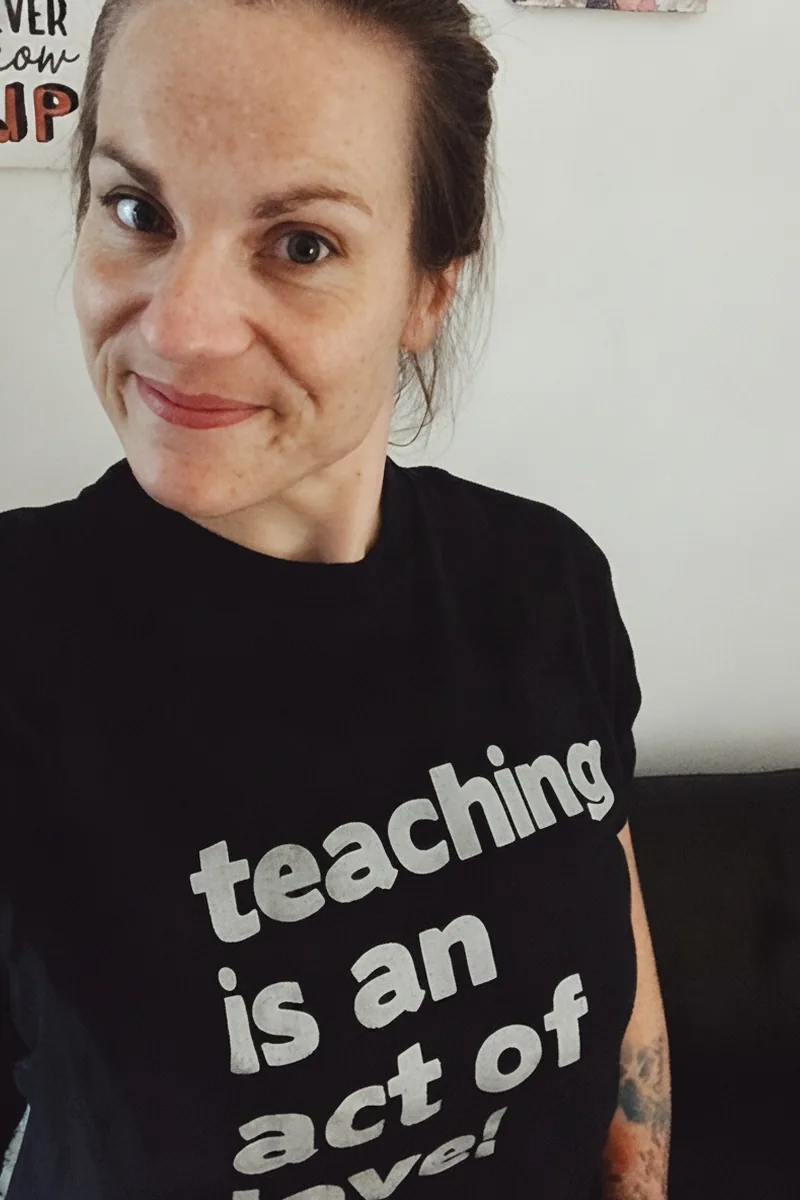
German's case system and word order trip up almost every English speaker, but those patterns become predictable once a student understands the underlying logic. Nicole teaches German at multiple levels — from basic noun genders and accusative/dative distinctions through advanced reading and composition — drawing on her formal linguistics training to make the grammar feel like a puzzle rather than a burden. Her 4.9 rating speaks to how well that analytical approach lands with students.
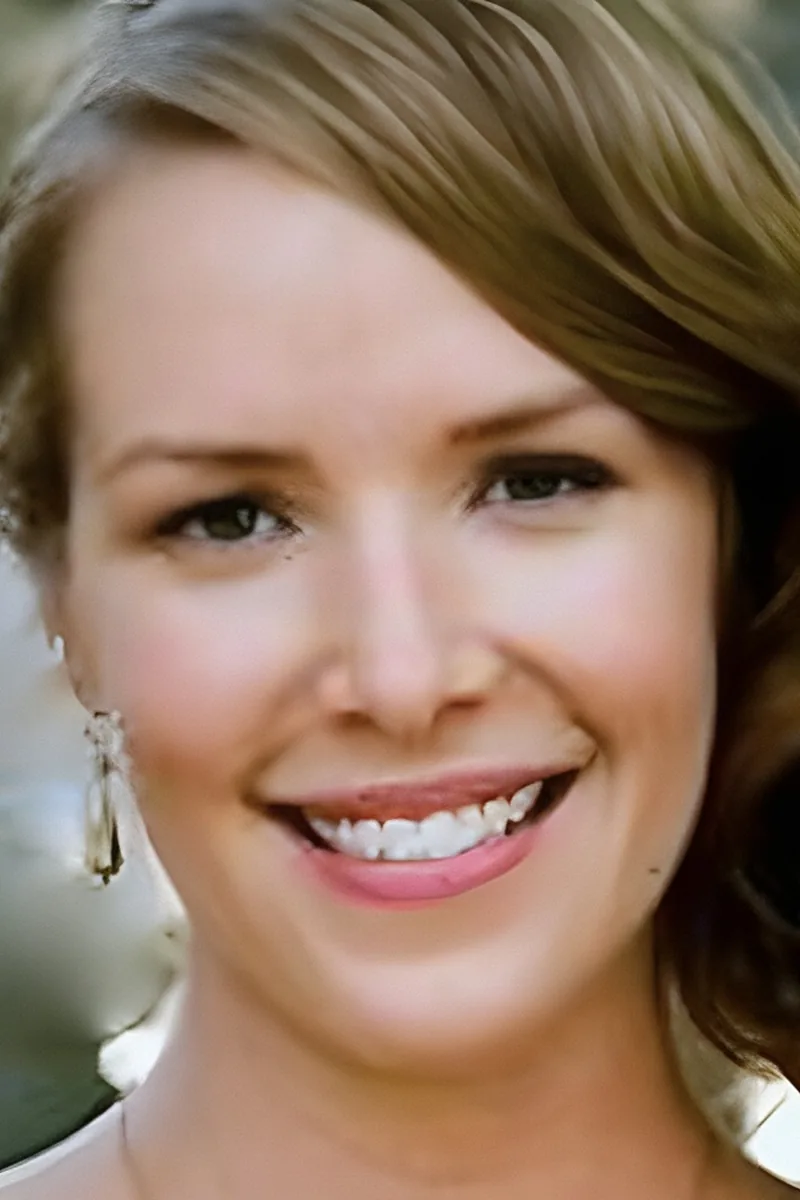
Teaching German at Princeton since 2008 and earning the department's top student-satisfaction scores, Megan knows exactly where English speakers stumble — case endings, word order in subordinate clauses, and the gendered article system that trips up even advanced learners. She holds a doctorate in German literature, which means grammar instruction comes embedded in real cultural and literary context. Whether a student is conjugating sein for the first time or unpacking a Rilke poem, she adjusts the complexity to match.
German's case system trips up almost every learner at some point — accusative versus dative prepositions, adjective endings that shift depending on the article, word order rules that feel arbitrary until someone explains the logic. Juliane teaches German at every level from beginner through AP and unpacks these grammar patterns so they become intuitive rather than something to memorize chart by chart.
Growing up in Chicago — a city with deep German-American roots — Sarnath picked up the language alongside his core strengths in math and business, giving him a practical bent when it comes to vocabulary and everyday conversation. He's upfront that German isn't his primary academic focus, but his structured, analytical approach to learning makes him a solid fit for students working through the fundamentals of verb conjugation and basic case usage in German 1.
I'm Yanti, a USC award-winning writing instructor, an emergency medicine continuing educator, and a biology major with a chemistry minor. For 36 years, I've taught students how to master difficult concepts across a very wide range of subjects. While I focus on professional licensing and standardized exam test prep, I've taught most major subjects at every level and ability. I love teaching, not lecturing. You will get information and techniques in any way that works for you: color-coded charts, visual mind maps, easy-to-memorize songs. Whatever the format, I break complex ideas into clear, doable steps that make sense to you. No fluff. No jargon. Just clarity, confidence, and even some fun. In our sessions, you get structure, support, and a coach who makes learning enjoyable and easy again. If you're ready to succeed, laugh a little, and learn a lot, please book a lesson. I'd love to work with you. Thank you!
At UC Berkeley, Jacob earned an M.A. in German and received formal training in foreign language pedagogy while teaching college-level German courses. That combination of academic depth and classroom experience means he can explain tricky grammar — separable verbs, adjective endings, subjunctive mood — in ways that actually make structural sense rather than feeling like arbitrary rules.
German's case system and verb placement rules trip up most English speakers, but they follow a logic that becomes intuitive once someone lays it out clearly. Ardis teaches all levels of German — from navigating der/die/das and accusative vs. dative cases to constructing complex subordinate clauses — building grammatical understanding that holds up in both writing and conversation.
As a native German speaker from Austria, Silvia teaches the language the way it's actually spoken — with attention to cases, gendered articles, and verb placement that trips up English speakers most. She tutored her own son in German for four years to maintain his fluency, so she understands exactly where American students stumble with dative versus accusative or separable prefix verbs. Her 5.0 rating speaks to how naturally she makes those tricky grammar patterns stick.
A year living in Germany gave Richard the kind of fluency that textbooks can't replicate — intuitions about word order, case endings, and the subtle differences between written and spoken registers. He teaches German grammar systematically while weaving in the cultural context that makes vocabulary and idioms easier to internalize.
Katherine studied German throughout her undergraduate years at Boston College alongside her psychology and pre-med coursework, giving her a well-rounded command of grammar, vocabulary, and sentence structure. She breaks down tricky concepts like cases, verb conjugation, and word order in a way that makes the logic of the language click.
Three levels of German instruction give Ben a clear picture of where students stumble — whether it's navigating noun cases, mastering separable verbs, or building confidence with spoken conversation. He approaches German grammar as a logical system with predictable patterns, which makes concepts like dative prepositions and adjective endings feel less arbitrary and more manageable.
Cognitive science trains you to think about how people actually learn — how memory encodes new information, why certain practice patterns stick and others don't — and Megan applies that lens directly to picking up German vocabulary and grammar. She's not a German major, but her adaptive, learner-first approach means she tailors drills, mnemonics, and visual aids to how each student's brain best absorbs a new language. Rated 5.0 by students.
Covering German 1 through German 4, Kristina pairs her language study with a Contemporary Studies background that naturally weaves in cultural literacy — giving students context for why Germans say things a certain way, not just how. Her 5.0 rating and pursuit of a Texas teaching certification in German signal someone who takes the language seriously enough to build a career around it.
German's case system and word order trip up almost every learner at some point — accusative versus dative, verb placement in subordinate clauses, adjective endings that seem to follow no pattern. Jhanelle, who holds a degree in German Studies, breaks these grammar rules into logical systems and builds conversational confidence alongside them so students can actually use what they learn.
I am a current senior at Davidson College, working towards my B.A. in German Studies and Arab Studies. I have spent many hours tutoring the German and Arabic language to college students. I have spent time abroad in Germany, studying German as a second language with AATG (American Association of Teachers of German). My years of being a camp counselor and babysitter have translated into my teaching methods and style. I encourage young learners to approach problems in multiple ways by retesting previously learned material and encouraging independent thinking. I am a huge believer in discovering answers instead of being told them. I look forward to working with you!
Natalie studied German alongside her English and Film coursework at Cornell, giving her a solid grasp of the language's notoriously tricky case system, separable verbs, and gendered nouns. She approaches German grammar with the same structural thinking she applies to English — breaking down sentence patterns so students understand the logic behind der, die, and das rather than relying on brute memorization.
Noah earned a full B.A. in German Studies from Creighton University alongside his chemistry degree, which means his command of the language goes well beyond basics — he reads academic texts in German and understands the grammatical architecture behind cases, verb placement, and subordinate clauses. He teaches German grammar as a logical system, connecting declension patterns and sentence structure so they make sense rather than feel like arbitrary rules.
Testimonials
Because the right German tutor makes all the difference.
Average Session Rating – Based on 3.4M Learner Ratings
Other Detroit Tutors
Related Languages Tutors in Detroit
Frequently Asked Questions
Fluency depends on your starting level and study intensity. The Foreign Service Institute estimates approximately 750-900 hours of study to reach professional proficiency in German. With personalized 1-on-1 instruction, you can accelerate this timeline by focusing on your specific goals—whether that's conversational ability, exam preparation, or business communication—rather than spending class time on material you've already mastered.
In a typical Detroit classroom with a 20.7:1 student-teacher ratio, students get minimal one-on-one speaking time. German tutoring provides dedicated conversation practice, which is essential for developing natural pronunciation, building confidence, and internalizing verb conjugations and sentence structure through active use rather than memorization. Regular speaking practice with a tutor also helps you develop an ear for authentic German speech patterns and regional accents.
German grammar—especially the four cases (nominative, accusative, dative, genitive) and irregular verb conjugations—is best learned through contextual practice rather than memorization alone. Tutors break down complex rules into manageable patterns, then reinforce them through conversation and real-world usage. This approach helps grammar become intuitive rather than a mental checklist, so you naturally use correct forms when speaking and writing.
Spaced repetition and retrieval practice—reviewing words at strategic intervals and using them in sentences—are proven methods for lasting retention. A tutor can customize vocabulary lessons around your interests and goals, whether that's business German, travel phrases, or academic vocabulary, making new words more memorable and immediately applicable. This personalized approach is far more effective than generic vocabulary lists.
Yes. Understanding German culture—from regional differences to media, literature, and social customs—deepens language comprehension and makes learning more engaging. Tutors can incorporate authentic materials like German films, news articles, podcasts, and current events into lessons, giving you exposure to real-world language use and cultural nuance that textbooks alone can't provide.
Absolutely. Whether you're preparing for AP German, AICE German, or other standardized exams, tutors can target the specific skills each test assesses—reading comprehension, writing, listening, and speaking. They'll help you understand exam formats, practice with authentic test materials, and build confidence in your weaker areas, so you're fully prepared on test day.
Your first session is an assessment and goal-setting conversation. The tutor will evaluate your current level across all four skills (reading, writing, speaking, listening), understand your learning goals—whether that's classroom success, exam prep, or conversational fluency—and create a personalized plan. This ensures every session after that is tailored to your needs rather than following a generic curriculum.
Look for tutors with native or near-native fluency, teaching experience, and ideally background in German education or linguistics. For exam prep, verify they have specific experience with the exam you're taking. Varsity Tutors connects you with expert tutors who meet rigorous standards and can provide personalized instruction that matches your proficiency level and goals.
Let’s find your perfect tutor
Answer a few quick questions. We’ll recommend the right plan and match you with a top 5% tutor.