Award-Winning Literature Tutors
serving Ann Arbor, MI
Literature
Tutors in Ann Arbor
Private 1-on-1 tutoring, weekly live classes for academic support, test prep & enrichment, practice tests and diagnostics, and more to elevate grades and test scores.
Based on 3.4M Learner Ratings
UniversitiesSchools & Universities
DeliveredHours Delivered
ProficiencyGrowth in Proficiency
Who needs tutoring?
No obligation. Takes ~1 minute.
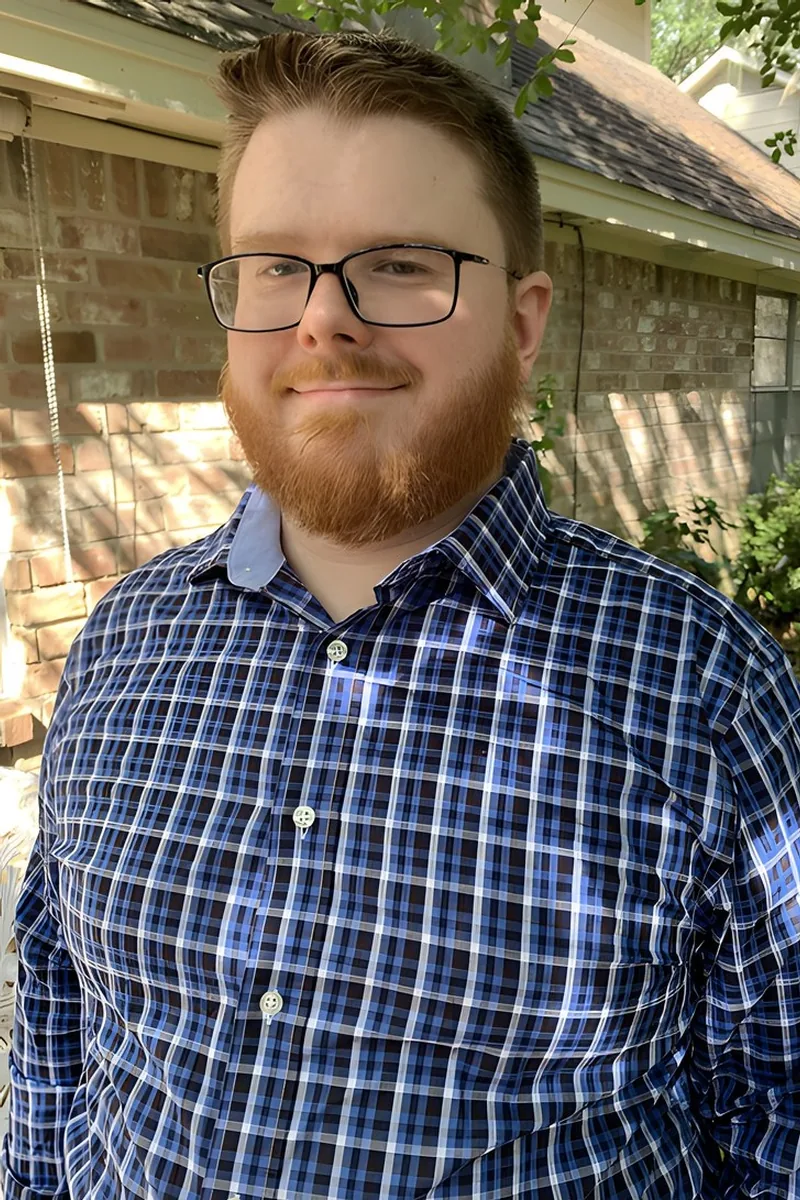
Michael's background is in physics, not English — but his training in philosophy and years of academic writing sharpened his ability to dissect an argument, trace a theme, and evaluate how an author builds meaning through structure and language. He approaches literary analysis the way a scientist approaches data: what's the evidence in the text, and what interpretation does it actually support? For students who think analytically but struggle to translate that into literary essays, his perspective can be the missing link.

Reading literature across two languages — English and Russian — trained Skyler to notice how narrative voice, symbolism, and structure shift between literary traditions. She teaches students to build interpretive arguments grounded in textual evidence, whether they're analyzing a Fitzgerald novel or a Chekhov short story. Her master's-level research gives her depth that spans well beyond a single canon.
Studying culture and psychology at the PhD level has given Martha a sharp lens for literary analysis — she's trained to read texts for subtext, examining how identity, power, and social context shape a character's choices. She teaches students to build interpretive arguments grounded in close reading rather than surface-level plot summary.
Studying English at Yale means Sophia spends her days doing exactly what a literature course demands — close reading, thematic analysis, and constructing arguments about how a text works. Whether a student is unpacking symbolism in The Great Gatsby or tracing narrative voice in a Toni Morrison novel, she teaches them to move from observation to interpretation with textual evidence driving every claim.
Studying Global Affairs at Yale means Megan reads constantly across genres and historical periods, which she brings to literature sessions that dig into themes, narrative structure, and close textual analysis. She teaches students to build interpretive arguments from the text itself — pulling apart an author's word choice and imagery to construct readings that hold up on paper.
An avid reader outside the classroom, Suzie approaches literature by teaching students to trace how a single motif — light, water, confinement — threads through an entire text and shifts in meaning. Whether the assignment is close-reading a Shakespeare soliloquy or writing a thematic analysis of a novel, she walks through annotation strategies that turn passive reading into active argument-building.
Three years as an ESL instructor and a stint as an English teaching assistant in Medellín gave Ruth an unusually close relationship with how language works on the page. She applies that awareness to literature, teaching students to dissect an author's choices — tone, structure, imagery — and build analytical arguments that go beyond plot summary.
Reading literature well means arguing with the text — asking why an author chose this metaphor, this structure, this ending. Ajay's philosophy minor at Michigan trained him to dissect arguments and assumptions, skills he applies directly to close reading and literary analysis across poetry, novels, and drama.
Megan is a doctoral candidate in German literature at Princeton, where she's spent years teaching students to do close readings of novels, poetry, and philosophical texts. She unpacks how literary devices — imagery, narrative structure, unreliable narration — create meaning, and she coaches students to build interpretive arguments that go beyond plot summary. That training in both German and English-language literary traditions gives her an unusually wide lens on the craft of reading critically.
I am a learner for life and I love sharing my knowledge with others. I have tutored middle-school students for one year and university students for two years. My focus is mainly on mathematics, chemistry, and related fields. I have degrees in both mathematics and biomedical engineering so I cover a lot of ground in the physiological sciences, computer programming, and statistics as well. Taking tests is one of my strong points and I have some killer strategies to share!
An avid reader who genuinely enjoys dissecting texts, Kerry approaches literature by teaching students how to trace themes, analyze character motivation, and build arguments about what an author is actually doing with structure and language. Her writing background at Michigan's Ross School of Business sharpened her ability to construct close readings that go beyond surface-level summary.
Reading a novel closely means noticing what an author does with point of view, imagery, and structure — not just summarizing plot. Eva brings a Harvard English education and a genuine love of books to literary analysis, whether the text is Toni Morrison or Shakespeare. She's especially sharp at teaching students to build interpretive arguments grounded in textual evidence.
Reading a novel or poem closely means asking what the author is doing with structure, imagery, and point of view — not just summarizing the plot. Jason approaches literature the way he learned from years of wide reading and volunteer tutoring: by teaching students to build arguments about a text and support them with evidence. Whether the assignment is a Shakespearean sonnet or a Toni Morrison novel, he digs into the "why" behind every literary choice.
Reading literature closely is surprisingly similar to reading code: both demand attention to structure, context, and what's implied but never stated outright. Henry applies that analytical rigor to poetry, novels, and drama, teaching students to build interpretive arguments grounded in textual evidence. His liberal arts coursework at Carleton keeps him actively engaged with literary analysis across genres and periods.
An avid reader across genres, Phil approaches literature by teaching students to trace how an author builds meaning — through motif, narrative structure, and deliberate word choice rather than surface-level plot summary. He walks through close-reading techniques that make essay writing easier because students learn to anchor every claim in specific textual evidence.
Surina approaches literature by teaching students to read like detectives — tracking motifs, unreliable narrators, and shifts in tone across a text before jumping to interpretation. Her psychology background gives her a unique lens for character analysis, connecting literary choices to the human behavior authors are trying to capture.
College essays, grammar, and English already sit in Nikitha's regular rotation, so when she picks up a literature text, she's reading with an editor's eye — noticing how sentence rhythm, word choice, and paragraph structure carry meaning beyond the plot. She teaches students to anchor every interpretive claim in specific language from the page, turning vague impressions into tight, arguable thesis statements. Rated 5.0 by students.
Reading literature well means going beyond plot summary to ask why an author made specific choices — a shift in point of view, a recurring symbol, an unexpected ending. Rachel teaches students to annotate with purpose and build interpretive arguments supported by textual evidence, skills that transfer directly to essay writing and class discussion.
Reading a novel for class and actually analyzing it are two very different skills. Trishani teaches students how to dig into literary devices like symbolism, unreliable narration, and thematic motifs, then translate those observations into arguments that hold up in essays and class discussions. Her psychology background adds an interesting lens for character analysis.
Reading a novel closely means asking what the text is doing, not just what it's about — why Fitzgerald chose that color, how Morrison structures time, what an unreliable narrator reveals through omission. Ceren earned her degree in Creative Writing and Literature at Michigan, so she teaches literary analysis from the inside out, as both a reader and a writer.
Reading a novel closely means tracking more than plot — it means noticing how imagery, narrative structure, and point of view shape meaning on the page. Rebekah teaches students to build arguments from textual evidence, whether they're unpacking symbolism in a poem or analyzing character development across a full-length work.
Reading literature closely requires the same careful reasoning William uses as an engineer: identify what's actually on the page, figure out how the pieces connect, and build an interpretation the evidence supports. He's especially good at breaking down how to analyze theme and symbolism in a way that feels logical rather than like guesswork.
A psychology minor at UMBC gave Uchenna a lens for analyzing character motivation, narrative structure, and thematic development — skills that translate directly to close reading in literature courses. He teaches students to build textual arguments by anchoring every interpretation in specific passages and literary devices rather than vague impressions. Whether the assignment involves poetry analysis or a novel essay, he walks through how to move from observation to thesis.
Psychology trains you to read people — their motivations, contradictions, the gap between what they say and what they mean — which is exactly what great literary analysis demands. Alexandra applies that behavioral lens to character study and narrative voice, showing students how to trace a character's psychology through dialogue, action, and authorial framing. Rated 5.0 by students.
Reading a novel for class and actually analyzing it are two different skills. Samantha approaches literature by teaching students to track motifs, narrative structure, and authorial choices so they can build arguments about a text rather than just summarize the plot. Her science training gives her an unusually methodical eye for close reading.
Reading a novel closely — tracking symbolism, unreliable narrators, or shifts in tone across chapters — is a skill that improves with practice and the right questions. Vikhyathi brings an analytical mindset shaped by her neuroscience training at Michigan, which sharpens how she unpacks themes and teaches students to build arguments from textual evidence.
Reading is one of Nikki's longtime passions, and she brings that genuine enthusiasm to literary analysis — digging into themes, symbolism, and character motivation rather than just summarizing plot. Her writing background (she paints and plays music, too) gives her a cross-disciplinary eye for how authors craft tone and imagery. Students come away reading more actively and arguing their interpretations with real textual evidence.
Reading a novel for class and actually analyzing it are two different skills, and the gap usually shows up when students try to write about theme or symbolism. Kirby teaches close-reading techniques — pulling apart sentence-level choices an author makes — so that literary arguments come from the text itself rather than vague impressions.
Haley is a self-described book lover whose reading habit runs alongside her engineering studies, giving her a practical, analytical lens on literary texts. She teaches students to build arguments about theme, symbolism, and character development by grounding every claim in specific textual evidence. That structured approach tends to click especially well for students who consider themselves "math people" struggling in English class.
Tyler approaches literature the way a scientist approaches data: by asking what the evidence actually supports. That analytical lens sharpens close-reading skills, teaching students to trace a motif through a novel or unpack how an author's syntax shapes tone. Rated 5.0 by students, he makes argument-building feel methodical rather than mysterious.
A self-described language lover now pursuing graduate work in speech-language pathology, Anna brings a deep curiosity about how words create meaning — from close reading poetry for figurative language to tracing character development across a novel. She teaches students to annotate with purpose, building the kind of analytical reading habits that turn a vague reaction to a text into a well-supported interpretation.
Reading a novel for class and actually analyzing it are two very different skills, and the gap usually shows up when students sit down to write about theme or symbolism. Jack teaches close-reading techniques — how to track motifs, identify narrative shifts, and build an argument from textual evidence rather than summary. His economics training sharpened the same analytical reasoning that strong literary interpretation demands.
Reading a novel for class is one thing; building an argument about its themes, symbols, or narrative structure is something else entirely. Juliane teaches students to annotate with purpose — tracking how an author's choices create meaning — so that when it's time to write an essay, the evidence is already organized. Her interdisciplinary background brings fresh analytical angles to texts that students might otherwise find dry.
An avid reader outside the classroom — books and even scientific papers for fun — Nicholas approaches literature by teaching students to argue with a text rather than just summarize it. He unpacks themes, symbolism, and authorial intent by asking targeted questions that build the kind of close-reading instincts English teachers reward on essays and exams.
While literature isn't Vazrik's primary discipline, his engineering and science training gives him a distinctive analytical lens for breaking down texts. He teaches students to build arguments from textual evidence the same way a researcher builds claims from data — systematically, with each paragraph earning its place in the essay.
Literary analysis comes down to reading with a question in mind — why does a character make this choice, what does this symbol recur for, how does the narrative structure shape meaning. Alec treats each text like a problem to decode, bringing the same analytical rigor from his engineering coursework to close reading of poetry, novels, and drama. Rated 5.0 by students, he makes even dense texts feel approachable.
Teaching writing at Thurber House Literary Center and studying at Michigan's Helen Zell Writers' Program means Julia lives inside literature daily — not just reading it, but dissecting how authors construct meaning through imagery, point of view, and structure. She unpacks texts by asking the kinds of interpretive questions that turn a student's surface-level summary into a genuine analytical argument.
Reading literature well means doing more than summarizing plot — it means noticing how an author's word choice, structure, and imagery build a larger argument. Timothy is an avid reader who brings genuine curiosity to close-reading exercises, teaching students to pull apart passages and construct interpretations they can defend with textual evidence.
Reading a novel for class and actually analyzing it are two different skills, and the second one requires learning to track motifs, narrative structure, and authorial intent across a full text. Sarnath's background in American literature means he can teach students how to build a close-reading argument — pulling specific passages apart to support a larger interpretive claim.
Reading a novel and analyzing a novel are two very different skills, and the gap between them is where most literature students struggle. Tiffany's background in political science and African-American studies at the University of Michigan trained her to dissect arguments, trace themes across texts, and interrogate an author's choices. She brings that same close-reading discipline to poetry, fiction, and drama.
Testimonials
Because the right Literature tutor makes all the difference.
Average Session Rating – Based on 3.4M Learner Ratings
Other Ann Arbor Tutors
Related English Tutors in Ann Arbor
Frequently Asked Questions
Varsity Tutors matches Ann Arbor students with expert Literature tutors for 1-on-1 instruction. We pair each student with a tutor based on their specific needs, learning style, and goals.
Whether you need homework help, exam prep, or want to get ahead, our Literature tutors are ready to help.
Common challenges include gaps from earlier material, difficulty with specific concepts, and trouble applying learning to new problems. These issues can snowball quickly in Literature.
A tutor identifies where you're stuck, fills in gaps, and provides targeted practice. The 1-on-1 format means you get help exactly where you need it.
Tutors work with your student's actual coursework—homework assignments, class notes, and upcoming tests. This keeps tutoring directly relevant to what's happening in the classroom.
When you share information about your student's school and curriculum, we can match you with a tutor who has relevant experience.
All tutors complete background checks, credential verification, and teaching evaluation. Many of our Literature tutors hold advanced degrees or have years of teaching experience.
You can review tutor profiles to find someone with the right background for your student's level and needs.
Many students see improved grades within a few weeks, along with better understanding of Literature concepts and more confidence tackling challenging material.
Tutors track progress and adjust their approach to ensure continued improvement.
Most students benefit from 1-2 sessions per week. More frequent sessions help if your student is significantly behind or has an important exam coming up.
Your tutor can recommend a schedule based on your student's specific situation and goals.
Tutoring is purchased in packages of hours, with rates varying by tutor experience. Varsity Tutors offers several options to fit different budgets and needs.
You can discuss pricing during your consultation to find what works best.
Your tutor will assess where your student is, discuss goals, and start working on priority areas. Most students bring current homework or upcoming test material to focus on.
By the end, you'll have a clear sense of how the tutor can help and a plan for moving forward.
Let’s find your perfect tutor
Answer a few quick questions. We’ll recommend the right plan and match you with a top 5% tutor.