Award-Winning Literature Tutors
serving Detroit, MI
Literature
Tutors in Detroit
Private 1-on-1 tutoring, weekly live classes for academic support, test prep & enrichment, practice tests and diagnostics, and more to elevate grades and test scores.
Based on 3.4M Learner Ratings
UniversitiesSchools & Universities
DeliveredHours Delivered
ProficiencyGrowth in Proficiency
Who needs tutoring?
No obligation. Takes ~1 minute.

Reading literature well means arguing with the text — asking why an author made a particular choice and what it accomplishes. Rebecca's background in arts and her own love of books make her a natural at teaching close reading, thematic analysis, and the kind of evidence-based literary arguments that earn strong marks on essays and exams.
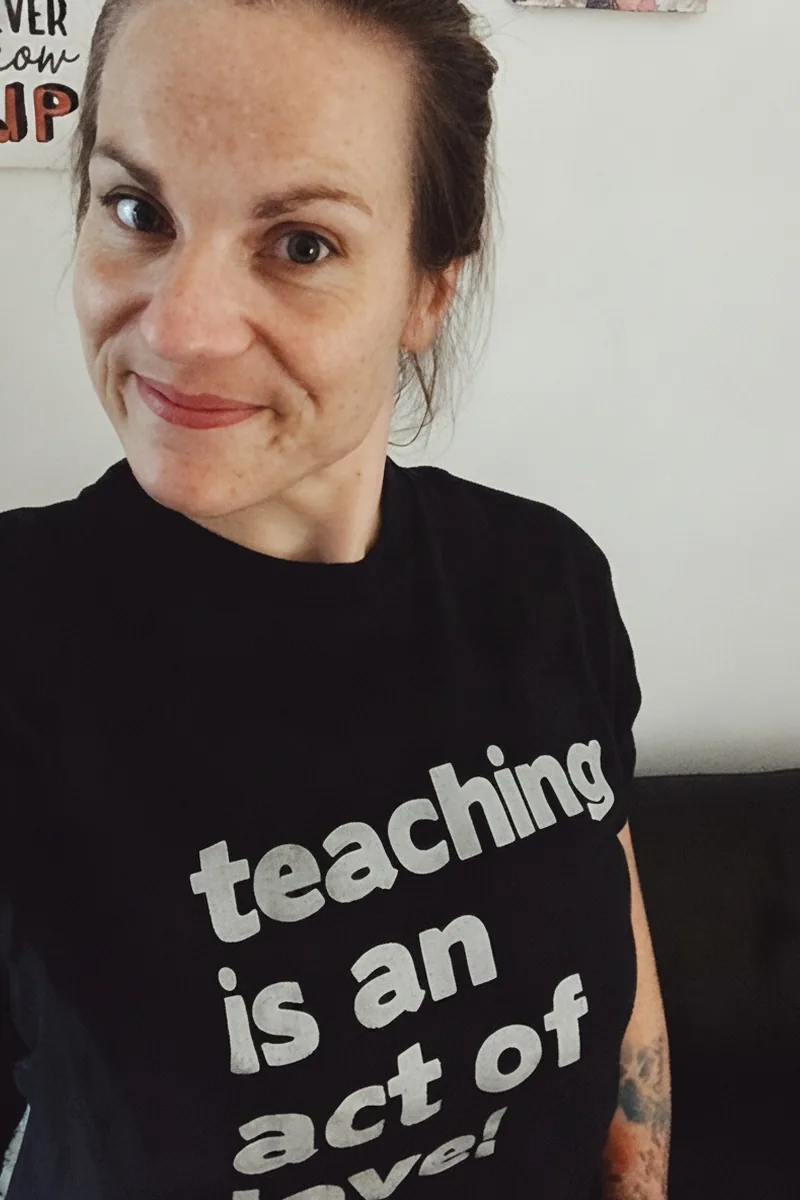
A background in linguistics sharpens the way Nicole approaches literary analysis — she teaches students to notice how an author's word choices, syntax, and narrative structure create meaning beyond the surface plot. Whether unpacking symbolism in a novel or tracing a poem's tonal shifts, she connects close reading techniques to the kind of interpretive writing that literature courses demand.
Reading literature well means learning to argue — to pull a claim from a text and defend it with evidence, not just summarize the plot. Ashley minored in history at Michigan, which sharpened her ability to analyze primary texts and construct interpretive arguments, skills she now applies to close reading of novels, poetry, and drama.
Reading a novel and analyzing a novel are fundamentally different skills, and Joanne bridges that gap by teaching students to ask interpretive questions about symbolism, narrative perspective, and historical context as they read. Her English degree included a specialization in teaching, which means she's practiced at making dense texts — from Victorian novels to contemporary fiction — accessible without oversimplifying them.
Literary analysis clicks once a student stops asking "what happened" and starts asking "why did the author make this choice." Arianna teaches students to dissect elements like point of view, symbolism, and narrative pacing across genres — from poetry to novels to drama — so they can build arguments that go beyond surface-level reading. An avid reader herself, she brings genuine enthusiasm to close reading that tends to be contagious.
Reading literature well means arguing with the text — questioning an unreliable narrator, tracing a recurring symbol, or unpacking how an author's word choice shifts tone between chapters. Sierra teaches students to build interpretive claims and defend them with textual evidence, a skill that transfers directly to essays and class discussion.
Strong literary analysis comes down to reading closely enough to notice what an author is doing with structure, language, and point of view — then articulating that observation clearly. Ishan approaches literature analytically, teaching students to build arguments around textual evidence rather than summarizing plot. His medical training, which demands careful reading and precise communication, sharpens the same skills that make for strong literary essays.
Reading a novel for class and actually analyzing it are two different skills, and the second one rarely comes naturally. Sheyna teaches students to dig into literary devices like symbolism, narrative structure, and character motivation so they can build arguments about a text rather than just summarize it. Her psychology background adds a useful lens for understanding character development and authorial intent.
Reading a novel closely is really about asking better questions — why does this character contradict herself, what's the author doing with that recurring image, how does structure shape meaning? Jonathan's psychology background gives him a sharp lens for character motivation and thematic analysis, two areas where literature essays tend to stay shallow. He teaches students to build interpretive arguments grounded in textual evidence rather than plot summary.
Reading literature closely means learning to ask better questions — about an unreliable narrator's motives, a recurring symbol, or why an author chose one structural form over another. Jonah studied at Pomona College, where media and textual analysis overlap heavily, and he applies that interpretive rigor to poetry, novels, and drama alike.
Reading literature well means doing more than summarizing plot — it means noticing how an author uses symbolism, point of view, or sentence rhythm to create meaning. Anthony brings a filmmaker's eye for subtext and structure, teaching students to analyze passages the way a director reads a screenplay: looking for what's underneath the surface choices.
An avid reader across genres, Hamid treats literature analysis as close reading with a purpose — identifying how an author's choices in diction, structure, or imagery create meaning. He's especially sharp at teaching students to move from a vague "I liked this passage" reaction to a precise, text-grounded argument they can defend in an essay or class discussion.
Michael's background is in physics, not English — but his training in philosophy and years of academic writing sharpened his ability to dissect an argument, trace a theme, and evaluate how an author builds meaning through structure and language. He approaches literary analysis the way a scientist approaches data: what's the evidence in the text, and what interpretation does it actually support? For students who think analytically but struggle to translate that into literary essays, his perspective can be the missing link.
Reading literature across two languages — English and Russian — trained Skyler to notice how narrative voice, symbolism, and structure shift between literary traditions. She teaches students to build interpretive arguments grounded in textual evidence, whether they're analyzing a Fitzgerald novel or a Chekhov short story. Her master's-level research gives her depth that spans well beyond a single canon.
Studying culture and psychology at the PhD level has given Martha a sharp lens for literary analysis — she's trained to read texts for subtext, examining how identity, power, and social context shape a character's choices. She teaches students to build interpretive arguments grounded in close reading rather than surface-level plot summary.
Studying Global Affairs at Yale means Megan reads constantly across genres and historical periods, which she brings to literature sessions that dig into themes, narrative structure, and close textual analysis. She teaches students to build interpretive arguments from the text itself — pulling apart an author's word choice and imagery to construct readings that hold up on paper.
Studying English at Yale means Sophia spends her days doing exactly what a literature course demands — close reading, thematic analysis, and constructing arguments about how a text works. Whether a student is unpacking symbolism in The Great Gatsby or tracing narrative voice in a Toni Morrison novel, she teaches them to move from observation to interpretation with textual evidence driving every claim.
Reading a novel for class is one thing; constructing an argument about its themes, symbols, or narrative structure is an entirely different skill. Israa teaches students how to move from surface-level plot summary to close textual analysis — identifying how an author's word choices and structural decisions create meaning. Her experience across both science and English gives her a uniquely analytical lens that resonates with students who think of themselves as 'not English people.'
An avid reader outside the classroom, Suzie approaches literature by teaching students to trace how a single motif — light, water, confinement — threads through an entire text and shifts in meaning. Whether the assignment is close-reading a Shakespeare soliloquy or writing a thematic analysis of a novel, she walks through annotation strategies that turn passive reading into active argument-building.
Reading a novel and analyzing a novel are two completely different skills. Anthony's doctoral work in philosophy trained him to dissect complex texts for underlying arguments, rhetorical strategies, and thematic structure — exactly the kind of close reading that literature courses demand when students move from plot summary to genuine interpretive writing.
Growing up in Taiwan and then spending over three decades in the U.S., Lulu brings a cross-cultural lens to literary analysis that opens up texts in unexpected ways. She teaches students to dig into themes, symbolism, and authorial intent by asking better questions of the text rather than hunting for a single "right" interpretation.
A chemistry degree trains you to read precisely — every symbol in a reaction equation matters, and David carries that same exactness into literary texts, zeroing in on how an author's specific word choices and recurring images build a larger thematic argument. His entrepreneurial studies background also means he's comfortable with persuasive writing and narrative framing, which he channels into teaching students how to craft essays that move beyond retelling a story and into genuine interpretation. Rated 4.9 by students.
As a Yale sophomore juggling mechanical engineering problem sets and humanities requirements, Andrew knows firsthand what it takes to shift gears from equations to essays — and how to read a text with the same precision he'd bring to a technical diagram. He teaches students to zero in on how an author's choices in pacing or figurative language create effects, then organize those observations into clear, defensible arguments.
Three years as an ESL instructor and a stint as an English teaching assistant in Medellín gave Ruth an unusually close relationship with how language works on the page. She applies that awareness to literature, teaching students to dissect an author's choices — tone, structure, imagery — and build analytical arguments that go beyond plot summary.
Reading a novel closely means asking what the author is doing with structure, imagery, and voice — not just summarizing what happens. Pratik approaches literature as an analytical exercise, teaching students to build interpretive arguments grounded in textual evidence. His wide reading habits and writing experience at Cornell make him especially effective at connecting close reading skills to stronger literary essays.
Literary analysis is really about building an argument — identifying how an author's choices in structure, imagery, or point of view create meaning, then backing that up with textual evidence. Rae's economics background actually sharpens this skill, since she's trained to pull patterns from complex material and construct tight, logical claims. She brings that same rigor to poetry explication, novel analysis, and comparative essays.
Lane approaches literature the way a curious reader would — digging into themes, symbolism, and narrative structure rather than just summarizing plot. His wide-ranging reading habits span genres, which makes him especially useful for students tackling everything from Shakespeare's plays to contemporary novels and needing to write analytical essays that go beyond surface-level observations.
Working with younger students at robotics programs taught Ashley something useful about storytelling: kids naturally ask *why* a character did something, not just *what* happened, and that instinct is the foundation of real literary analysis. She channels that same curiosity into teaching older students how to dig into an author's choices — why a particular metaphor recurs, why a scene shifts tone — and build those observations into essays with clear, defensible claims.
A science major who genuinely loves reading brings a different lens to literature — Raveena teaches students to dissect an author's argument the way she'd analyze data, pulling apart structure, tone, and figurative language to build a clear interpretation. That analytical rigor translates well to close-reading exercises and timed essay responses.
Reading a novel for class and actually analyzing it are two very different skills. Eric approaches literature by teaching students to track recurring motifs, unreliable narrators, and shifts in tone — the kinds of details that turn a surface-level summary into a sharp literary argument. His background as an avid reader (he tackles every Oscar-nominated film's source material) keeps discussions grounded in genuine curiosity about storytelling.
Eric's lifelong love of literature — from novels to theater to film — gives him a wide frame of reference for teaching close reading and literary analysis. His PhD training in history adds a layer most English tutors can't offer: the ability to situate a text in its cultural moment, whether that's Shakespeare's London or Toni Morrison's postwar America.
Reading a novel is easy; building an argument about what it means is where most students get stuck. Nikhil approaches literature analytically — identifying how an author's choices in structure, imagery, and dialogue create meaning — which is the same close-reading skill that earns high marks on essays and AP exams alike.
I am a learner for life and I love sharing my knowledge with others. I have tutored middle-school students for one year and university students for two years. My focus is mainly on mathematics, chemistry, and related fields. I have degrees in both mathematics and biomedical engineering so I cover a lot of ground in the physiological sciences, computer programming, and statistics as well. Taking tests is one of my strong points and I have some killer strategies to share!
An avid reader who lists books and writing among her core interests, Sreya approaches literature by teaching students to trace a single motif or argument through an entire text rather than summarizing plot. Whether it's unpacking unreliable narration in a novel or analyzing how a poet's line breaks create meaning, she connects close-reading skills to the kind of analytical writing most English classes demand.
Reading literature well means arguing with the text — asking why an author chose this metaphor, this structure, this ending. Ajay's philosophy minor at Michigan trained him to dissect arguments and assumptions, skills he applies directly to close reading and literary analysis across poetry, novels, and drama.
Megan is a doctoral candidate in German literature at Princeton, where she's spent years teaching students to do close readings of novels, poetry, and philosophical texts. She unpacks how literary devices — imagery, narrative structure, unreliable narration — create meaning, and she coaches students to build interpretive arguments that go beyond plot summary. That training in both German and English-language literary traditions gives her an unusually wide lens on the craft of reading critically.
An engineering background might seem far from literary analysis, but Douglas approaches texts the same way he approaches complex systems — by pulling apart how each piece functions within the whole. That analytical lens is especially useful for students who struggle to move from "I liked this book" to a thesis about how imagery, structure, or point of view shapes meaning.
Reading a novel for class is one thing; building an argument about its themes, symbols, or narrative structure is something else entirely. Audrey teaches students how to move from close reading to analytical writing — identifying how an author's choices create meaning and then articulating that insight on the page. Her psychology studies add a useful lens for character analysis and motivation.
An avid reader who genuinely enjoys dissecting texts, Kerry approaches literature by teaching students how to trace themes, analyze character motivation, and build arguments about what an author is actually doing with structure and language. Her writing background at Michigan's Ross School of Business sharpened her ability to construct close readings that go beyond surface-level summary.
I am a undergraduate freshman of the University of Michigan, studying business at the Ross School of Business. Working together with students and having a good time while seeing steady improvements has proven to provide me great joy. I believe that communication and relationship building is crucial for students to open up about their struggles and also for me to identify problems they don't realize they can improve on, so this is a key aspect of all of my lessons. During my free time, I enjoy playing sports or snacking on desserts while binge-watching Friends!
Testimonials
Because the right Literature tutor makes all the difference.
Average Session Rating – Based on 3.4M Learner Ratings
Other Detroit Tutors
Related English Tutors in Detroit
Frequently Asked Questions
Detroit students generally explore a range of classic and contemporary literature across grade levels, from American classics and Shakespeare to modern fiction and poetry. High school curricula often emphasize literary analysis, essay writing, and critical thinking about themes, character development, and authorial intent. With over 80,000 students across 54 school districts in the Detroit area, curriculum can vary by district and school level, but most programs build skills in close reading, textual interpretation, and written analysis that prepare students for standardized tests and college-level work.
Personalized 1-on-1 instruction allows tutors to focus on your specific writing challenges—whether that's developing a strong thesis, organizing arguments, or supporting claims with textual evidence. A tutor can review your essays in real-time, provide detailed feedback on your analysis and voice, and help you move beyond plot summary to deeper interpretation. This targeted approach builds your confidence in tackling complex texts and transforms your writing from good to exceptional.
Reading comprehension challenges are common with dense or unfamiliar texts—whether it's Shakespeare, classic literature, or contemporary works. A tutor can break down complex passages, explain historical or cultural context, and teach you active reading strategies like annotation and questioning the text. Working through challenging materials together helps you build confidence and develop skills you'll use across all your reading, not just in class.
A solid thesis is the foundation of any strong literary analysis essay—it should make a specific claim about the text that goes beyond what's obvious. Personalized tutoring helps you move from vague ideas to focused arguments, then organize your supporting evidence logically. Tutors can work with you on paragraph structure, topic sentences, evidence integration, and revision techniques so your essay flows and proves your point effectively.
Writer's block often stems from perfectionism, unclear thinking about your topic, or not knowing where to start. A tutor can help you brainstorm ideas, talk through your argument before you write, and break the essay into manageable steps. Many students find that discussing their ideas aloud with someone who asks clarifying questions helps unlock their thinking and gets words on the page much faster.
Yes—proper citation is a critical part of literary analysis essays, and many students find formatting rules confusing. Tutors can teach you MLA and APA citation formats, show you how to integrate quotes correctly, and help you create a works cited or references page. Beyond just formatting, they can help you understand why citing sources matters and how to weave quotations smoothly into your own writing.
Varsity Tutors connects you with experienced literature tutors who understand the Detroit area curriculum and can personalize instruction to your needs—whether you need help with essay writing, reading comprehension, AP Literature, or standardized test prep. You can match with a tutor who fits your schedule and learning style, and instruction is tailored to address your specific challenges and goals in literature.
Let’s find your perfect tutor
Answer a few quick questions. We’ll recommend the right plan and match you with a top 5% tutor.