Award-Winning AP European History Tutors
serving Flint, MI
AP European History
Tutors in Flint
Private 1-on-1 tutoring, weekly live classes for academic support, test prep & enrichment, practice tests and diagnostics, and more to elevate grades and test scores.
Based on 3.4M Learner Ratings
UniversitiesSchools & Universities
DeliveredHours Delivered
ProficiencyGrowth in Proficiency
Who needs tutoring?
No obligation. Takes ~1 minute.

From the Protestant Reformation to the Congress of Vienna to twentieth-century integration, AP European History covers an enormous sweep of political, cultural, and intellectual change. Mark studied history at the University of Detroit Mercy and minored in Museum Studies, giving him a knack for connecting artifacts and primary documents to the larger narrative arcs the AP exam tests. He teaches students to spot causation and continuity patterns that turn a wall of dates into a coherent story.
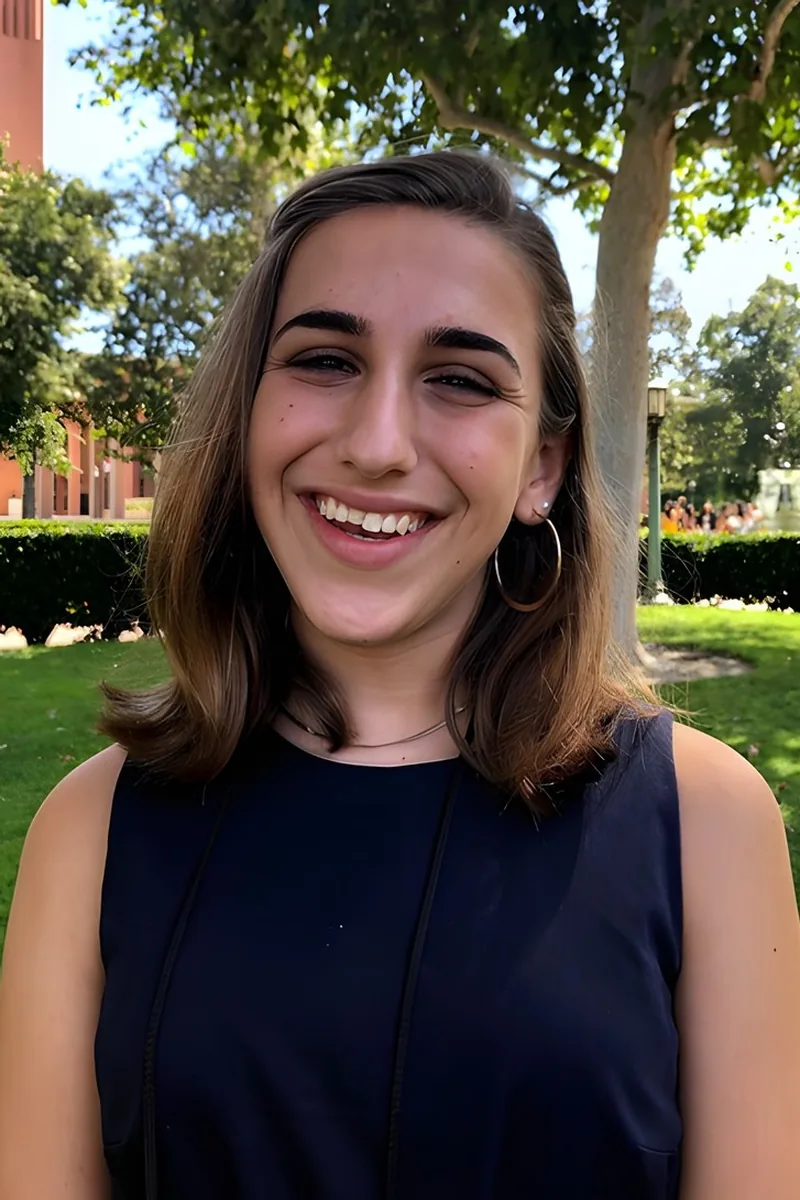
From the Protestant Reformation to the Congress of Vienna to post-WWII integration, AP European History demands that students trace ideological shifts across centuries. Solange's IB program at Coral Reef immersed her in exactly this kind of analytical history, and she brings a knack for turning dense political and intellectual movements into clear cause-and-effect chains that stick on exam day.
From the Renaissance papacy to the Congress of Vienna to EU integration, AP European History demands that students trace cause and effect across centuries of political, intellectual, and economic change. Nathan brings supplementary primary sources and historical texts into sessions, giving students the kind of document analysis practice that directly translates to stronger DBQ and LEQ scores.
Jeff's master's in history from UC Berkeley, where he taught both history and philosophy to undergraduates, gave him the kind of dual training AP Euro rewards — understanding not just what happened during periods like the Reformation or the French Revolution, but the philosophical ideas driving those events. His philosophy degree from Princeton sharpens how he teaches argumentation, showing students how to construct the layered, thesis-driven essays that score well on the DBQ and LEQ.
Amir's International Relations degree, with its concentration in Business and Economics, trained him to trace how trade policies, diplomatic alliances, and ideological rivalries reshaped the European continent — exactly the kind of connective thinking AP Euro rewards on the LEQ and DBQ. He's particularly strong on the economic and diplomatic dimensions of topics like mercantilism, the Congress of Vienna, and post-WWII European integration, where students often struggle to move beyond surface-level narrative. His 33 ACT reflects the reading comprehension and analytical writing skills the exam's document-based questions demand.
From the Protestant Reformation to the Cold War, AP European History covers centuries of interconnected political, social, and intellectual movements that can blur together fast. Emerson breaks these into cause-and-effect chains that make long essay questions manageable, drawing on the rigorous historical training he received through IB History HL and at the University of Chicago.
I'm a graduate of Columbia University with a B.A. in History. I'm passionate about history and English, but I'm a competent math tutor as well. I have received outstanding scores on my SAT and AP tests, and am confident in my ability to pass on these skills to the next generation.
Studying European history at Vanderbilt alongside her education degree means Jessica isn't just learning pedagogy — she's actively immersed in the content AP Euro covers, from absolutism and revolutionary movements to twentieth-century ideological conflict. That dual focus gives her a practical edge when it comes to breaking down how the exam's periodization works and what kinds of historical reasoning each question type actually rewards. Rated 4.5 by students.
Andrew's history and political science degree built the exact skill set AP Euro essays demand — constructing causal arguments about how power, ideology, and institutions collided across periods like the Reformation, the age of revolutions, or the twentieth-century world wars. He's particularly strong at teaching students who struggle with the sheer volume of content how to organize it into the thematic patterns the College Board actually tests, rather than trying to memorize every date and treaty.
The AP European History exam rewards students who can trace causation across centuries — linking, for instance, the Protestant Reformation to the Peace of Westphalia to the rise of the nation-state. Sanoja's political science training at Yale centered on exactly this kind of structural analysis, and her Fulbright year in Colombia deepened her understanding of how European colonialism reshaped global power dynamics. She teaches students to write DBQs that argue rather than narrate.
Film production trains you to think about narrative — why events unfold the way they do, what forces are in tension, and how to structure a compelling story from raw material. Justine applies that same storytelling instinct to AP European History, teaching students to build essay arguments that read as coherent narratives of cause and effect rather than disconnected lists of dates and treaties. Her strong writing background (1500 SAT) makes her especially useful for students who understand the content but struggle to translate it into the structured, thesis-driven responses the exam demands.
From the Protestant Reformation to the Congress of Vienna to decolonization, AP European History covers centuries of political, intellectual, and social change at a pace that overwhelms most students. Blake's history degree gives him the content depth to connect these threads, and he zeroes in on the skill AP graders actually reward: crafting a thesis that takes a defensible position and supports it with precise historical evidence.
From the Renaissance papacy to the Congress of Vienna, AP European History covers an enormous sweep of political, intellectual, and social change. Jessica studied history at the University of Pennsylvania and knows how to break that sweep into thematic threads — absolutism, revolution, nationalism — that make the material stick when it's time to write a document-based essay under exam conditions.
Testimonials
Because the right AP European History tutor makes all the difference.
Average Session Rating – Based on 3.4M Learner Ratings
Practice AP European History
Free practice tests, flashcards, and AI tutoring for AP European History
Other Flint Tutors
Related Social Studies Tutors in Flint
Frequently Asked Questions
Varsity Tutors matches Flint students with expert AP European History tutors for 1-on-1 instruction. We pair each student with a tutor based on their specific needs, learning style, and goals.
Whether you need homework help, exam prep, or want to get ahead, our AP European History tutors are ready to help.
Common challenges include gaps from earlier material, difficulty with specific concepts, and trouble applying learning to new problems. These issues can snowball quickly in AP European History.
A tutor identifies where you're stuck, fills in gaps, and provides targeted practice. The 1-on-1 format means you get help exactly where you need it.
Tutors work with your student's actual coursework—homework assignments, class notes, and upcoming tests. This keeps tutoring directly relevant to what's happening in the classroom.
When you share information about your student's school and curriculum, we can match you with a tutor who has relevant experience.
All tutors complete background checks, credential verification, and teaching evaluation. Many of our AP European History tutors hold advanced degrees or have years of teaching experience.
You can review tutor profiles to find someone with the right background for your student's level and needs.
Many students see improved grades within a few weeks, along with better understanding of AP European History concepts and more confidence tackling challenging material.
Tutors track progress and adjust their approach to ensure continued improvement.
Most students benefit from 1-2 sessions per week. More frequent sessions help if your student is significantly behind or has an important exam coming up.
Your tutor can recommend a schedule based on your student's specific situation and goals.
Tutoring is purchased in packages of hours, with rates varying by tutor experience. Varsity Tutors offers several options to fit different budgets and needs.
You can discuss pricing during your consultation to find what works best.
Your tutor will assess where your student is, discuss goals, and start working on priority areas. Most students bring current homework or upcoming test material to focus on.
By the end, you'll have a clear sense of how the tutor can help and a plan for moving forward.
Let’s find your perfect tutor
Answer a few quick questions. We’ll recommend the right plan and match you with a top 5% tutor.