Award-Winning Geometry Tutors
serving Worcester, MA
Geometry
Tutors in Worcester
Private 1-on-1 tutoring, weekly live classes for academic support, test prep & enrichment, practice tests and diagnostics, and more to elevate grades and test scores.
Based on 3.4M Learner Ratings
UniversitiesSchools & Universities
DeliveredHours Delivered
ProficiencyGrowth in Proficiency
Who needs tutoring?
No obligation. Takes ~1 minute.
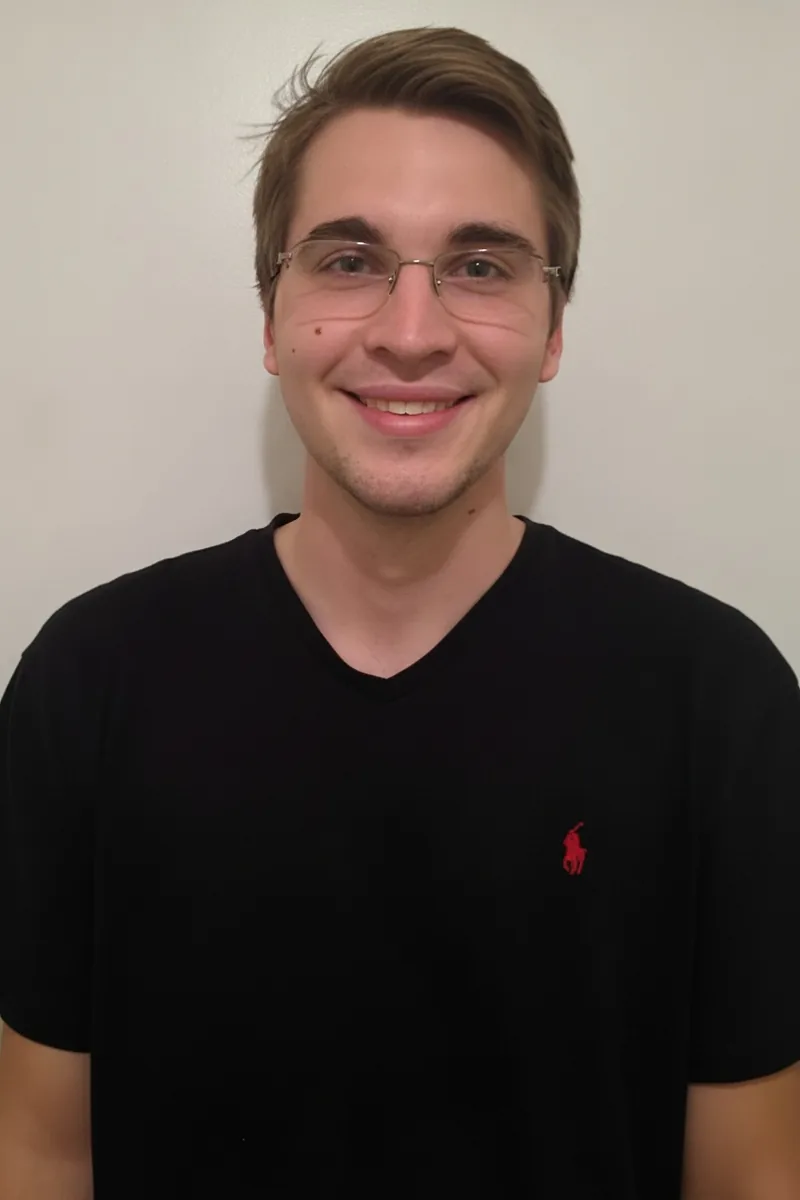
Proofs are usually the first time a math student has to build a logical argument rather than just compute an answer, and that shift throws a lot of people off. Will walks through each proof step as a chain of reasoning — connecting angle relationships, congruence criteria, and parallel line properties into something that actually makes sense instead of feeling arbitrary.
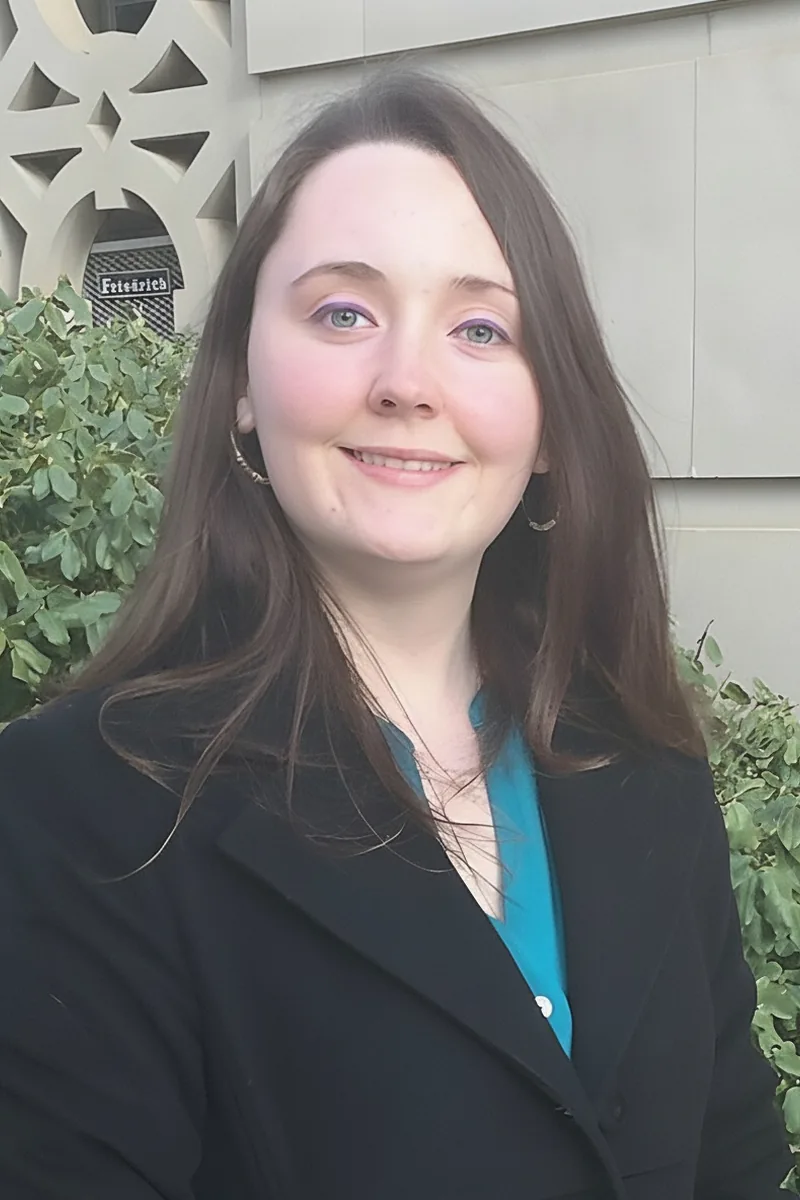
Proofs are where most geometry students panic, because suddenly math requires structured written arguments instead of calculations. Megan's linguistics training is a genuine advantage here — she teaches students to build logical chains the same way they'd build a persuasive paragraph, connecting given information to conclusions one justified step at a time.
Proofs trip up most geometry students because they require a completely different kind of thinking — constructing logical arguments instead of just computing answers. Stephen approaches proofs as structured writing exercises, teaching students to organize their reasoning from given information to conclusion. His background in both math and writing makes that crossover feel natural.
Three years of tutoring math across elementary through high school gave Talia a clear picture of where geometry trips students up — and it's almost always the transition from calculating answers to constructing logical arguments in proofs. Her approach leans on breaking down each proof into plain-language reasoning first, then translating that thinking into formal geometric statements about congruence, angle relationships, or parallel lines. Rated 5.0 by students.
Proofs tend to be the moment geometry stops feeling intuitive and starts feeling arbitrary — but Erica approaches them as structured arguments, drawing on the same logical rigor she honed studying philosophy at Harvard. She walks through congruence, similarity, and circle theorems by teaching students to read a diagram like a set of premises leading to a conclusion. That analytical framework makes even multi-step proofs feel manageable.
Designing biomedical devices at MIT means Vania constantly translates between 2D blueprints and 3D physical objects — the exact mental skill that makes geometry's trickiest problems (cross-sections, nets, spatial visualization) feel intuitive rather than abstract. She teaches students to sketch and annotate diagrams strategically, building the geometric intuition needed to tackle circle theorems and polygon properties without relying on memorized shortcuts. Rated 5.0 by students.
Proofs are usually where Geometry stops feeling like math class and starts feeling like a logic puzzle — and that's exactly where many students lose confidence. Brice, whose MIT computer science training is built on formal logical reasoning, teaches students to construct two-column and paragraph proofs by thinking about what they're actually claiming and why each step follows. He also digs into triangle congruence, circle theorems, and coordinate geometry with the same emphasis on reasoning over memorization.
Proofs are usually the first time students have to explain *why* something is true, not just calculate an answer, and that shift trips up a lot of geometry students. Adriana walks through the logic of congruence, similarity, and angle relationships in a way that makes writing a two-column proof feel like building an argument rather than guessing at steps.
Medical school teaches you to look at a complex case and figure out which details actually matter — Jean applies that same diagnostic thinking to geometry problems where students feel overwhelmed by busy diagrams full of angles, segments, and auxiliary lines. She breaks down figures methodically, teaching students to isolate the relevant relationships (say, which triangles are actually similar, or where alternate interior angles appear) before attempting any calculations. Her decade of teaching experience across age groups means she adjusts her explanations fast, whether a student needs a visual sketch or a step-by-step logical walkthrough.
Proofs are where most geometry students stall — figuring out which theorems to apply and how to chain them into a logical argument feels completely different from earlier math. Andy breaks down that reasoning process step by step, connecting angle relationships, triangle congruence, and circle properties to the underlying logic so the structure clicks rather than feels arbitrary.
Proofs trip up most geometry students because they require a completely different kind of reasoning than computation. Kelly breaks down the logic behind congruence, similarity, and angle relationships so that each step in a proof feels like a natural conclusion rather than a guess. Her 5.0 rating speaks to how well that structured approach clicks with students.
Proofs are where most geometry students freeze — they can see that two triangles look congruent but can't articulate why in a logical chain. Natasha treats proof-writing as a form of structured argument, drawing on the same reasoning skills her MIT engineering coursework demands daily. She breaks each proof into small, talkable steps so students can explain the logic in their own words before committing it to paper.
Proofs are the part of Geometry that makes students either love or dread the class, and the difference usually comes down to whether anyone taught them how to build a logical argument step by step. Kristen walks through proof structure the way an engineer thinks — identify what you know, figure out what's missing, and connect the two with precise reasoning.
Proofs are usually the stumbling block in geometry — students can calculate angle measures all day but freeze when asked to construct a logical argument about why something must be true. Won approaches geometric proofs the way he approached lab reasoning in chemistry: each step needs evidence, and the conclusion has to follow from what came before. That structured thinking carries over into congruence, similarity, and circle theorems.
Proofs are usually where geometry students panic, because suddenly math requires written logical arguments instead of just calculations. Mollie's legal studies background at Northwestern means she thinks in structured arguments daily — she teaches students to treat each proof like building a case, where every statement needs evidence. That framework clicks for students who've struggled with the "why do I have to prove this" frustration.
Proofs are usually the first place Geometry students feel lost, because suddenly math asks them to build logical arguments instead of just solving equations. Ken spent 17 years teaching high school science, where structured reasoning is everything, and he brings that same step-by-step logical framework to congruence proofs, similarity, and circle theorems.
A common reason students struggle in geometry is that they're missing foundational skills from earlier math — and Valerie, with her applied math degree and experience teaching every level from first grade through calculus, is unusually good at spotting exactly which piece is missing. She connects geometric concepts like circle theorems and polygon properties back to the arithmetic and algebraic reasoning students already know, making new material feel like a natural extension rather than a foreign language. Rated 5.0 by students.
Proofs are where most geometry students panic — the leap from calculating angles to constructing logical arguments feels enormous. Anthony's background in literary analysis and analytical reasoning gives him an unusual edge here: he treats a two-column proof the way you'd treat a persuasive essay, where every statement needs evidence and every step must follow from the last.
Proof-writing is usually where geometry students panic — suddenly math requires structured arguments instead of calculations. Roel teaches students to read a geometric diagram like a map, identifying congruence relationships and angle properties before writing a single line of proof, which makes the logic feel natural instead of forced.
A biology and theater double major might seem like an unusual fit for geometry, but Alex's graduate work in evolution — where he constantly maps phylogenetic trees and interprets branching spatial structures — builds exactly the kind of diagrammatic reasoning that geometric proofs demand. He approaches each problem by teaching students to read a figure before solving it, identifying which relationships between angles, segments, or parallel lines are actually doing the work. Rated 4.8 by students.
A chemistry and English double major from McGill, Nicole toggles daily between molecular geometry and structured argumentation — two skills that converge neatly when students need to reason through geometric proofs. She's especially effective at teaching students how to read a diagram and extract the given relationships before writing a single line of a proof, turning intimidating figures into clear logical steps. Rated 5.0 by students.
Proofs are where most geometry students hit a wall, because suddenly math requires logical argumentation instead of just computation. Jacques spent over 25 years teaching science and math in Massachusetts public schools, and he approaches geometric reasoning the way he approaches lab science: build the argument step by step, justify each claim, and check that the conclusion actually follows. That structured thinking turns proof-writing from intimidating to methodical.
Proofs are usually the part of Geometry that trips students up — knowing a theorem is different from constructing a logical argument with it. Vincent approaches proof-writing the way he approaches coding at MIT: step by step, with clear reasoning at every line, whether the problem involves triangle congruence, circle theorems, or coordinate geometry.
Proofs are usually where geometry students panic, but the logic behind them is surprisingly learnable once you see the structure. Afton walks through each proof type — two-column, paragraph, coordinate — by identifying what's given, what's needed, and which theorems bridge the gap, turning an intimidating format into a repeatable process.
Yiyu earned her law degree studying international politics at Peking University, where the rigorous logical argumentation required in legal analysis built exactly the kind of structured reasoning that geometry proofs demand. She teaches students to approach two-column proofs and theorem applications the way a lawyer builds a case — each statement justified, each step following inevitably from the last. Rated 5.0 by students.
Proofs are usually the sticking point in Geometry — students can calculate an angle but freeze when asked to logically justify why it's congruent. Marika approaches proofs as structured arguments, walking through each theorem step by step and showing how postulates chain together. Her analytical training in physics gives her a knack for making that logical scaffolding visible.
Proofs are where most geometry students panic — suddenly math requires written arguments, not just calculations. Sarah's background in Classics, where close textual analysis and logical argumentation are daily practice, gives her a natural way to teach students how to structure a two-column or paragraph proof from hypothesis to conclusion.
I am a very experienced high school and middle school teacher/tutor, as I have been tutoring or teaching in some capacity since August of 2010. I have always loved making personal connections with students and helping them make daunting studies (such as math or test preparation) more approachable. My favorite part of my job is empowering students to be more independent learners and helping them develop confidence in their abilities.
A PhD candidate in chemical engineering at MIT, Erin applies the rigorous spatial and analytical thinking from her research to geometry concepts like transformations, symmetry, and coordinate geometry. She breaks down problems by connecting visual intuition to the underlying math — showing students how to see the structure in a figure before writing a single equation. Rated 5.0 by students.
Proofs are where most geometry students stall — the leap from calculating angles to constructing a logical argument feels unfamiliar. Kevin's physics and engineering training means he thinks spatially by default, and he teaches students to reason through congruence, similarity, and circle theorems the same way an engineer reasons through a design problem.
Proofs are where most geometry students panic, but they're really just arguments built one logical step at a time. John approaches them the way he approaches game design — laying out what you know, identifying what you need, and finding the path between the two. He covers everything from triangle congruence and similarity to circle theorems, always emphasizing the reasoning over rote steps.
Proofs are usually where geometry students start to struggle — the jump from calculating angles to constructing logical arguments catches people off guard. Garrett's aerospace engineering training required rigorous spatial reasoning and formal problem-solving, so he teaches proof structure as a thinking tool rather than a memorization exercise.
Proofs are usually the moment geometry stops feeling easy, and Charlotte tackles them head-on by teaching students to map out logical chains before writing a single statement. Her mathematics background at Colgate was proof-heavy, so she's comfortable walking through triangle congruence, parallel line reasoning, and circle theorems with the kind of rigor the course actually demands.
Proofs are usually where geometry goes from manageable to frustrating — suddenly students need to justify every step with logic instead of just calculating angles. Jillian walks through the reasoning behind congruence theorems and parallel-line relationships so that writing a two-column proof feels like building an argument, not guessing at a format.
Proofs tend to be the place where geometry students freeze up, unsure how to move from a given statement to a conclusion. Arthur tackles this by teaching proof-writing as logical storytelling — each step needs a reason, and the whole argument has to hold together. His background in economics, where building structured arguments from evidence is routine, translates directly to this kind of reasoning.
Writing code in Java and Python is essentially an exercise in logical sequencing — if this condition holds, then this follows — which is exactly the muscle geometry proofs demand. William applies that programmer's precision to setting up two-column proofs and working through triangle congruence arguments, breaking each step into clear, verifiable logic. Rated 5.0 by students.
From elementary classrooms in New Hampshire to high school students in Ghana, Ryan has taught math across enough contexts to know that geometry is where students either start thinking visually or start falling behind — and the difference usually comes down to how well someone explains the *why* behind each theorem. His approach leans heavily on open discussion, letting students talk through circle properties or triangle congruence reasoning out loud until the logic feels like their own. Rated 4.8 by students.
Biomedical engineering is essentially applied geometry — Anthony spent years at BU and Tufts calculating cross-sectional areas of blood vessels, modeling 3D tissue scaffolds, and reasoning through spatial problems where precision matters. That hands-on engineering intuition makes him especially strong on measurement-heavy geometry topics like surface area, volume of solids, and trigonometric applications in right triangles. Rated 4.9 by students.
Proofs are where most geometry students freeze up — the leap from calculating angles to constructing logical arguments feels like a different subject entirely. Emma breaks that transition down by connecting each theorem back to visual, hands-on reasoning, making congruence and similarity proofs feel like puzzles rather than obstacles. Rated 5.0 by students.
Proofs are usually where geometry students either engage or shut down. Patrick approaches them as logical puzzles — teaching students to identify congruence criteria, angle relationships, and parallel-line theorems as tools for building an argument, one justified step at a time.
Testimonials
Because the right Geometry tutor makes all the difference.
Average Session Rating – Based on 3.4M Learner Ratings
Practice Geometry
Free practice tests, flashcards, and AI tutoring for Geometry
Nearby Geometry Tutors
Other Worcester Tutors
Related Math Tutors in Worcester
Frequently Asked Questions
Many students struggle with the shift from algebra's procedural focus to geometry's emphasis on visual reasoning and logical proofs. Common pain points include understanding why geometric properties work (not just memorizing them), tackling multi-step proofs, solving word problems that require interpreting diagrams, and building spatial visualization skills. Personalized tutoring helps students move beyond memorization to see the underlying patterns and connections that make geometry click.
Proofs require both logical thinking and clear communication—skills that benefit greatly from one-on-one guidance. A tutor can help your student understand the "why" behind each step, develop a systematic approach to organizing thoughts, and practice translating geometric relationships into formal statements. With personalized instruction, students learn to see proofs not as intimidating exercises but as logical arguments they can construct with confidence.
The first session focuses on understanding your student's current level, learning style, and specific geometry challenges—whether that's proofs, coordinate geometry, or word problems. The tutor will assess what's working well and where gaps exist, then create a personalized plan to build both conceptual understanding and problem-solving skills. This foundation ensures every future session targets exactly what your student needs.
Yes. Worcester's six school districts use different textbooks and approaches, and Varsity Tutors connects you with tutors experienced in various geometry programs. Whether your student's school uses a traditional proof-heavy curriculum, an integrated approach, or a more applied focus, tutors can adapt their instruction to align with what's being taught in class while reinforcing conceptual understanding.
Word problems require students to translate language into diagrams and equations—a skill that's often overlooked in traditional instruction. Tutors help students develop a systematic approach: identifying what's given, what's being asked, and which geometric properties apply. With practice and personalized feedback, students learn to break complex problems into manageable steps and build confidence tackling unfamiliar scenarios.
Math anxiety often stems from feeling lost or unsupported, and personalized 1-on-1 instruction directly addresses this. In a low-pressure environment, students can ask questions freely, work at their own pace, and experience small wins that build confidence. As they begin to understand the "why" behind geometric concepts rather than just memorizing rules, anxiety typically decreases and engagement increases.
Spatial reasoning is foundational to geometry success, and it improves with guided practice. Tutors use multiple strategies—drawing from different angles, rotating figures mentally, using manipulatives or digital tools, and connecting 2D diagrams to 3D objects. Personalized instruction helps students develop these visualization skills at their own pace, turning abstract concepts into concrete understanding.
Pricing varies based on the tutor's experience level and your student's specific needs. Varsity Tutors connects you with tutors at different price points, so you can find an option that fits your budget. We recommend starting with a consultation to discuss your student's goals and get matched with the right tutor for your situation.
Let’s find your perfect tutor
Answer a few quick questions. We’ll recommend the right plan and match you with a top 5% tutor.