Award-Winning Elementary School Reading Tutors
serving Worcester, MA
Elementary School Reading
Tutors in Worcester
Private 1-on-1 tutoring, weekly live classes for academic support, test prep & enrichment, practice tests and diagnostics, and more to elevate grades and test scores.
Based on 3.4M Learner Ratings
UniversitiesSchools & Universities
DeliveredHours Delivered
ProficiencyGrowth in Proficiency
Who needs tutoring?
No obligation. Takes ~1 minute.
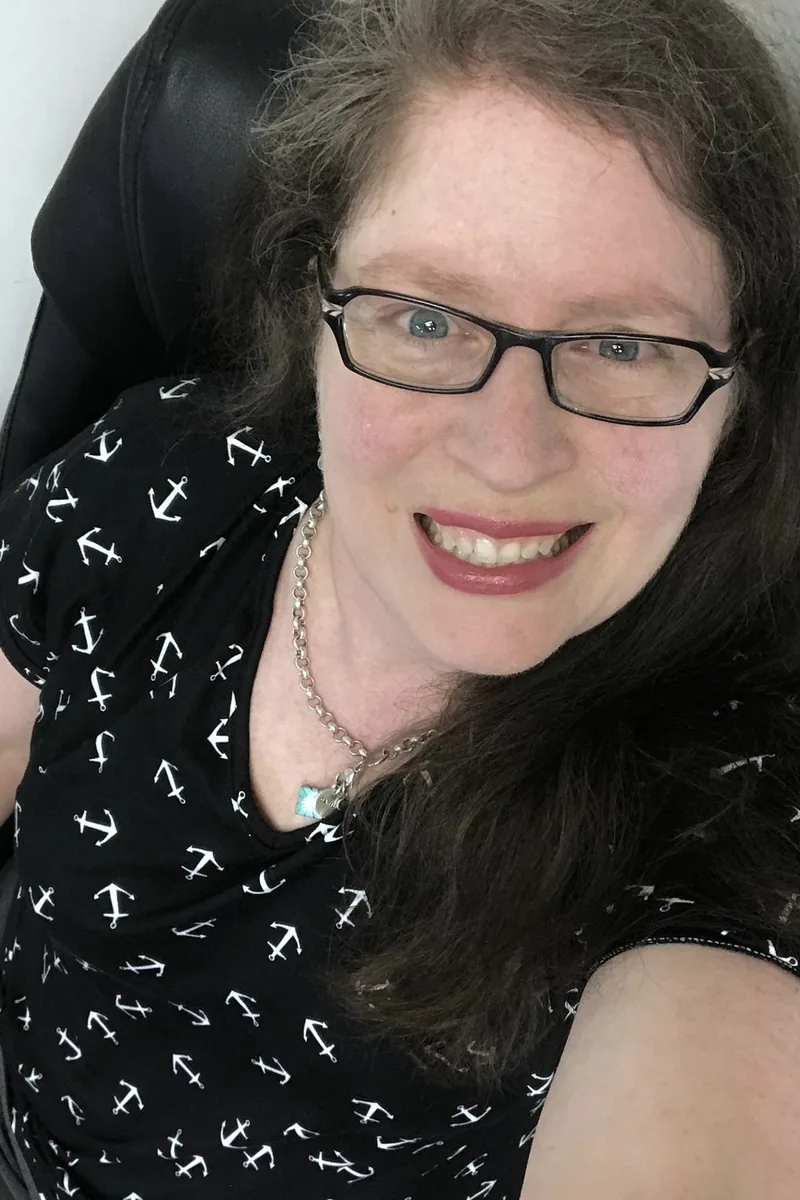
I have over 20 years of experience in the education field and specialize in ELA for all grade levels including AP/Honors, college, ESL/ELL, special education and test prep. I also enjoy additional subject areas: assisting students with college applications and essay writing/editing, general homework in all subjects, executive functioning and preparing students for entrance exams (private school, ISEE, TEAS, or ELA section of the PSAT/SAT), college applications including essays and college or scholarship interviews. I hold a BA, M.Ed. degrees, certifications in teaching, Academic Coaching, and Tutoring. In addition, I have extensive training on working with students on IEP's or other educational plans. I focus on building skills through customized sessions. Thank you for viewing my profile, I look forward to working with your student!
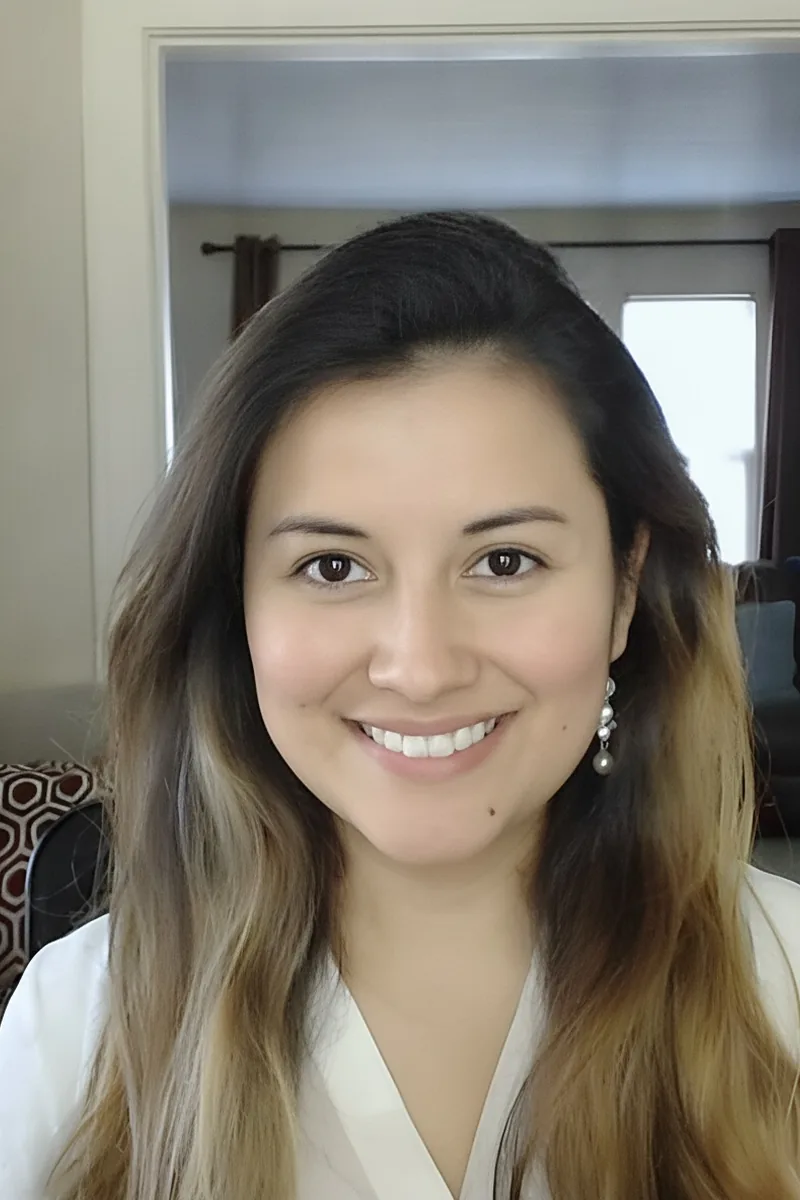
Through her nonprofit work educating families in Ecuador, Vanessa has seen firsthand how foundational early reading skills shape everything that comes after. She builds young readers' confidence by connecting phonics, vocabulary, and comprehension to stories that genuinely interest them — turning reading from a chore into something a child wants to do on their own.
Getting young readers excited about books is half the battle — the other half is building real skills like decoding unfamiliar words, making predictions, and retelling a story in their own words. Noel is an avid reader himself and brings that genuine enthusiasm to every session, turning reading practice into something kids actually look forward to.
Teaching a child to read means building phonics, sight-word recognition, and comprehension simultaneously, and Cindy keeps all three moving forward without making any session feel like a drill. She uses stories kids are genuinely curious about to practice decoding and inference, turning reading time into something they look forward to.
Before the advanced science and medical training, reading comprehension was the skill that made everything else possible — and Connie remembers that clearly. She breaks early reading into manageable pieces: decoding unfamiliar words in context, identifying a story's main idea, and building the confidence to tackle longer passages independently.
Early reading is where Zoe's expertise runs deepest. As a licensed elementary teacher and former second-grade reading tutor, she pinpoints whether a child is struggling with fluency, vocabulary, or comprehension and then uses targeted, repetitive practice — repeated readings, word sorts, guided questioning — to close that specific gap.
Phonics, sight words, fluency, and comprehension each require different teaching strategies, and Alison knows which one a student needs at any given moment. Her Master's in Education with a focus on Curriculum and Instruction means she can pinpoint exactly where a young reader is getting stuck — whether it's blending consonant clusters or making predictions about a story — and adjust her approach accordingly.
Early reading skills like phonics, sight words, and basic fluency set the trajectory for everything that comes later — and gaps at this stage compound quickly. Valerie's background in applied math gives her a sharp eye for diagnosing exactly where a young reader is getting stuck, whether it's decoding multisyllable words or losing comprehension in longer passages. She makes reading practice feel low-pressure while still being purposeful.
Early reading instruction comes down to a handful of concrete skills — phonics, sight word recognition, fluency, and the ability to retell what just happened on the page. As a certified teacher who has worked with students from kindergarten onward, Meagan pinpoints which of these building blocks needs attention and tailors her approach to the individual child's reading level.
A linguistics degree and current graduate work in speech-language pathology with a literacy focus give Meghan deep insight into how young readers develop — from phonemic awareness and decoding to building fluency with connected text. She breaks reading into concrete, manageable skills so kids build real confidence with each new book. Rated 5.0 by families she's worked with.
Early reading confidence changes everything about a student's academic trajectory. Jennifer uses her English and history background to match young readers with engaging texts at the right level, then teaches them concrete strategies — like predicting what comes next or sounding out unfamiliar words in context — that build independence. She holds a 5.0 rating from families she's worked with.
Early reading clicks when a child connects decoding skills to actual comprehension — sounding out words matters, but so does understanding what a story is about. Jadyn teaches elementary readers to make predictions, ask questions about characters' choices, and retell passages in their own words so that reading becomes an active conversation with the text.
Early reading skills like phonics, fluency, and comprehension don't always develop on the same timeline, and Liana is patient enough to meet each child where their specific gap is. She uses read-aloud exercises and targeted questions to strengthen both decoding and understanding, turning reading from a chore into something kids actually look forward to.
Early reading clicks when a child can connect letter sounds to whole words and whole words to meaning on the page. Eunice builds this chain link by link — sight word recognition, vowel patterns, context clues in picture books — drawing on her ESL tutoring background to adapt pacing and strategies for each learner's starting point.
Phonics and fluency are only part of the picture — early readers also need to build the habit of checking whether what they just read actually made sense. Shandalea pairs decoding practice with comprehension strategies like predicting, retelling, and making text-to-self connections, so students develop both accuracy and understanding at the same time.
When a young reader stumbles, the issue might be phonics, fluency, vocabulary, or comprehension — and each one calls for a different approach. Juanita's psychology background from the University of Florida gives her a keen eye for diagnosing where a student is getting stuck. She uses that insight to select targeted strategies, whether it's decoding practice, guided re-reading, or building sight-word recognition.
Early reading clicks when a child feels genuinely excited about a story — not just sounding out words on a page. Ayana designed her own grade-level lessons while teaching elementary students at a summer program, building activities around phonics, sight words, and reading comprehension that kept young learners engaged and progressing.
An avid reader herself, Preetha makes early reading sessions feel more like exploring a story than drilling skills. She zeroes in on the building blocks — phonics patterns, sight word fluency, and reading comprehension strategies like predicting and summarizing — tailoring her approach to each student's current level. Her patience and enthusiasm keep younger learners engaged even when a passage feels challenging.
For early readers, the jump from decoding individual words to understanding a whole story can feel enormous. Sophie breaks that bridge into manageable steps: sounding out unfamiliar words, asking prediction questions mid-story, and retelling what happened in a student's own words to build real comprehension.
Early readers need someone patient enough to sit with a tricky passage and curious enough to make the story feel exciting. Hope builds fluency by pairing phonics and sight-word practice with real conversations about characters and events, so young readers start connecting the mechanics of reading to the fun of understanding a story.
Phonics rules, sight word recognition, and reading fluency each require different kinds of practice, and young readers often need all three at once. Ryan's hands-on experience guiding elementary students through their reading assignments taught him how to spot whether a child is struggling with decoding, comprehension, or simply stamina — and to adjust the session accordingly.
The leap from decoding words to actually comprehending a passage is where many elementary readers struggle — they can sound out the sentence but can't tell you what it means. Lorelei tackles this gap with targeted strategies like predicting, visualizing, and retelling, drawing on her Master's training in differentiated literacy instruction at Brandeis. She tailors each session to the specific reading level and interests of the child.
For younger readers working on phonics, fluency, or comprehension, having a tutor who genuinely loves books makes a real difference. Faith is an avid reader herself and knows how to pick texts that match a child's level while still sparking curiosity. She zeroes in on specific skills — like identifying main ideas, making predictions, or decoding unfamiliar words — so each session produces visible progress.
Getting a young reader excited about books is half the battle — the other half is building real skills like decoding unfamiliar words, making predictions, and retelling what happened in sequence. Rainier brings an energetic, story-driven approach to reading sessions, drawing on his arts and humanities training at Wellesley College to pick texts that actually spark curiosity.
Building reading confidence early changes everything about a student's academic trajectory. Meeghan works on phonics patterns, sight word recognition, and basic comprehension strategies like predicting what comes next in a story or retelling key events in order. As someone who reads voraciously herself, she's great at matching kids with texts that actually hold their attention.
Decoding words is only half the battle — young readers also need to visualize scenes, predict what comes next, and retell stories in their own words. Vicente builds these comprehension habits early, using read-aloud techniques and targeted questioning that turn passive listeners into active readers. His experience teaching foundational ELA and phonics means he can spot gaps in fluency and address them before they compound.
Early reading clicks when a child starts recognizing patterns — phonics rules that unlock new words, context clues that fill in gaps, story structures that make predictions possible. John breaks these skills into small, achievable wins so young readers build momentum rather than frustration. His experience across dozens of subjects means he can adapt quickly to each child's pace and interests.
Early reading skills like phonics, sight words, and basic comprehension lay the groundwork for everything that comes later in school. Leonid's patience and genuine enthusiasm for books make him a natural fit for young readers who need someone to sit with them through a tricky passage, ask the right questions, and celebrate the moment a sentence finally clicks.
Before a child can love reading, they need to feel confident doing it — decoding unfamiliar words, making predictions, and retelling what they just read in their own words. Clare's 5.0 rating speaks to her ability to make these foundational skills feel like a game rather than a chore.
Early readers need someone who makes the page feel like an adventure, not a chore — Jonathan builds confidence by connecting stories to things kids already care about. His philosophy background gives him a knack for asking the right questions during read-alouds, drawing out comprehension skills like sequencing, making predictions, and identifying main ideas.
Early reading skills like phonics, sight words, and basic comprehension don't have to feel like a chore. Sydney brings patience and creativity to elementary reading sessions, using context clues and guided questions to build a young reader's independence. She's been practicing these techniques for years, starting with tutoring her younger sister through her own early reading milestones.
Learning to read fluently is one thing — learning to understand what you've read is another challenge entirely. Ashley tackles comprehension strategies like predicting, questioning, and summarizing with elementary students, turning each reading session into a conversation about what's happening on the page and why it matters.
Reading comprehension at the elementary level is really about building confidence with new words and learning to pull meaning from a story — skills Zina reinforces through active questioning and vocabulary-building exercises. Her patient, structured approach (rated 5.0 by students) makes even reluctant readers more willing to tackle unfamiliar passages.
Every day in Denver Public Schools, Delia sees firsthand what early readers need: phonics reinforcement, sight word fluency, and the confidence to tackle unfamiliar texts without shutting down. She uses leveled reading strategies to build decoding and comprehension skills together, so students aren't just sounding out words — they're understanding stories.
Teaching a young reader to decode words is only half the job — the other half is making reading feel rewarding. Kevin pairs phonics and fluency practice with age-appropriate stories that spark curiosity, so students build speed and comprehension at the same time. His experience creating a summer tutoring program for younger students gave him a practical toolkit for keeping elementary readers motivated.
Learning to read confidently — decoding new words, making predictions, and retelling a story in sequence — takes patience and the right kind of encouragement. Anna breaks reading into manageable steps, connecting phonics patterns to real stories so young readers build momentum instead of frustration. Rated 5.0 by students and families.
Building real reading confidence at the elementary level means more than just decoding words — it means learning to make predictions, ask questions about characters, and connect stories to personal experience. Vivian teaches these comprehension strategies explicitly, giving young readers tools they can use every time they pick up a book.
Early reading confidence comes from connecting sounds to meaning, not just sounding out words in isolation. Emma's education coursework at Cornell introduced her to developmental reading theory, and her experience creating age-appropriate curricula for young learners means she knows how to match a book's difficulty to where a child actually is. Her 5.0 rating speaks to how well she keeps younger students engaged and moving forward.
Early readers need someone patient enough to sit with a tricky word and turn it into a small victory. Agustin breaks phonics patterns and sight words into manageable chunks, building fluency through repetition that feels like a game rather than a chore. His experience across multiple languages gives him an intuitive sense for how young learners process sounds and letter combinations.
Young readers build confidence when someone sits with them through the tricky parts — decoding unfamiliar words, making predictions about what happens next, and connecting a story's events to their own experiences. Alice's background as a K-12 math center instructor taught her how to match explanations to a child's level, and she brings that same patience and adaptability to reading comprehension and fluency.
Testimonials
Because the right Elementary School Reading tutor makes all the difference.
Average Session Rating – Based on 3.4M Learner Ratings
Nearby Elementary School Reading Tutors
Other Worcester Tutors
Related English Tutors in Worcester
Frequently Asked Questions
Many elementary readers struggle with phonics foundations, fluency, and comprehension—especially when transitioning from learning to read to reading to learn. Students may also have difficulty with vocabulary development, understanding complex sentence structures, or staying engaged with longer texts. Personalized 1-on-1 instruction helps identify exactly where a student is struggling and builds confidence through targeted practice.
The first session focuses on assessment and relationship-building. A tutor will evaluate your child's current reading level, identify specific areas for improvement (like decoding, fluency, or comprehension), and learn about their interests and learning style. This information shapes a personalized plan that keeps your child engaged and motivated while building essential reading skills.
Tutors use evidence-based strategies like guided questioning, visualization, and text annotation to help students understand what they read more deeply. Rather than just decoding words, students learn to make connections, ask questions about the text, and think critically about meaning. Regular practice with personalized feedback helps these comprehension skills become automatic over time.
Most students notice measurable improvements in fluency within 4-6 weeks of consistent tutoring, though the timeline depends on starting point and frequency of sessions. Fluency develops through repeated, supported reading practice—tutors use techniques like repeated reading and modeling to help students read more smoothly and confidently. Regular sessions combined with at-home practice accelerate progress.
Yes. Tutors who work with students in Worcester are familiar with the reading standards and expectations across the district's six school systems. They can align personalized instruction with what your child is learning in class, reinforce classroom concepts, and fill gaps—whether your student attends a school in Worcester Public Schools or another local district.
Tutors connecting with students in Worcester for elementary reading instruction have expertise in reading instruction, literacy development, and age-appropriate teaching strategies. Many have backgrounds in education, English, or reading specialization. Varsity Tutors matches you with a tutor whose qualifications and teaching style fit your child's specific needs and learning goals.
Absolutely. Personalized 1-on-1 instruction is especially powerful for students who are struggling, because tutors can slow down, use multi-sensory approaches, and build confidence at your child's pace. Instead of keeping up with a classroom of 20+ students, your child gets individualized attention focused on their specific gaps—whether that's phonics, sight words, or comprehension strategies.
Simply tell Varsity Tutors about your child's reading level, goals, and schedule. We'll match you with an expert tutor who fits your needs, and you can start with a first session to see if it's a good fit. The process is straightforward, and you have flexibility to adjust frequency and focus as your child progresses.
Let’s find your perfect tutor
Answer a few quick questions. We’ll recommend the right plan and match you with a top 5% tutor.