Award-Winning History Tutors
serving Springfield, MA
History
Tutors in Springfield
Private 1-on-1 tutoring, weekly live classes for academic support, test prep & enrichment, practice tests and diagnostics, and more to elevate grades and test scores.
Based on 3.4M Learner Ratings
UniversitiesSchools & Universities
DeliveredHours Delivered
ProficiencyGrowth in Proficiency
Who needs tutoring?
No obligation. Takes ~1 minute.
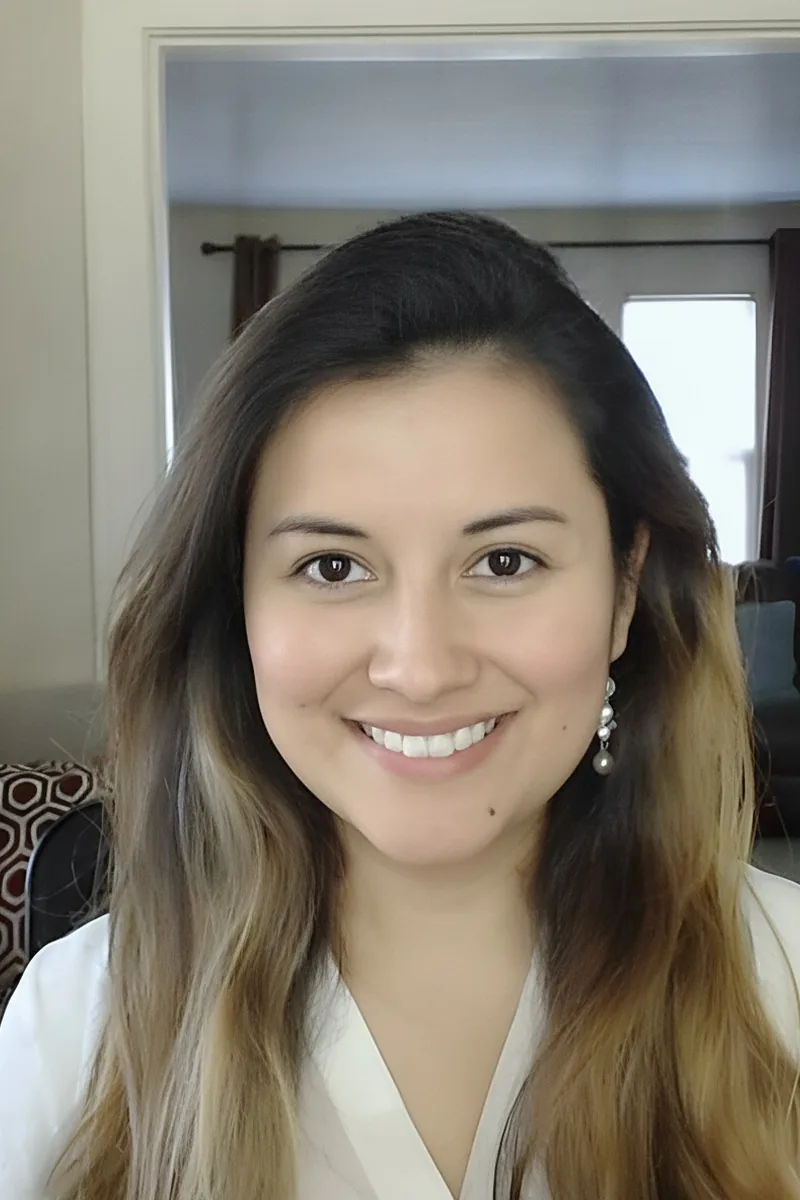
A Harvard-trained researcher in political science and history, Vanessa digs into the past the way historians actually do — through primary sources, competing narratives, and the messy context behind clean textbook timelines. Whether a student is analyzing the causes of the French Revolution or writing a DBQ essay, she teaches them to construct arguments from evidence rather than memorize dates. She's an avid reader of historians like Doris Kearns Goodwin in her own time.

Studying history well means learning to think like a historian: evaluating sources, understanding causation versus correlation, and constructing arguments from evidence. Yu's political science degree from Penn gave her deep experience with exactly this kind of analytical reasoning. She teaches students to move beyond memorizing dates and instead build the interpretive skills that make history exams and essays far more manageable.
As a history concentrator at Harvard, Samuel doesn't treat the subject as a list of dates and names to memorize. He teaches students to read primary sources critically, trace cause-and-effect chains across events, and write the kind of document-based arguments that AP and college-level courses demand.
Studying History, Culture, and Law as one of her majors at Northeastern, Talia approaches history as an argument built from evidence rather than a list of dates to memorize. She teaches students to analyze primary sources, identify cause-and-effect chains, and write document-based essays that connect specific events to broader historical themes.
Studying history at the college level is really about reading critically and writing persuasive arguments — two skills Meghan has sharpened through her English BA at Cornell and her ongoing PhD work in American Literature at UConn. She teaches students to dissect primary sources, identify authorial bias, and build thesis-driven essays that go beyond summarizing events.
Too many students treat history as a list of dates and names to memorize, then struggle when an exam asks them to analyze cause and effect or compare political movements across eras. Margaret tackles history as an exercise in argumentation, drawing on her Princeton liberal arts education to teach students how to read sources critically and write evidence-driven responses.
Reading a history textbook is one thing; constructing a compelling historical argument from primary sources is another skill entirely. Diana treats history as an exercise in critical literacy — teaching students to identify bias in documents, weigh competing interpretations, and write essays that do more than summarize events. Her linguistics training makes her especially effective at unpacking the language choices in historical texts.
Alyssa approaches history as an exercise in reading sources critically — asking who wrote a document, what they wanted, and what they left out. Her Harvard policy background means she's especially sharp on the intersection of social movements, legislation, and cultural change, which maps directly onto AP and survey-course frameworks from Reconstruction through the Civil Rights era.
Being one of ten writing majors at MIT means Marisa spends most of her time surrounded by engineers and scientists — and constantly translating between technical and humanistic ways of thinking. That skill carries directly into history, where she teaches students to build thesis-driven arguments from primary sources the same way she's coached MIT peers through analytical papers on topics from race in media to geopolitical theory. Her 1540 SAT reflects the close reading and argumentative writing that history coursework rewards.
Succeeding in history courses depends less on memorizing dates than on constructing arguments from evidence — a skill that transfers directly from Kerry's training in psychology research at Cornell and William James College. She teaches students to analyze primary sources, identify cause-and-effect relationships, and write document-based essays with clear, defensible claims. Her study skills expertise also keeps students organized when facing heavy reading loads.
Cassandra approaches history the way her comparative literature training taught her to approach any text: by asking whose story is being told, what's left out, and how the source's form shapes its argument. She's particularly strong at teaching students to analyze primary documents and construct thesis-driven essays for DBQs and research papers.
Six months living in Spain didn't just make Rebecca fluent in Spanish — it gave her firsthand experience with how culture, politics, and daily life are shaped by centuries of historical context, from the legacy of Franco to regional independence movements. Her English and philosophy training at Notre Dame sharpened the close-reading and argumentation skills that history essays and document analysis actually test, and she teaches students to build claims from evidence rather than summarize events. Rated 4.5 by students.
Erica's Harvard degree is literally in the History of Science, so she doesn't just know historical content — she knows how historians think, argue, and use primary sources to build interpretive claims. She teaches students to move past summarizing events and instead analyze causation, context, and competing narratives in their own writing and discussion.
An economics degree trains you to think in terms of incentives, scarcity, and institutional design — and Laura brings that analytical habit to history, where she teaches students to dig into the economic pressures behind political upheaval and social change. Her 1510 SAT reflects sharp reading and writing skills that translate directly to document analysis and thesis-driven essays. Rated 5.0 by students.
Studying sociology at Harvard means Benjamin spends his days analyzing how societies function across time — the same skill that makes history click. He teaches students to read primary sources critically and build document-based arguments, connecting political events to the social and economic forces behind them rather than treating history as a list of dates to recall.
Studying sociology at Harvard means Scott already thinks in terms of how societies organize, change, and clash — which is exactly what history demands. He teaches students to move past memorizing dates and instead analyze cause-and-effect chains, evaluate primary sources, and write the kind of document-based essays that AP and honors courses require.
Psychological thrillers are Parita's favorite reading genre, and that instinct — asking what's really driving people's choices beneath the surface — shapes how she approaches history. She teaches students to dig into the motivations, power struggles, and unintended consequences behind major events, turning flat textbook narratives into something closer to a compelling story with stakes. Rated 5.0 by students.
Emma didn't just study history at Northwestern — she paired it with a second degree in the History and Philosophy of Science and Technology, which means she thinks about the past from multiple angles at once: political, intellectual, technological. She teaches students to analyze primary sources as arguments with agendas, a skill that transforms both essay writing and document-based exam questions.
Public health and immigration — two of Maedeh's core interests from her neuroscience studies — are fundamentally historical questions: who got access to what, when, and why policy shifted. That lens gives her a concrete way to teach students how to analyze cause-and-effect in essay prompts, especially around topics like Progressive Era reform, Cold War-era foreign policy, or the social forces behind migration patterns. Rated 5.0 by students.
Treating history as an argument rather than a list of dates changes everything about how students read documents, write essays, and retain information. Noel's background in public policy analysis trained him to evaluate evidence and trace cause-and-effect through complex systems — skills that translate directly to sourcing primary documents and constructing DBQ-style responses.
Too many students treat history as a list of names and dates to memorize. Cindy teaches it as a discipline built on evidence and interpretation — how to read a document for bias, how to connect events across time periods, and how to write a thesis that actually argues something. Her English training at Harvard sharpens every essay and DBQ she reviews.
Lesleigh's graduate research sits at the crossroads of ancient civilizations, Christianity, and Renaissance culture — which means she teaches history as a web of connected ideas rather than isolated dates and names. Her Classical Studies MA gave her deep fluency with Greek, Roman, and medieval history, and she brings that same source-analysis rigor to helping students build arguments from primary documents. She holds a 5.0 client rating.
Creative writing training at Carnegie Mellon — particularly the workshop model of dissecting how narratives are constructed — gave Sydney a sharp eye for the storytelling embedded in historical sources, from political speeches to wartime propaganda. She teaches students to read those texts like a writer would: asking who the audience was, what the author wanted them to feel, and how the structure of the argument shaped public response. Her 35 ACT and Phi Beta Kappa induction reflect the kind of cross-disciplinary rigor that history coursework rewards.
An MIT Materials Science and Engineering student with a minor in Japanese, Cori brings an unusual cross-cultural and technical perspective to history — she's practiced reading primary sources in Japanese and analyzing how industrial and material innovations drove major historical shifts, from the Steel Age to wartime manufacturing. Her TA experience at MIT also honed her ability to break down complex cause-and-effect chains, a skill she applies directly to document-based questions and essay arguments.
Teaching 9th and 10th grade English at a Cambridge prep school means Halley spends every day showing students how to read critically and argue from evidence — skills that transfer directly to history essays and document analysis. Her Stanford M.A. in Education, focused on 8-12th grade ELA, gave her structured methods for teaching students to unpack primary sources the same way they'd close-read a novel: examining author intent, audience, and context before drawing conclusions. That literary lens is particularly useful for DBQs, where the ability to read between the lines of a document matters as much as knowing the historical facts.
Brice's core strengths are in STEM and computer science at MIT, so he approaches history the way he approaches debugging code — systematically breaking down what happened, what led to it, and what the evidence actually supports. That structured thinking translates well to organizing essay responses and building thesis-driven arguments from historical sources. Rated 4.9 by students across his 48 subjects.
An MIT mechanical engineering curriculum doesn't leave much room for ambiguity — but Vania's dual degree in music means she's constantly interpreting context, intent, and meaning alongside equations. That interpretive habit translates directly to historical source analysis, where she teaches students to read documents for subtext and construct arguments about why events unfolded the way they did, not just recite what happened. Rated 5.0 by students.
Connie approaches history the way she was trained to read medical literature — by asking what the evidence actually supports and who's making the argument. Her Northwestern liberal arts background included substantial coursework in the humanities, giving her real comfort with primary source analysis and constructing cause-and-effect narratives across eras.
I'm excited to work with you or your child either on standardized test preparation or on generally improving performance in history, English, and social studies!
Zachary approaches history the way his PhD training taught him to approach any complex text: by asking what assumptions are buried in the source material and whose perspective is missing. His deep grounding in philosophy and classics means he can contextualize events from ancient Rome through the Enlightenment with genuine intellectual depth. Students walk away not just knowing what happened, but understanding the arguments historians make about why it matters.
A Duke economics degree means Kelly spent four years studying how incentive structures, monetary policy, and market forces drive human behavior — which is essentially what history asks students to explain on paper. She brings that analytical habit to teaching source analysis and essay writing, pushing students to build arguments around economic and political causation rather than retelling events chronologically. Rated 5.0 by students.
Urban Studies at MIT means Adriana spends her coursework analyzing how political decisions, economic forces, and social movements have shaped cities and communities over time. She brings that same lens to history tutoring, teaching students to connect causes and consequences rather than memorize isolated dates and names.
Engineering coursework at MIT drills one thing relentlessly: reading complex technical material, extracting the key variables, and explaining how they interact. Natasha brings that same systematic approach to history, teaching students to dissect primary sources and build cause-and-effect arguments in essays and DBQs rather than recounting events chronologically. Rated 4.9 by students.
Growing up and attending school in Bosnia and Herzegovina — a country where recent history is deeply personal and politically contested — gave Andy a firsthand understanding of how perspective shapes historical narrative. He brings that awareness to tutoring, teaching students to interrogate sources for bias and construct arguments grounded in evidence. Rated 5.0 by students.
A PhD in biomedical engineering means Michelle spent years tracing how scientific breakthroughs — germ theory, antibiotics, vaccine development — emerged from specific political and economic conditions, which is exactly the kind of causal thinking history courses reward. She teaches students to build arguments that connect events to their underlying drivers rather than reciting timelines, drawing on the same evidence-analysis skills that carried her through years of research writing. Holds a 5.0 rating.
Ten years of teaching everyone from toddlers to adults — across subjects as different as physics and dance — trained Jean to read an audience fast and adjust on the fly, a skill that pays off when making historical arguments click for different learners. Her sociology degree at Harvard means she already thinks in terms of social structures, power dynamics, and institutional forces, which maps directly onto analyzing movements like Reconstruction or the Civil Rights era. Medical school added a second lens: she treats primary sources the way a diagnostician treats symptoms, piecing together evidence before reaching a conclusion.
Treating history as a set of competing narratives rather than a list of dates changes how students engage with it. Alison approaches the subject through primary source analysis and argument construction, drawing on her English composition expertise to teach students how to read historical documents critically and write evidence-driven responses.
Engineering coursework at Cornell trained Tina to dissect complex systems by mapping how individual components interact — a habit she brings directly to historical analysis, where understanding how economic pressures, social tensions, and political decisions feed into each other is what separates strong essays from surface-level summaries. Her pre-med preparation also means she's currently immersed in close reading and argument construction daily, keeping those skills sharp for document-based questions and thesis-driven writing. Rated 5.0 by students.
Elise approaches history the way she approaches literature: by teaching students to read sources critically and ask what's missing from the narrative. Her Dartmouth background in Comparative Literature, which spanned multiple cultural traditions and historical periods, makes her especially effective at connecting events to their broader social and political contexts. She's rated 5.0 by students.
Studying history well means reading like a lawyer — evaluating sources for bias, context, and purpose before deciding what they prove. Grace's political science coursework at Vanderbilt is built on exactly this kind of evidence-based reasoning, and she applies it to everything from document-based questions to essay prompts. She walks students through how to turn a pile of facts into a coherent historical argument.
Testimonials
Because the right History tutor makes all the difference.
Average Session Rating – Based on 3.4M Learner Ratings
Nearby History Tutors
Other Springfield Tutors
Related Social Studies Tutors in Springfield
Frequently Asked Questions
Many students struggle with memorizing dates and names without understanding the bigger picture of cause and effect. Others find it difficult to analyze primary sources, construct arguments with evidence, or see how historical events connect to each other and the present day. Personalized tutoring helps students move beyond memorization to develop critical thinking skills that make history engaging and meaningful.
In a classroom with a 12.6:1 student-teacher ratio, teachers must move at a pace that works for the whole group. Personalized 1-on-1 instruction allows tutors to slow down on concepts you find challenging, spend extra time on essay writing or source analysis, and accelerate through material you've already mastered. Tutors can also tailor lessons to your learning style and connect history topics to your interests, making the subject more relevant and memorable.
Varsity Tutors connects you with tutors who understand Massachusetts History standards and the specific curriculum used across Springfield's 8 school districts. Whether you're working on state standards, preparing for assessments, or tackling your school's particular course sequence, tutors can align lessons with what you're learning in class while providing deeper exploration and targeted support where you need it most.
Yes—essay writing and primary source analysis are core strengths of personalized History tutoring. Tutors work with you on thesis development, organizing evidence-based arguments, analyzing perspective and bias in historical documents, and revising your writing for clarity and impact. This targeted practice builds skills that transfer across all your history courses and standardized assessments.
Varsity Tutors connects students with tutors across all grade levels—from middle school world history and civics through high school courses like U.S. History, World History, AP U.S. History, AP European History, and AP World History. Tutors also support college-level history courses and test preparation for history-based standardized assessments.
Your first session is a chance to meet your tutor, discuss your goals (improving grades, mastering a specific unit, preparing for an exam), and identify areas where you need the most support. The tutor will assess your current understanding of history concepts and skills, then create a personalized plan that targets your challenges while building on your strengths. This foundation ensures every future session is focused and productive.
Absolutely. Tutors help students prepare for unit exams, midterms, finals, AP History exams, and college entrance exams with history components. They focus on test-specific strategies like time management, analyzing multiple-choice questions, organizing timed essays, and reviewing high-frequency content. Personalized prep means you focus on the topics and question types that give you the most trouble.
Varsity Tutors makes the matching process simple—you tell us about your grade level, the specific History course or skills you need help with, and your availability. We connect you with an expert tutor whose background and teaching style fit your needs. You can start with a single session to see if it's a good fit, then continue with a schedule that works for you.
Let’s find your perfect tutor
Answer a few quick questions. We’ll recommend the right plan and match you with a top 5% tutor.