Award-Winning SAT Tutors
serving Springfield, MA
SAT
Tutors in Springfield
Private 1-on-1 tutoring, weekly live classes for academic support, test prep & enrichment, practice tests and diagnostics, and more to elevate grades and test scores.
Based on 3.4M Learner Ratings
UniversitiesSchools & Universities
DeliveredHours Delivered
ProficiencyGrowth in Proficiency
Who will be getting tutoring?
No obligation. Takes ~1 minute.

What separates a good SAT score from a great one is often section-level strategy — knowing when to skip and return, how to eliminate two answers fast on evidence-based reading pairs, and where the math section rewards algebraic setup over calculation. Arthur scored a 1490 and teaches the exam as a system of repeatable decisions, drawing on his economics training to approach data interpretation and graph-based questions with particular precision. His 36 ACT composite confirms he knows standardized testing inside and out.
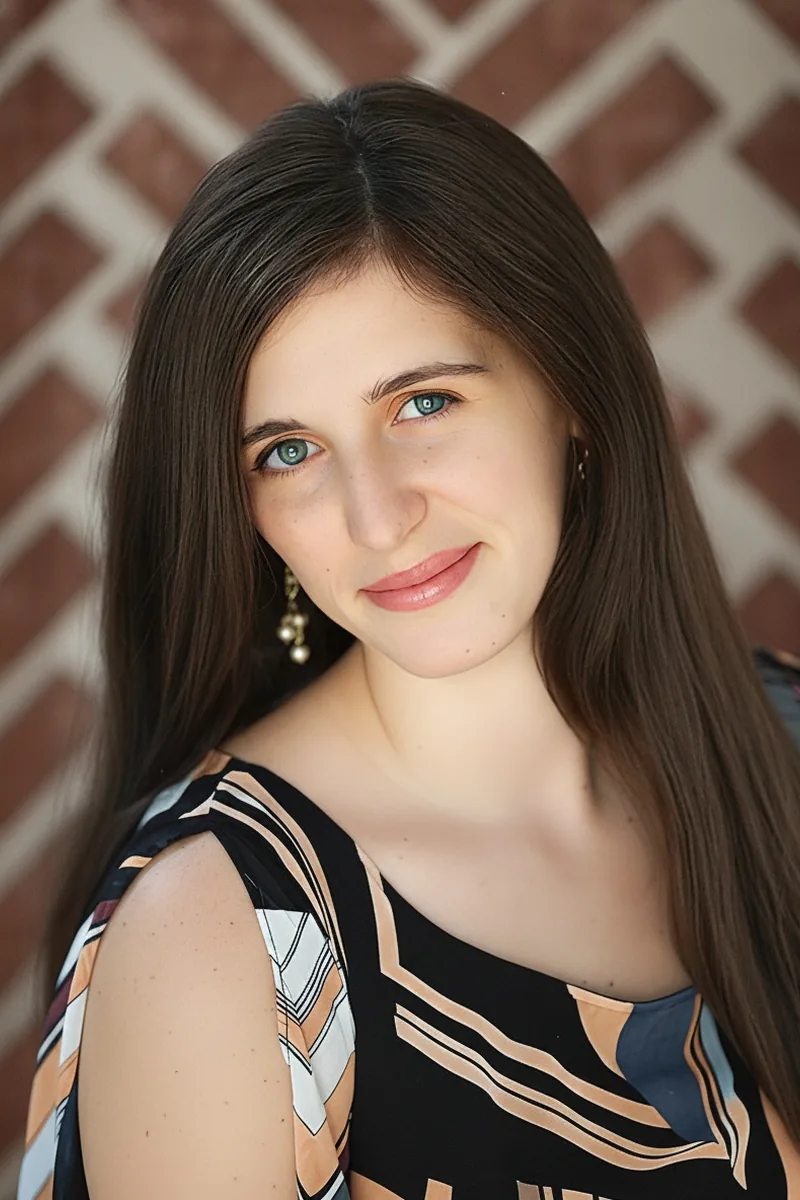
Carnegie Mellon's Creative Writing program trained Sydney to read like an editor — a skill that translates directly to the SAT's evidence-based reading and writing questions, where spotting rhetorical structure and grammatical precision under time pressure is everything. She scored a 1600 on the SAT herself and pairs that full-score fluency with concrete strategies for pacing, eliminating trap answers, and translating word problems into solvable equations on the math side. Rated 4.9 by students.
Won's chemistry degree and pre-med trajectory mean he's deeply familiar with the analytical reasoning the SAT Math section demands — translating word problems into equations, interpreting data tables, and working through multi-step algebra under time pressure. His 1560 SAT score backs up a strategy he builds around identifying each student's specific point-loss patterns across both the Math and Evidence-Based Reading sections, then drilling those weak spots systematically.
Comparative literature trains you to read closely across genres, registers, and rhetorical styles — exactly the skill set the SAT's Evidence-Based Reading section demands when it throws a paired science passage next to an 18th-century political argument. Cassandra pairs that background with a perfect 1600 SAT score, meaning she knows how to turn deep reading instincts into points under timed conditions. She also covers the Writing and Language section by teaching the specific grammar and usage rules the test cycles through, drawing on her Latin and Spanish fluency to make sentence structure feel intuitive.
Most SAT prep splits neatly into 'math tutor' and 'reading tutor' — Hope doesn't need that split. Her math degree covers everything from algebra and data analysis through the trickiest no-calculator problems, while her background teaching literature, grammar, and essay writing means she can coach the verbal sections with equal depth. A 1600 SAT score and a 4.8 rating from students back up that full-exam fluency.
Rob's triple major in English, Philosophy, and American Studies means the SAT's Evidence-Based Reading section plays to his strengths — he teaches students to trace an author's argument through paired passages and nail command-of-evidence questions by treating them like close readings rather than guessing games. His 1580 SAT score and 5.0 tutoring rating back up an approach that also extends to the math side, where his structured, logic-driven thinking turns word problems into straightforward translations.
Most SAT prep treats the verbal and math sections as separate worlds, but Cindy — a Harvard freshman who scored a 1580 — connects them through the same core skill: precise, careful reading of what's actually being asked. Her English studies sharpen her work on Evidence-Based Reading and Writing, while her fluency in Mandarin Chinese gives her an unusual comfort with pattern recognition across the math section's trickiest word problems. Holds a 5.0 rating from students.
Teaching both native and non-native English speakers sharpened Diana's ability to explain exactly why one answer choice is grammatically or rhetorically correct and another just looks right — a skill that pays off across the SAT's Reading and Writing sections. Her 1560 SAT score backs up the strategies she teaches, from dissecting evidence-based questions to pacing through grammar-heavy passages. A linguistics degree and TESOL certification mean she can unpack the structure of English in ways most test-prep tutors take for granted.
Neuroscience training builds a specific kind of test-taking brain — the ability to process dense, data-heavy passages quickly and extract exactly what's being asked. Maedeh scored a 1560 on the SAT and uses that same analytical precision to teach students how to navigate evidence-based reading questions and spot the grammar patterns that repeat across Writing and Language sections. Rated 5.0 by students, she also covers the algebra and data interpretation that anchor the Math section.
MIT's computer science program demands the same kind of precise, systematic thinking that separates a good SAT score from a perfect one — and Brice earned a 1600. He teaches students to treat each section methodically, from identifying the algebraic structures underlying tricky math problems to recognizing how evidence-based reading questions are built to mislead. Rated 4.9 by students.
Tutoring students across rural Cameroon — many of whom were preparing for competitive national exams with minimal resources — taught Albert how to strip test prep down to its most essential strategies. He applies that same efficiency to the SAT, walking students through algebra and data analysis on the Math section and building a structured approach to evidence-based reading questions. His 1560 SAT score and 5.0 rating back up the method.
What makes the SAT beatable, in Emma's view, is that every section follows a predictable logic — and her self-described standardized-test obsession means she's mapped those patterns across the Reading, Writing, and Math portions in granular detail. Her 1550 SAT score backs that up, but it's her experience as an ESL classroom teacher that sharpens her ability to explain grammar rules and passage structures to students who don't just absorb them by instinct. She teaches the exam as a system of recurring question types rather than a content test, building strategies students can apply mechanically under time pressure.
What sets Zoe apart for SAT prep is the breadth of her academic background — an undergraduate degree blending science, technology, and society at Vassar, now paired with Harvard Medical School training, means she's equally comfortable coaching the math and data reasoning sections as she is unpacking evidence-based reading passages. She scored a 1550 on the SAT herself and uses that experience to teach students how to spot the structural patterns behind both tricky algebra questions and rhetoric-heavy writing prompts. Rated 5.0 by students.
A 1590 SAT gives Marika credibility, but what actually sets her apart is how she reverse-engineers each section — breaking down Reading passages by argument structure, identifying the grammar rules that repeat most on Writing, and teaching the specific algebra and data-analysis patterns that dominate the Math section. Her physics background means quantitative reasoning comes naturally, and she translates that fluency into concrete strategies students can replicate on test day. Rated 5.0 by students.
A 1480 SAT scorer who also designs her own courses at Harvard, Alyssa brings unusual clarity to both the Evidence-Based Reading and Writing sections — particularly the command-of-evidence and words-in-context questions that trip up students stuck between two answer choices. Her background spanning environmental science and gender studies means she's genuinely comfortable with the wide range of passage topics the SAT throws at test-takers, from social science to natural science.
Studying both computer science and physics at Tufts means Ilya lives in the quantitative reasoning and data interpretation that dominate the SAT Math section — translating word problems into equations and spotting algebraic shortcuts under time pressure comes naturally. He scored a 1550 on the SAT and uses that experience to teach students the specific conceptual bridges between what they already know and the trickier question types that cost them points.
Cole's dual background in English and Computer Science means he can coach both sides of the SAT with equal fluency — parsing evidence-based reading passages with a literary eye and tackling the math section's algebra and data problems with a programmer's logic. His own 1590 puts him just ten points from a perfect score, and he teaches the specific timing and elimination strategies that got him there.
Six months living in Spain and a Notre Dame English and Philosophy degree might seem like an unusual SAT prep combination, but Rebecca's deep fluency in language structure — how arguments are built, how grammar rules function, how meaning shifts with word choice — maps directly onto the Evidence-Based Reading and Writing sections. She scored a 1550 and knows how to turn that same close-reading instinct into a repeatable test-day strategy for passage analysis and command-of-evidence questions. Her Writing Center experience means she can also pinpoint exactly where a student's reasoning breaks down on tricky answer eliminations.
History and English are Sarah's core strengths, which means the SAT's Evidence-Based Reading section — with its dense historical passages and rhetorical analysis questions — plays directly to her training. She scored a 1580 on the SAT and teaches students to treat the Writing and Language section as applied grammar logic rather than feel, breaking each question into a rule they can name and verify. Rated 5.0 by students.
Studying American Studies means Samantha spends her days doing exactly what the SAT rewards — close reading of historical documents, analyzing arguments across disciplines, and writing under pressure. She scored a 1490 on the SAT herself and uses that experience to teach students how to spot the difference between a tempting wrong answer and the one actually supported by the passage. Her broad humanities and Spanish coursework also keeps her sharp on the grammar and rhetoric patterns that repeat throughout the Writing and Language section.
Medical training at Boston University and a biology degree from Northwestern mean Connie has spent years under high-stakes testing conditions — she scored a 1560 on the SAT and knows how to turn that kind of pressure into a repeatable game plan. She teaches students to manage pacing across both sections and spot the algebraic shortcuts and evidence-pairing logic that separate a good score from a great one.
Scoring a 1500 on the SAT herself, Kerry knows the test inside and out — from pacing strategies on the Reading section to avoiding common traps in Evidence-Based Writing questions. What sets her apart is her psychology background and experience as a productivity coach: she teaches concrete techniques for managing test anxiety, maintaining focus across four hours of testing, and building the executive functioning habits that make prep actually stick.
Scoring a 1510 on the SAT takes more than content knowledge — it requires knowing when to slow down on tricky reading passages and when to trust your instincts on math. Milo's computer science background gives him a logic-first approach to the quantitative sections, and he breaks down evidence-based reading questions into a systematic process that removes guesswork. Rated 5.0 by students, he's especially effective at closing the gap between a good score and a great one.
Having worked as a blog editor and communications professional, Caroline knows exactly how the SAT's Writing and Language section tests grammar rules and rhetorical choices — she teaches students to spot the patterns behind comma usage, pronoun agreement, and passage organization questions. Her American History background also sharpens her approach to the Reading section, where she walks students through how to trace an author's argument and match claims to textual evidence. She scored a 1550 on the SAT herself.
Students who need to raise both their math and verbal scores benefit from Kristen's chemical-biological engineering training, which built the quantitative precision for the Math section alongside the dense-text reading skills required for science literature — the same skills the Evidence-Based Reading section demands. She scored a 1590 on the SAT and uses that experience to teach specific time-management tactics and question-type strategies across all sections. Rated 4.9 by students.
Pharmacy coursework at Northeastern means Amy spends her days parsing dense scientific texts and solving quantitative problems under pressure — exactly the skill set the SAT rewards across both its Reading and Math sections. She scored a 1550 and uses a chunk-it-down method, isolating the specific algebra concepts or passage structures a student keeps missing rather than grinding through full-length practice tests without direction. Rated 4.9 by students.
Medical school admissions demanded that Priyanka master the SAT early — she scored a 1560 and developed a section-by-section approach rooted in the same analytical reasoning she now uses daily in clinical rotations at Boston University's accelerated medical program. She teaches students to decode the math section's word problems by translating them into clean equations and to attack evidence-based reading pairs by treating passages like diagnostic puzzles where every detail either supports or rules out an answer.
Having studied education policy at Harvard after undergrad at Penn, Yu approaches the SAT as a designed system — one where understanding why the test asks certain question types matters as much as drilling practice sets. Her 1540 score backs up a prep style built around diagnosing exactly where students lose points, whether that's pacing on the Reading section or algebraic translation errors in Math. Growing up in Malaysia and navigating the U.S. testing landscape herself gives her a practical perspective on what international and domestic students alike need to feel confident on test day.
Policy debate coaching sharpens exactly the skills the SAT rewards — fast, precise reading under pressure and the ability to evaluate how an argument's evidence actually supports its claim. Ryan applies that same analytical rigor to both the Reading and Writing & Language sections, where his English training at Tufts makes grammar and rhetoric questions feel like second nature. His 1560 SAT score and 5.0 tutoring rating back up the approach.
Harvard's computer science program demands the kind of precise, logical thinking that maps directly onto SAT strategy — Parita applies that same rigor to teaching students how to decode the math section's multi-step algebra problems and spot the structural patterns hidden in Reading passages. She scored a 1580 on the SAT herself and knows which pacing mistakes and careless errors separate a good score from a great one. Rated 5.0 by students.
Having developed standardized test prep curricula and coordinated college admissions seminars for underrepresented students at the University of Chicago, Noel knows the SAT inside out — not just the content but the strategic decisions that separate a good score from a great one. His 1550 composite reflects the kind of section-by-section pacing and answer-elimination discipline he now teaches to his own students. His public policy background also sharpens his coaching on the Evidence-Based Reading passages, where understanding how authors construct arguments is half the battle.
In addition to SAT tutoring, I'm currently a research technician at MIT. I graduated with a Bachelor of Science in Psychology, a Bachelor of Arts in Philosophy, and a Bachelor of Arts in Linguistics and Psychology at UMass Amherst, where I served as a Teaching Assistant for three courses (research methods in psychology, intro to neuroscience, introductory biology). While I am most passionate about Psychology, English, and Literature, I bring a creative and adaptive teaching style to all subjects, and I believe that any student can master any material if it's explained in a way that clicks with them. I strive to provide my students with memorable lessons that make sense for their singular minds!
Economics majors spend their time interpreting data, building arguments from evidence, and working through quantitative problems under pressure — which is essentially what the SAT demands across both sections. Laura applies that analytical training to teach students how to read graphs and tables efficiently on the math side and how to trace an author's reasoning through dense passages on the verbal side. She scored a 1510 and holds a 5.0 rating from students.
Most SAT points are lost not on hard questions but on avoidable mistakes — misread word problems in the math section, rushed evidence-pair questions in reading, grammar rules students recognize but can't articulate. Andy scored a 1560 and built his prep approach around identifying exactly where each student's points are leaking, then drilling those specific patterns. His computer science training adds a systematic, almost algorithmic mindset to tackling the math section's data and algebra problems.
Lesleigh's graduate work in English literature and Classical Studies means she's spent years doing exactly what the SAT's Evidence-Based Reading section demands — pulling apart dense, argumentative passages and identifying how authors use evidence to support claims. She scored a 1430 on the SAT herself and applies that same close-reading discipline to the Writing and Language section, where her command of grammar and rhetorical structure turns tricky questions into straightforward pattern matches. Rated 5.0 by students.
Most SAT prep treats the Reading and Math sections as completely separate challenges, but Marisa — a writing major at MIT surrounded by engineers and scientists — straddles both worlds daily. She scored a 1540 and built her approach around the verbal side, teaching students to decode passage structure, spot grammar traps in the Writing section, and translate word problems into solvable setups by reading them like an editor would.
Maggie's statistics training at Amherst College — where she served as a teaching assistant and grader in the department — gives her a precise, data-driven approach to the SAT Math section's algebra, modeling, and data analysis questions. That quantitative rigor pairs with strong verbal skills honed through her psychology coursework, so she coaches both halves of the exam without losing depth on either side. She scored a 1590 on the SAT and holds a 5.0 rating.
What separates a 1500 from a 1570 on the SAT is usually not content knowledge — it's recognizing the two or three answer choices designed to feel right but miss the mark. Grace, who earned that 1570 herself, teaches students to spot those traps in both the Reading and Writing sections, drawing on her political science training in close argumentation and textual analysis. Her strength across both verbal and quantitative subjects means she builds a unified test-day strategy rather than treating each section in isolation.
Three years of SAT tutoring through MIT, combined with a 1590 composite score, means Vania knows exactly where the exam tries to trip students up — from no-calculator algebra traps to the subtle reasoning gaps in evidence-based reading pairs. Her physics and engineering training at MIT sharpens the quantitative side, but she's equally comfortable coaching the verbal sections, where she teaches students to read for argument structure rather than surface meaning. Rated 5.0 by students.
Princeton's demanding reading load across psychology and humanities coursework gave Margaret the exact skill set the SAT rewards — fast, accurate comprehension of dense passages and the ability to spot how authors structure arguments. She pairs that with strong math fundamentals, teaching students to translate tricky word problems into clean algebra and catch the calculation shortcuts the test is designed around. Her 1530 SAT score and 4.9 rating back up an approach built on strategy over brute-force practice.
Testimonials
Because the right SAT tutor makes all the difference.
Average Session Rating – Based on 3.4M Learner Ratings
Practice SAT
Free practice tests, flashcards, and AI tutoring for SAT
Nearby SAT Tutors
Other Springfield Tutors
Related Test Prep Tutors in Springfield
Frequently Asked Questions
For students in Springfield targeting competitive Northeast universities, score targets vary by school. Schools like Boston University and NYU typically see average SAT scores between 1370-1530, while Penn State averages 1210-1390. For Ivy League schools like Harvard, Yale, and Princeton, competitive scores typically range from 1500-1580. A score of 1200+ puts you in the top 25% nationally, while 1350+ reaches the top 10%—a strong position for many selective schools.
Most students see meaningful improvements of 100-200 points with focused, personalized prep—especially when addressing specific weak areas like Reading comprehension or Math problem-solving. The amount of improvement depends on your starting score, how much time you dedicate to practice, and which sections need the most work. Students in Springfield who work with expert tutors on targeted strategies often see faster progress than self-study alone, particularly in managing the Reading section's time constraints and mastering data analysis questions.
Most juniors benefit from starting SAT prep in the fall or early spring, giving 4-6 months before taking the test in May or June. This timeline allows you to take a diagnostic test, identify weak areas, and build skills systematically rather than cramming. If you're aiming for a competitive score for selective colleges, starting earlier gives you the option to retake the test if needed and still meet early application deadlines.
The SAT is historically more popular in Massachusetts and the Northeast, and most selective colleges in your region have stronger SAT data. However, some students perform better on the ACT due to its different format and pacing. If you're targeting Northeast universities like those in Boston or New York, the SAT is typically the safer choice—but consider taking a practice test in both formats to see which plays to your strengths.
The Reading section (65 minutes for 52 questions) challenges many students with its pace. Effective strategies include reading the questions before the passage to know what to focus on, practicing active annotation, and using evidence-based selection to avoid overthinking. Many students in Springfield improve significantly by working with tutors on passage mapping techniques and learning to identify question types quickly—this targeted practice often yields 50-100 point improvements in the Reading/Writing section.
Most students benefit from taking the SAT twice—once in the spring of junior year and again in the fall of senior year if needed. Colleges typically see all your scores but focus on your highest, so retaking is a smart strategy if you're aiming for a competitive score. Many students use their first attempt as a diagnostic to identify exactly which sections to target with tutoring, then improve significantly on their second try.
SAT Math requires different approaches for the No Calculator section (25 minutes, 20 questions) and Calculator section (55 minutes, 38 questions). Common challenges include multi-step problems, data interpretation from graphs, and algebra-heavy questions. Expert tutors help students master test-specific strategies like plugging in answer choices, working backwards from answers, and recognizing question patterns—techniques that often improve Math scores faster than traditional homework-style practice.
The national average SAT score is around 1050, and students in Springfield who attend well-resourced schools often score above this benchmark. However, with 8 school districts and varying resources across the area, score ranges can be wide. Working with expert tutors gives students personalized strategies tailored to their goals—whether aiming for a solid 1200+ score or pushing toward the 1350+ range needed for highly selective colleges.
Let’s find your perfect tutor
Answer a few quick questions. We’ll recommend the right plan and match you with a top 5% tutor.