Award-Winning Essay Editing Tutors
serving Boston, MA
Essay Editing
Tutors in Boston
Private 1-on-1 tutoring, weekly live classes for academic support, test prep & enrichment, practice tests and diagnostics, and more to elevate grades and test scores.
Based on 3.4M Learner Ratings
UniversitiesSchools & Universities
DeliveredHours Delivered
ProficiencyGrowth in Proficiency
Who needs tutoring?
No obligation. Takes ~1 minute.

Most students know their draft needs work but stare at it without knowing where to start cutting or restructuring. Talia approaches editing as a layered process — first examining thesis and argument structure, then paragraph-level transitions, then sentence clarity — so revisions feel systematic rather than overwhelming. Her 5.0 rating speaks to how well that method clicks.
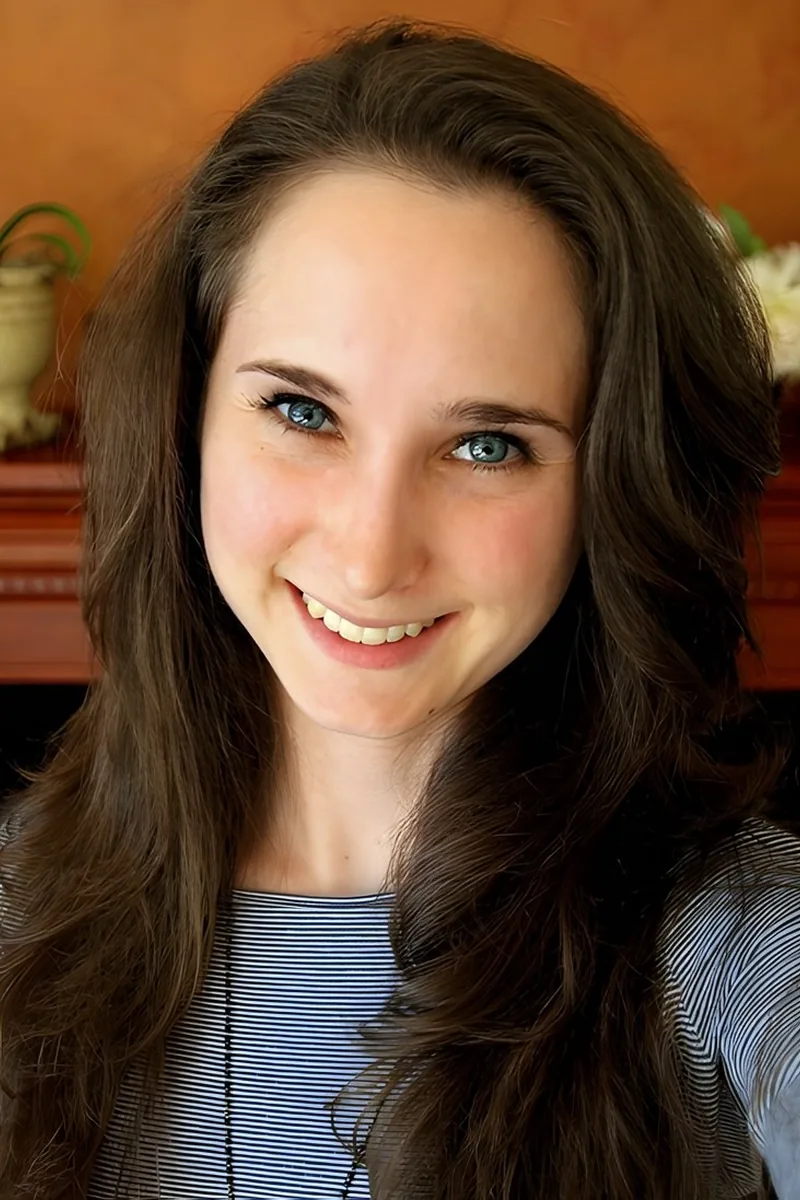
Editing someone else's essay requires more than catching typos — it means diagnosing structural problems, tightening arguments, and knowing when a paragraph is doing too much. At MIT, Marisa became the go-to editor for classmates across disciplines, sharpening papers on everything from media analysis to scientific theory. She teaches students to read their own drafts critically, spotting weak transitions and unsupported claims before a professor does.
Editing is more than catching typos — it's learning to read your own writing with a stranger's eyes. Kerry teaches students to diagnose structural problems first (unclear thesis, weak transitions, paragraphs that drift) before tightening at the sentence level. Her productivity coaching background means she also tackles the procrastination and perfectionism that keep drafts from ever reaching the editing stage.
A good edit goes beyond fixing grammar; it asks whether each paragraph earns its place and whether the argument actually builds. Meghan approaches essay editing the way she was trained at Cornell and in her UConn graduate program — examining thesis clarity, evidence integration, and logical flow before touching a single comma. She walks through revisions collaboratively so the final draft still sounds like the student who wrote it.
Good essay editing goes beyond fixing commas — it means reworking a thesis that doesn't hold up, restructuring paragraphs that bury the argument, and cutting sentences that sound impressive but say nothing. Maedeh reads drafts with a focus on logical flow and clarity, then shows students exactly where their reasoning breaks down so they learn to self-edit. Her 5.0 rating speaks to how much students value that direct, specific feedback.
Good editing isn't just catching typos — it's recognizing where an argument loses its thread, where a paragraph buries its point, or where a transition asks the reader to make a leap the writer didn't intend. Noel's experience across academic, professional, and journalistic writing means he can diagnose structural problems quickly and show students how to tighten their own drafts rather than just marking up the page.
Good editing goes beyond catching comma splices — it means tightening argument structure, sharpening transitions, and making sure every paragraph earns its place. Erica developed this skill through years of writing-intensive coursework at Harvard, where peer review and multiple drafts were standard practice. She approaches each student's paper by first identifying the core argument, then restructuring everything else to serve it.
Good editing goes beyond fixing typos — it means rethinking paragraph structure, tightening arguments, and cutting sentences that sound impressive but say nothing. Rebecca honed this skill working at Notre Dame's Writing Center across dozens of disciplines, so whether the essay is a literary analysis or a lab report, she knows how to sharpen it without overwriting the student's voice.
Editing is where Lesleigh's training in classical rhetoric really shows up. She goes beyond surface-level grammar corrections to examine whether an essay's thesis actually controls its paragraphs, whether transitions create real momentum, and whether the conclusion does more than restate the introduction. Students come away understanding not just what to fix but why it wasn't working.
A Carnegie Mellon Creative Writing graduate, Sydney treats essay editing as more than fixing commas — she teaches students to restructure arguments, tighten transitions, and cut the filler that buries their best ideas. Her background in both academic and creative prose means she can adapt feedback whether the piece is a research paper, personal narrative, or college application essay.
Good editing isn't just catching typos — it's rethinking structure, tightening arguments, and cutting the sentences a writer loves but the reader doesn't need. Halley does this daily with her students' analytical and creative writing at a Cambridge prep school, and her Stanford training in English Language Arts pedagogy means she can explain *why* a revision works, not just mark what's wrong.
Years of revising journal manuscripts and a dissertation taught Michelle that good editing is structural before it's cosmetic — fixing a paragraph's logic matters more than polishing a sentence. She reads student drafts looking first at argument flow and evidence placement, then tightens transitions, eliminates redundancy, and sharpens language at the sentence level. Holds a 5.0 rating.
A strong essay becomes a great one in revision, and Zachary treats editing as a skill students can learn, not just a service performed on their drafts. He walks through each paragraph's argument structure, flags where evidence is thin or transitions are doing too much work, and teaches students to hear the difference between a sentence that's merely correct and one that's genuinely clear.
A strong essay isn't just about what you say — it's about how tightly every sentence serves your argument. Andy edits for structure, clarity, and flow, zeroing in on weak transitions, redundant phrasing, and claims that need sharper evidence. His experience writing college essays and tutoring non-native English speakers gives him a keen eye for language that communicates precisely.
A strong argument can get buried under unclear structure, passive voice, or paragraphs that drift from their topic sentences. Kelly edits with an economist's precision — she identifies exactly where the logic breaks down and shows the writer how to tighten it. Whether it's a research paper, personal statement, or lab report, she zeroes in on clarity and flow without overwriting someone else's voice.
A strong essay becomes sharper when someone can identify exactly where the argument loses momentum or where a paragraph drifts from its claim. Jean spent years reviewing personal statements and scholarship applications for Harvard students, developing a precise editorial eye for structure, tone, and clarity. She walks through each draft line by line, explaining not just what to change but why the revision strengthens the piece.
Doctoral-level research at Harvard means Breno writes — and revises — constantly, from grant proposals to journal manuscripts where every sentence must earn its place. He brings that same precision to essay editing, teaching students how to tighten arguments, eliminate redundancy, and restructure paragraphs so each one advances a clear thesis.
The medical school application process forced Won to revise dozens of personal statements and secondary essays under tight deadlines, giving him a sharp eye for structure, clarity, and voice. He applies that same editing lens to student essays — identifying where an argument loses momentum, where evidence needs tightening, and where a stronger thesis can transform a draft.
Good editing is about more than catching comma splices — it's about making sure each paragraph earns its place in the argument. Zachary approaches essay revision structurally, examining thesis clarity, evidence integration, and logical flow before moving into sentence-level polish.
Good editing goes beyond fixing commas; it means rethinking paragraph structure, tightening arguments, and cutting the sentences a writer loves but the essay doesn't need. Pryce approaches each draft by identifying the core argument first, then reshaping everything around it — a skill he honed through extensive writing at Penn. Rated 5.0 by students.
Editing someone else's essay is one skill; teaching a student to edit their own writing is a harder one. Roel tackles this by walking through drafts in layers — first argument and structure, then paragraph transitions, then sentence-level clarity and grammar. By the end of their sessions, students internalize a revision process they can apply independently to any future paper.
Editing an essay well means more than fixing commas — it means evaluating whether each paragraph actually advances the argument. Theodora teaches students to read their own drafts like a skeptical audience, checking for logical gaps, weak transitions, and claims that lack supporting evidence. Years of writing research papers at Johns Hopkins and Emory gave her a sharp eye for structure at both the sentence and whole-essay level.
Most students know their draft needs work but can't pinpoint why a paragraph feels off. Max breaks editing into concrete, learnable moves: tightening thesis statements, eliminating redundant qualifiers, restructuring paragraphs so each one advances a single claim. His dual background in history and English means he's edited everything from analytical essays to personal narratives and knows what sharp academic writing looks like across disciplines.
Good editing isn't just fixing commas — it's rethinking whether each paragraph earns its place. Davis tackles essay revision by reading for argument first and mechanics second, showing students how to tighten their thesis, cut filler, and sharpen transitions so the final draft reads as one cohesive piece rather than a patchwork of ideas.
Editing isn't just fixing commas — it's figuring out why a paragraph feels muddled and restructuring the logic underneath it. Anthony approaches every draft by first identifying the core argument, then checking whether each sentence actually earns its place. His literary arts training makes him especially attentive to voice and flow, so edits tighten the writing without flattening what makes it sound like the writer.
Good writing is really rewriting — and Sarah treats essay editing as a structured process of tightening arguments, cutting filler, and making every paragraph earn its place. Her graduate work at Harvard's School of Public Health means she edits across genres, from personal narratives to research-driven papers, and she knows how to sharpen a thesis statement until it actually says something. Rated 5.0 by students.
A strong essay becomes sharper when someone else can spot where the argument loses focus or where a transition falls flat. Irene edits at both the structural and sentence level, pointing out issues like vague thesis statements, unsupported claims, or awkward syntax — then explaining the reasoning behind each revision so students internalize the skills.
I am also a first year medical student at the Tufts University School of Medicine in Boston. I have extensive experience with premedical classes and have taken and tutored the MCAT exam. I placed in the 97th percentile of the MCAT exam and I understand what the test takers want students to know and how to bridge the gap between knowing the material and doing well on the test. I am always excited when a student finally has that "ah-ha" moment and declares that they now can see how all of these seemingly separate scientific topics are actually all related. The MCAT no longer seems scary, but turns into a means of truly learning this material and providing a strong foundation for the future.
Good editing goes beyond catching comma splices — it means tightening an argument so every paragraph earns its place. Marc sharpened this skill writing research papers and medical school applications, where clarity and concision aren't optional. He reads drafts with an eye for logical flow first, then zeroes in on sentence-level issues like passive voice, vague thesis statements, and unsupported claims.
Good essay editing goes beyond fixing commas — it means tightening argument structure, cutting filler sentences, and making sure every paragraph earns its place. Jasmine reads drafts with an eye for logical flow first and surface-level grammar second, which is the order that actually improves a paper. Her background writing research papers in the biomedical sciences gives her particular skill at sharpening clarity and eliminating vague claims.
Good essay editing goes beyond fixing commas — it means evaluating whether each paragraph earns its place and whether the argument actually builds. Deirdre sharpened her editing instincts through years of academic writing at Harvard and a master's program that required rigorous thesis work. She marks up drafts with specific, actionable feedback on structure, transitions, and clarity so students learn to revise their own writing independently.
A strong essay isn't just error-free — it has a clear argument, logical flow, and evidence that actually supports each claim. Eunice digs into structure and thesis development first, then moves to sentence-level clarity, so students walk away knowing how to revise on their own. Rated 5.0 by students.
Editing isn't just fixing commas — it's rethinking whether each paragraph earns its place in the argument. John's training in literary criticism taught him to evaluate structure and logic at the macro level, while his science writing experience sharpened his attention to clarity and precision at the sentence level. He marks up drafts with specific, actionable feedback so students learn to self-edit over time.
A good essay edit goes deeper than fixing commas and passive voice. Erna's training in English at UCLA and Modern Languages at Oxford sharpened her ability to diagnose structural problems — weak thesis statements, paragraphs that drift from their claims, transitions that don't earn the reader's trust — and show students exactly how to fix them.
Good essay editing goes beyond catching comma splices; it means evaluating whether each paragraph actually advances the argument. Garrett reads drafts with an engineer's eye for logic and structure, pinpointing where claims need stronger evidence, where transitions break down, and where a sentence can be cut in half without losing meaning.
Good essay editing goes beyond fixing commas — it means reworking thesis statements, tightening paragraph transitions, and cutting sentences that sound impressive but say nothing. Alex approaches revision as a structural exercise first, making sure the argument holds together before polishing at the sentence level. His theater training sharpened his instinct for clarity and pacing in written work.
A first draft and a polished essay are separated by revision skills most students were never explicitly taught: tightening thesis statements, restructuring body paragraphs for logical flow, cutting redundancy, and sharpening transitions. Elizabeth edits alongside her students so they learn to spot these issues themselves. Her background as a poet and editor for an independent publishing company means she brings a real editorial eye to every draft.
Editing a draft well means more than fixing commas — it means evaluating whether each paragraph's claim actually connects to the thesis and whether transitions carry the reader forward. Jennifer's experience writing across both STEM and humanities disciplines gives her a sharp eye for argument structure, clarity, and concision at every stage of revision.
A first draft is just the starting point — Zoe walks students through revision at every level, from restructuring an argument's logic down to tightening individual sentences for clarity and flow. She's edited everything from lab reports to personal statements to literary analyses, so she adapts her feedback to whatever the assignment demands. Her 5.0 rating speaks to how constructive that feedback actually is.
Good editing is more than catching typos — it's restructuring a paragraph so the argument actually lands, cutting filler that dilutes a thesis, and tightening transitions between ideas. Sarah brings the rigorous revision habits she developed writing research papers in her biomedical science program at Tufts, and she walks students through each round of edits so they learn to self-edit over time.
Testimonials
Because the right Essay Editing tutor makes all the difference.
Average Session Rating – Based on 3.4M Learner Ratings
Nearby Essay Editing Tutors
Other Boston Tutors
Related English Tutors in Boston
Frequently Asked Questions
When you connect with a tutor for essay editing, they'll review your work and provide personalized feedback on structure, argumentation, clarity, and style. Rather than simply correcting errors, tutors help you understand why certain revisions strengthen your writing and teach you strategies to apply those lessons to future essays. This collaborative approach means you're not just getting a edited version—you're developing skills that improve your writing across all your classes.
A strong thesis is the foundation of a compelling essay, and many students struggle with making theirs specific and arguable. Tutors work with you to refine your central argument, ensuring it's focused enough to support with evidence but broad enough to sustain a full essay. They'll ask clarifying questions about your main point, help you identify weak or vague language, and guide you through revising your thesis as your ideas develop during the writing process.
Grammar addresses correctness—spelling, punctuation, sentence structure, and syntax errors. Style, on the other hand, focuses on how effectively you communicate your ideas—word choice, tone, sentence variety, and flow. Both matter, but tutors prioritize differently depending on your needs. If you're struggling with clarity and organization, style feedback comes first. Once your argument is strong and your sentences are coherent, grammar polish refines your final draft. Understanding this distinction helps you revise more strategically.
Yes. Citation formatting is an important part of essay editing, especially for research papers and literary analysis essays. Tutors can review your in-text citations and works cited or references pages to ensure they follow the required format accurately. More importantly, they help you understand why proper citations matter—giving credit to sources, avoiding plagiarism, and maintaining academic integrity. Once you understand the logic behind a citation system, you can apply it consistently across your writing.
Many students get stuck before or during the writing process, not just during editing. Tutors can help you map out your essay structure with an outline, break down your argument into manageable paragraphs, and identify gaps in your reasoning before you spend hours revising. They can also help you work through writer's block by asking strategic questions about your topic, helping you generate ideas, and building your confidence in your own thinking. This preventative approach often saves time and reduces frustration.
Literary analysis requires you to make arguments about a text and support them with specific evidence—quotes, examples, and close reading. Tutors help you move beyond plot summary to deeper interpretation, teach you how to integrate quotations smoothly into your own writing, and show you how to explain the significance of textual evidence to your argument. They can also guide you through analyzing tone, symbolism, characterization, and other literary devices, then help you articulate those insights clearly in your essay.
Varsity Tutors connects you with experienced tutors for students in Boston across different grade levels and essay types—from high school literary analysis to college application essays to graduate-level research papers. When you match with a tutor, you can discuss your specific challenges, whether that's argumentative writing, timed essays, or editing for a particular class. Tutors work with you to understand your learning style and adjust their feedback approach accordingly, so you're getting guidance that actually helps you improve.
Let’s find your perfect tutor
Answer a few quick questions. We’ll recommend the right plan and match you with a top 5% tutor.