Award-Winning Pre-Calculus Tutors
serving Lafayette, LA
Pre-Calculus
Tutors in Lafayette
Private 1-on-1 tutoring, weekly live classes for academic support, test prep & enrichment, practice tests and diagnostics, and more to elevate grades and test scores.
Based on 3.4M Learner Ratings
UniversitiesSchools & Universities
DeliveredHours Delivered
ProficiencyGrowth in Proficiency
Who needs tutoring?
No obligation. Takes ~1 minute.
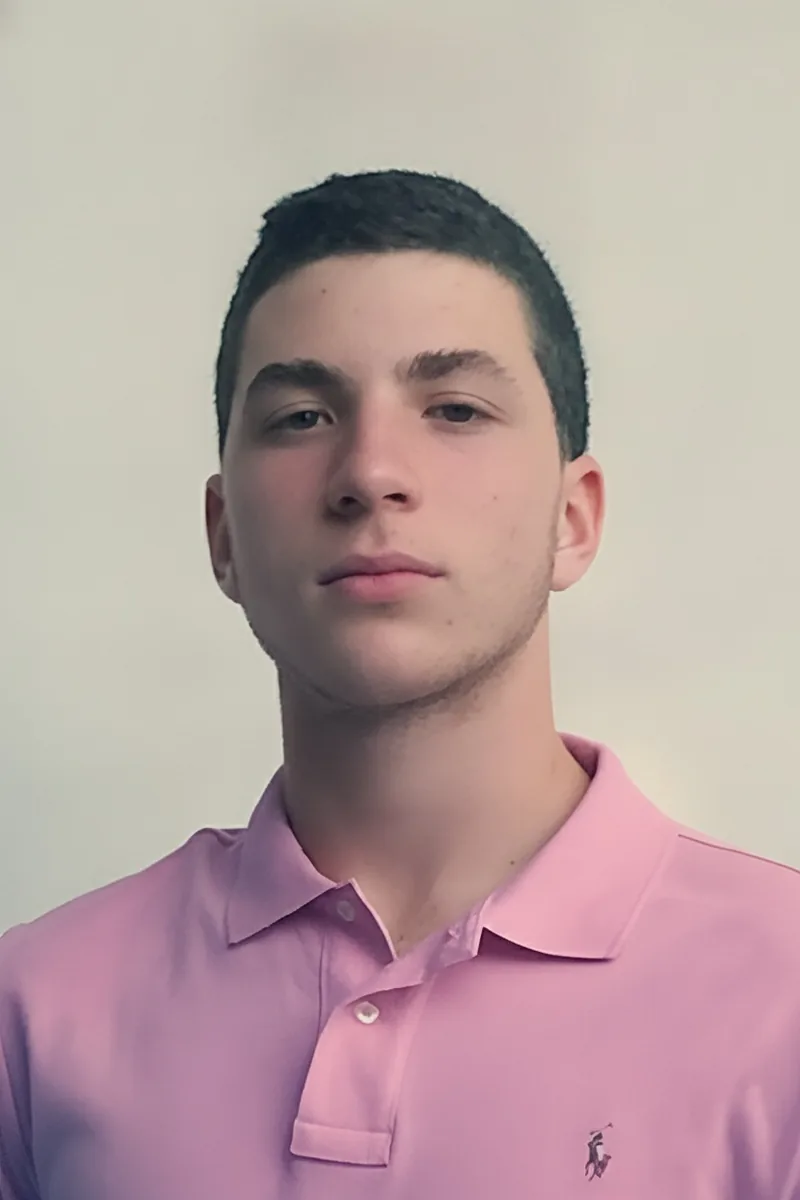
Daniel's favorite trick for pre-calculus is flipping the script — once he's walked through a concept like composite functions or rational asymptotes, he asks students to teach it back to him, which exposes exactly where understanding is solid and where it's still shaky. His finance coursework keeps him actively working with the polynomial and exponential models that form the backbone of the course, so the material stays fresh rather than distant. He covers everything from trigonometric identities through sequences and series with that same explain-it-back approach.
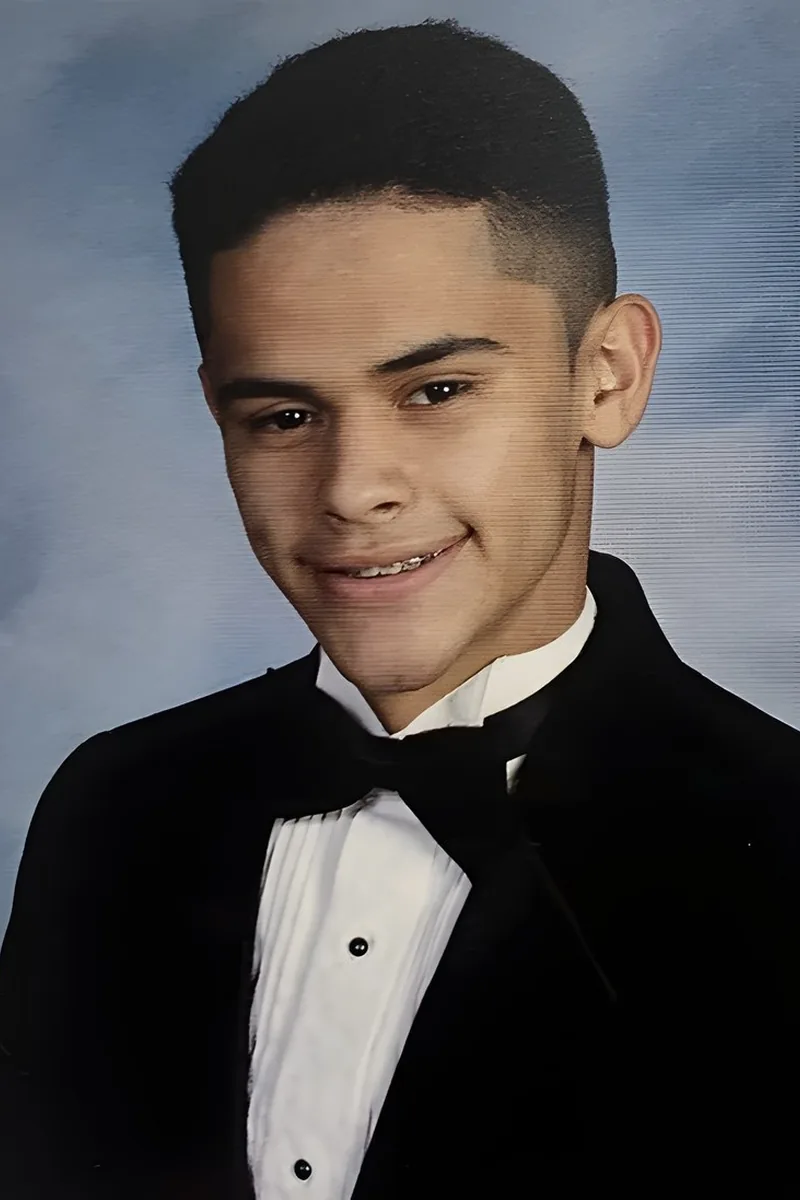
Biochemistry coursework throws everything pre-calculus covers at you simultaneously — logarithmic pH calculations, exponential decay in reaction kinetics, trigonometric wave functions in spectroscopy — so Elijah learned these tools under pressure before ever tutoring them. He zeroes in on the moment where algebra stops being enough and functional thinking has to take over, making that transition concrete instead of mysterious. Holds a 34 ACT and a 5.0 rating from students.
Mechanical engineering at Harvard means Christopher spends most of his time in calculus and differential equations — but he knows exactly which pre-calculus skills hold that work together, especially fluency with trigonometric graphs, composite functions, and the algebraic manipulation that makes limits possible later. He teaches each topic by gradually removing scaffolding until a student can tackle problems independently, flagging the specific mistakes that tend to snowball in calculus. His 35 ACT and 4.8 rating reflect a tutor who's recently built the same bridge his students are crossing now.
A PhD in statistics and a biomedical engineering degree mean Sam has spent years where pre-calculus isn't a course — it's the scaffolding holding together regression models, signal processing, and experimental design. He digs into the transition points that trip students up most, like moving from polynomial arithmetic to analyzing rational function behavior or connecting trig identities to their geometric origins. Rated 4.9 by students.
Jeffrey's mechanical engineering PhD work at Rice means he's spent years relying on the exact toolkit pre-calculus introduces — function composition, trigonometric modeling, and exponential behavior all show up constantly in dynamics and thermodynamics problems. He teaches these topics by walking through the engineering contexts where they actually matter, which gives students a concrete reason to care about each concept. His 34 ACT and 4.9 rating speak to the clarity he brings to quantitative subjects.
Everything in Pre-Calculus — trigonometric identities, rational functions, limits intuition — exists to set students up for calculus, but most courses don't make that connection explicit. Annie does, because she's already on the other side of it: her engineering program at Cornell showed her exactly which Pre-Calc skills matter most and where gaps tend to cause trouble later.
Holding degrees in both mechanical and electrical engineering, Steve has spent years in the territory where pre-calculus stops being coursework and starts being the toolkit — trigonometric analysis for signal processing, polynomial modeling for system dynamics, vectors and complex numbers for circuit design. He teaches the course knowing exactly which skills will matter most when students hit calculus and engineering-track courses, and builds each lesson around that forward view. Rated 4.9 by students.
Materials science relies heavily on the mathematics pre-calculus teaches — modeling crystal lattice structures with trigonometry, describing diffusion rates through exponential functions, analyzing stress-strain curves as polynomial behavior. Jennifer brings that applied perspective to her tutoring, connecting abstract function families to the physical phenomena they actually describe. Her 1550 SAT and 5.0 rating confirm the quantitative depth behind her explanations.
The jump into pre-calculus is really about learning to think in terms of functions — how they behave, transform, and connect to each other across trigonometric, polynomial, and rational families. Dane's engineering coursework at Duke means he uses these tools daily and can show students how concepts like limits, composite functions, and unit circle values actually build toward calculus rather than existing as isolated topics.
Andrew's PhD in biomedical engineering means he's pushed well past calculus into differential equations and multivariable territory — so he teaches pre-calculus with a clear map of where every topic is headed and why it matters. He's particularly sharp on the transition points that trip students up, like moving from memorizing trig ratios to actually understanding the unit circle as a geometric argument. Rated 4.9 by students.
An applied mathematics degree from Stanford means Alex didn't just pass through pre-calculus — he built an entire major on top of it, so he knows exactly which concepts in trigonometric reasoning, function transformations, and limit intuition carry the most weight later. He teaches the course as a bridge rather than a checklist, connecting each new idea back to the algebra underneath it and forward to the calculus ahead. His 35 ACT and 4.8 rating reflect a tutor who's still close enough to the material to remember where it gets confusing.
Cognitive science at Penn blends psychology, philosophy, and a surprising amount of mathematical modeling — Samantha's coursework has kept her actively working with the function families, transformations, and analytical reasoning that define pre-calculus. She's especially sharp at bridging the gap between algebraic mechanics and the conceptual shift pre-calc demands, like understanding why a rational function behaves near its asymptotes or how composite functions layer operations in a specific order. Her 1460 SAT reflects the quantitative grounding behind that clarity.
The jump to pre-calculus is where many students first encounter trigonometric identities, polar coordinates, and limits — concepts that feel disconnected from anything they've done before. Eileen bridges that gap by tying each new idea back to familiar algebra and geometry, giving students a clear roadmap into calculus.
Testimonials
Because the right Pre-Calculus tutor makes all the difference.
Average Session Rating – Based on 3.4M Learner Ratings
Practice Pre-Calculus
Free practice tests, flashcards, and AI tutoring for Pre-Calculus
Nearby Pre-Calculus Tutors
Other Lafayette Tutors
Related Math Tutors in Lafayette
Frequently Asked Questions
Varsity Tutors matches Lafayette students with expert Pre-Calculus tutors for 1-on-1 instruction. We pair each student with a tutor based on their specific needs, learning style, and goals.
Whether you need homework help, exam prep, or want to get ahead, our Pre-Calculus tutors are ready to help.
Common challenges include gaps from earlier material, difficulty with specific concepts, and trouble applying learning to new problems. These issues can snowball quickly in Pre-Calculus.
A tutor identifies where you're stuck, fills in gaps, and provides targeted practice. The 1-on-1 format means you get help exactly where you need it.
Tutors work with your student's actual coursework—homework assignments, class notes, and upcoming tests. This keeps tutoring directly relevant to what's happening in the classroom.
When you share information about your student's school and curriculum, we can match you with a tutor who has relevant experience.
All tutors complete background checks, credential verification, and teaching evaluation. Many of our Pre-Calculus tutors hold advanced degrees or have years of teaching experience.
You can review tutor profiles to find someone with the right background for your student's level and needs.
Many students see improved grades within a few weeks, along with better understanding of Pre-Calculus concepts and more confidence tackling challenging material.
Tutors track progress and adjust their approach to ensure continued improvement.
Most students benefit from 1-2 sessions per week. More frequent sessions help if your student is significantly behind or has an important exam coming up.
Your tutor can recommend a schedule based on your student's specific situation and goals.
Tutoring is purchased in packages of hours, with rates varying by tutor experience. Varsity Tutors offers several options to fit different budgets and needs.
You can discuss pricing during your consultation to find what works best.
Your tutor will assess where your student is, discuss goals, and start working on priority areas. Most students bring current homework or upcoming test material to focus on.
By the end, you'll have a clear sense of how the tutor can help and a plan for moving forward.
Let’s find your perfect tutor
Answer a few quick questions. We’ll recommend the right plan and match you with a top 5% tutor.