Award-Winning AP Macroeconomics Tutors
serving Round Lake Beach, IL
AP Macroeconomics
Tutors in Round Lake Beach
Private 1-on-1 tutoring, weekly live classes for academic support, test prep & enrichment, practice tests and diagnostics, and more to elevate grades and test scores.
Based on 3.4M Learner Ratings
UniversitiesSchools & Universities
DeliveredHours Delivered
ProficiencyGrowth in Proficiency
Who needs tutoring?
No obligation. Takes ~1 minute.
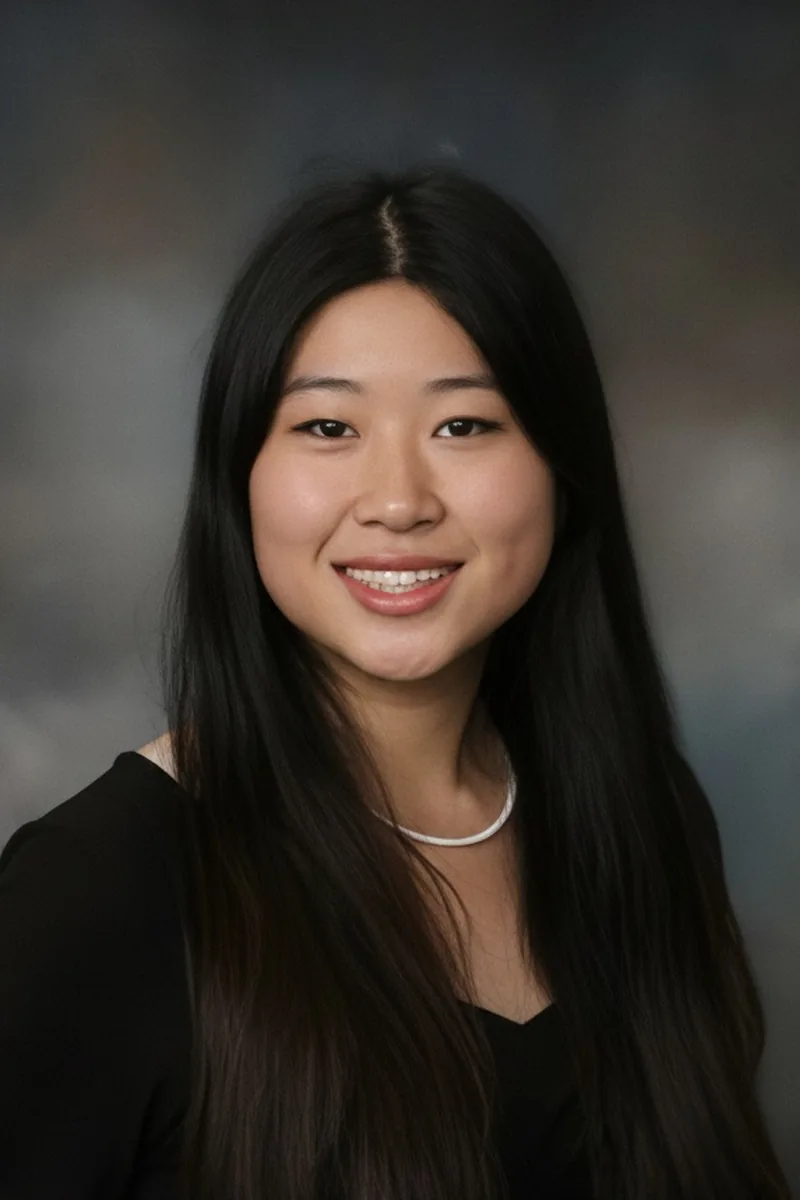
Studying economics at Northwestern gives Sarah a current, rigorous grounding in the macro concepts AP students need — aggregate supply and demand, fiscal and monetary policy, the Phillips curve, and GDP accounting. She connects these models to real-world headlines so the graphs and formulas carry meaning on exam day, not just during cramming sessions.

AP Macro is where graphs become arguments — shifting aggregate demand and supply curves to explain inflation, unemployment, and fiscal policy outcomes. Zac's business-oriented coursework at Vanderbilt keeps these models grounded in real scenarios, so students learn to interpret the Phillips Curve or explain the multiplier effect with the kind of precision the AP exam rewards. Rated 4.9 by students.
Scoring well on the AP Macroeconomics exam requires fluency with a specific visual language: shifting AS/AD curves, loanable funds graphs, and money market diagrams all need to be second nature. Amanda teaches students to read these models as stories about cause and effect — a change in government spending ripples through output, price level, and interest rates in a predictable sequence. Her structured, concept-first approach keeps students from getting buried in graph memorization without understanding.
The AP Macro exam expects students to connect fiscal policy, monetary policy, and international trade into one coherent model — and then apply it under a tight clock. Jack's economics degree from Northwestern means he can walk through the AD-AS framework, the money market, and the Phillips curve with the kind of fluency that makes those connections click. He holds a 5.0 rating from students.
Medical school trains you to trace cause-and-effect chains through complex systems — if this hormone rises, that organ responds, which triggers a downstream cascade — and Grant applies that same diagnostic logic to AP Macro's interconnected models, where a single Fed decision ripples from the money market through AD-AS to the foreign exchange market. His biochemistry and premed background also means multiplier calculations and quantitative graph analysis come easily, so he can spend more time on the conceptual reasoning that earns full credit on free-response prompts.
I am a sophomore at UIUC studying agricultural and biological engineering. Eventually, I hope to work on environmental engineering related projects concerning the improvement of ecosystem management and reducing the harmful effects of pollutants in the environment. As an aspiring engineer, my favorite subjects to teach students are math and science. I've been working with kids as a swim instructor and music teacher for the past six years now. As I've begun developing experience tutoring students, my favorite part about helping students learn math and science concepts is teaching them how these different concepts interconnect and later helping them to develop critical thinking skills to work through difficult material.
Scoring well on AP Macro means mastering the interplay between fiscal policy, monetary policy, and the foreign exchange market — and knowing which graph to draw for each free-response scenario. Marvin studied these models rigorously at the University of Chicago and breaks down topics like the money multiplier and Phillips Curve tradeoffs in ways that make the five-paragraph FRQ responses click.
GDP, monetary policy, and the Phillips curve can feel abstract until someone connects them to real fiscal decisions happening right now. Studying finance and accounting at UIUC, Shayan engages with macroeconomic forces daily, and he unpacks AP Macro topics like the multiplier effect and open-market operations by tying them to tangible outcomes students can see in headlines.
Scoring a 5 on AP Macro requires fluency with the loanable funds market, the money multiplier, and how shifts in one graph ripple through others — connections the exam tests relentlessly. As a business student at Michigan Ross, Kshitij applies macroeconomic models in his own classes and knows exactly where the AP exam's free-response questions try to trip students up. He breaks each unit into cause-and-effect chains that make even the trickiest policy-analysis questions manageable.
The AP Macro exam packs a lot into a few models: AD-AS, the money market, the loanable funds market, and the Phillips curve. Ben's economics degree from Oberlin means he can explain how these models connect — why expansionary fiscal policy shifts one curve here and triggers a chain reaction over there. He breaks down the cause-and-effect reasoning the exam rewards.
Scoring well on AP Macro means internalizing how the AD-AS model, the money market, and the loanable funds market interact — and knowing which graph to reach for on each free-response question. Ahsan's graduate finance coursework keeps these models fresh, and his 5.0 tutoring rating speaks to how clearly he explains the chain reactions between fiscal policy, interest rates, and output.
Scoring well on the AP Macro exam means more than knowing definitions — it requires interpreting graphs, applying models to novel scenarios, and writing clear free-response explanations under time pressure. Mollie's legal studies training sharpens her ability to teach that kind of structured, analytical writing, while her coursework at Northwestern keeps her fluent in the economic theory behind the Phillips curve, the money market, and the loanable funds model.
JF's math and computer science training at Stanford means he thinks in systems and algorithms — useful when AP Macro asks students to chain together three or four graphs in sequence on a single free-response prompt. He teaches the multiplier and money market mechanics as straightforward computation, then spends most of his time on the part students actually struggle with: writing the verbal explanations that connect each graph shift to a specific policy cause. Rated 5.0 by students.
Aggregate demand, fiscal multipliers, the Phillips curve — AP Macro asks students to think about entire economies in motion, which can feel impossibly abstract without the right framing. Dana grounds each model in real policy debates, drawing on her deep interest in housing policy and the economics of gentrification to show how these graphs describe actual government decisions. That real-world anchor makes the free-response questions far less intimidating.
Aggregate demand and supply, the money multiplier, Phillips Curve trade-offs — AP Macro asks students to think about entire economies using a handful of deceptively simple models. Mosab connects these models to real-world policy debates, drawing on his international relations training to give context to topics like exchange rates and fiscal policy that textbooks often present in a vacuum. Rated 5.0 by students.
Hi my name is Reed and I am a graduate from Carleton College with a degree in Economics. I have a passion for helping students learn and achieve their academic and personal goals. At Carleton, I played Varsity Soccer, hosted a radio show, and served as an economics prefect/TA for introductory microeconomics classes. In this role, I both held classroom sessions and tutored students individually. It was rewarding to see the results of my efforts and the impact I could have on other students. I am at an expert level in many math and economics areas. The key to my process is helping you not just 'get the answer' but also understanding the process of how to get there. I want to help students of all ages and make them think and have fun while learning.
Scoring well on AP Macro means connecting abstract models to real policy questions — why the Fed adjusts interest rates, how budget deficits shift the loanable funds market, what happens to net exports when exchange rates move. Kunal's economics focus at Baruch gives him fluency with these models, and he teaches students to read each graph as a story with a clear cause-and-effect chain. That approach translates directly into stronger free-response answers on exam day.
Scoring well on the AP Macro exam means mastering the interplay between fiscal policy, monetary policy, and international trade — and knowing exactly how to shift an AD/AS diagram or Phillips curve on a free-response prompt. Hari's MBA training in finance and management gives him firsthand fluency with the macroeconomic forces students are tested on, from interest rate mechanisms to exchange rate dynamics.
The AD-AS model, the Phillips Curve, the money multiplier — AP Macro asks students to hold a lot of interconnected models in their heads at once. As an economics major at Carleton, Harry breaks down how each model links to the others so that a shift in one diagram logically predicts what happens in the next. He also zeroes in on the tricky conceptual distinctions the exam loves to test, like the difference between nominal and real variables.
The AD-AS model, the money multiplier, the Phillips Curve — AP Macro piles abstract models on top of each other fast, and students often lose track of how they connect. Ify's economics coursework means she can unpack how a shift in aggregate demand ripples through output, price level, and unemployment in a way that makes the chain of reasoning intuitive. She encourages students to ask every question they have, no matter how basic it feels.
Public policy at UNC Chapel Hill is essentially applied macroeconomics — Rishi has spent semesters studying how government spending decisions, tax policy, and Fed actions shape real outcomes, which is exactly the reasoning AP Macro free-response prompts demand. His economics coursework and 5.0 tutoring rating mean he can walk students through the why behind each AD-AS shift or multiplier calculation, not just the mechanics of drawing the graph.
I am also a first year medical student at the Tufts University School of Medicine in Boston. I have extensive experience with premedical classes and have taken and tutored the MCAT exam. I placed in the 97th percentile of the MCAT exam and I understand what the test takers want students to know and how to bridge the gap between knowing the material and doing well on the test. I am always excited when a student finally has that "ah-ha" moment and declares that they now can see how all of these seemingly separate scientific topics are actually all related. The MCAT no longer seems scary, but turns into a means of truly learning this material and providing a strong foundation for the future.
The AP Macro exam tests whether students can connect fiscal policy, monetary policy, and international trade into one coherent framework — not just define each term in isolation. Emily approaches the material by building that framework piece by piece, linking the AD-AS model to the money market to the loanable funds graph so shifts in one diagram make sense in the others. Her structured, concept-first style is especially useful for students drowning in graph types.
Testimonials
Because the right AP Macroeconomics tutor makes all the difference.
Average Session Rating – Based on 3.4M Learner Ratings
Practice AP Macroeconomics
Free practice tests, flashcards, and AI tutoring for AP Macroeconomics
Nearby AP Macroeconomics Tutors
Other Round Lake Beach Tutors
Related Business Tutors in Round Lake Beach
Frequently Asked Questions
Varsity Tutors matches Round Lake Beach students with expert AP Macroeconomics tutors for 1-on-1 instruction. We pair each student with a tutor based on their specific needs, learning style, and goals.
Whether you need homework help, exam prep, or want to get ahead, our AP Macroeconomics tutors are ready to help.
Common challenges include gaps from earlier material, difficulty with specific concepts, and trouble applying learning to new problems. These issues can snowball quickly in AP Macroeconomics.
A tutor identifies where you're stuck, fills in gaps, and provides targeted practice. The 1-on-1 format means you get help exactly where you need it.
Tutors work with your student's actual coursework—homework assignments, class notes, and upcoming tests. This keeps tutoring directly relevant to what's happening in the classroom.
When you share information about your student's school and curriculum, we can match you with a tutor who has relevant experience.
All tutors complete background checks, credential verification, and teaching evaluation. Many of our AP Macroeconomics tutors hold advanced degrees or have years of teaching experience.
You can review tutor profiles to find someone with the right background for your student's level and needs.
Many students see improved grades within a few weeks, along with better understanding of AP Macroeconomics concepts and more confidence tackling challenging material.
Tutors track progress and adjust their approach to ensure continued improvement.
Most students benefit from 1-2 sessions per week. More frequent sessions help if your student is significantly behind or has an important exam coming up.
Your tutor can recommend a schedule based on your student's specific situation and goals.
Tutoring is purchased in packages of hours, with rates varying by tutor experience. Varsity Tutors offers several options to fit different budgets and needs.
You can discuss pricing during your consultation to find what works best.
Your tutor will assess where your student is, discuss goals, and start working on priority areas. Most students bring current homework or upcoming test material to focus on.
By the end, you'll have a clear sense of how the tutor can help and a plan for moving forward.
Let’s find your perfect tutor
Answer a few quick questions. We’ll recommend the right plan and match you with a top 5% tutor.