Award-Winning Psychology Tutors
serving Peoria, IL
Psychology
Tutors in Peoria
Private 1-on-1 tutoring, weekly live classes for academic support, test prep & enrichment, practice tests and diagnostics, and more to elevate grades and test scores.
Based on 3.4M Learner Ratings
UniversitiesSchools & Universities
DeliveredHours Delivered
ProficiencyGrowth in Proficiency
Who needs tutoring?
No obligation. Takes ~1 minute.
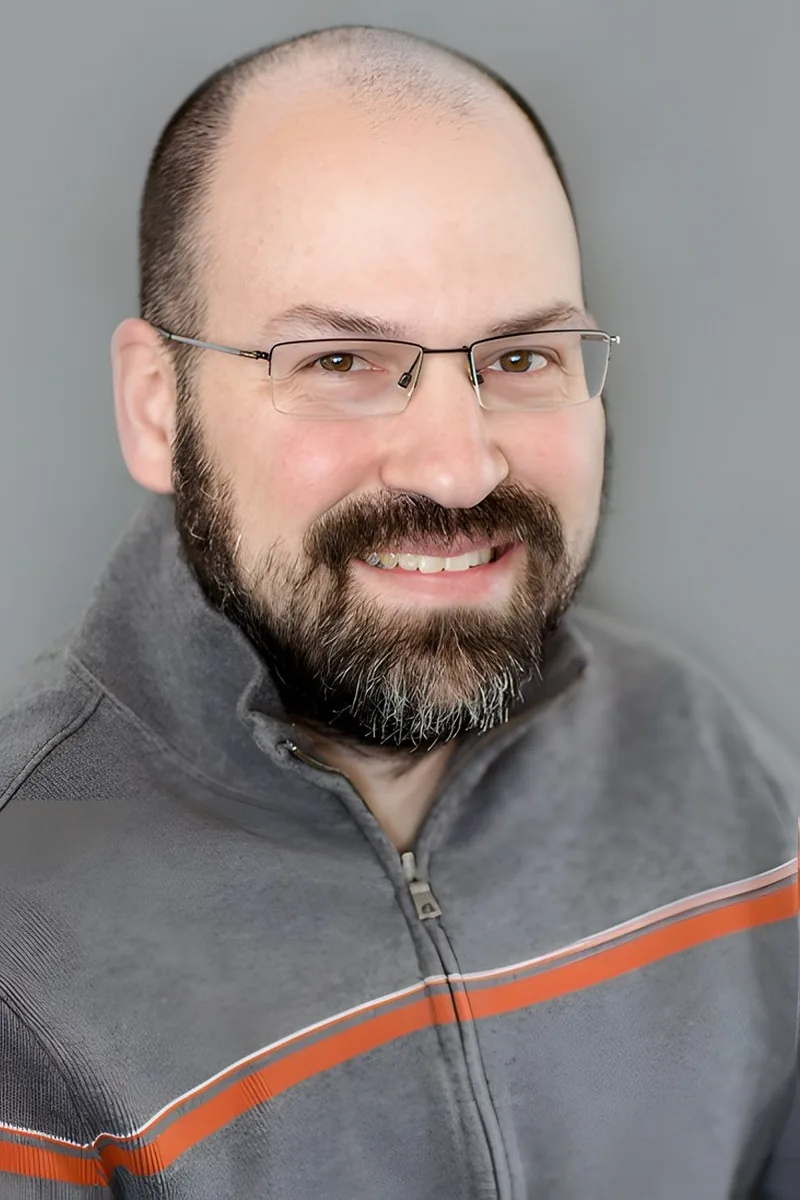
Understanding psychology means seeing how biological processes, cognitive patterns, and social environments interact — and Todd has formal training in all three. His biology undergraduate work at UIUC grounds his teaching in neuroscience and research design, while his MSW from the University of Chicago deepens his explanations of topics like therapeutic modalities, personality theory, and psychopathology.

Studying neuroscience at Vanderbilt and pursuing a Master's in Physiology at UIC means Gloria knows psychology from the biological side up — neurotransmitter pathways, brain region functions, the mechanics behind conditioning and memory formation. She unpacks concepts like Piaget's developmental stages and the DSM framework by tying them to the underlying science, which makes them easier to retain. Her child development research adds real-world context that textbooks often skip.
Studying both economics and cancer biology at UChicago gives Jessica an unusual lens on psychology — she understands the subject from both the behavioral-science side and the biological-mechanisms side. Whether a student is sorting through classical conditioning paradigms or trying to remember the difference between the sympathetic and parasympathetic nervous systems, she connects abstract concepts to concrete examples that stick.
Amanda studied cognitive science at Northwestern, which shares significant overlap with psychology — perception, memory, decision-making, and the biological bases of behavior are territory she covered in depth. She unpacks concepts like classical conditioning, cognitive biases, and neurotransmitter function by connecting them to real examples that make the terminology stick. Students preparing for AP Psychology exams or introductory college courses get someone who genuinely understands the science behind the subject.
Studying Human and Organizational Development at Vanderbilt means Zac lives in the overlap between psychology and real-world behavior — motivation theory, group dynamics, cognitive biases. He breaks down concepts like operant conditioning or Piaget's stages by connecting them to everyday situations students already recognize, making retention far more natural than rote flashcard review.
Karishma earned her bachelor's degree with a focus in psychology, giving her direct familiarity with concepts like classical conditioning, cognitive development theories, and the biological bases of behavior. She breaks down dense research methods and statistical reasoning in ways that make experiment design and data interpretation click. Rated 5.0 by students.
Sarah's economics training at Northwestern means she's steeped in behavioral decision-making — how people assess risk, respond to incentives, and fall prey to cognitive shortcuts — which maps directly onto psychology's units on heuristics, motivation, and social influence. Her 34 ACT and experience mentoring students through high-stakes academic moments also give her a practical feel for the stress and performance psychology that often shows up in introductory courses.
Neuroscience and psychology share a border, and Jhonatan lives right on it — his biology specialization in neuroscience means he can unpack the biological underpinnings behind concepts like classical conditioning, memory formation, and psychopharmacology with real depth. For students in introductory or AP Psychology, he connects abstract theories to the neural mechanisms that make them concrete and easier to retain.
Graduate-level public health training at George Washington University means Nicki spent significant time studying the behavioral and psychological factors that drive health outcomes — stress responses, habit formation, decision-making under uncertainty, and how social environments shape individual behavior. She unpacks psychology concepts by tying them to the real-world health contexts where they actually matter, which makes topics like motivation, learned helplessness, and biopsychosocial models click faster. Rated 5.0 by students.
As a medical student, Caroline encounters psychology daily — from behavioral neuroscience and developmental milestones to the biopsychosocial model that underpins modern patient care. She connects textbook concepts like classical conditioning or cognitive dissonance to real clinical scenarios, making abstract theories easier to retain.
Saneha earned her bachelor's degree in Psychology from the University of Illinois at Chicago before going on to medical school, so she knows the subject from both the research side and the clinical side. Whether it's distinguishing classical from operant conditioning, unpacking Erikson's stages, or interpreting experimental design, she connects textbook theory to real-world applications that make the material click.
Before pivoting fully to public policy, Tesa was published nationally in neurosurgery research, giving her a concrete grounding in the biological mechanisms that underpin psychological concepts like cognition, memory, and behavior. She connects that scientific foundation to the social and developmental psychology frameworks students encounter in introductory and intermediate courses. Her doctoral training in policy analysis also sharpens how she teaches research methods and experimental design.
Felix's microbiology training means he's already fluent in the biological machinery that underpins psychology's toughest unit — neurons, neurotransmitters, synaptic transmission, and how brain structure shapes behavior. But he also teaches AP Psychology's softer side, connecting concepts like classical conditioning and developmental theory back to the biological mechanisms that drive them. Holds a 5.0 rating from students.
Studying psychology at the University of Illinois Chicago means Kheya isn't just teaching from a textbook — she's actively immersed in the material, from research methods and statistical analysis to theories of cognition and behavior. She unpacks dense concepts like classical conditioning, cognitive biases, and the DSM framework by tying them to real-world examples students can actually remember. That firsthand academic experience makes a real difference when exam prep gets intense.
Having studied both public policy and psychology at the University of Chicago, Brandon learned the discipline from both sides — the theoretical frameworks in the classroom and how those principles actually shape real-world decision-making in policy contexts. He unpacks topics like behavioral motivation, cognitive development, and research methodology by tying them to concrete examples of how psychological findings influence the systems students interact with every day.
Economics at Northwestern drills one core skill that transfers directly to psychology: building models of how people actually behave — not how they should. Marshall applies that behavioral lens to topics like decision-making heuristics, motivation, and conditioning, using economic examples to make psychological theories feel concrete and testable. Holds a 5.0 rating.
Anna earned her bachelor's in psychology from Franklin and Marshall College and is now completing a clinical social work master's at the University of Chicago with a concentration in pediatric psychiatry. That combination means she can walk through everything from foundational concepts like operant conditioning and Piaget's stages to more advanced material on psychopathology, research methods, and neuroscience. She teaches psychology as a science, not just a vocabulary list.
Studying neuroscience at UIC means Rohan lives at the intersection of biology and behavior every day — the same territory that introductory and AP Psychology cover. He unpacks concepts like neurotransmitter pathways, classical conditioning, and cognitive development by connecting them to the biological mechanisms he studies in his own coursework, making abstract theories feel concrete.
Rebecca's psychology expertise is grounded in a BA from Northwestern and ongoing graduate study in social work at UChicago, which means she can connect textbook concepts — classical conditioning, cognitive development, abnormal psych — to real clinical and research contexts. She's especially sharp on the research methods side, teaching students to evaluate experimental design, identify confounding variables, and interpret statistical findings.
As a current psychology instructor at Colorado Technical University with advanced training from Loyola and the University of Chicago, Jan teaches this subject every day — from foundational concepts like operant conditioning and cognitive development to research methods and statistical interpretation. He's particularly sharp at explaining the theoretical frameworks (behavioral, cognitive, psychodynamic) that students need to compare and apply on exams and in research papers.
Studying neuroscience at Yale means Grace lives at the intersection of biology and psychology every day — she understands the brain structures behind memory, the neurotransmitter systems involved in mood disorders, and the research methods psychologists use to study behavior. She unpacks concepts like classical conditioning, cognitive development, and social psychology with the kind of mechanistic detail that makes them click rather than blur together.
Hannah studied psychology as part of her pre-med track, which means she teaches concepts like classical conditioning, cognitive development, and abnormal psych with the scientific rigor they deserve — not just as vocabulary lists. Her background working directly with diverse populations adds real-world texture to topics like social psychology and behavioral disorders that textbooks alone can't provide.
Cognitive science sits right at the crossroads of psychology, neuroscience, and philosophy of mind — so Carlie's undergrad work in the field means she's already deeply familiar with how perception, memory, and decision-making operate at both the theoretical and experimental levels. She's particularly strong at walking students through research methods and the logic behind classic studies, teaching them to think like experimenters rather than just memorize findings.
Sara earned her bachelor's degree in Psychology from the University of Illinois at Urbana-Champaign and went on to a master's in Occupational Therapy, giving her both theoretical depth and clinical application across topics like abnormal psychology, developmental stages, and neuropsychology. She connects textbook concepts — classical conditioning, cognitive biases, research methodology — to real-world scenarios that make them easier to retain and apply on exams.
Political science at the University of Chicago means Masooma spent years studying how people form political attitudes, respond to authority, and behave in groups — questions that sit squarely inside psychology's coverage of obedience, conformity, and attitude formation. Her 34 ACT reflects the kind of analytical reading and reasoning skill that psychology's research-heavy coursework rewards, and she applies that rigor to breaking down experimental design and study interpretation. Rated 4.9 by students.
Christopher earned his bachelor's degree in psychology, so he brings firsthand familiarity with the discipline's core frameworks — from classical and operant conditioning to cognitive development theories to the design of controlled experiments. He unpacks dense concepts like statistical significance, the replication crisis, and DSM diagnostic criteria by tying them to real-world examples students can actually remember. His approach emphasizes understanding the "why" behind research methods, not just memorizing terminology.
As a neuroscience major at UIC, Humza doesn't just know psychological theories in the abstract — he understands the biological mechanisms underneath them, from neurotransmitter pathways in mood disorders to the neural basis of memory formation. He unpacks concepts like classical conditioning, cognitive development stages, and research methodology by tying them to real experiments and case studies. That depth makes the material click rather than just sit on a flashcard.
Neuroscience and psychology share deep roots — from synaptic transmission to cognitive development to the biological basis of mental illness. Pal studies these overlapping systems daily as a neuroscience major in UIC's B.S./M.D. program and conducts research in the neurobiology department at UIC's College of Medicine. He unpacks concepts like classical conditioning, memory formation, and abnormal psychology by connecting them to the underlying brain mechanisms.
Cognitive psychology is where Ian goes deepest — topics like memory encoding, attention models, and perception research that trip up students who try to memorize definitions without understanding the underlying experiments. His psychology degree means he can walk through classic studies (Milgram, Stroop, Sperling) and explain not just what happened but why the methodology mattered. Rated 5.0 by students.
Studying psychology on a pre-med track means Kristen encounters concepts like neurotransmitter pathways, statistical analysis, and abnormal behavior classifications in her own coursework every week. She unpacks dense theories — from Piaget's stages to operant conditioning schedules — by connecting them to observable, everyday examples that make the material intuitive rather than abstract.
Serena's biology degree and premed coursework gave her a strong grasp of the neuroscience and research methods that underpin introductory psychology. She's especially comfortable unpacking concepts like classical conditioning, cognitive development stages, and the biological bases of behavior. Rated 5.0 by students, she connects psychological theories to real-world examples that make them easier to retain.
Public health training at UIC means Dhrumil spent semesters studying the behavioral and cognitive factors that drive health decisions — stress responses, habit formation, risk perception — all concepts that sit squarely in psychology's wheelhouse. His experience educating high school and middle school students in civic engagement also gave him a practical understanding of social influence and group behavior, two topics that dominate introductory psych exams. Rated 4.9 by students.
Studying psychology as part of her pre-health biology program at UIC means Manpreet learned the subject the hard way — through neuroscience, research methods, and statistical analysis, not just vocabulary lists. She unpacks concepts like classical conditioning, cognitive biases, and the DSM diagnostic framework by connecting them to real clinical and experimental scenarios. Students preparing for AP Psych exams or introductory college courses get someone who genuinely knows the science behind the theories.
The trickiest part of introductory psychology is that it borrows from biology, statistics, and philosophy all at once. Angelina's science training gives her a real edge when unpacking topics like synaptic transmission, the endocrine system, or how to read a research study's methodology. She connects the biological mechanisms to broader psychological concepts so the material clicks rather than just piles up.
Behavioral biology and psychology share deep roots in understanding why humans do what they do, and Rudy's master's-level training in biology gives him real fluency with the neuroscience and research methods that trip up many psych students. He unpacks concepts like operant conditioning, cognitive biases, and experimental design by connecting them to the biological mechanisms underneath. Students rated him 5.0 across subjects.
Film production requires deep study of human behavior, motivation, and perception — concepts that sit at the core of psychology. Youngbin connects topics like cognitive biases, social influence, and developmental stages to real-world examples that make abstract theories concrete. Rated 5.0 by students, he's especially effective at breaking down research methods and experimental design.
Understanding psychology means grasping both the biology behind behavior and the research methods used to study it — two areas where Hannahlore's chemistry training translates directly. She unpacks topics like classical conditioning, cognitive biases, and statistical significance by grounding them in real experimental scenarios rather than abstract definitions.
A psychology minor from Case Western Reserve and a master's in reproductive science from Northwestern gave Victoria a thorough grounding in both the behavioral and biological sides of psychology. She digs into topics like classical conditioning, cognitive development, and research methodology by connecting textbook concepts to real-world examples that make them easier to retain.
Gauri earned her bachelor's degree in psychology before pursuing a Master of Social Work, so she's spent years immersed in concepts like operant conditioning, cognitive development, and abnormal psych classifications. That dual background means she can explain Erikson's stages or the DSM framework with both academic rigor and real-world clinical context. She's rated 5.0 by her students.
Biomedical engineering coursework at the college level means Khushal regularly encounters the biological machinery behind behavior — neural signaling, brain anatomy, sensory processing — which is exactly where most psychology students struggle hardest. He unpacks those biological bases of behavior by connecting them to the engineering principles he already thinks in, making neurotransmitter pathways and nervous system function feel more like logical systems than rote memorization. Rated 5.0 by students.
Testimonials
Because the right Psychology tutor makes all the difference.
Average Session Rating – Based on 3.4M Learner Ratings
Nearby Psychology Tutors
Other Peoria Tutors
Related Social Sciences Tutors in Peoria
Frequently Asked Questions
Varsity Tutors matches Peoria students with expert Psychology tutors for 1-on-1 instruction. We pair each student with a tutor based on their specific needs, learning style, and goals.
Whether you need homework help, exam prep, or want to get ahead, our Psychology tutors are ready to help.
Common challenges include gaps from earlier material, difficulty with specific concepts, and trouble applying learning to new problems. These issues can snowball quickly in Psychology.
A tutor identifies where you're stuck, fills in gaps, and provides targeted practice. The 1-on-1 format means you get help exactly where you need it.
Tutors work with your student's actual coursework—homework assignments, class notes, and upcoming tests. This keeps tutoring directly relevant to what's happening in the classroom.
When you share information about your student's school and curriculum, we can match you with a tutor who has relevant experience.
All tutors complete background checks, credential verification, and teaching evaluation. Many of our Psychology tutors hold advanced degrees or have years of teaching experience.
You can review tutor profiles to find someone with the right background for your student's level and needs.
Many students see improved grades within a few weeks, along with better understanding of Psychology concepts and more confidence tackling challenging material.
Tutors track progress and adjust their approach to ensure continued improvement.
Most students benefit from 1-2 sessions per week. More frequent sessions help if your student is significantly behind or has an important exam coming up.
Your tutor can recommend a schedule based on your student's specific situation and goals.
Tutoring is purchased in packages of hours, with rates varying by tutor experience. Varsity Tutors offers several options to fit different budgets and needs.
You can discuss pricing during your consultation to find what works best.
Your tutor will assess where your student is, discuss goals, and start working on priority areas. Most students bring current homework or upcoming test material to focus on.
By the end, you'll have a clear sense of how the tutor can help and a plan for moving forward.
Let’s find your perfect tutor
Answer a few quick questions. We’ll recommend the right plan and match you with a top 5% tutor.