Award-Winning Literature Tutors
serving Columbus, GA
Literature
Tutors in Columbus
Private 1-on-1 tutoring, weekly live classes for academic support, test prep & enrichment, practice tests and diagnostics, and more to elevate grades and test scores.
Based on 3.4M Learner Ratings
UniversitiesSchools & Universities
DeliveredHours Delivered
ProficiencyGrowth in Proficiency
Who needs tutoring?
No obligation. Takes ~1 minute.
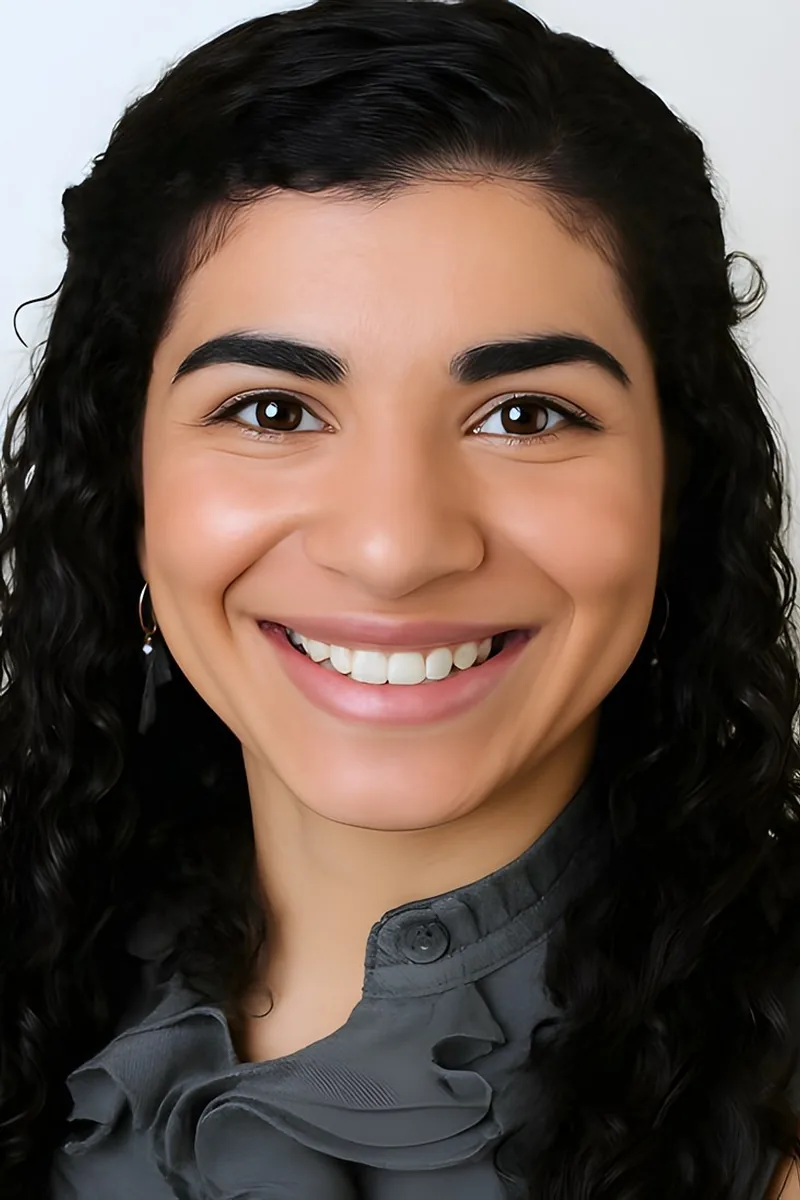
Reading literature well means noticing what an author chose not to say as much as what's on the page — the silences, the structural choices, the recurring images. Paula brings a Psychology background to literary analysis, which gives her a distinctive angle on character development, unreliable narration, and the emotional architecture of a story. She teaches students to build interpretive arguments they can defend with textual evidence, a skill that transfers directly to essays and class discussions.

Reading a novel for class and actually analyzing it are two different skills, and the gap between them is where most students struggle. Alina teaches close-reading techniques — tracking imagery patterns, identifying unreliable narration, connecting a character's arc to the text's larger themes — so that essay arguments come from the page rather than thin air.
Isabella's minor in Ancient and Medieval Studies at MIT means she spent years doing close readings of dense, unfamiliar texts — exactly the skill that transfers to analyzing literature at any level. She teaches students to unpack how an author's choices in structure, diction, and imagery build meaning, turning vague impressions into precise, evidence-grounded arguments.
Before becoming a high school science teacher and college prep administrator, Marion studied neurobiology and behavior at Harvard — a field that requires digesting dense research papers and extracting meaning from how authors frame evidence, structure arguments, and deploy precise language. That same close-reading discipline carries into literature, where she teaches students to move past "what happened" and into how a writer's choices in voice, pacing, or figurative language shape interpretation. Rated 5.0 by students.
Reading literature well means asking uncomfortable questions about a text — why does the narrator contradict herself, what's the silence in a scene really saying, how does the structure mirror the theme. Jean studied Latin American history through its literature and primary sources at Duke, giving her practice analyzing texts across genres, time periods, and cultural contexts. She teaches students to build interpretive arguments grounded in close reading rather than surface-level summaries.
Studying how the brain processes language at Rice gave Erica an unusual angle on literary analysis — she reads for how authors manipulate syntax, metaphor, and narrative structure to produce specific effects on a reader's cognition. She teaches students to move from surface-level plot summary to crafting arguments about tone, symbolism, and authorial intent.
Reading literature well means slowing down enough to notice what an author is actually doing with structure, imagery, and voice. Ethan brings an analytical mindset sharpened by scientific training at WashU, which turns out to be surprisingly useful for dissecting a passage from Toni Morrison or unpacking symbolism in a Shakespeare play.
Reading a novel for class and actually analyzing it are two very different skills. Rebecca's anthropology background trained her to interpret texts through cultural and historical context, and she applies that same lens to literature — unpacking symbolism in Gatsby or tracing power dynamics in Beloved by asking the kinds of questions that turn surface-level summaries into real arguments.
Reading a novel for class and actually analyzing it are two very different skills. Alice's cognitive science training at Brown sharpens her ability to teach close reading — picking apart how an author uses imagery, narrative structure, or point of view to build meaning. She walks through passages conversationally, asking the kinds of questions that make thematic arguments feel like discoveries rather than assignments.
Reading a novel closely means noticing what the author is doing with structure, imagery, and point of view — not just following the plot. Bona teaches students to annotate with purpose, building arguments about a text's themes that hold up under scrutiny. Her legal studies background adds a layer of rigor to how she approaches textual evidence and interpretation.
Reading literature analytically — identifying motifs, unreliable narrators, or how an author's structure reinforces theme — requires a different kind of close attention than most students are used to. Ilesh is an avid reader who approaches texts methodically, breaking down passages into claims and evidence the way his engineering training taught him to dissect complex systems.
Reading a poem or novel closely requires the same analytical rigor as reading a scientific paper — identifying evidence, questioning assumptions, and building an argument from the text itself. Saniya's English minor at Rhodes College trained her in close reading across genres, from Victorian fiction to contemporary poetry, and she teaches students to move from surface-level summary to interpretive claims backed by specific textual detail.
Studying language acquisition at the PhD level means Wei thinks deeply about how texts create meaning — not just what a novel says, but how diction, structure, and cultural context shape interpretation. She's particularly strong at teaching close reading skills, showing students how to build an argument from a single passage outward.
A full-time writer with a Stanford arts degree, Robert reads literature the way writers do — paying attention to how an author builds a character through dialogue, or why a narrator's unreliability changes everything about a story's meaning. He's particularly strong on American literature, from Hawthorne's symbolism to Toni Morrison's layered prose.
Reading a novel for class and actually analyzing it are two very different skills, and the gap usually shows up when a student sits down to write about theme or characterization. Juliana teaches close-reading techniques — tracking imagery, identifying narrative shifts, questioning an author's structural choices — that turn vague impressions into arguable claims. Her writing center background at Northwestern means she connects literary analysis directly to stronger essays.
Reading literature through an analytical lens — identifying motifs, tracking character development, dissecting an author's rhetorical choices — is something Vignesh approaches with the same rigor he brings to his finance coursework. He's particularly effective at teaching students how to build a thesis from textual evidence rather than summary, whether they're working through Shakespeare or Toni Morrison.
Morgan is currently deep in an English literature degree at Washington University in St. Louis, which means she's actively analyzing texts across genres and periods every week. She teaches students how to move past surface-level plot summary and build interpretive arguments — tracking symbolism, unreliable narration, and the way an author's structural choices shape meaning.
Reading literature through the lens of someone who has lived and worked across multiple countries and cultures, Denise brings a global perspective to textual analysis. She teaches students to dig into themes like power, identity, and social change — unpacking how an author's historical context shapes narrative choices — and to build arguments that go beyond surface-level plot summary.
Reading literature well means doing more than following a plot — it means asking why an author chose this metaphor, this narrator, this structure. Abigail's double major in Biology and Women's Studies gives her an unusual lens for literary analysis, connecting texts to their cultural and historical contexts in ways that make class discussions and essays richer. She's especially comfortable unpacking themes of identity, power, and voice across genres.
Reading a novel for plot is easy; reading it for how imagery, narrative structure, and point of view create meaning is the skill that literature courses actually demand. Emily's arts background and lifelong love of books make her especially good at teaching students to build interpretive arguments grounded in textual evidence rather than vague impressions.
Studying education alongside computer science at Cornell gave Chris a structured way to approach literary analysis — breaking a text into its moving parts the way you'd debug a program. He teaches students to trace themes, identify rhetorical strategies, and build interpretive arguments that go beyond plot summary. Rated 5.0 by students.
Reading a novel the way a lawyer reads a case — tracking motifs, weighing evidence in the text, questioning an author's choices — is exactly how Jenna approaches literature. She teaches students to build interpretive arguments about character, theme, and narrative structure that hold up under scrutiny, whether they're analyzing Shakespeare or Toni Morrison.
Reading a novel or poem closely means asking better questions — why does this narrator contradict herself, what's the metaphor actually doing, how does the structure shape meaning? Ominira teaches students to engage with texts analytically, moving from surface-level summaries to the kind of interpretive arguments that earn strong marks on essays and class discussions alike.
Between her coursework in American literature, English literature, and religion, Sydney reads texts through multiple lenses — historical, psychological, and thematic. She teaches students to move past plot summary and dig into how an author's choices with imagery, structure, and voice shape a work's meaning. Rated 4.9 by students.
Reading a play for subtext — what a character means versus what they say — is the same close-reading skill that unlocks poetry, novels, and short fiction. Merav's MFA in Theater Arts trained her to dissect dialogue, symbolism, and narrative structure at a granular level, and she brings that lens to everything from Shakespeare to contemporary prose.
Reading literature well means learning to ask better questions about a text — why a character makes a specific choice, how setting shapes mood, what an author gains by withholding information. Tigist's history degree trained her to analyze primary sources and arguments, a skill she brings directly to close reading of novels, poetry, and drama.
Political science training is essentially literary analysis applied to real-world power structures, which gives Matthew a sharp eye for rhetoric, theme, and authorial intent in fiction and poetry alike. He unpacks texts by teaching students to ask the right questions — what's the speaker's position, what's the tension, and how does the language create it.
Reading literature well means learning to ask why an author made specific choices — why Fitzgerald uses the green light, why Morrison fractures her timelines, why a sonnet turns where it does. Yasheen brings an analytical mindset sharpened by scientific training, which translates surprisingly well into close reading and building evidence-based interpretations. She's also a lifelong reader who genuinely loves digging into texts.
Reading a novel for class and actually analyzing it are two very different things, and John bridges that gap by teaching students to track motifs, narrative structure, and authorial intent across a text. His English degree from UGA covered everything from Shakespeare to contemporary fiction, and his own love of books means he can make even assigned reading feel worth the effort.
An avid reader and writer outside her engineering career, Bettina approaches literature with the same analytical rigor she applies to research — dissecting how an author builds an argument through structure, imagery, and narrative choice. She teaches students to move from surface-level plot summary to close reading that examines tone, symbolism, and thematic development. Her interdisciplinary perspective often surfaces connections between texts and broader historical or philosophical contexts.
Reading critically means asking what a text is doing, not just what it says — why an author chose a particular metaphor, or how a narrator's unreliability reshapes the story's meaning. Christopher's neuroscience minor gave him a unique lens for analyzing how language affects perception, and his lifelong habit of reading across genres keeps his literary references fresh. He teaches students to build interpretive arguments grounded in textual evidence rather than surface-level summary.
Reading a novel for class is one thing; unpacking how an author uses symbolism, narrative structure, or unreliable narration to build meaning is another skill entirely. David approaches literary analysis the way he approaches math — by identifying patterns, questioning assumptions, and constructing arguments that hold up under scrutiny.
Reading literature well means doing more than summarizing plot; it means noticing how an unreliable narrator shifts tone or why an author chose free indirect discourse over first person. Hailey's psychology training sharpens her approach to character analysis and motivation, giving students a framework for interpreting texts that goes beyond surface-level themes.
Breaking down a novel or poem into its moving parts — symbolism, narrative voice, thematic tension — is where Maddie thrives as a reader and tutor. She teaches students to build literary arguments that go beyond plot summary, connecting textual evidence to a clear interpretive claim.
Brian's approach to literature leans analytical — he teaches students to build arguments from textual evidence the way he learned to build arguments from data in his economics and analytics training. Whether the assignment involves close-reading a poem or writing a comparative essay on two novels, he walks through how to identify patterns in language and structure that support a clear thesis.
Reading literature analytically requires the same close reasoning Carson applies to mathematical proofs — building an argument from textual evidence, identifying patterns, and questioning assumptions. As a UChicago student immersed in the school's interdisciplinary Core Curriculum, he brings sharp critical thinking to discussions of theme, symbolism, and narrative structure.
James earned his English Literature degree at Northwestern, where close reading meant dissecting everything from narrative structure to unreliable narrators to the politics embedded in a text. That training makes him especially effective at teaching students how to build a literary argument — moving from a specific passage to a thesis that actually says something. Rated 5.0 by students.
Luci earned a perfect score on the SAT II Literature exam, which required deep fluency in close reading, literary analysis, and identifying devices like tone shifts, allegory, and narrative structure. Her journalism background trained her to read critically and extract meaning from dense texts — skills she now applies to everything from Shakespeare to contemporary fiction. She teaches students to build arguments about theme and characterization that hold up under scrutiny.
Reading literature closely is a lot like debugging code — you have to slow down, trace the logic, and figure out what each piece is doing. Sean applies that same analytical rigor to poetry, novels, and short fiction, teaching students to identify how literary devices like imagery, symbolism, and narrative structure build meaning. His lifelong love of books and writing makes those conversations genuinely engaging rather than mechanical.
Reading a novel is easy; building an argument about what it means is where most students struggle. Max treats literature analysis like constructing a case — identifying textual evidence, understanding authorial intent, and linking themes to broader contexts. His international affairs background gives him an unusual lens for discussing works that deal with power, culture, and identity.
Testimonials
Because the right Literature tutor makes all the difference.
Average Session Rating – Based on 3.4M Learner Ratings
Nearby Literature Tutors
Other Columbus Tutors
Related English Tutors in Columbus
Frequently Asked Questions
Varsity Tutors matches Columbus students with expert Literature tutors for 1-on-1 instruction. We pair each student with a tutor based on their specific needs, learning style, and goals.
Whether you need homework help, exam prep, or want to get ahead, our Literature tutors are ready to help.
Common challenges include gaps from earlier material, difficulty with specific concepts, and trouble applying learning to new problems. These issues can snowball quickly in Literature.
A tutor identifies where you're stuck, fills in gaps, and provides targeted practice. The 1-on-1 format means you get help exactly where you need it.
Tutors work with your student's actual coursework—homework assignments, class notes, and upcoming tests. This keeps tutoring directly relevant to what's happening in the classroom.
When you share information about your student's school and curriculum, we can match you with a tutor who has relevant experience.
All tutors complete background checks, credential verification, and teaching evaluation. Many of our Literature tutors hold advanced degrees or have years of teaching experience.
You can review tutor profiles to find someone with the right background for your student's level and needs.
Many students see improved grades within a few weeks, along with better understanding of Literature concepts and more confidence tackling challenging material.
Tutors track progress and adjust their approach to ensure continued improvement.
Most students benefit from 1-2 sessions per week. More frequent sessions help if your student is significantly behind or has an important exam coming up.
Your tutor can recommend a schedule based on your student's specific situation and goals.
Tutoring is purchased in packages of hours, with rates varying by tutor experience. Varsity Tutors offers several options to fit different budgets and needs.
You can discuss pricing during your consultation to find what works best.
Your tutor will assess where your student is, discuss goals, and start working on priority areas. Most students bring current homework or upcoming test material to focus on.
By the end, you'll have a clear sense of how the tutor can help and a plan for moving forward.
Let’s find your perfect tutor
Answer a few quick questions. We’ll recommend the right plan and match you with a top 5% tutor.