Award-Winning History Tutors
serving Augusta, GA
History
Tutors in Augusta
Private 1-on-1 tutoring, weekly live classes for academic support, test prep & enrichment, practice tests and diagnostics, and more to elevate grades and test scores.
Based on 3.4M Learner Ratings
UniversitiesSchools & Universities
DeliveredHours Delivered
ProficiencyGrowth in Proficiency
Who needs tutoring?
No obligation. Takes ~1 minute.
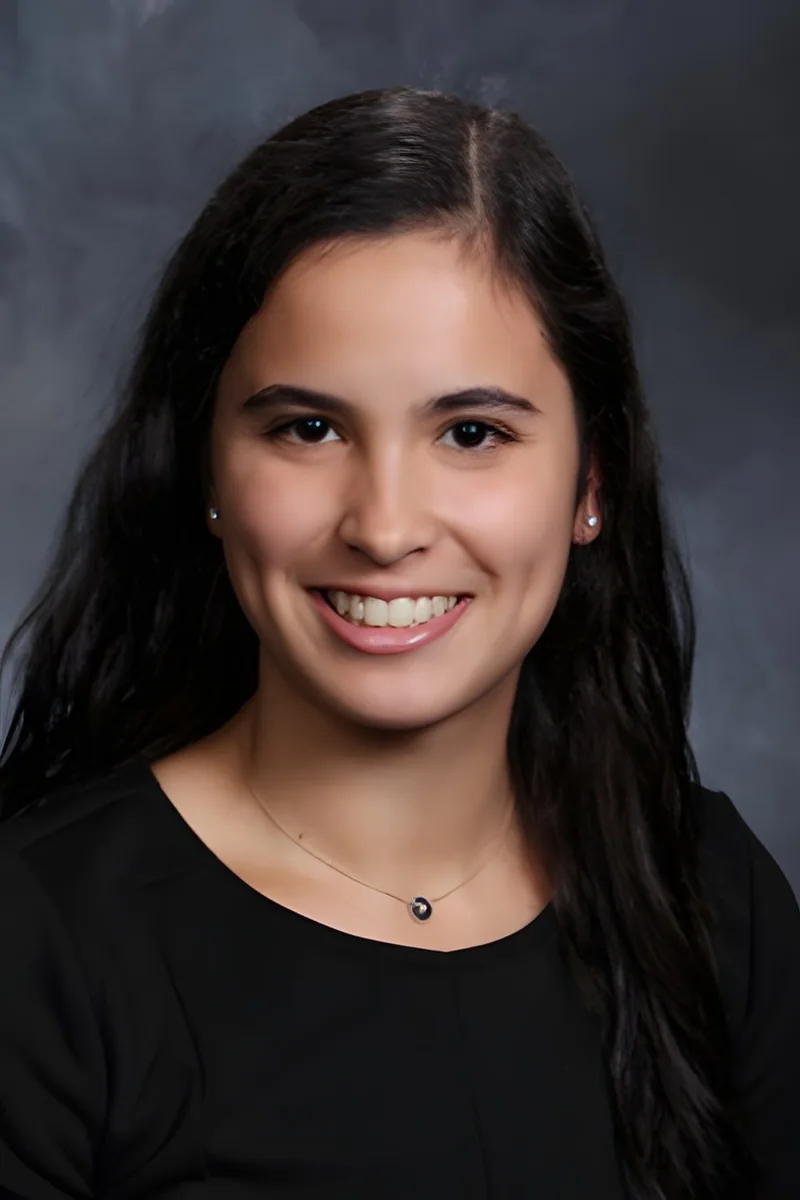
Most people don't associate an MIT math degree with history, but Isabella's minor in Ancient and Medieval Studies involved rigorous work with primary sources, historiographical debates, and constructing arguments from fragmentary evidence. She teaches students to read historical texts critically and write essays that do more than summarize — they analyze cause, context, and consequence.
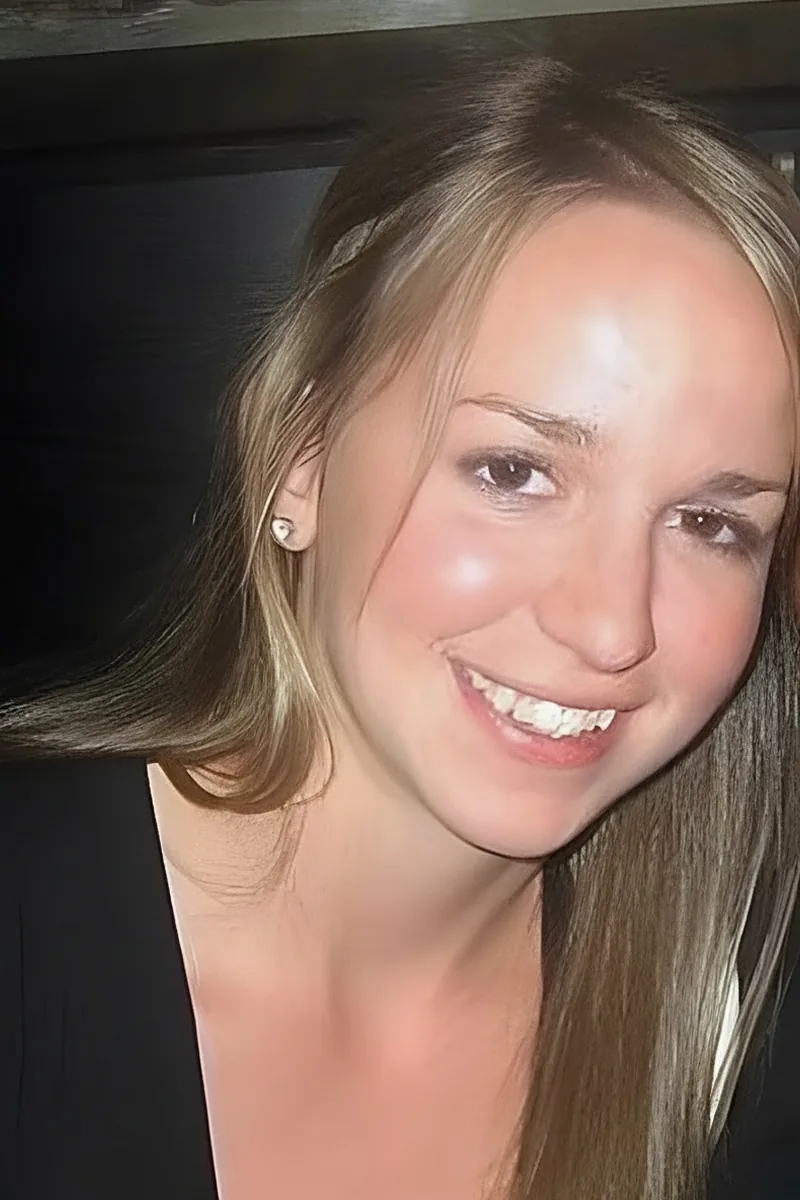
A Duke-trained historian with a law degree from UNC Chapel Hill, Jean treats history the way professional historians do — as an argument built from evidence, not a list of dates to memorize. She teaches students to read primary sources critically, identify bias, and construct thesis-driven responses. Her specialty is Latin American history, but her coursework and tutoring span U.S., European, and global topics.
Paula's psychology and communication studies background gives her a useful edge in history: she teaches students to read historical figures' decisions through the lens of motivation, persuasion, and social influence. That perspective makes document analysis and essay writing more intuitive, since every source becomes a window into what someone wanted and how they tried to get it. Rated 4.8 by students.
Most students struggle with history not because they can't remember dates, but because they haven't learned to trace cause and effect across events — why the Treaty of Versailles made a second world war almost inevitable, or how economic policy shaped the Civil Rights Movement. Marion's teaching background and curriculum design training mean she builds those analytical connections into every session.
Five years researching language recovery after stroke taught Erica something directly applicable to history: how to read between the lines of what people say and reconstruct the context behind it. Her cognitive science background from Rice sharpens that instinct, especially when students need to analyze primary source documents where tone, framing, and word choice carry as much meaning as the facts themselves. Rated 4.8 by students.
Strong history performance comes down to building arguments from evidence, not memorizing dates. Ethan teaches students to read primary sources critically and construct document-based essays that connect causes, effects, and historical context into a clear analytical thread.
Studying anthropology means studying human societies across time, so Rebecca approaches history through the lens of cultural systems, power dynamics, and primary source analysis. She's especially strong at teaching students how to construct document-based arguments — connecting evidence to a clear historical claim rather than just recounting events.
Cognitive science at Brown trains you to ask how people think, decide, and construct meaning — and Alice brings that same curiosity to history, where understanding how societies interpreted their own moment matters as much as knowing what happened. Her conversational teaching style turns document analysis into a back-and-forth about perspective and context, which is exactly what DBQ prompts and essay questions reward.
An engineering education at Georgia Tech might seem unrelated to history, but Industrial and Systems Engineering is fundamentally about understanding how complex systems — supply chains, organizations, economies — evolve and interact over time. Ilesh applies that systems-level thinking to historical topics like industrialization, trade networks, and technological change, making the subject concrete for students who think in terms of how things work. Rated 5.0 by students.
Neuroscience is fundamentally about asking why people behave the way they do — and Saniya carries that same question into history, where she teaches students to dig into the motivations, cognitive biases, and social pressures behind historical decisions and movements. Her science training at Rhodes College built sharp skills in reading complex material and constructing evidence-based arguments, which translates directly to tackling document-based questions and thesis-driven essays. Rated 5.0 by students.
Neuroscience training at Northwestern means Bona spends her days understanding why people make decisions — a skill that translates directly to unpacking historical motivations, from revolutionary leaders to policy architects. She brings that behavioral lens to topics like the causes of war, shifts in governance, and social movements, teaching students to explain the human reasoning behind major events rather than just recounting them.
A Political Science degree from Stanford gives Robert a built-in framework for understanding how governments, ideologies, and power struggles have driven historical change — from constitutional debates to Cold War foreign policy. He's especially sharp at teaching students to pull apart political motivations behind major events and turn that analysis into well-structured essays. Rated 5.0 by students.
Wei approaches history the way her linguistics training taught her to approach any text — by asking who wrote it, for whom, and what assumptions sit beneath the surface. She's especially effective at teaching students to analyze primary sources and construct document-based arguments, skills that matter far more than memorizing dates.
Vignesh treats history less as a subject to memorize and more as a series of cause-and-effect chains to trace — why did mercantilism give way to free trade, or how did political revolutions reshape economic systems? His finance background gives him a natural entry point into the economic and institutional forces that drive historical change, which makes the material stick for students who think in systems.
AP Comparative Government and Politics is one of Morgan's listed subjects, which means she's already comfortable analyzing how political systems evolve and interact — a skill that anchors her approach to history more broadly. Her English literature training at Washington University in St. Louis adds a close-reading instinct she brings to primary source analysis, picking apart the rhetoric in a treaty or pamphlet the way she'd dissect a novel. Rated 5.0 by students.
Running a university writing center tutoring desk at Northwestern meant Juliana spent years helping students across disciplines sharpen their arguments — and history papers landed on her desk constantly. That experience taught her how to coach students through the specific challenge of turning a pile of sources into a thesis-driven essay with a clear through-line. Her MBA training in organizational leadership adds a practical lens for analyzing how institutions, power structures, and decision-making shaped historical outcomes.
As a first-generation college student who earned a master's in Multicultural Education, Ominira lived the kind of story that history courses examine — how identity, culture, and systemic forces shape people's paths. She brings that personal and academic grounding to teaching students how to analyze historical movements through the lens of race, class, and cultural exchange, particularly in units on immigration, civil rights, and colonialism. Her background in international relations adds a global dimension that strengthens students' ability to connect domestic events to broader world patterns.
Training to become a high school teacher at Cornell's College of Engineering means Chris thinks constantly about how to make complex material click for teenagers — a skill that applies directly to unpacking historical causation and building document-based arguments. His education coursework gives him a structured approach to teaching students how to move from reading a source to constructing a thesis around it. Rated 5.0 by students.
Denise's career in international development — spanning the World Bank, Goldman Sachs, and Columbia University — gave her a front-row seat to how economic forces shape political events and vice versa. She teaches history by connecting cause and effect across eras, whether that means tracing how colonial trade policies created modern inequality or analyzing the economic pressures behind major revolutions.
Treating history as a series of arguments rather than a list of facts is where Sydney thrives. Her triple major in psychology, Spanish, and religion gives her an unusual ability to unpack how cultural, religious, and social forces drive historical events — and she teaches students to make those same connections in their own writing and analysis.
Abigail approaches history as a discipline of competing narratives rather than a list of dates to memorize. Her Women's Studies major at Washington University trained her to examine whose perspectives get included — and excluded — in historical accounts, which makes her especially effective at teaching students to analyze primary sources and craft document-based essays.
Tigist earned her BA in History and later completed a Master's in Urban Education and Leadership — a combination that means she understands both the content and how to teach it effectively. She's especially strong at walking students through how social, political, and economic forces intersect in shaping communities over time, a perspective rooted in her urban education training. Whether the task is a DBQ essay or preparing for an exam, she breaks down complex historical periods into clear, connected narratives.
Merav approaches history the way she approaches a script: every event has context, every figure has motivations, and the interesting part is piecing together why things happened the way they did. She teaches students to analyze primary sources and construct cause-and-effect arguments rather than memorize dates in isolation.
Jenna treats history less as a set of facts to memorize and more as a series of arguments to evaluate — who wrote this source, what did they want, and what does the evidence actually prove? Her political science and legal training sharpened her ability to teach students how to analyze primary documents and build evidence-based claims. She's rated 5.0 by students.
The hardest part of history for most students isn't the dates — it's constructing a written argument that uses evidence effectively. Emily approaches history through that lens, teaching students how to analyze primary sources, connect events to broader themes, and write essays that do more than just summarize a textbook chapter.
Years of actuarial work trained David to look at messy data and ask what's actually driving the outcome — a habit that maps directly onto historical analysis, where students need to explain causes rather than recite timelines. He teaches essay structure the way he'd build a risk model: identify the key variables, weigh the evidence, and construct an argument that holds up under scrutiny. Rated 5.0 by students.
Medical school trains you to take a patient's full history — tracing symptoms back through layers of context to figure out what's actually going on. Christopher applies that same diagnostic thinking to history, teaching students to read primary sources like case studies where political, social, and economic factors all interact to produce an outcome. His Rice neuroscience background also sharpens his focus on how ideas and beliefs — not just material conditions — drive historical change.
Brian approaches history the way his economics training taught him — by asking what incentives, resources, and power structures drove people's decisions. He teaches students to build cause-and-effect arguments from primary sources rather than just recounting events in order.
Bettina approaches history the way she approaches engineering problems: by asking what forces drove a particular outcome and what evidence supports that conclusion. She teaches students to move past memorizing dates and instead construct cause-and-effect arguments using primary sources. Her philosophy background also sharpens the critical thinking she brings to analyzing historical debates.
Maddie treats history less as a list of dates and more as a series of cause-and-effect chains worth understanding. She teaches students to read primary sources critically and construct arguments — skills she sharpened through her own writing-intensive coursework at Rice.
A dual background in English and History from the University of Georgia means John reads historical sources the way they should be read — critically, with attention to perspective, bias, and context. He digs into how to evaluate a primary source, construct a historical argument, and write clearly under timed conditions. Students working on research papers or document analysis get someone who treats history as a discipline of argumentation, not memorization.
Cancer biology research at Yale means Yasheen spends her days reading scientific literature critically — evaluating evidence, questioning conclusions, and tracing how one discovery builds on another. That same habit of close, skeptical reading is exactly what history coursework asks students to do with primary sources and competing historical narratives. She's especially effective at teaching students to construct thesis-driven arguments where every claim is anchored to specific evidence.
Social psychology research at UGA trained Hailey to ask why groups behave the way they do — the same question that makes history click for students who find timelines and dates tedious. She teaches students to analyze causes and consequences by connecting historical events to the social dynamics behind them, which strengthens both understanding and essay writing.
Studying political science at UGA means Matthew lives in history every day — analyzing how past events shaped the institutions, conflicts, and power dynamics we see now. He teaches history as cause-and-effect chains rather than isolated dates, which makes everything from the French Revolution to the Cold War far easier to retain and write about on exams.
Sean treats history as a discipline built on arguments, not just dates and names to memorize for a test. He teaches students to read primary sources critically, identify cause-and-effect chains, and construct essay responses that demonstrate genuine historical reasoning. His broad reading habits across multiple genres give him a storyteller's instinct for making eras and events feel vivid and connected.
A neuroscience major might seem like an unlikely history tutor, but Josh approaches historical thinking the way a scientist approaches data — by teaching students to weigh evidence, identify bias in primary sources, and build arguments from facts rather than opinions. He's an avid reader whose analytical training translates well to essay-based history work like document analysis and thesis construction.
Fifteen AP and college-level courses at a STEM magnet school meant Addison spent years writing lab reports and research papers that demanded tight, evidence-based reasoning — the same skill that separates strong history essays from chronological summaries. She brings a scientist's instinct for asking *why* something happened, which is particularly effective when students need to tackle document-based questions or connect political events to their economic and social root causes.
International affairs and economics gave Max a framework for understanding history as a web of competing interests rather than a list of dates. He digs into causation — why the Treaty of Versailles planted seeds for WWII, or how trade policy shaped colonial expansion — and teaches students to build document-based arguments that connect events to larger patterns.
A liberal arts physics education at a rigorous institution means Jonathan spent as much time writing analytical essays and debating ideas across disciplines as he did solving equations — exactly the kind of cross-disciplinary thinking that sharpens historical reasoning. He teaches students to treat historical questions the way a scientist treats a hypothesis: identify the claim, weigh the evidence, and build an argument that holds up under scrutiny. That approach is especially useful for essay prompts and document analysis, where clear reasoning beats memorized facts every time.
A legal education is essentially training in how to read history critically — evaluating primary sources, weighing competing accounts, and constructing evidence-based arguments. Luci's Juris Doctor gave her exactly that analytical toolkit, and she applies it to teaching students how to write document-based essays and connect causes to consequences across eras. She treats history as argumentation, not memorization.
Testimonials
Because the right History tutor makes all the difference.
Average Session Rating – Based on 3.4M Learner Ratings
Nearby History Tutors
Other Augusta Tutors
Related Social Studies Tutors in Augusta
Frequently Asked Questions
Varsity Tutors matches Augusta students with expert History tutors for 1-on-1 instruction. We pair each student with a tutor based on their specific needs, learning style, and goals.
Whether you need homework help, exam prep, or want to get ahead, our History tutors are ready to help.
Common challenges include gaps from earlier material, difficulty with specific concepts, and trouble applying learning to new problems. These issues can snowball quickly in History.
A tutor identifies where you're stuck, fills in gaps, and provides targeted practice. The 1-on-1 format means you get help exactly where you need it.
Tutors work with your student's actual coursework—homework assignments, class notes, and upcoming tests. This keeps tutoring directly relevant to what's happening in the classroom.
When you share information about your student's school and curriculum, we can match you with a tutor who has relevant experience.
All tutors complete background checks, credential verification, and teaching evaluation. Many of our History tutors hold advanced degrees or have years of teaching experience.
You can review tutor profiles to find someone with the right background for your student's level and needs.
Many students see improved grades within a few weeks, along with better understanding of History concepts and more confidence tackling challenging material.
Tutors track progress and adjust their approach to ensure continued improvement.
Most students benefit from 1-2 sessions per week. More frequent sessions help if your student is significantly behind or has an important exam coming up.
Your tutor can recommend a schedule based on your student's specific situation and goals.
Tutoring is purchased in packages of hours, with rates varying by tutor experience. Varsity Tutors offers several options to fit different budgets and needs.
You can discuss pricing during your consultation to find what works best.
Your tutor will assess where your student is, discuss goals, and start working on priority areas. Most students bring current homework or upcoming test material to focus on.
By the end, you'll have a clear sense of how the tutor can help and a plan for moving forward.
Let’s find your perfect tutor
Answer a few quick questions. We’ll recommend the right plan and match you with a top 5% tutor.