Award-Winning History Tutors
serving Atlanta, GA
History
Tutors in Atlanta
Private 1-on-1 tutoring, weekly live classes for academic support, test prep & enrichment, practice tests and diagnostics, and more to elevate grades and test scores.
Based on 3.4M Learner Ratings
UniversitiesSchools & Universities
DeliveredHours Delivered
ProficiencyGrowth in Proficiency
Who needs tutoring?
No obligation. Takes ~1 minute.
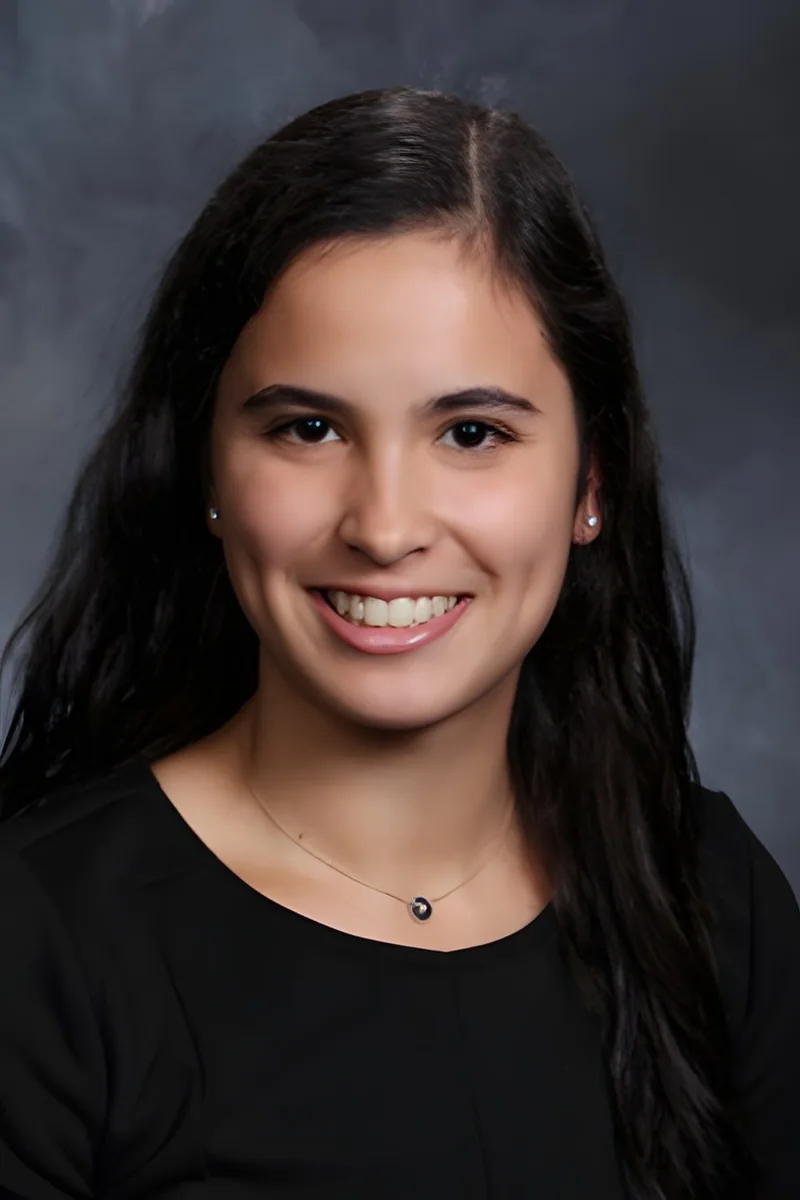
Most people don't associate an MIT math degree with history, but Isabella's minor in Ancient and Medieval Studies involved rigorous work with primary sources, historiographical debates, and constructing arguments from fragmentary evidence. She teaches students to read historical texts critically and write essays that do more than summarize — they analyze cause, context, and consequence.
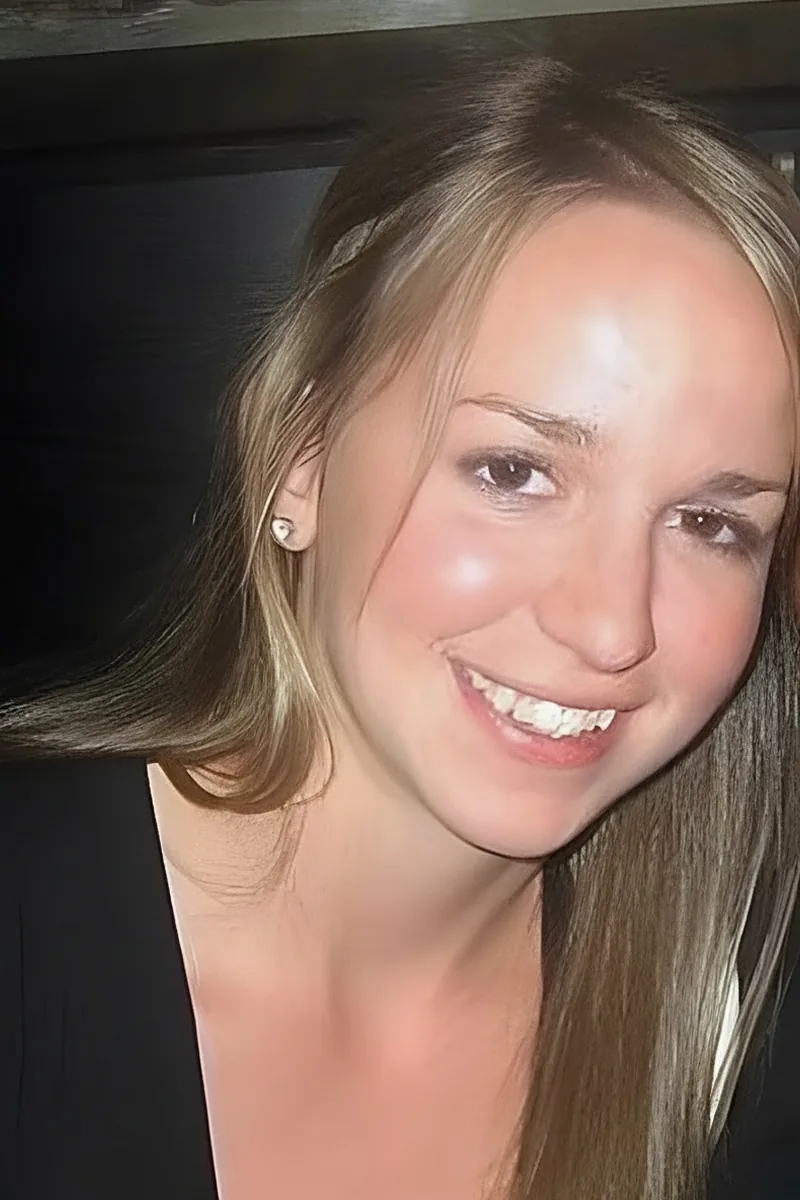
A Duke-trained historian with a law degree from UNC Chapel Hill, Jean treats history the way professional historians do — as an argument built from evidence, not a list of dates to memorize. She teaches students to read primary sources critically, identify bias, and construct thesis-driven responses. Her specialty is Latin American history, but her coursework and tutoring span U.S., European, and global topics.
Most students struggle with history not because they can't remember dates, but because they haven't learned to trace cause and effect across events — why the Treaty of Versailles made a second world war almost inevitable, or how economic policy shaped the Civil Rights Movement. Marion's teaching background and curriculum design training mean she builds those analytical connections into every session.
Cognitive science at Brown trains you to ask how people think, decide, and construct meaning — and Alice brings that same curiosity to history, where understanding how societies interpreted their own moment matters as much as knowing what happened. Her conversational teaching style turns document analysis into a back-and-forth about perspective and context, which is exactly what DBQ prompts and essay questions reward.
An engineering education at Georgia Tech might seem unrelated to history, but Industrial and Systems Engineering is fundamentally about understanding how complex systems — supply chains, organizations, economies — evolve and interact over time. Ilesh applies that systems-level thinking to historical topics like industrialization, trade networks, and technological change, making the subject concrete for students who think in terms of how things work. Rated 5.0 by students.
A Political Science degree from Stanford gives Robert a built-in framework for understanding how governments, ideologies, and power struggles have driven historical change — from constitutional debates to Cold War foreign policy. He's especially sharp at teaching students to pull apart political motivations behind major events and turn that analysis into well-structured essays. Rated 5.0 by students.
Running a university writing center tutoring desk at Northwestern meant Juliana spent years helping students across disciplines sharpen their arguments — and history papers landed on her desk constantly. That experience taught her how to coach students through the specific challenge of turning a pile of sources into a thesis-driven essay with a clear through-line. Her MBA training in organizational leadership adds a practical lens for analyzing how institutions, power structures, and decision-making shaped historical outcomes.
As a first-generation college student who earned a master's in Multicultural Education, Ominira lived the kind of story that history courses examine — how identity, culture, and systemic forces shape people's paths. She brings that personal and academic grounding to teaching students how to analyze historical movements through the lens of race, class, and cultural exchange, particularly in units on immigration, civil rights, and colonialism. Her background in international relations adds a global dimension that strengthens students' ability to connect domestic events to broader world patterns.
Social psychology research at UGA trained Hailey to ask why groups behave the way they do — the same question that makes history click for students who find timelines and dates tedious. She teaches students to analyze causes and consequences by connecting historical events to the social dynamics behind them, which strengthens both understanding and essay writing.
Maddie treats history less as a list of dates and more as a series of cause-and-effect chains worth understanding. She teaches students to read primary sources critically and construct arguments — skills she sharpened through her own writing-intensive coursework at Rice.
Years of actuarial work trained David to look at messy data and ask what's actually driving the outcome — a habit that maps directly onto historical analysis, where students need to explain causes rather than recite timelines. He teaches essay structure the way he'd build a risk model: identify the key variables, weigh the evidence, and construct an argument that holds up under scrutiny. Rated 5.0 by students.
Bettina approaches history the way she approaches engineering problems: by asking what forces drove a particular outcome and what evidence supports that conclusion. She teaches students to move past memorizing dates and instead construct cause-and-effect arguments using primary sources. Her philosophy background also sharpens the critical thinking she brings to analyzing historical debates.
Medical school trains you to take a patient's full history — tracing symptoms back through layers of context to figure out what's actually going on. Christopher applies that same diagnostic thinking to history, teaching students to read primary sources like case studies where political, social, and economic factors all interact to produce an outcome. His Rice neuroscience background also sharpens his focus on how ideas and beliefs — not just material conditions — drive historical change.
Political Science and English Literature might seem like James's headline credentials, but both disciplines are rooted in historical analysis — understanding how power, culture, and institutions evolve over time. He teaches history as argument rather than chronology, showing students how to evaluate sources, identify causation, and write the kind of document-based essays that earn top marks.
An astronomer who's published research in The Astrophysical Journal, Alexandra might seem like an unlikely history tutor — but her creative writing BFA means she's trained to read texts closely, interrogate narratives, and craft arguments with precision. She brings that dual lens to history, teaching students to treat primary sources the way a scientist treats data: skeptically, carefully, and always asking what the evidence actually supports. Rated 4.9 by students.
Engineering coursework at Georgia Tech meant Matthew spent years dissecting complex systems — tracing how variables interact, where feedback loops form, and what triggers a system to shift states. He brings that same cause-and-effect rigor to history, teaching students to analyze how overlapping political, technological, and economic pressures produced turning points like industrialization or decolonization. Rated 5.0 by students.
Michael treats history the way he treats engineering problems: by asking what forces — economic, social, technological — drove a particular outcome and whether the evidence actually supports the standard narrative. This analytical lens is especially useful for students writing DBQs or research essays who need to move past summarizing events and start constructing arguments. His broad reading habit keeps him conversant across eras from the Industrial Revolution to the Cold War.
Sociology coursework at UGA means Aditya spends a lot of time studying how institutions, class structures, and cultural norms evolve — which is essentially what history exams ask students to explain. He brings that sociological lens to document analysis and essay writing, teaching students to unpack primary sources by asking whose interests were being served and what power dynamics were at play.
Anna approaches history the way she approaches literature: as a set of competing narratives that need to be read critically rather than accepted at face value. Her writing seminars at UVA have centered on historically rich themes like the American Dream and borders and frontiers, giving her practice in teaching students to evaluate primary sources, identify bias, and construct evidence-based arguments. That analytical lens, sharpened by a PhD in the humanities, transfers directly to document-based questions and research papers.
Strong history performance comes down to constructing arguments from evidence, not memorizing dates — a skill Victor sharpened through years of case-based analysis in his finance and business courses at UGA. He digs into cause-and-effect reasoning and teaches students to write clear, thesis-driven responses that demonstrate real historical thinking.
Eugene approaches history as a discipline built on interpreting evidence, not memorizing dates. His background spans the humanities and biomedical sciences, which gives him an unusual ability to contextualize topics like the Scientific Revolution or public health policy within broader social and political narratives. He walks students through how to read primary sources critically and construct arguments that hold up under scrutiny.
The hardest part of history for most students isn't the content — it's constructing an argument from primary sources and defending it with specific evidence. Adel's scientific training at Georgia Tech gave him a knack for building logical, evidence-based cases, and he applies that same rigor to historical analysis. Whether the topic is ancient civilizations or modern geopolitics, he teaches students to think like historians.
Preparing for medical school at Columbia meant Tyler spent years reading dense scientific literature and building arguments from evidence — the same skill set that history essays and document-based questions demand. His biology training sharpened his ability to trace cause-and-effect chains, which he now applies to teaching students how to connect political decisions, social pressures, and economic conditions into coherent historical arguments rather than chronological lists of facts.
I'm always up for the challenge of changing my methods of instruction and breaking down topics to foster a deeper understanding of a subject. On a different note, I generally spend my spare time playing lacrosse or running outdoors when possible. I also play the violin with a school quartet, and teach lessons to beginning students working through the Suzuki program.
Law school trains you to read every document as an argument someone is making — and that's exactly the skill Yilin brings to history, where primary sources are rarely neutral accounts of what happened. Her JD combined with an undergraduate psychology and chemistry background means she can dissect both the rhetorical strategies and the human motivations behind historical texts, from constitutional debates to wartime propaganda. Rated 5.0 by students.
Studying history well means learning to read sources critically and build arguments from evidence, not just memorize dates. Matt minored in history at the University of Georgia and now applies those same analytical skills daily as a law student at Emory, where constructing airtight arguments from documentary evidence is the entire job.
Three degrees spanning creative writing and international studies mean Jordan spent undergrad doing exactly what history courses demand — reading across cultures, synthesizing competing narratives, and building written arguments from complex source material. That international studies lens is especially useful for world and European history, where students need to connect events across borders rather than memorize isolated national timelines. A 32 ACT reflects the kind of analytical reading and writing that translates directly to document-based questions and essay exams.
Studying history well means learning to read like a detective — evaluating sources, spotting bias, and constructing arguments from evidence. Jennifer's communications and English training at Alabama built exactly these analytical skills, and she applies them to everything from document-based questions to research papers. Her 5.0 student rating speaks to how clearly she breaks down complex material.
Travis doesn't treat history as a list of dates to memorize — he teaches students to trace cause and effect the way an engineer traces systems, connecting political decisions to economic outcomes and social movements. His sociology background at Georgia State adds a lens for analyzing how institutions and cultures shape historical events.
I'm a 25 year old recent J.D. graduate of Georgia State College of Law. I attended Emory University for my undergraduate studies where I was awarded a double major in Political Science and History. Currently I am interning with CAIR as I prepare for the February Georgia Bar Exam.
Years of intensive reading and writing across multiple disciplines at KU trained Emily to do what history courses demand — pull a thread through messy, overlapping events and turn it into a clear, structured argument. She's particularly sharp at helping students organize essay responses, whether they're tackling the causes of World War I or the social consequences of Reconstruction. Rated 5.0 by students.
Reading history well means reading arguments, not just events — figuring out why a historian chose certain evidence, what perspective shapes the narrative, and what got left out. Arin's background in sociology and performance studies gives her a sharp eye for how power, culture, and identity thread through historical sources, which she uses to teach students how to analyze primary documents and write persuasive historical essays.
Reading history like a lawyer — weighing competing accounts, questioning sources, building a narrative from evidence — is exactly the approach Jen brings to the subject. Her Georgia Tech Honors Program coursework and extensive travel through Europe and Australia give her concrete context for connecting historical events to the places and cultures where they unfolded.
I am working as a program manager at a local non-profit organization in Miami. Outside of academia and work my interests are singing karaoke with friends, swimming, watching movies, and reading about environmental and social justice issues. In the past I have tutored public health topics (including epidemiology) online, taught environmental science and history courses, and tutored students in-person on ACT prep, biology, voice lessons, and Spanish language. My clients have been middle school, high school, university, and graduate students. My favorite subjects to tutor are those that I myself had to work the hardest to conquer (ACT, Spanish fluency, epidemiology and chemistry)! I love teaching these subjects because through my own struggle to achievement I have developed especially effective methods for my clients to succeed as well. My teaching style is based upon working with clients to develop individualized study methods. I am a tutor who is patient, caring, and committed to seeing you exceed your goals. Don't hesitate to contact me if you are searching for a tutor with these qualities.
Most history students struggle not with remembering facts but with writing arguments — figuring out how to take a pile of evidence and build a thesis that actually answers the prompt. Jade's math and CS training drilled the kind of logical structuring that makes historical essays click: defining a clear claim, ordering supporting evidence, and eliminating tangents. She's especially useful for students who know the material but freeze when it's time to put an argument on paper.
Teaching AP US History and European History alongside economics gives Chandler a built-in habit of asking how material conditions — wages, land ownership, access to capital — drove the political upheavals students actually get tested on. His MAT training means he knows how to structure that analytical approach for different learners, whether they're tackling a DBQ on Reconstruction or an essay on the causes of World War I. Rated 5.0 by students.
Xihao's graduate training in mathematics and statistics built a habit of tracing how one variable drives another — a skill that transfers directly to unpacking historical causation, from economic collapses to revolutionary movements. He teaches students to organize their thinking around structured arguments and use specific evidence to support claims in essays and exams. Rated 4.7 by students, he's a strong fit for learners who want more logical rigor in their historical writing.
Nuclear engineering coursework is essentially applied history — understanding why reactor designs evolved after Three Mile Island, how Cold War arms races shaped energy policy, and what Chernobyl meant for international regulation. Corey brings that same instinct for tracing how political decisions and technological consequences feed into each other, which gives students a concrete framework for tackling cause-and-effect questions in any history course. He's especially effective at teaching students to move past surface-level event descriptions and dig into the structural forces underneath.
Studying sociology at Penn means Audrey already thinks in terms of systems, power structures, and social change — the same lenses that make history come alive. She teaches students to analyze primary sources and connect events like industrialization or the civil rights movement to the broader forces driving them, turning memorization into real understanding.
Treating history as a web of cause-and-effect rather than a list of dates, Shea asks students to draw connections across eras — linking, say, Reconstruction-era policies to 20th-century civil rights movements. Her background in AP U.S. Government gives her a strong handle on the political and constitutional threads that run through American history, which she uses to make arguments and essay responses more precise.
Testimonials
Because the right History tutor makes all the difference.
Average Session Rating – Based on 3.4M Learner Ratings
Nearby History Tutors
Other Atlanta Tutors
Related Social Studies Tutors in Atlanta
Frequently Asked Questions
Many students struggle with memorizing dates and names without understanding the broader context and cause-and-effect relationships between events. Others find it difficult to analyze primary sources, construct evidence-based arguments, or see how historical events connect to modern issues. Personalized tutoring helps students move beyond rote memorization to develop critical thinking skills that make history meaningful and easier to retain.
In a typical Atlanta classroom with a 12.7:1 student-teacher ratio, teachers must move at a pace that works for the whole class, which means some students fall behind while others get bored. Personalized 1-on-1 instruction allows tutors to focus on your specific gaps—whether that's understanding the Civil War's impact on Atlanta, mastering essay structure for AP exams, or building confidence with primary source analysis. This targeted approach helps students catch up or get ahead at their own pace.
Tutors working with Varsity Tutors are familiar with Georgia's state standards and the specific curricula used across Atlanta's 19 school districts. Whether your student is studying Georgia History in middle school, U.S. History in high school, or preparing for AP U.S. History or AP World History, tutors can align their instruction with what's being taught in the classroom and help reinforce key concepts and skills your student needs to master.
During the initial session, a tutor will assess your student's current understanding of History content, identify specific challenges (like essay writing, test anxiety, or conceptual gaps), and learn about their learning style and goals. This foundation allows the tutor to create a personalized plan that targets weak areas while building on strengths, ensuring every session is focused and productive.
Yes. Essay writing and primary source analysis are critical skills in History, especially for high school and AP-level courses. Tutors can teach students how to construct thesis statements, organize arguments with historical evidence, analyze documents for perspective and bias, and develop the analytical writing skills needed for success on assignments and standardized tests like the AP exams.
Absolutely. Varsity Tutors connects students with tutors who specialize in preparing for everything from unit tests and semester exams to AP U.S. History, AP World History, and AP European History. Tutors use strategies like practice testing, spaced review of key concepts, and targeted work on question types that students find challenging to build confidence and improve performance.
Tutors work with students across all grade levels—from Georgia History and U.S. History in middle school, to standard and honors U.S. History in high school, to AP-level courses and college History. Whether your student needs foundational support in understanding historical events or advanced help preparing for college-level work, Varsity Tutors can connect you with a tutor who specializes in the specific course and level your student needs.
Getting started is simple—share information about your student's grade level, current History course, specific challenges, and goals. Varsity Tutors will match your student with an expert tutor who fits their needs. From there, you can schedule sessions at times that work for your family and begin working toward measurable improvement in understanding, grades, and confidence.
Let’s find your perfect tutor
Answer a few quick questions. We’ll recommend the right plan and match you with a top 5% tutor.