Award-Winning Japanese Tutors
serving Port St. Lucie, FL
Japanese
Tutors in Port St. Lucie
Private 1-on-1 tutoring, weekly live classes for academic support, test prep & enrichment, practice tests and diagnostics, and more to elevate grades and test scores.
Based on 3.4M Learner Ratings
UniversitiesSchools & Universities
DeliveredHours Delivered
ProficiencyGrowth in Proficiency
Who needs tutoring?
No obligation. Takes ~1 minute.
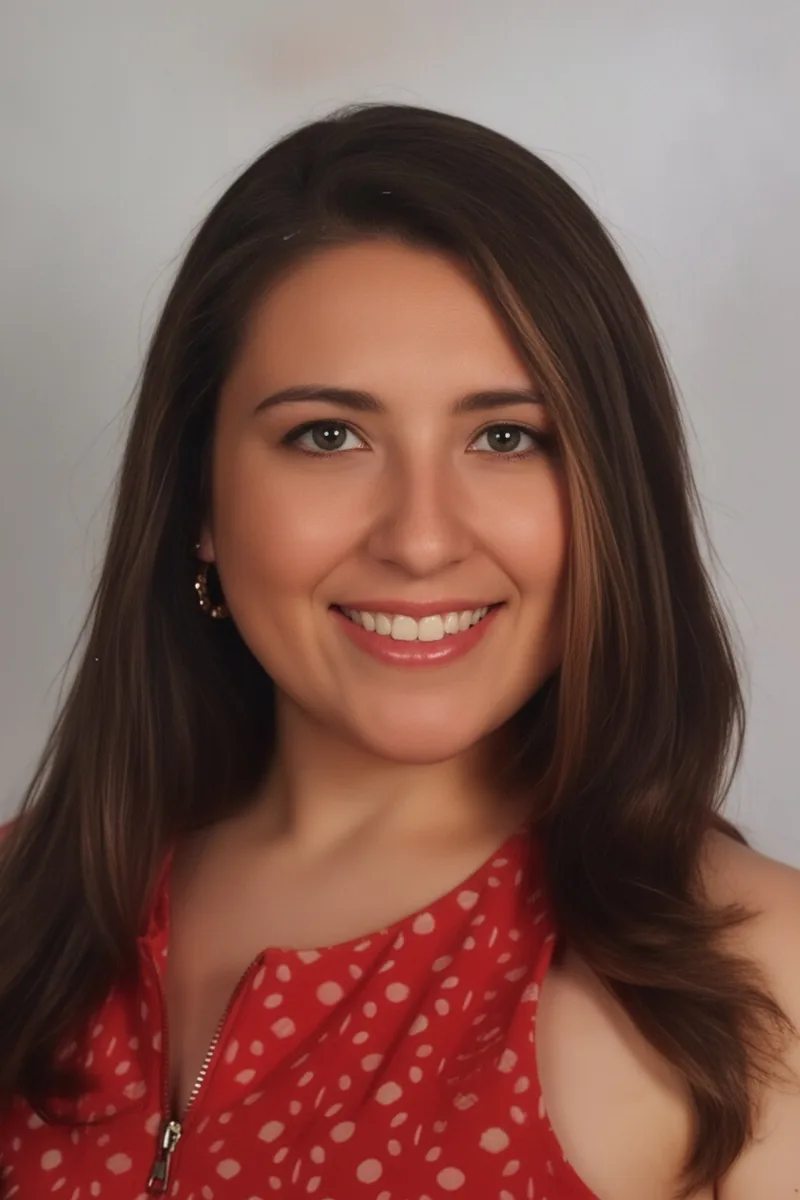
As an Asian Studies major at Duke, Caitlin engages with Japanese language in an academic context that goes beyond textbook dialogues — she understands how kanji, hiragana, and katakana each function within the writing system and why particles like は and が trip up English speakers. She walks through sentence structure and honorific levels with cultural context that makes the grammar patterns memorable.
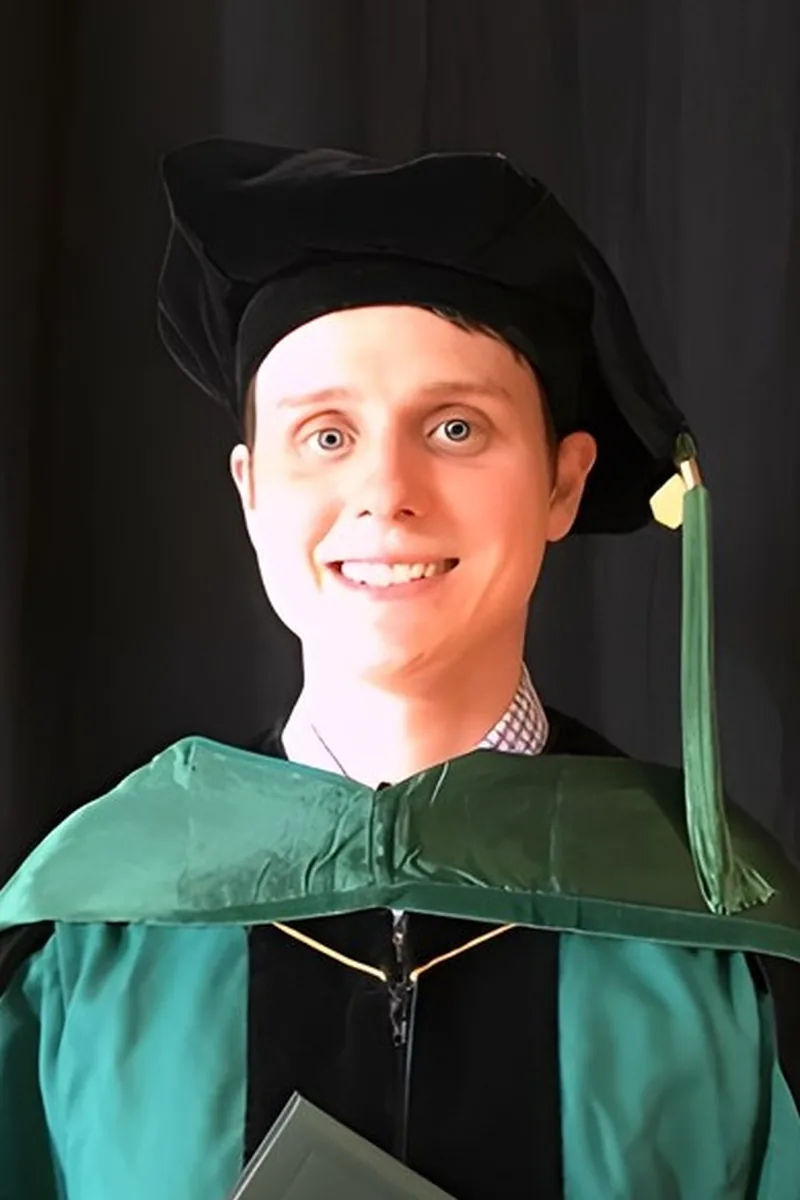
Having majored in Japanese at SUNY Albany, James doesn't just know the language — he understands the grammar architecturally, from particle usage and verb conjugation tiers to the nuances of honorific speech. He teaches reading and writing through cultural context, connecting kanji compounds to their historical roots so students retain them long-term rather than cramming and forgetting. Rated 4.9 by students.
Damien studied Asian studies at Cornell, where Japanese language and culture were central to his coursework. He approaches the language by grounding grammar patterns — particles like は versus が, verb conjugation groups, and sentence-ending forms — in real context so they stick. Rated 5.0 by students, he makes the jump from textbook exercises to actual comprehension feel manageable.
Triple-majoring in Japanese, linguistics, and computer science at UMass Amherst, Connor brings both fluency and analytical rigor to teaching the language. He unpacks grammar patterns like particle usage and verb conjugation groups by connecting them to the underlying logic of how Japanese sentences are built — making new structures easier to internalize and recall.
Learning Japanese means juggling three writing systems, a grammar structure that's the reverse of English, and cultural nuances that change how you speak depending on who you're talking to. Natasha taught Japanese at the high school level and lived in Japan teaching in elementary schools, giving her the kind of practical fluency that makes hiragana drills, particle usage, and conversational practice feel grounded in real life. She's 5.0-rated and works with beginners through advanced learners.
I am also fluent (reading/listening/writing) in Cantonese and mandarin Chinese because of my upbringing. Half of my childhood education was received in Hong Kong and the other half was in Australia.
I'm back at school at NYU, studying for a more general liberal arts degree.
Most students stall in Japanese once they move past hiragana and katakana into kanji recognition and grammatical particles like は versus が. Wahala minors in Japanese at Indiana University Bloomington and treats the language as a system to decode — connecting sentence structure, verb conjugation patterns, and cultural context so that reading and conversation reinforce each other.
Few Japanese tutors can combine formal academic study with real teaching experience in Japan — Sophie has both. Her East Asian Studies work at Princeton included intensive Japanese language training, and she spent time teaching English in Japan, which gave her deep familiarity with how the two languages map onto (and diverge from) each other. She tackles everything from hiragana and katakana basics to particle usage and keigo politeness levels.
Darin brings an analytical learner's perspective to Japanese, tackling the language's grammar patterns and writing systems with the same systematic approach he applied to his scientific training. For students working through hiragana, katakana, kanji recognition, or verb conjugation, he offers structured methods that make consistent progress feel achievable.
Though her degrees are in biology and science education, Sarah lists Japanese among her interests and brings a teacher's instinct for breaking complex systems into learnable parts — useful when students are wrestling with hiragana stroke order or the logic behind particle placement. Her 5.0 rating and four years of classroom teaching mean she knows how to pace a lesson and adjust when something isn't landing.
Most students learning Japanese hit a wall somewhere between mastering hiragana and actually constructing sentences with particles, verb conjugations, and counters. Kai has been teaching Japanese through the student organization meetings on campus, building lessons that move learners from basic self-introductions to reading short passages and holding simple conversations.
I currently work for an afterschool enrichment program (Best Brains) tutoring elementary English and math, and I have 4+ years of experience as a private ESL tutor for both children and adults. I am working toward my Masters of Science in Secondary English Education and ESL at the University of Wisconsin- Madison. I graduated from the University of Oregon with a Bachelor of Arts in Comparative World Literature and Japanese, and from the University of Wisconsin-Madison with a Master of Arts in Japanese Language and Literature. I began tutoring while I was in high school, assisting with algebra homework. In college, I volunteered as a kindergarten reading assistant through a program called Start Making a Reader Today. I later volunteered while in graduate school at a local high school tutoring students in beginner Japanese. I have also been employed by the University of Wisconsin as a Teaching Assistant, and taught in Religious Studies and East Asian Studies. In all cases, it has been a pleasure watching students progress in their academics and to see them grow as young scholars. I especially enjoy teaching language arts because of the feeling of connection that language can bring. My favorite part of teaching is seeing the smiling face of someone the moment that they finally "get" something they've been struggling with and watching their confidence boost. In my free time, I host a small book club, pen pal with friends around the world, and try my hand at new recipes.
I would like to work with people who want to advance their Japanese knowledge and capabilities. I have lived for 18 years in Japan and can guide someone through the intricacies of the language. I have certified top level proficiency on the Japan Foundation Japanese Proficiency Test.
Testimonials
Because the right Japanese tutor makes all the difference.
Average Session Rating – Based on 3.4M Learner Ratings
Nearby Japanese Tutors
Other Port St. Lucie Tutors
Related Languages Tutors in Port St. Lucie
Frequently Asked Questions
Fluency depends on your starting point and learning intensity, but the U.S. Foreign Service Institute estimates around 2,200 hours of study to reach professional proficiency in Japanese. With personalized 1-on-1 instruction, you can accelerate progress by focusing on your specific goals—whether that's conversational ability, business Japanese, or exam preparation. Most students see meaningful progress in speaking and listening within a few months of consistent practice.
In a classroom setting with Port St. Lucie's average student-teacher ratio of 17.8:1, individual speaking time is limited. Personalized tutoring gives you dedicated conversation practice every session, allowing tutors to correct pronunciation, model natural speech patterns, and respond to your specific questions in real time. This direct feedback is essential for developing confidence and reducing the accent barriers many English speakers face with Japanese.
Japanese verb conjugation can feel overwhelming because verbs change based on tense, politeness level, and context. Expert tutors break down these patterns systematically, showing you the logic behind conjugations rather than just memorizing rules. They also teach you when to use formal vs. casual speech, which is crucial for natural communication and often overlooked in textbooks.
Spaced repetition and active recall—retrieving words from memory rather than just reviewing them—are proven to stick vocabulary in long-term memory. Tutors use these techniques by incorporating new words into conversation practice, having you use vocabulary in sentences, and revisiting words across multiple sessions. This approach is far more effective than memorizing word lists alone.
Most learners start with hiragana and katakana (the phonetic scripts), then gradually introduce kanji. Expert tutors tailor the pace to your goals—if you're preparing for the JLPT exam or need business Japanese, they'll prioritize kanji earlier. Personalized instruction ensures you're not overwhelmed while building a strong foundation across all three writing systems.
Absolutely. Understanding Japanese culture—social customs, honorifics, context-dependent speech—makes the language make sense. Tutors often weave cultural context into lessons, explaining why certain phrases are used in specific situations and how respect and politeness are embedded in the language itself. This immersion-style approach helps you communicate authentically, not just mechanically.
Your first session is an assessment and goal-setting conversation. Tutors will evaluate your current level across reading, writing, speaking, and listening, then discuss your objectives—whether that's conversational fluency, exam prep, or professional communication. They'll create a personalized learning plan tailored to your pace and priorities, so every session after that is focused and efficient.
Yes. Tutors experienced with Japanese proficiency exams understand the specific skills and content tested at each level (N1-N5 for JLPT). They'll focus on test-taking strategies, high-frequency vocabulary and grammar for your target level, and timed practice to build confidence. Personalized instruction lets you concentrate on your weak areas rather than reviewing material you've already mastered.
Let’s find your perfect tutor
Answer a few quick questions. We’ll recommend the right plan and match you with a top 5% tutor.