Award-Winning Japanese Tutors
serving Palm Bay, FL
Japanese
Tutors in Palm Bay
Private 1-on-1 tutoring, weekly live classes for academic support, test prep & enrichment, practice tests and diagnostics, and more to elevate grades and test scores.
Based on 3.4M Learner Ratings
UniversitiesSchools & Universities
DeliveredHours Delivered
ProficiencyGrowth in Proficiency
Who needs tutoring?
No obligation. Takes ~1 minute.
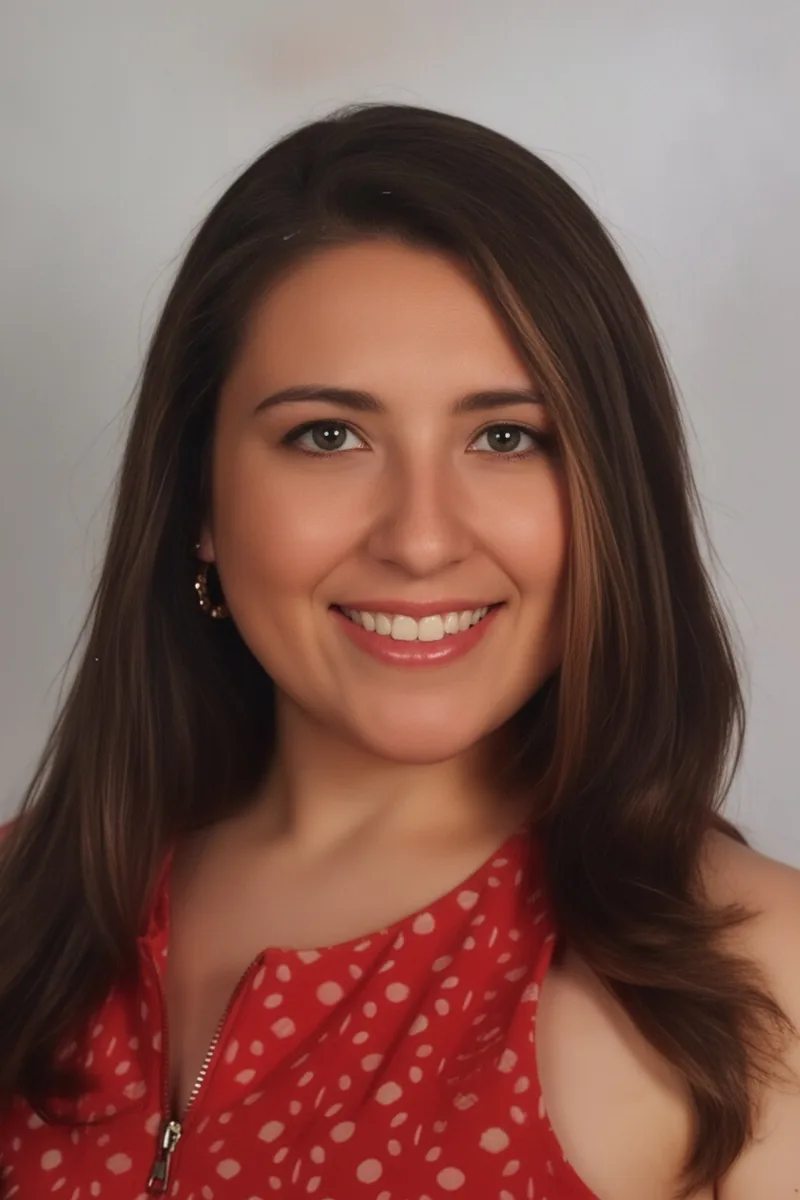
As an Asian Studies major at Duke, Caitlin engages with Japanese language in an academic context that goes beyond textbook dialogues — she understands how kanji, hiragana, and katakana each function within the writing system and why particles like は and が trip up English speakers. She walks through sentence structure and honorific levels with cultural context that makes the grammar patterns memorable.
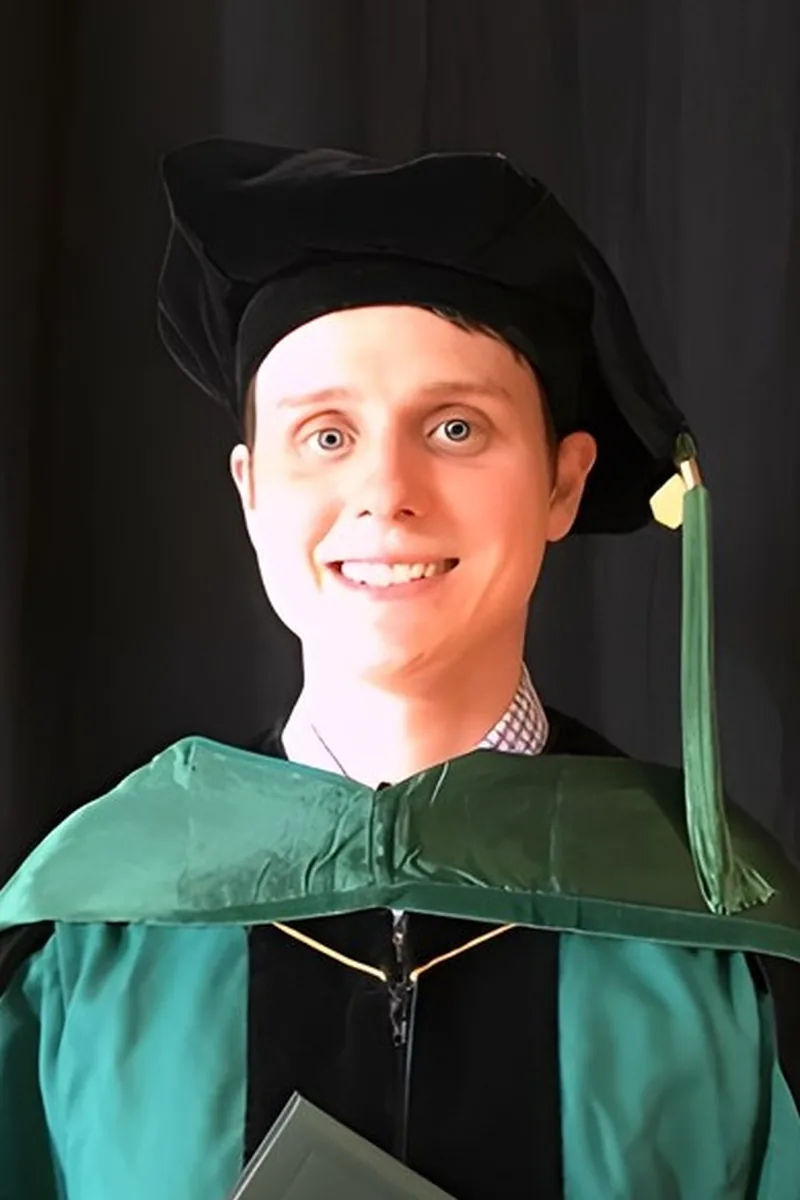
Having majored in Japanese at SUNY Albany, James doesn't just know the language — he understands the grammar architecturally, from particle usage and verb conjugation tiers to the nuances of honorific speech. He teaches reading and writing through cultural context, connecting kanji compounds to their historical roots so students retain them long-term rather than cramming and forgetting. Rated 4.9 by students.
As a native Japanese speaker with over fifty years of fluency in reading, writing, and conversation, Hatsuki teaches the language the way it's actually used — from particle usage and keigo (honorific speech) to the nuances between hiragana, katakana, and kanji in everyday contexts. She currently lives in the U.S. with her family, giving her a natural understanding of where English speakers stumble with Japanese grammar and pronunciation.
I'm a student at Brown University with an eclectic set of interests. I am trilingual, analytical, and creative and look forward to tutoring you! :)
I'm currently a freshman at Brown University. I will most likely triple major in Ancient Greek & Sanskrit, Latin, and Japanese. I have had lots of experience tutoring those around me, such as friends, peers, and class mates, and I have always enjoyed seeing their progress as students. My tutoring experiences include after-school assistance to those struggling in Ancient Greek at my former high school, to helping Juniors and Sophomores help ace the SAT. My specialty is language and history, with an emphasis on Japanese, English, Latin, US history and World History, but I am also more than happy to help out those struggling with Algebra and Geometry. As someone who was once an ESL student himself, I believe that a good education rests upon the ability to comprehend, interact, and apply ideas. Besides academic matters, I am also fond of running, calisthenics, and Enka music.
Hi! It's Wataru. I am originally from Japan and have been living in New York since 2000. I had a career as an industrial newspaper pressman/editor in Tokyo so that I know newspaper level strict grammar and manner of business speech. I watch anime and I can talk about Japanese subculture with you if you like. I have been teaching Japanese language in person and online. I have taught from beginners to JLPT N3 certificate prep students. I've taught American, Canadian, English, Indian, German, Australian, Mexican, and so on. Teaching is one of my way to feel the joy of supporting people. I'll help you master the language and dive into Japanese culture and subculture. Once you start to think in Japanese, you will notice that your way of communication changes. English is good for business, law, and science while Japanese is more about sharing feelings. The waiters in Japan may be reluctant to serve your table, but my students prepare well to make them feel at ease and they have fantastic travel in Japan.
Learning Japanese means juggling three writing systems, a grammar structure that's the reverse of English, and cultural nuances that change how you speak depending on who you're talking to. Natasha taught Japanese at the high school level and lived in Japan teaching in elementary schools, giving her the kind of practical fluency that makes hiragana drills, particle usage, and conversational practice feel grounded in real life. She's 5.0-rated and works with beginners through advanced learners.
Between his East Asian Studies major at Harvard, his presidency of the Harvard College Japan Initiative, and his work in the Yenching Library's Japanese Collection, Shane lives and breathes Japanese. He reads novels and plays games in Japanese for fun, which means he teaches the language the way it's actually used — from kanji recognition and particle usage to the register shifts that textbooks barely cover.
Darin brings an analytical learner's perspective to Japanese, tackling the language's grammar patterns and writing systems with the same systematic approach he applied to his scientific training. For students working through hiragana, katakana, kanji recognition, or verb conjugation, he offers structured methods that make consistent progress feel achievable.
Growing up attending the Japanese Weekend School of New Jersey while enrolled in American public schools, Hidefusa developed native-level fluency in both languages and a deep understanding of where English speakers stumble with Japanese. He teaches everything from hiragana and katakana basics to kanji recognition, particle usage, and keigo (formal speech) — drawing on the bilingual instincts of someone who has lived in both linguistic worlds.
An Asian Studies degree gave Andrew sustained exposure to Japanese language and culture throughout his undergraduate work, and he pairs that academic grounding with fluency in Mandarin Chinese to bring a comparative lens to East Asian language learning. He's particularly good at creating a low-pressure environment for speaking and reading practice — the kind of space where students actually start producing sentences instead of freezing up over perfect particle placement.
Mechanical engineering at the University of Dayton doesn't obviously connect to Japanese, but Nicholas's systematic problem-solving mindset lends itself well to breaking down kanji radicals, verb conjugation groups, and particle logic into repeatable patterns. He's also genuinely social and talkative — a trait that matters more than you'd think when practicing conversational Japanese, where comfort with speaking aloud is half the battle.
As a dedicated language tutor with several years of experience, I bring both expertise and enthusiasm to every lesson. I specialize in Chinese, Japanese, and basic Arabic, and I have had the privilege of guiding students of diverse ages and backgrounds through their language-learning journeys.
Few Japanese tutors can combine formal academic study with real teaching experience in Japan — Sophie has both. Her East Asian Studies work at Princeton included intensive Japanese language training, and she spent time teaching English in Japan, which gave her deep familiarity with how the two languages map onto (and diverge from) each other. She tackles everything from hiragana and katakana basics to particle usage and keigo politeness levels.
Testimonials
Because the right Japanese tutor makes all the difference.
Average Session Rating – Based on 3.4M Learner Ratings
Nearby Japanese Tutors
Other Palm Bay Tutors
Related Languages Tutors in Palm Bay
Frequently Asked Questions
Fluency depends on your starting point and study intensity. The U.S. Foreign Service Institute estimates approximately 2,200 hours of study to reach professional proficiency in Japanese—one of the longer timelines due to the three writing systems (hiragana, katakana, and kanji). With consistent personalized 1-on-1 instruction combined with regular practice, many students accelerate their progress significantly. A tutor can help you focus on the skills you need most, whether that's conversational fluency, reading comprehension, or exam preparation.
In a typical classroom setting with 16-17 students per teacher, most students get minimal speaking time. Personalized 1-on-1 instruction allows you to practice conversation in real-time, receive immediate feedback on pronunciation and grammar, and build confidence speaking naturally. This active speaking practice is essential for developing listening comprehension and internalizing natural speech patterns—skills that can't be fully developed through textbook study alone.
The most effective approach combines both. Grammar rules provide the foundation for understanding sentence structure and verb conjugation patterns, but natural usage—learning how native speakers actually speak—helps you sound authentic and understand context-dependent nuances. A skilled tutor balances explicit grammar instruction with conversational practice and cultural context, helping you internalize patterns rather than just memorizing rules.
Kanji mastery requires spaced repetition and multiple exposures across different contexts—reading, writing, and speaking. Rather than memorizing lists in isolation, effective tutoring connects kanji to real vocabulary, shows you common radicals and patterns, and integrates them into sentences you'll actually use. Personalized instruction lets a tutor identify which characters and words are most relevant to your goals, whether that's conversational fluency, JLPT exam prep, or academic study.
Japanese pronunciation is relatively consistent once you master the sound system, but pitch accent and natural rhythm differ significantly from English. Working with a tutor provides real-time feedback on your pronunciation, helps you hear and replicate subtle differences in pitch and intonation, and builds muscle memory through repeated practice. This one-on-one feedback is invaluable—it's difficult to self-correct without an expert ear to guide you.
Yes. While true immersion means living in Japan, personalized tutoring can create an immersive experience by conducting lessons primarily in Japanese, incorporating cultural context, using authentic materials, and simulating real-world conversations. A tutor can tailor the immersion level to your proficiency—starting with English support for beginners and gradually increasing Japanese-only instruction as you progress. This targeted approach helps you develop practical communication skills faster than traditional classroom settings.
The Japanese Language Proficiency Test (JLPT) has five levels (N5 to N1), each requiring specific vocabulary, kanji, and grammar knowledge. A tutor can assess your current level, identify gaps, focus on high-frequency test content, and teach test-taking strategies for the reading, listening, and grammar sections. Personalized instruction is particularly valuable for JLPT prep because you can concentrate on your weakest areas rather than spending time on skills you've already mastered.
Language and culture are inseparable. Understanding Japanese honorifics, politeness levels, and social context helps you use language appropriately and comprehend nuances that grammar rules alone can't explain. A tutor can teach you when to use formal versus casual speech, explain cultural references in conversations, and help you understand why certain phrases are used in specific situations. This cultural foundation makes your learning more meaningful and helps you communicate authentically with native speakers.
Let’s find your perfect tutor
Answer a few quick questions. We’ll recommend the right plan and match you with a top 5% tutor.