Award-Winning AP Spanish Literature and Culture Tutors
serving Port St. Lucie, FL
AP Spanish Literature and Culture
Tutors in Port St. Lucie
Private 1-on-1 tutoring, weekly live classes for academic support, test prep & enrichment, practice tests and diagnostics, and more to elevate grades and test scores.
Based on 3.4M Learner Ratings
UniversitiesSchools & Universities
DeliveredHours Delivered
ProficiencyGrowth in Proficiency
Who needs tutoring?
No obligation. Takes ~1 minute.
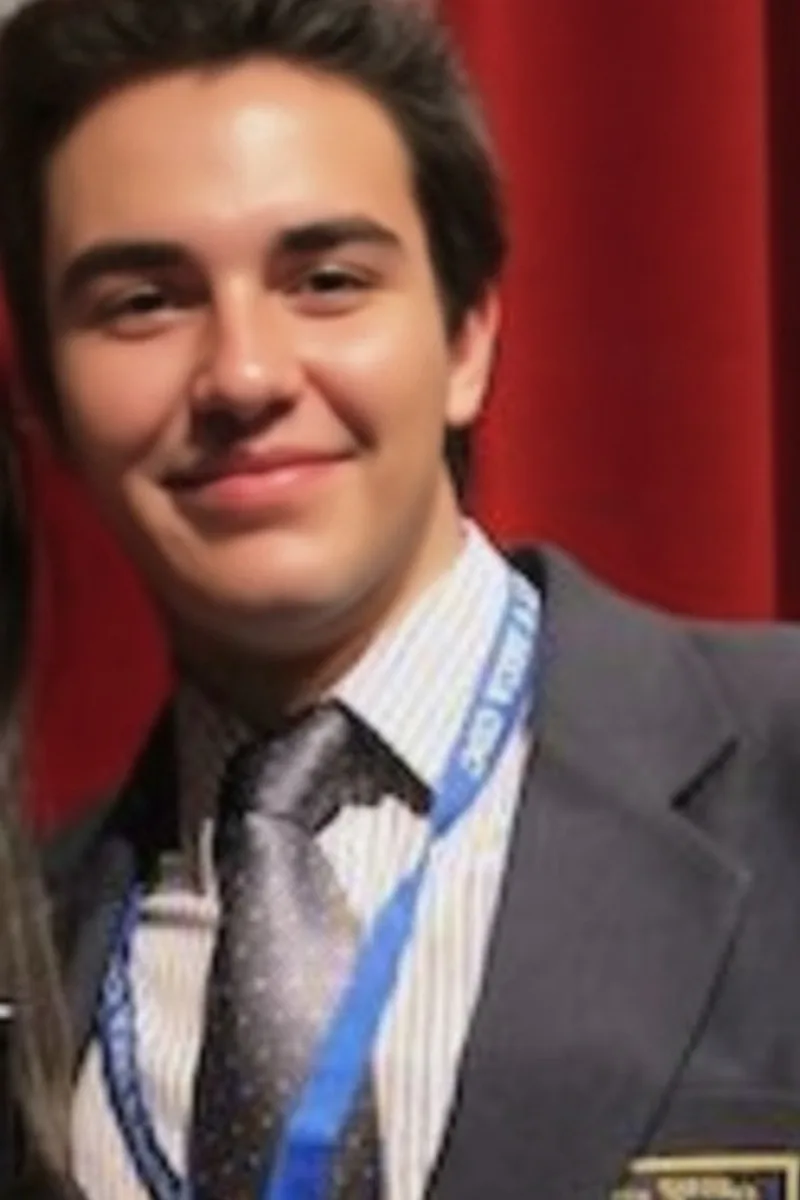
Fully fluent in Spanish and studying at the University of Chicago, Emerson brings genuine literary analysis skills to AP Spanish Literature and Culture — from unpacking the magical realism in García Márquez to dissecting the poetry of Sor Juana Inés de la Cruz. He teaches students to write the kind of analytical essays the AP exam rewards, connecting themes across literary periods in clear, well-structured Spanish prose.
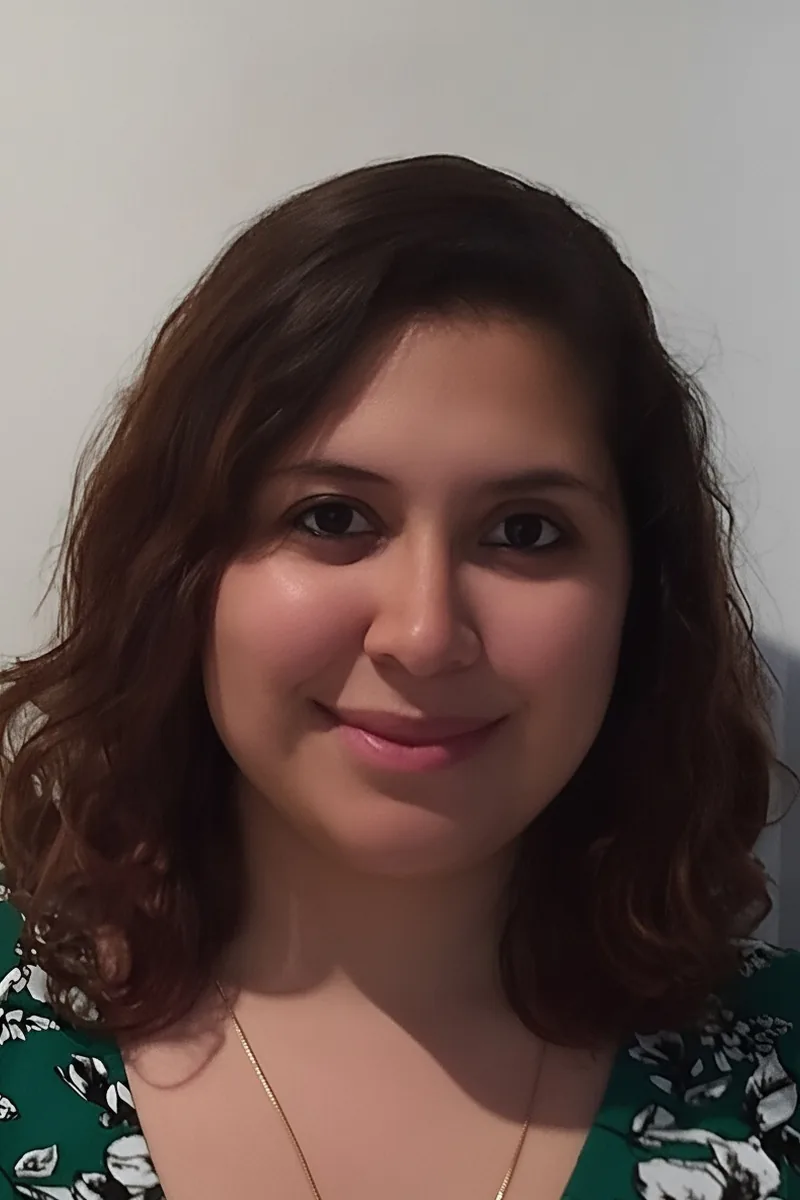
Adriana's biochemistry and history double major at Rice might seem unusual preparation for literary analysis, but dissecting historical arguments and scientific texts in two languages built exactly the kind of rigorous close-reading this exam rewards. Fluent in Spanish and holding a 5.0 tutoring rating, she walks students through the timed analytical essay process — constructing thesis-driven arguments about works on the AP reading list entirely in Spanish, with attention to both literary devices and the cultural contexts behind them.
Growing up as a native Spanish speaker and completing AP Spanish Literature coursework through the IB program, Solange reads and analyzes texts by authors like Cervantes and Borges in their original language without defaulting to English translation as a bridge. She teaches students to move between close reading of poetic form and constructing timed analytical essays — the exact skill set the exam's free-response section rewards. Rated 5.0 by students.
English and journalism training at UChicago sharpened Isabella's ability to dissect how authors construct arguments and layer meaning — skills that transfer directly to analyzing AP reading list texts, even though Spanish literature isn't her primary lane. For students who already have strong Spanish fluency but struggle with the essay side of the exam (building a thesis, structuring evidence-based paragraphs under time pressure), her 5.0 rating and deep experience coaching college-level writing make her a practical fit.
Courtney earned her Master's in Hispanic and Latin American Languages alongside a BA in Spanish and Iberian Studies — meaning the literary periods, genres, and cultural movements on the AP reading list aren't exam prep material for her, they're the core of her academic training. She teaches students to build analytical essays in Spanish that connect a text's formal choices to the broader tradition it belongs to, whether that's tracing magical realism's roots in a passage or identifying how a Golden Age sonnet's structure reinforces its argument.
Studying political science sharpened Claire's ability to read texts as arguments — identifying how authors use structure, rhetoric, and cultural context to advance a point of view, which is exactly the analytical muscle the AP Spanish Literature free-response essays test. She tutors across four levels of both Spanish and French, so she's comfortable conducting literary discussion and essay practice in the target language. Rated 5.0 by students.
Growing up as a native Spanish speaker and writer while simultaneously studying English literature and theater at Bowdoin gave Alex an unusual double fluency — literary analysis skills honed in two languages at once, which is precisely what this exam's timed essays in Spanish demand. His graduate work in biology might seem unrelated, but the evolutionary and bioanthropological lens he brings to questions of cultural identity and human experience adds unexpected depth when unpacking themes in reading list works from Quiroga to Allende. Rated 4.8 by students.
Molecular biology and literary analysis share more than people think — both require pulling apart complex structures to understand how smaller components create meaning. Alana's science training sharpens how she teaches students to dissect a passage's formal choices, and her Spanish coursework through AP-level literature means she can coach essay construction and textual analysis in the target language. Rated 5.0 by students.
Honestly, AP Spanish Literature and Culture isn't Courtney's deepest specialty — her Spanish minor and SAT Spanish Subject Test tutoring give her solid language skills, but this exam's literary canon demands a level of cultural and analytical depth that goes beyond language proficiency alone. For students who need help with the foundational Spanish reading and writing fluency that supports literary analysis, or who want structured practice organizing timed essays, her 34 ACT and 5.0 rating reflect serious analytical chops she can apply to argument construction and textual evidence work.
Having double-majored in Spanish at Washington University, Megan brings deep literary fluency to AP Spanish Literature and Culture — from close reading of García Márquez's magical realism to analyzing the cultural context behind Sor Juana's poetry. She walks students through the essay and presentational speaking rubrics so they know exactly what earns top scores on exam day.
Currently pursuing a graduate degree in Spanish & Portuguese Languages & Cultures while holding a BA in Spanish and French, Mia lives inside the literary and cultural traditions this exam covers — she's not just reviewing the reading list, she's actively studying the broader canon it draws from. That depth means she can teach students how a work's grammar and syntax choices carry meaning, turning close-reading instincts into the kind of thesis-driven essays the free-response section rewards. Rated 5.0 by students.
Growing up schooled in Mexico means Alfonso didn't just learn Spanish — he absorbed the literary and cultural traditions that underpin the AP reading list, from colonial-era texts to modern Latin American prose. His years of formal Spanish-language education give him native-level reading and writing fluency that sharpens how he teaches students to construct analytical essays entirely in Spanish, grounding arguments in the cultural contexts he experienced firsthand.
Learning Spanish from scratch starting in second grade and continuing through a medical Spanish interpreting internship at Rice, Sanjay knows exactly where non-native speakers stumble when reading dense literary texts — the archaic syntax in a Cervantes passage or the layered metaphor in a Darío poem. That outsider-turned-fluent trajectory gives him a toolbox of strategies for breaking down AP reading list works into manageable pieces, especially for students who feel intimidated writing timed analytical essays entirely in Spanish. His biochemistry and molecular biology degree from Rice also means he's no stranger to rigorous close reading across disciplines.
A PhD in Spanish & Portuguese means Casey has spent years inside the texts that define this exam — from medieval romances and Sor Juana's baroque poetry to García Márquez's magical realism and Borges's labyrinths. She teaches students to build the kind of close-reading arguments in Spanish that earn top scores on the literary analysis free-response questions. Rated 5.0 by students.
A biology major who also tutors across five levels of Spanish — from beginner through AP Language and AP Literature — Mikkel brings the same analytical precision he uses in organic chemistry to dissecting how a Borges story or a Sor Juana poem builds its argument through structure and language. His 4.8 rating suggests that methodical, science-trained approach to breaking down texts and constructing timed essays in Spanish works well for students who want clear frameworks rather than impressionistic literary hand-waving.
Four years of TA'ing Spanish at Dartmouth using the Rassias method — an approach built around verb structure, syntax, and pronunciation drills — gave Elise an instinct for how language mechanics shape literary meaning, which is exactly what the AP exam's analytical essays reward. Her Comparative Literature degree with a Spanish concentration means she's trained to read across traditions and trace how formal choices in a Sor Juana sonnet or a Rulfo story carry thematic weight. Rated 5.0 by students.
As a native Spanish speaker pursuing a PhD at Rice, Mariane conducts literary analysis in the language she grew up thinking in — an advantage when students need to parse the subtle connotations in a Neruda ode or the layered irony of a Borges narrative. Her scientific training in biochemistry might seem unrelated, but it sharpened a habit of precise, evidence-based argumentation that transfers directly to constructing thesis-driven AP essays under timed conditions. Rated 4.9 by students.
Testimonials
Because the right AP Spanish Literature and Culture tutor makes all the difference.
Average Session Rating – Based on 3.4M Learner Ratings
Nearby AP Spanish Literature and Culture Tutors
Other Port St. Lucie Tutors
Related Languages Tutors in Port St. Lucie
Frequently Asked Questions
AP Spanish Literature and Culture focuses on reading, analyzing, and discussing Spanish-language literature from Spain and Latin America. The course covers six thematic units: families and communities, personal and public identities, fairness and social justice, beliefs, values, and aesthetics, scientific and technical innovation, and global challenges. Students engage with novels, short stories, poetry, and plays while developing advanced comprehension and analytical writing skills.
The exam consists of two sections: Multiple Choice (50% of score) and Free Response (50% of score). The multiple choice section includes reading comprehension passages with 30 questions, while the free response section requires students to write two essays—one analyzing a literary passage and one comparing two works. Understanding the timing and format of each section is crucial for test day success.
Many students struggle with the advanced vocabulary and cultural nuances in classic Spanish literature, as well as analyzing literary devices in a non-native language. Time management is another common challenge—students often spend too long on difficult passages during the multiple choice section, leaving insufficient time for essays. Additionally, writing analytical essays in Spanish that meet AP standards requires both strong language skills and critical thinking abilities.
Score improvement depends on your starting point and commitment level. Students who work with tutors on targeted strategies—such as identifying key literary elements quickly, managing exam timing, and strengthening essay structure—typically see meaningful gains. Many students improve by 1-2 score points (on the 1-5 scale) when they focus on their specific weak areas, whether that's reading comprehension speed, essay organization, or cultural context understanding.
Come ready to discuss which sections of the exam challenge you most—whether it's understanding complex literary passages, managing time during the multiple choice section, or organizing your essays. Bring any practice tests you've taken or class materials that highlight areas where you need support. It's also helpful to share your target score and timeline, so tutors can create a personalized study plan that addresses your priorities.
Practice tests are essential for success on this exam. They help you understand the question formats, identify which literary concepts you need to review, and build confidence with timing. Taking full-length practice tests under timed conditions allows you to experience the actual exam pressure and adjust your pacing strategy before test day. Tutors can use your practice test results to pinpoint specific areas—like analyzing certain literary devices or essay organization—that need focused attention.
Yes—essay writing is a critical component of the exam and a key area where tutors can provide targeted feedback. Tutors can help you develop a clear thesis, organize your analysis of literary elements, and strengthen your Spanish writing mechanics. They'll also teach you how to write compelling essays under timed conditions and help you understand what AP graders are looking for in top-scoring responses.
Varsity Tutors connects you with expert tutors who specialize in AP Spanish Literature and Culture and understand the specific demands of the exam. You can share your goals, timeline, and preferred meeting schedule, and we'll match you with a tutor experienced in helping Port St. Lucie students prepare for this challenging course. The personalized 1-on-1 instruction allows tutors to focus on your unique strengths and areas for improvement.
Let’s find your perfect tutor
Answer a few quick questions. We’ll recommend the right plan and match you with a top 5% tutor.