Award-Winning AP Spanish Literature and Culture Tutors
serving Cape Coral, FL
AP Spanish Literature and Culture
Tutors in Cape Coral
Private 1-on-1 tutoring, weekly live classes for academic support, test prep & enrichment, practice tests and diagnostics, and more to elevate grades and test scores.
Based on 3.4M Learner Ratings
UniversitiesSchools & Universities
DeliveredHours Delivered
ProficiencyGrowth in Proficiency
Who needs tutoring?
No obligation. Takes ~1 minute.
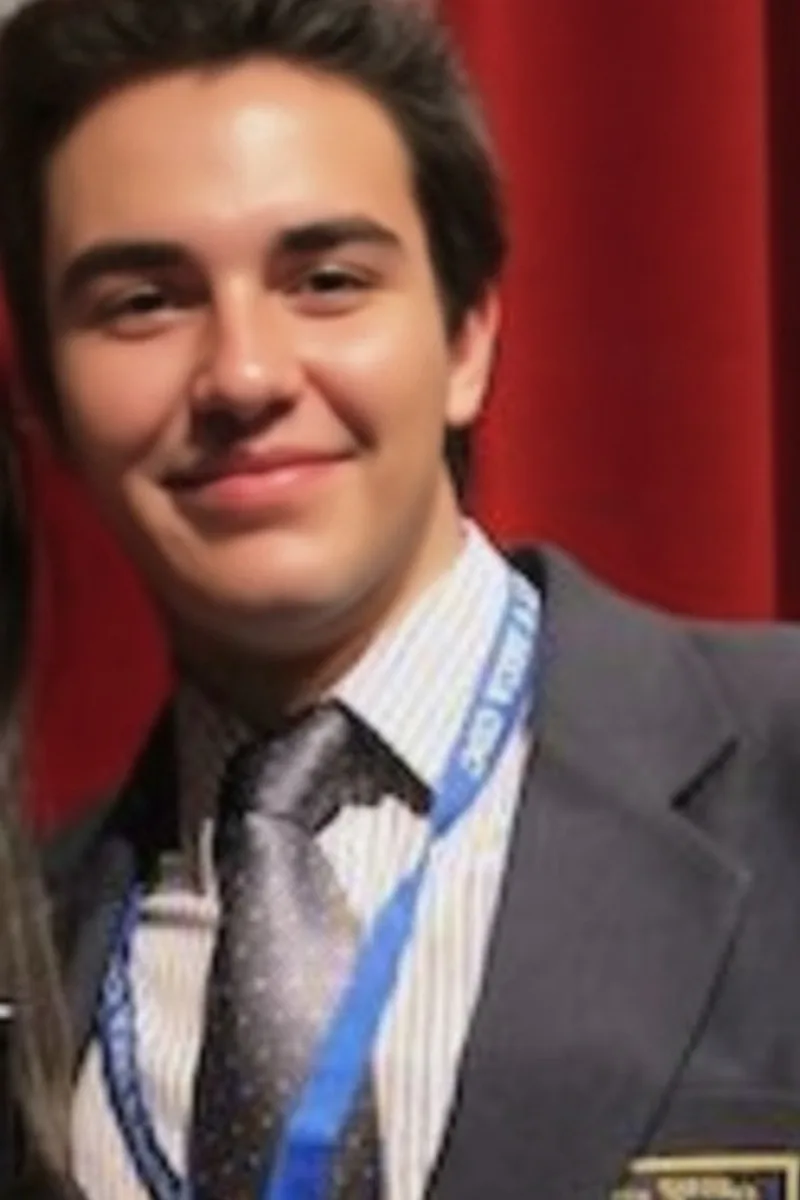
Fully fluent in Spanish and studying at the University of Chicago, Emerson brings genuine literary analysis skills to AP Spanish Literature and Culture — from unpacking the magical realism in García Márquez to dissecting the poetry of Sor Juana Inés de la Cruz. He teaches students to write the kind of analytical essays the AP exam rewards, connecting themes across literary periods in clear, well-structured Spanish prose.
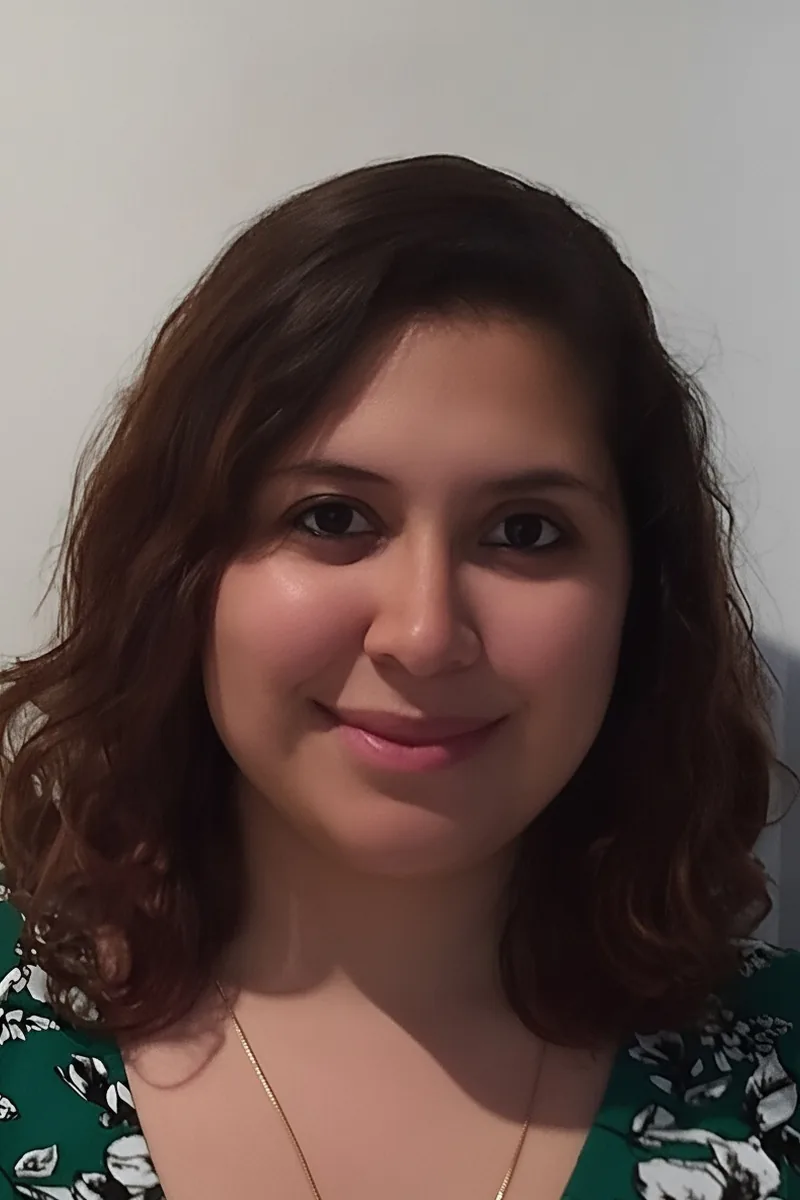
Adriana's biochemistry and history double major at Rice might seem unusual preparation for literary analysis, but dissecting historical arguments and scientific texts in two languages built exactly the kind of rigorous close-reading this exam rewards. Fluent in Spanish and holding a 5.0 tutoring rating, she walks students through the timed analytical essay process — constructing thesis-driven arguments about works on the AP reading list entirely in Spanish, with attention to both literary devices and the cultural contexts behind them.
Growing up as a native Spanish speaker and completing AP Spanish Literature coursework through the IB program, Solange reads and analyzes texts by authors like Cervantes and Borges in their original language without defaulting to English translation as a bridge. She teaches students to move between close reading of poetic form and constructing timed analytical essays — the exact skill set the exam's free-response section rewards. Rated 5.0 by students.
English and journalism training at UChicago sharpened Isabella's ability to dissect how authors construct arguments and layer meaning — skills that transfer directly to analyzing AP reading list texts, even though Spanish literature isn't her primary lane. For students who already have strong Spanish fluency but struggle with the essay side of the exam (building a thesis, structuring evidence-based paragraphs under time pressure), her 5.0 rating and deep experience coaching college-level writing make her a practical fit.
Courtney earned her Master's in Hispanic and Latin American Languages alongside a BA in Spanish and Iberian Studies — meaning the literary periods, genres, and cultural movements on the AP reading list aren't exam prep material for her, they're the core of her academic training. She teaches students to build analytical essays in Spanish that connect a text's formal choices to the broader tradition it belongs to, whether that's tracing magical realism's roots in a passage or identifying how a Golden Age sonnet's structure reinforces its argument.
James's finance and marketing degrees aren't the obvious path to AP Spanish Literature — but his coursework through AP Spanish Literature and Culture plus Spanish 4 and his experience teaching across every level of the language mean he knows the reading list and can coach essay construction in Spanish. Where he adds unexpected value is in the argumentative structure side: building a persuasive, evidence-driven thesis under time pressure is something his business training reinforced from a different angle, and that discipline transfers directly to the AP free-response section.
Reading Cervantes or García Márquez in the original Spanish requires more than vocabulary — it demands understanding of literary movements, rhetorical devices, and cultural context across centuries of Latin American and Peninsular writing. Fiona's time studying in Spain, Argentina, Panama, and Cuba gives her firsthand familiarity with the regional voices and traditions that appear on the AP exam's reading list.
A double major in Spanish and Government means Sarah studied the language at an advanced level while also learning to build the kind of thesis-driven, evidence-based arguments that the AP exam's free-response essays demand. She's taught across every level of Spanish from introductory through AP Literature and Culture, so she knows exactly where students stumble — whether it's parsing Sor Juana's baroque syntax or structuring a timed essay on "el tiempo y el espacio" without slipping into summary. Rated 5.0 by students.
A Columbia-trained history major and certified social studies teacher, Daniel reads AP reading list texts the way a historian would — situating a Lazarillo de Tormes excerpt within its social critique or connecting Neruda's poetry to the political upheavals that shaped it. His Spanish fluency spans four levels of coursework through AP, and his background in analytical writing transfers directly to coaching the kind of thesis-driven, evidence-rich essays the exam's free-response section demands.
Studying four languages — including Armenian, which she's currently acquiring — gives Araxie a firsthand understanding of how grammar, idiom, and cultural context interact in ways that matter for close reading of AP reading list texts in Spanish. Her Linguistics major at the University of Chicago sharpens that instinct: she can teach students to notice how a poet's syntax or verb mood carries meaning, then build that observation into a structured analytical essay entirely in Spanish.
Medical school and AP Spanish Literature don't obviously connect — but Arianna's behavioral neuroscience degree with a Spanish minor means she spent years reading and writing analytically in Spanish while also studying how people process language and narrative. That combination sharpens how she teaches students to construct timed literary essays, particularly when unpacking character psychology and identity themes in works across the AP reading list. Rated 5.0 by students.
Pre-health biology majors with Hispanic Studies minors don't always land on this page — but Jaina's coursework in Spanish literature and culture, combined with the analytical rigor of her science training, gives her a structured approach to breaking down texts on the AP reading list and building essay arguments in Spanish. She's strongest as a fit for students who need help organizing their ideas under timed conditions, applying the same methodical thinking she uses in lab work to thesis construction and textual evidence. Rated 5.0 by students.
Honestly, AP Spanish Literature and Culture isn't Courtney's deepest specialty — her Spanish minor and SAT Spanish Subject Test tutoring give her solid language skills, but this exam's literary canon demands a level of cultural and analytical depth that goes beyond language proficiency alone. For students who need help with the foundational Spanish reading and writing fluency that supports literary analysis, or who want structured practice organizing timed essays, her 34 ACT and 5.0 rating reflect serious analytical chops she can apply to argument construction and textual evidence work.
Ysatris's psychology degree gives her a particular angle on the AP reading list — she's trained to analyze human behavior, which translates naturally into unpacking character motivation and identity themes in works by authors like Burgos or García Márquez. She also teaches AP Spanish Language & Culture and conversational Spanish, so essay construction and literary discussion happen in Spanish from the start. Her Magna Cum Laude honors from UIUC speak to the academic rigor she brings to timed analytical writing.
A certified former middle-school teacher with a Spanish degree and a 1590 SAT, Meagan brings strong analytical reading and writing chops to a subject that demands both — constructing literary arguments in Spanish under timed conditions. Her education policy Master's and years teaching ESL sharpen her ability to break down how language proficiency and essay structure intersect, coaching students on building thesis-driven responses to reading list texts. Rated 4.9 by students.
Reading García Márquez or Sor Juana Inés de la Cruz in the original Spanish demands more than vocabulary — it requires understanding literary movements, rhetorical devices, and the cultural contexts that shaped each work. Corey studied Latin American & Caribbean Studies alongside cognitive science at the University of Michigan, giving him both the literary background and the analytical framework to unpack AP Spanish Literature's required reading list. He connects themes across periods so students can write stronger comparative essays on exam day.
AP Spanish Literature and Culture asks students to analyze works from Cervantes to García Márquez in the target language — a challenge that demands both literary skill and genuine fluency. Philip is a fluent Spanish speaker who has also tutored the language at Carnegie Mellon for over a year, so he can unpack themes like "las sociedades en contacto" and rhetorical devices without defaulting to English. He teaches students to write analytical commentary in Spanish that earns top marks on the free-response sections.
Testimonials
Because the right AP Spanish Literature and Culture tutor makes all the difference.
Average Session Rating – Based on 3.4M Learner Ratings
Nearby AP Spanish Literature and Culture Tutors
Other Cape Coral Tutors
Related Languages Tutors in Cape Coral
Frequently Asked Questions
AP Spanish Literature and Culture focuses on reading, analyzing, and discussing literary texts in Spanish across six thematic units: Family and Community, Personal and Public Identities, Folklore, Social Institutions, Beauty and Aesthetics, and Science and Technology. Students develop skills in close reading, literary analysis, and cultural interpretation while engaging with authentic Spanish-language literature from various time periods and regions. The course emphasizes understanding how literature reflects and shapes cultural perspectives.
The exam is divided into two sections: Section I (Multiple Choice and Short Answer) and Section II (Free Response). Section I includes 40 multiple-choice questions about literary passages and a short-answer section analyzing texts. Section II consists of three free-response essays: one analyzing a passage, one comparing two texts, and one cultural analysis essay. The entire exam lasts about 3 hours, and success requires strong reading comprehension, analytical thinking, and written expression in Spanish.
Many students struggle with understanding complex literary vocabulary and figurative language in Spanish, which requires both language proficiency and literary analysis skills. Time management on the exam is another common challenge—students must read passages carefully while answering questions within strict time limits. Additionally, writing coherent essays in Spanish under pressure can be difficult for students who haven't practiced literary analysis writing extensively. Personalized tutoring helps address these specific pain points through targeted practice and strategy development.
Score improvement depends on your starting point and how consistently you work with a tutor. Students who begin tutoring in the fall typically see meaningful gains by exam day through focused practice on weak areas, whether that's vocabulary, essay writing, or test-taking strategy. Most students benefit from working with a tutor for at least 8-12 weeks before the exam, with weekly sessions allowing time to apply feedback and build confidence. Varsity Tutors connects you with expert tutors who can create a personalized study plan based on your current level and target score.
Your first session typically involves an assessment of your current Spanish proficiency, literary analysis skills, and familiarity with the AP exam format. The tutor will identify your strengths and areas for improvement—whether that's vocabulary, reading comprehension, essay writing, or test-taking strategies—and discuss your goals for the course. From there, you'll develop a personalized study plan that focuses on the topics and skills most important for your success on the AP exam.
Varsity Tutors connects you with expert tutors who have strong backgrounds in Spanish language, literature, and AP exam preparation. When you get matched with a tutor, you can discuss their experience with AP Spanish Literature and Culture, their approach to teaching literary analysis, and their track record helping students improve their scores. The right tutor will have both deep subject knowledge and the ability to explain complex literary concepts clearly while helping you develop the writing and analytical skills the AP exam requires.
Practice tests are essential for AP Spanish Literature and Culture preparation because they help you become familiar with the exam format, pacing, and question types while identifying weak areas in your knowledge. Taking full-length practice tests under timed conditions builds confidence and reveals whether you're managing time effectively across all sections. Your tutor can use practice test results to guide your study plan, focusing on the specific literary concepts, vocabulary, or essay structures where you need the most help before exam day.
While Spanish language courses focus on building conversational ability and grammar, AP Spanish Literature and Culture emphasizes analyzing complex texts, understanding cultural nuances, and expressing sophisticated ideas in written Spanish. The course requires not just language skills but also literary analysis abilities—recognizing symbolism, tone, narrative perspective, and thematic elements. Students need to write analytical essays in Spanish rather than conversational responses, which is a different skill set. A tutor can help you transition from language-focused study to the analytical and writing demands of the AP course.
Let’s find your perfect tutor
Answer a few quick questions. We’ll recommend the right plan and match you with a top 5% tutor.