Award-Winning Organic Chemistry Tutors
serving Cape Coral, FL
Organic Chemistry
Tutors in Cape Coral
Private 1-on-1 tutoring, weekly live classes for academic support, test prep & enrichment, practice tests and diagnostics, and more to elevate grades and test scores.
Based on 3.4M Learner Ratings
UniversitiesSchools & Universities
DeliveredHours Delivered
ProficiencyGrowth in Proficiency
Who needs tutoring?
No obligation. Takes ~1 minute.
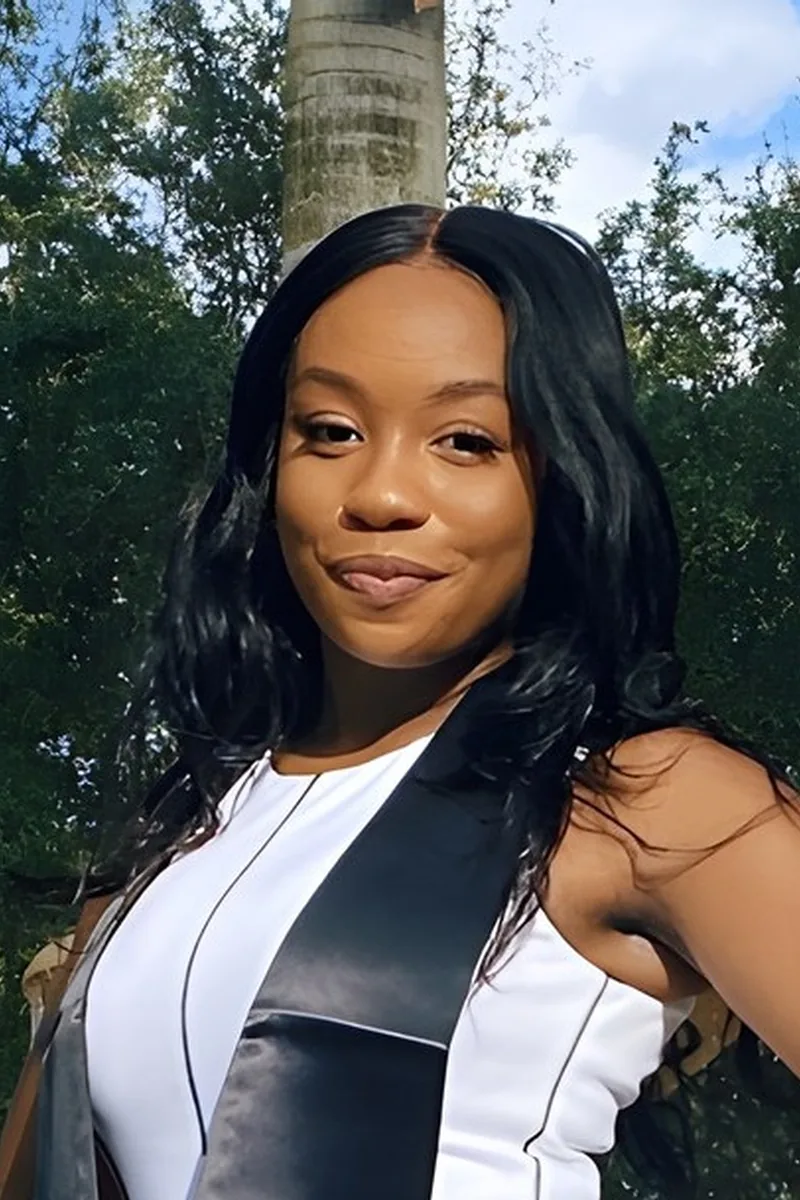
Amira's neuroscience degree at Northwestern required her to master organic chemistry from both the chemistry and biological sides — understanding how functional groups on neurotransmitters determine receptor binding, how drug metabolism depends on carbonyl reactivity, and why stereochemistry matters at the molecular level. That dual perspective lets her teach synthesis and mechanism problems with concrete examples students actually remember.
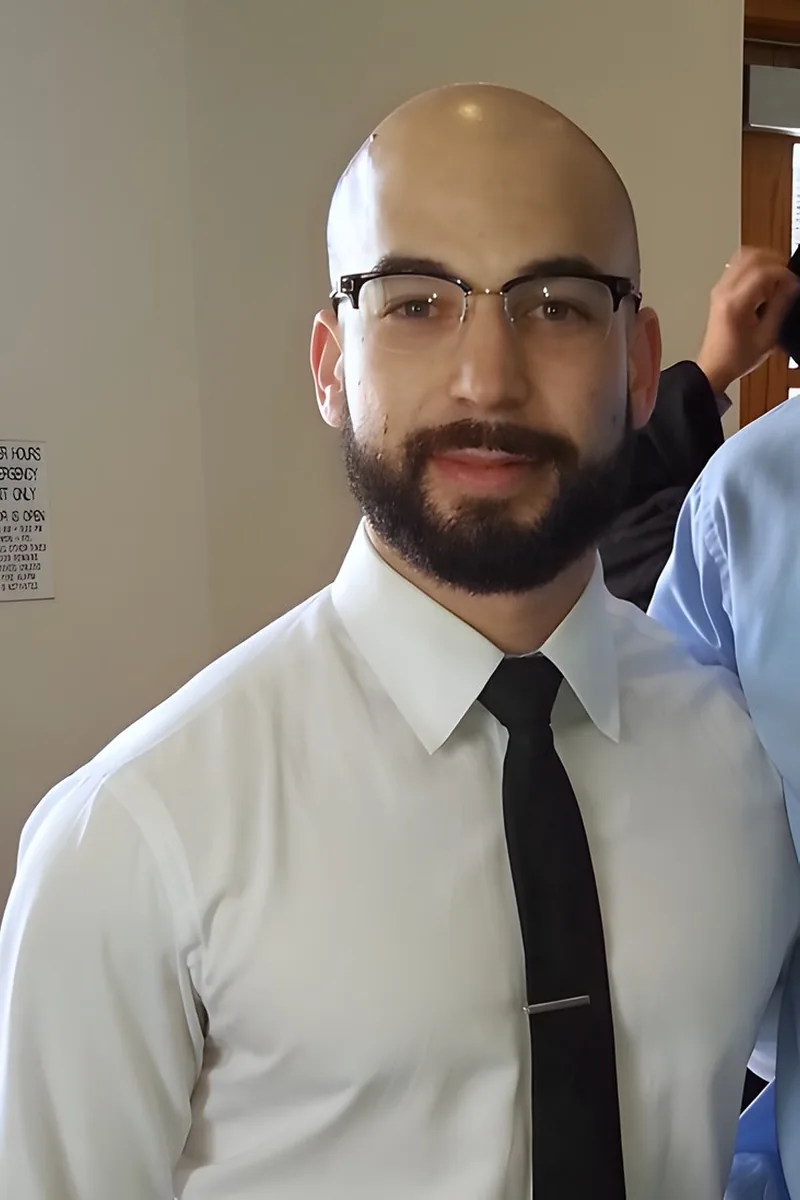
Reaction mechanisms are the language of organic chemistry, and Felix learned to speak it fluently during his biochemistry degree, where arrow-pushing wasn't optional — it was survival. He teaches students to recognize patterns across reaction types, whether they're tackling nucleophilic substitutions, elimination competitions, or carbonyl additions, so each new chapter feels like a variation on a theme rather than a fresh nightmare.
Reaction mechanisms are essentially stories — each arrow push has a reason rooted in electron density, sterics, and leaving-group ability. Priya approaches organic chemistry by teaching students to read those stories rather than memorize hundreds of individual reactions, drawing on the biochemistry she encounters in her Burnett Medical Scholars coursework at UCF.
Reaction mechanisms become manageable once a student can track electron flow and recognize nucleophile-electrophile pairs without second-guessing. Daniel's chemistry degree gave him deep practice with arrow-pushing and stereochemistry, and he teaches orgo by building each mechanism from a small set of recurring patterns rather than treating every reaction as a new thing to memorize.
Reaction mechanisms are the language of organic chemistry, and Kevin reads them fluently after years of science coursework at UCSD and medical school at UCF. He breaks down arrow-pushing, stereochemistry, and functional group reactivity by emphasizing the electron-density patterns that predict product formation — so students learn to reason through new reactions instead of memorizing hundreds of individual outcomes.
Reaction mechanisms are the storytelling of organic chemistry — each arrow describes electrons moving for a specific reason, not at random. Harrison's research background in nanotechnology keeps him fluent in the thermodynamic and electronic arguments behind substitution, elimination, and addition reactions, so he can explain why a mechanism proceeds the way it does instead of asking students to memorize hundreds of individual reactions.
Reaction mechanisms are the backbone of organic chemistry, and getting lost in arrow-pushing early makes every subsequent chapter harder. Viral approaches orgo by drilling the electron logic behind substitution, elimination, and addition reactions so students can predict products instead of memorizing hundreds of individual transformations. His biology background also means he connects organic reactions to the biochemical pathways where they actually matter.
Payal's physics degree means she thinks about organic chemistry the way a physicist would — tracking electron density, orbital overlap, and energy barriers rather than treating each mechanism as a standalone recipe. That quantitative instinct is especially useful for topics like conjugation, aromaticity, and reaction kinetics, where understanding the 'why' behind electron movement makes predicting products far more reliable than memorizing outcomes.
I am a dedicated tutor with over 3 years of experience serving as an undergraduate teaching assistant in general chemistry, organic chemistry, and physical chemistry. I graduated with a B.S. from UF and I am an incoming D1 at Columbia CDM. My focus on subjects like mathematics, general chemistry, and organic chemistry, specifically those on the DAT, allows me to share my passion for science with students. I enjoy helping them grasp complex concepts through relatable examples and practical applications. I believe in creating a supportive learning environment where each student feels valued and motivated to succeed. My tutoring approach also emphasizes active engagement and personalized strategies that cater to individual learning styles. I am committed to fostering academic growth and instilling confidence in my students, guiding them toward their educational goals. In my spare time, I enjoy reading about scientific discoveries, playing tennis and soccer, and relaxing by playing guitar.
Reaction mechanisms are the language of organic chemistry, and Roy treats them that way — each arrow-pushing step tells a story about electron density, nucleophilicity, and leaving-group ability. His science training at UF required mastering multi-step synthesis and retrosynthetic analysis, so he walks students through everything from substitution and elimination to carbonyl chemistry with a focus on the logic behind each transformation.
I am also very patient and persistent. I put a great effort into explaining concepts until they are well understood.
I am an undergraduate student at Nova Southeastern University. I am majoring in Neuroscience and minoring in Global Engagement and Exercise Science. I have been admitted to their Dual Admission BS/DO Program and their Razor's Edge Global Scholarship Program. I plan to attend medical school and become a Physician. Throughout my educational career, I have always enjoyed learning and believe it to be a component to a better quality of life. This has made me a passionate tutor as I wish to help others reach their desired goals and obtain an appreciation for education.
Reaction mechanisms are the language of organic chemistry, and Zain treats them that way — teaching students to read electron flow in arrow-pushing diagrams the same way they'd follow the logic of a sentence. His university coursework in organic chemistry at Vanderbilt covered everything from substitution and elimination selectivity to carbonyl chemistry and retrosynthetic analysis.
Studying chemistry at Harvard while preparing for Columbia Medical School means James has worked through organic chemistry from both the academic and pre-med sides — understanding mechanisms deeply enough to satisfy a chemistry major, and efficiently enough to apply them in biochemistry and pharmacology contexts. He's particularly strong at teaching students how to predict reaction outcomes by analyzing charge stability and leaving group trends rather than treating each transformation as a new thing to memorize. Rated 4.9 by students.
Reaction mechanisms are the language of organic chemistry, and learning to read them — arrow pushing, stereochemistry, regiochemistry — requires a different kind of thinking than most science courses demand. Kevin studied organic chemistry as part of his biomedical engineering curriculum, where understanding molecular behavior was essential rather than optional. He walks students through each mechanism type until the logic behind substitution, elimination, and addition reactions becomes second nature.
Reaction mechanisms are the language of organic chemistry, and Josef teaches students to read them — arrow pushing, stereochemistry, and functional group reactivity — rather than memorize hundreds of individual reactions. His biochemistry focus at Cornell means he can connect orgo concepts like nucleophilic substitution and carbonyl chemistry directly to biological molecules students will encounter later.
Biomedical engineering at Johns Hopkins means Nicholas encounters organic chemistry where it intersects with real applications — polymer biomaterials, drug delivery systems, and the functional group chemistry that governs how molecules interact with biological tissue. He teaches reaction types by grounding them in that engineering context, turning abstract arrow-pushing into something students can visualize and reason through. Rated 4.8 by students.
Reaction mechanisms are the backbone of organic chemistry, and learning to predict products means recognizing electron-density patterns, not memorizing hundreds of individual reactions. Alec's approach — honed through years of TA work in Cornell's chemistry department — emphasizes arrow-pushing logic and functional group reactivity so that substitution, elimination, and addition reactions start to feel like variations on a theme rather than separate things to memorize.
Working in a cancer biology research lab means Yasheen encounters the organic chemistry behind drug design and molecular signaling every day — not as textbook problems, but as real questions about how functional groups determine a molecule's behavior in living systems. She connects that bench-level intuition to the arrow-pushing, stereochemistry, and carbonyl reactivity students need to master in their orgo courses. Rated 5.0 by students.
Reaction mechanisms are the backbone of organic chemistry, and most exam mistakes trace back to shaky arrow-pushing fundamentals. Abhinav teaches students to classify reactions by nucleophile-electrophile interactions first, then layer on stereochemistry and regiochemistry — an approach that turns a seemingly infinite number of reactions into a manageable set of patterns.
Reaction mechanisms are the backbone of organic chemistry, and Enoch teaches them by building a visual logic: tracking electron movement, recognizing nucleophile-electrophile patterns, and predicting products from functional group behavior. His biomedical science background means he also connects orgo to real biochemical contexts — amino acid chemistry, drug metabolism, lipid structures — which makes the material stick for premed students especially.
Reaction mechanisms are the language of organic chemistry, and Daniel learned to speak it fluently through his microbiology and dental science training. He walks through arrow-pushing, stereochemistry, and functional group reactivity by emphasizing the "why" behind each electron movement — so students can predict products on exam day instead of relying on memorized templates.
Reaction mechanisms are the backbone of organic chemistry, and Natasha teaches them the way she learned them in her biomolecular engineering program — by tracing electron movement step by step until the logic feels inevitable rather than arbitrary. She digs into arrow-pushing, stereochemistry, and functional group reactivity by asking students to predict products before revealing answers, building real intuition for how molecules behave.
Having completed both semesters of organic chemistry at the University of Michigan — on top of AP Chemistry before that — Ajay knows exactly where students get stuck, whether it's arrow-pushing in reaction mechanisms or keeping substitution and elimination pathways straight. He teaches students to recognize electron behavior patterns so new reactions feel predictable instead of random.
Testimonials
Because the right Organic Chemistry tutor makes all the difference.
Average Session Rating – Based on 3.4M Learner Ratings
Practice Organic Chemistry
Free practice tests, flashcards, and AI tutoring for Organic Chemistry
Nearby Organic Chemistry Tutors
Other Cape Coral Tutors
Related Science Tutors in Cape Coral
Frequently Asked Questions
Organic Chemistry requires understanding both the "why" behind reactions and the ability to visualize molecular structures in three dimensions—skills that don't always come naturally. Many students struggle with reaction mechanisms, predicting products, and connecting abstract concepts to real applications. Additionally, the cumulative nature of the course means early gaps in foundational concepts (like bonding and hybridization) can compound into larger difficulties later. Personalized tutoring helps students build these visualization skills and conceptual understanding rather than relying on memorization alone.
Yes. Tutors can help you understand the scientific reasoning behind lab procedures, prepare for experiments, and interpret your results. They can explain why certain techniques are used, help you troubleshoot unexpected outcomes, and connect your lab observations to the theoretical concepts you're learning in lecture. This bridges the gap between hands-on experimentation and conceptual understanding, which is essential for mastering Organic Chemistry.
Reaction mechanisms are one of the toughest parts of Organic Chemistry because they require you to track electron movement, predict intermediate steps, and understand why molecules behave the way they do. Expert tutors break down mechanisms step-by-step, use visual tools to show electron flow, and help you recognize patterns across different reaction types. With personalized instruction, you move from memorizing reactions to genuinely understanding the logic behind them.
Your first session focuses on understanding your specific challenges—whether that's reaction mechanisms, synthesis problems, or exam preparation. The tutor will assess your current grasp of foundational concepts like bonding and hybridization, identify gaps, and create a personalized plan tailored to your learning style and goals. This diagnostic approach ensures that every session after builds on a solid foundation.
Since Organic Chemistry relies heavily on visualizing molecules in three dimensions, tutors use multiple strategies: drawing structures from different angles, using molecular models, sketching mechanisms on whiteboards, and explaining stereochemistry in concrete terms. Many students find that working through these visualizations with a tutor transforms abstract concepts into something they can actually "see" and reason through, making problem-solving much more intuitive.
Synthesis and retrosynthesis require strategic thinking—working backward from a target molecule to plan your route, then executing it with the right reactions. Tutors teach you how to recognize functional groups, identify key transformations, and build a mental toolkit of reactions. Through guided practice and feedback, you develop the pattern recognition skills that make these problems feel less overwhelming and more like logical puzzles you can solve.
Ideally, starting 4-6 weeks before your exam gives you time to fill gaps, practice problem-solving, and build confidence. However, even 2-3 weeks of focused tutoring can significantly improve your understanding and test performance. The key is consistent, targeted practice with feedback—tutors help you identify weak areas early and spend your study time efficiently rather than reviewing material you already know well.
Look for tutors with strong chemistry backgrounds—ideally advanced coursework or professional experience in chemistry or a related field. Experience teaching or tutoring Organic Chemistry specifically is valuable, as is the ability to explain complex concepts clearly and adapt to your learning style. When you connect with Varsity Tutors, you're matched with tutors who have proven expertise and can help you not just memorize reactions, but truly understand the science behind them.
Let’s find your perfect tutor
Answer a few quick questions. We’ll recommend the right plan and match you with a top 5% tutor.