Award-Winning Physiology Tutors
serving New Haven, CT
Physiology
Tutors in New Haven
Private 1-on-1 tutoring, weekly live classes for academic support, test prep & enrichment, practice tests and diagnostics, and more to elevate grades and test scores.
Based on 3.4M Learner Ratings
UniversitiesSchools & Universities
DeliveredHours Delivered
ProficiencyGrowth in Proficiency
Who needs tutoring?
No obligation. Takes ~1 minute.

Currently pursuing a graduate degree in physiology while holding an MBBS, Muhammad teaches this subject from both the research side and the clinical side. Whether students are wrestling with renal countercurrent mechanisms or cardiac action potentials, he unpacks the underlying logic so each system feels connected rather than isolated. His 5.0 rating speaks to how well that approach lands.
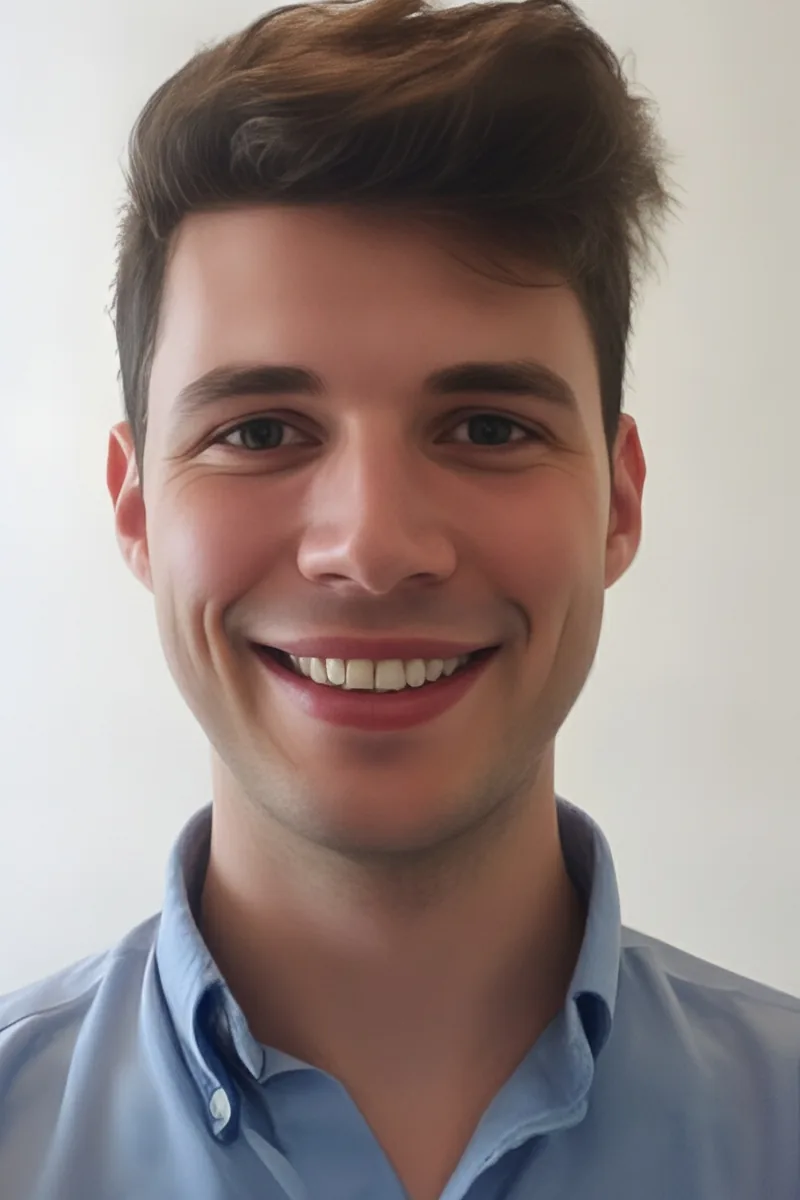
Understanding physiology means thinking in feedback loops — how the renal system adjusts to maintain blood pressure, or why the Frank-Starling mechanism governs cardiac output. Zachary's molecular biology background lets him explain these organ-level processes by tracing them down to the cellular and biochemical events driving them, which gives students a much deeper command of the material.
Studying how toxins disrupt normal body function means Joseph learned physiology by learning exactly how it breaks. His Cornell training in pharmacology and immunology gave him deep knowledge of organ-system integration — from renal clearance mechanisms to autonomic nervous system signaling. He walks through each system by tying structure to function and then to what happens when that function fails.
Understanding physiology means thinking in feedback loops — how the kidneys talk to the cardiovascular system, why a drop in blood pH triggers a respiratory response, what happens when one variable shifts and the body compensates. Felix's medical training gave him daily practice applying these mechanisms to real patient scenarios. He unpacks each organ system by tracing cause and effect, so students internalize the logic instead of cramming isolated facts.
Studying physiology at Morehouse School of Medicine, Eugene lives inside the material he teaches — cardiac output equations, renal filtration mechanics, and the feedback loops that keep the body in homeostasis. He unpacks each organ system by linking structure to function, so students see the logic behind processes like action potentials or gas exchange rather than treating them as isolated facts.
Benjamin's pre-med coursework at Duke covered organ-system physiology in depth, from cardiac output and renal filtration to respiratory gas exchange. He unpacks each system by tracing the path a single molecule takes through the body, which turns dense content into a logical sequence rather than a wall of terminology.
Studying physiology means understanding how organ systems talk to each other — why a drop in blood pressure triggers the renin-angiotensin-aldosterone system, or how action potentials propagate along a myelinated axon. Daniel's PhD work in neuroscience at Rockefeller gives him deep, research-level fluency with these mechanisms, and his medical training at Weill Cornell ties every concept back to clinical relevance.
Few tutors can teach physiology the way someone who studied it in medical school can — Daniel understands cardiac output, renal filtration, and respiratory mechanics not just as textbook diagrams but as interconnected systems he learned to reason through clinically. He unpacks each organ system by tracing cause and effect, so students see how a change in one variable cascades through the body.
Teaching physiology well means connecting the molecular details — ion channels, hormone cascades, oxygen-hemoglobin dissociation — to how whole organ systems actually behave. Emad has taught physiology as an adjunct professor and brings a clinician's perspective from two medical degrees, making concepts like cardiac output regulation or renal filtration tangible rather than theoretical.
Understanding physiology means moving beyond memorizing organ systems and grasping the feedback loops that keep them running — why baroreceptors adjust heart rate, how nephrons regulate fluid balance, what happens at the neuromuscular junction. As a current medical student, Jamie encounters these mechanisms in clinical context every week and translates that into vivid, analogy-driven explanations that make homeostasis and system integration click.
Preparing for PA school means Jennifer lives and breathes physiology — cardiac output equations, nephron function, the mechanics of gas exchange across alveolar membranes. She teaches organ system physiology by connecting structure to function at every level, so students can reason through unfamiliar scenarios instead of relying on rote recall.
Completing premed coursework at NYU while earning a finance degree gave Hanna an unusual double fluency — she thinks about the body's regulatory systems with the same rigor she'd apply to financial models, tracing inputs, outputs, and feedback the way she'd track capital flows. That analytical habit pays off in physiology topics like hormonal feedback loops, cardiac cycle timing, and renal clearance, where students who can follow the logic outperform those who just memorize the steps. Her subsequent classroom teaching experience also means she's practiced at breaking a dense process into smaller, sequenced pieces that actually stick.
Understanding how the body maintains homeostasis — from cardiac output regulation to renal filtration mechanics — requires more than memorizing diagrams. Jean earned her Doctor of Medicine at Harvard Medical School, where she spent four years connecting physiological systems to real clinical cases, making concepts like action potentials and gas exchange intuitive rather than abstract.
Testimonials
Because the right Physiology tutor makes all the difference.
Average Session Rating – Based on 3.4M Learner Ratings
Nearby Physiology Tutors
Other New Haven Tutors
Related Science Tutors in New Haven
Frequently Asked Questions
Physiology requires students to understand complex systems and how multiple body processes interact—this systems-thinking approach is often harder than memorizing isolated facts. Many students struggle with visualizing how organs work together, connecting cellular-level processes to whole-body function, and applying concepts to real-world scenarios. Personalized tutoring helps break down these interconnected concepts into manageable pieces, allowing you to build understanding step-by-step rather than trying to absorb everything at once.
In a classroom with a 12.2:1 student-teacher ratio, instructors must teach at a pace that works for the average student—which may be too fast if you're struggling with foundational concepts or too slow if you're ready to move ahead. Personalized tutoring adapts to your specific learning style, identifies your exact knowledge gaps, and focuses on the areas where you need the most help. This targeted approach means you spend less time on concepts you've mastered and more time on the challenging material that's holding you back.
Students often need support with cardiovascular and respiratory physiology, nervous system function, endocrine regulation, and kidney/urinary system processes. Whether you're in an introductory biology course covering basic physiology or an advanced Human Physiology class, tutors can help you master the specific curriculum your school uses. They can also help you prepare for AP Biology or college-level Physiology exams by ensuring you understand both the foundational concepts and the detailed mechanisms that test makers focus on.
Your first session is about assessment and building a plan. A tutor will ask about your current coursework, review what you've already learned, identify specific topics causing confusion, and understand your learning goals—whether that's improving your grade, preparing for an exam, or gaining deeper understanding. From there, you'll work together to create a personalized approach that targets your needs and fits your schedule.
Tutors use targeted strategies like practice problems, concept mapping, and retrieval practice to help you retain information and apply it under test conditions. They can help you understand the difference between knowing a fact and truly understanding a process—which is what exams test. Whether you're preparing for a unit exam, midterm, or AP Biology (which includes significant physiology content), a tutor can create a study plan that builds your confidence and improves your performance.
Varsity Tutors connects you with expert tutors who have strong backgrounds in biology and physiology. When you reach out, you can specify your grade level, current curriculum, and specific topics you need help with—and you'll get matched with someone who has experience teaching exactly what you need. Tutors work around your schedule and can adjust their teaching approach to match how you learn best.
Many students see noticeable improvement within 2-3 sessions as they begin to understand previously confusing concepts and develop better study strategies. Longer-term improvement—like raising your grade or acing an exam—typically takes 4-6 weeks of consistent tutoring, depending on where you're starting and your specific goals. The key is regular practice and application of what you're learning, which a tutor helps you structure.
Tutoring rates vary based on the tutor's experience level and your specific needs, but Varsity Tutors works with tutors across a range of price points to fit different budgets. You can discuss rates when you connect with a tutor, and many offer package options or flexible scheduling. There's no hidden fees—pricing is transparent upfront so you know exactly what to expect.
Let’s find your perfect tutor
Answer a few quick questions. We’ll recommend the right plan and match you with a top 5% tutor.