Award-Winning Physiology Tutors
serving Hartford, CT
Physiology
Tutors in Hartford
Private 1-on-1 tutoring, weekly live classes for academic support, test prep & enrichment, practice tests and diagnostics, and more to elevate grades and test scores.
Based on 3.4M Learner Ratings
UniversitiesSchools & Universities
DeliveredHours Delivered
ProficiencyGrowth in Proficiency
Who needs tutoring?
No obligation. Takes ~1 minute.

Currently pursuing a graduate degree in physiology while holding an MBBS, Muhammad teaches this subject from both the research side and the clinical side. Whether students are wrestling with renal countercurrent mechanisms or cardiac action potentials, he unpacks the underlying logic so each system feels connected rather than isolated. His 5.0 rating speaks to how well that approach lands.
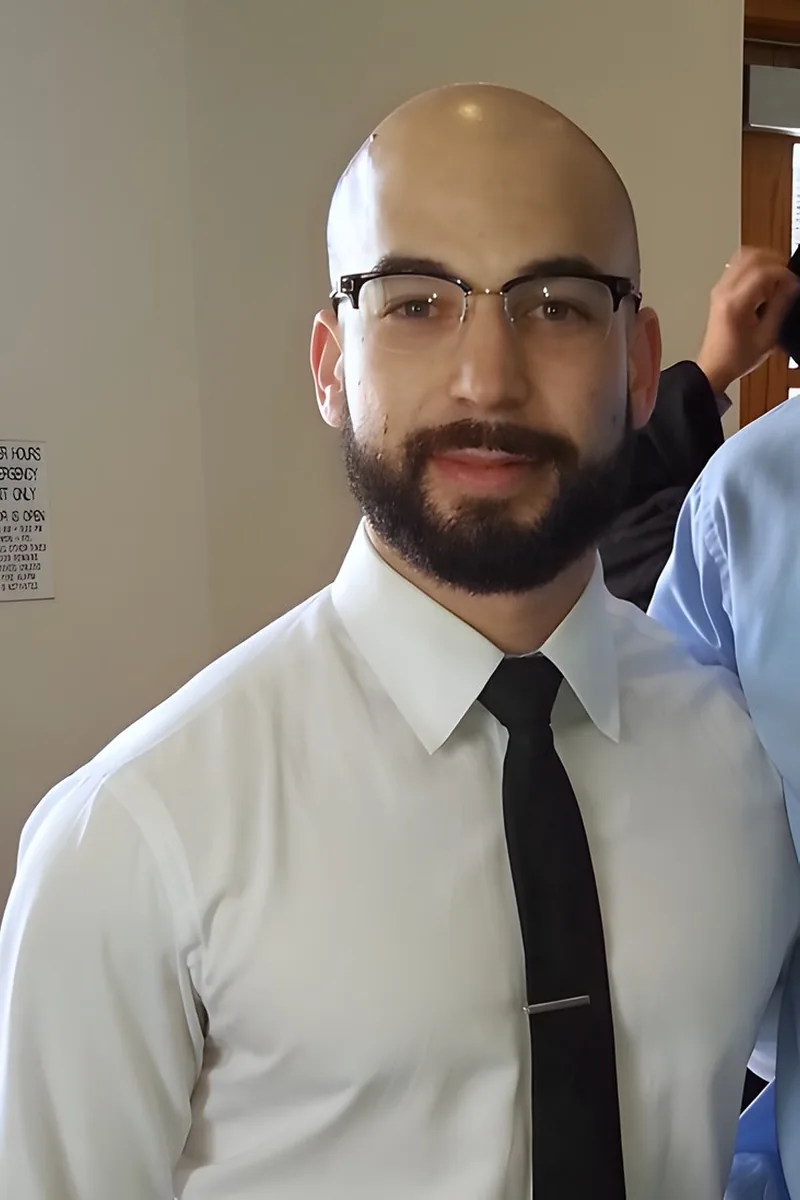
Understanding physiology means thinking in feedback loops — how the kidneys talk to the cardiovascular system, why a drop in blood pH triggers a respiratory response, what happens when one variable shifts and the body compensates. Felix's medical training gave him daily practice applying these mechanisms to real patient scenarios. He unpacks each organ system by tracing cause and effect, so students internalize the logic instead of cramming isolated facts.
Understanding physiology means thinking in systems — how a change in cardiac output ripples through blood pressure, renal filtration, and hormonal feedback all at once. James approaches each organ system by teaching students to trace cause-and-effect chains rather than memorize isolated facts, drawing on the integrative thinking his medical training demands daily.
Helen earned a master's in pharmacology from Tulane, which means she didn't just study physiology — she studied what happens when you manipulate it. From cardiac output equations to renal filtration mechanics, she teaches organ systems by connecting structure to function to clinical relevance.
Understanding physiology means tracing cause and effect across organ systems — why a drop in blood pH triggers faster breathing, or how the nephron maintains electrolyte balance. Paul's pre-med biology training at Brown gave him a systems-level view of the human body, and he teaches each mechanism by linking structure to function rather than treating chapters as isolated units.
Studying kinesiology at Rice meant Tori lived in physiology — muscle contraction cascades, cardiac output regulation, renal filtration, respiratory gas exchange — for four years. She teaches these systems by tracing cause and effect through feedback loops, so students can predict what happens when one variable changes instead of memorizing isolated facts. That systems-level thinking is exactly what physiology exams reward.
Understanding physiology means tracing cause and effect through entire organ systems — how a nerve impulse triggers muscle contraction, or how the nephron maintains electrolyte balance. Ian's molecular biology training and medical research career put him right at the intersection of cellular mechanisms and whole-body function, so he can walk students from ion channels all the way up to systemic responses.
Understanding physiology means tracking cause and effect across organ systems — how a change in blood pH triggers respiratory compensation, or why cardiac output depends on both stroke volume and heart rate. Courtney's biology graduate work and undergraduate teaching experience at ASU give her a detailed command of these integrative mechanisms, and she excels at walking through the logic chain that connects stimulus to response.
Understanding how the body actually functions — from cardiac output regulation to renal filtration — is something Josh engages with daily in his dental medicine program at Penn. He teaches physiology by connecting each mechanism to a real clinical scenario, so concepts like action potentials and gas exchange become intuitive rather than just memorized diagrams.
Medical training gave Rachel a command of physiology that goes well beyond textbook diagrams — she understands how cardiac output responds to hemorrhage, why the nephron's countercurrent multiplier actually works, and how hormonal feedback loops break down in disease. She unpacks these systems step by step, tying structure to function so each mechanism makes sense rather than requiring brute memorization.
Understanding physiology means tracing cause and effect across organ systems — how a drop in blood pressure triggers the renin-angiotensin pathway, or why ventilation-perfusion mismatch leads to hypoxemia. Camille is a medical student heading into surgical training at NYU, so she unpacks these mechanisms with the clinical precision that makes complex feedback loops intuitive.
Studying physiology in medical school at Drexel meant Prateek had to master cardiac output equations, renal filtration mechanics, and neuronal action potentials at a level most tutors never reach. He unpacks complex organ-system interactions — like how the renin-angiotensin system ties the kidneys to blood pressure regulation — in a way that makes the logic visible instead of requiring brute-force memorization. Whether it's for a college course or MCAT prep, his clinical training gives him a practical edge.
Studying physiology means understanding how organ systems talk to each other — why a drop in blood pressure triggers the renin-angiotensin-aldosterone system, or how action potentials propagate along a myelinated axon. Daniel's PhD work in neuroscience at Rockefeller gives him deep, research-level fluency with these mechanisms, and his medical training at Weill Cornell ties every concept back to clinical relevance.
Testimonials
Because the right Physiology tutor makes all the difference.
Average Session Rating – Based on 3.4M Learner Ratings
Nearby Physiology Tutors
Other Hartford Tutors
Related Science Tutors in Hartford
Frequently Asked Questions
Physiology requires understanding how body systems work together—a challenge many students struggle with because it demands both memorization and conceptual thinking. Students often find it difficult to visualize how organs and tissues function at the cellular and systemic levels, and connecting abstract concepts like homeostasis or nerve impulse transmission to real-world applications can feel overwhelming. Personalized 1-on-1 instruction helps break down these complex systems into manageable pieces, allowing students to build understanding at their own pace rather than keeping up with classroom speed.
In a typical Hartford classroom with a 14.3:1 student-teacher ratio, instructors must pace lessons for the average student, which can leave some students behind on difficult topics like cardiovascular or nervous system physiology. Personalized 1-on-1 instruction allows tutors to identify your specific knowledge gaps, adjust explanations to match your learning style, and spend extra time on concepts that aren't clicking. This targeted approach means you're not sitting through material you've already mastered or rushing through topics you need more time with.
Varsity Tutors connects you with tutors who understand Connecticut's science standards and the specific Physiology curriculum used across Hartford's 10 school districts. Whether you're in an AP Biology course covering human systems, an anatomy and physiology class, or a college-prep general biology course, tutors can align instruction with your school's pacing and expectations. This ensures the support you receive directly reinforces what you're learning in class and prepares you for assessments.
During your first session, a tutor will assess your current understanding of Physiology—whether you're just starting the course or struggling with specific systems like the respiratory or endocrine system. They'll ask about your learning goals, identify which topics feel most confusing, and discuss what success looks like for you (improving grades, understanding concepts more deeply, or preparing for an exam). From there, you'll develop a personalized plan that targets your needs and builds momentum quickly.
Progress in Physiology shows up in concrete ways: improved quiz and test scores on unit exams, ability to explain how body systems work without notes, stronger performance on lab reports or practical assessments, and increased confidence asking questions in class. Many students also notice they're spending less time studying because they understand the material more deeply rather than just memorizing facts. Your tutor will track which topics you've mastered and which need reinforcement, adjusting the plan as you advance.
Tutors work with students across all levels—from introductory high school biology courses that cover basic human physiology, to dedicated anatomy and physiology classes, to AP Biology students diving deep into cellular and systemic function. They also support college students taking introductory physiology or human physiology courses. Regardless of your level, tutors can explain concepts from foundational (how cells work) to advanced (hormonal regulation and feedback mechanisms).
Physiology benefits from active learning strategies like drawing and labeling diagrams, explaining processes aloud (like how the heart pumps blood), and connecting concepts across systems rather than memorizing isolated facts. Spaced repetition—reviewing material over time rather than cramming—helps cement understanding of complex pathways and mechanisms. Tutors teach these evidence-based strategies and help you apply them to your specific coursework, making study sessions more efficient and effective.
Getting started is straightforward: tell us about your Physiology course, what you'd like to improve, and your availability. Varsity Tutors will connect you with a tutor who matches your needs and schedule. From there, you'll have personalized 1-on-1 sessions focused on your specific challenges, whether that's understanding organ systems, preparing for the AP exam, or building confidence in class.
Let’s find your perfect tutor
Answer a few quick questions. We’ll recommend the right plan and match you with a top 5% tutor.