Award-Winning Physiology Tutors
serving Norwich, CT
Physiology
Tutors in Norwich
Private 1-on-1 tutoring, weekly live classes for academic support, test prep & enrichment, practice tests and diagnostics, and more to elevate grades and test scores.
Based on 3.4M Learner Ratings
UniversitiesSchools & Universities
DeliveredHours Delivered
ProficiencyGrowth in Proficiency
Who needs tutoring?
No obligation. Takes ~1 minute.

Currently pursuing a graduate degree in physiology while holding an MBBS, Muhammad teaches this subject from both the research side and the clinical side. Whether students are wrestling with renal countercurrent mechanisms or cardiac action potentials, he unpacks the underlying logic so each system feels connected rather than isolated. His 5.0 rating speaks to how well that approach lands.
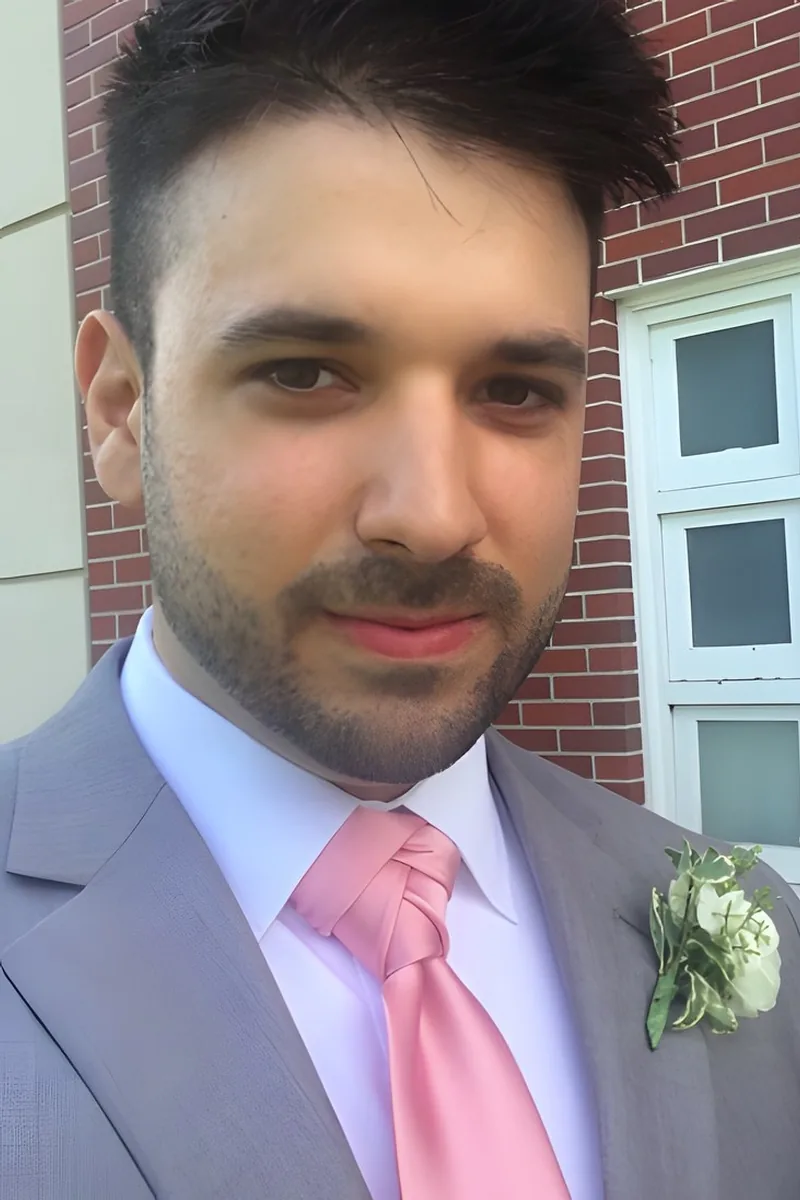
Studying therapies for Alzheimer's and Parkinson's disease as a research scientist, Anthony encounters organ-system physiology daily — from neuronal signaling cascades to cardiovascular regulation. He teaches concepts like action potentials, renal filtration, and endocrine feedback loops by connecting textbook diagrams to what actually happens in a working lab.
Studying physiology in a Physician Assistant program means Joyce doesn't just know how the cardiac cycle or nephron filtration works on paper — she sees these systems in clinical patients every week. That real-world context turns dense topics like action potentials, endocrine feedback loops, and gas exchange into stories with clear cause-and-effect logic.
Understanding how the body maintains homeostasis — from cardiac output regulation to renal filtration mechanics — requires more than memorizing diagrams. Jean earned her Doctor of Medicine at Harvard Medical School, where she spent four years connecting physiological systems to real clinical cases, making concepts like action potentials and gas exchange intuitive rather than abstract.
Understanding physiology means moving beyond memorizing organ systems and grasping the feedback loops that keep them running — why baroreceptors adjust heart rate, how nephrons regulate fluid balance, what happens at the neuromuscular junction. As a current medical student, Jamie encounters these mechanisms in clinical context every week and translates that into vivid, analogy-driven explanations that make homeostasis and system integration click.
Understanding physiology means thinking in systems — how a change in cardiac output ripples through blood pressure, renal filtration, and hormonal feedback all at once. James approaches each organ system by teaching students to trace cause-and-effect chains rather than memorize isolated facts, drawing on the integrative thinking his medical training demands daily.
Understanding how organ systems actually function — cardiac output regulation, nephron filtration, or the hormonal feedback loops controlling metabolism — requires more than memorizing diagrams. Aamod studied Cell Biology and Neuroscience as a pre-med undergraduate, giving him a deep grasp of the molecular mechanisms that drive physiological processes and the ability to explain them in plain language.
Preparing for an Occupational Therapy doctorate means Alex has spent years inside physiology — not just memorizing organ systems but understanding how cardiac output, respiratory mechanics, and renal filtration actually behave in living patients. That clinical lens turns dense material like action potentials and hormonal feedback loops into stories about how the body maintains homeostasis under stress.
Studying physiology means understanding how organ systems talk to each other — why a drop in blood pressure triggers the renin-angiotensin-aldosterone system, or how action potentials propagate along a myelinated axon. Daniel's PhD work in neuroscience at Rockefeller gives him deep, research-level fluency with these mechanisms, and his medical training at Weill Cornell ties every concept back to clinical relevance.
Understanding physiology means tracing cause and effect across organ systems — how a drop in blood pressure triggers the renin-angiotensin pathway, or why the SA node sets heart rate. Leonard teaches these cascades as logical chains rather than isolated facts, asking students to predict what happens when one variable changes. His approach turns dense material like renal filtration or respiratory gas exchange into something students can reason through on an exam.
Studying physiology in dental school meant mastering everything from cardiac output equations to nerve signal propagation in the trigeminal system. Daniel unpacks organ system functions by tying each mechanism back to a clinical scenario — how the kidneys regulate blood pressure, why the sympathetic nervous system triggers specific responses — so the logic behind each process becomes memorable.
Few tutors can teach physiology the way someone who studied it in medical school can — Daniel understands cardiac output, renal filtration, and respiratory mechanics not just as textbook diagrams but as interconnected systems he learned to reason through clinically. He unpacks each organ system by tracing cause and effect, so students see how a change in one variable cascades through the body.
Understanding physiology means tracking cause and effect across organ systems — how a change in blood pH triggers respiratory compensation, or why cardiac output depends on both stroke volume and heart rate. Courtney's biology graduate work and undergraduate teaching experience at ASU give her a detailed command of these integrative mechanisms, and she excels at walking through the logic chain that connects stimulus to response.
Testimonials
Because the right Physiology tutor makes all the difference.
Average Session Rating – Based on 3.4M Learner Ratings
Nearby Physiology Tutors
Other Norwich Tutors
Related Science Tutors in Norwich
Frequently Asked Questions
Varsity Tutors matches Norwich students with expert Physiology tutors for 1-on-1 instruction. We pair each student with a tutor based on their specific needs, learning style, and goals.
Whether you need homework help, exam prep, or want to get ahead, our Physiology tutors are ready to help.
Common challenges include gaps from earlier material, difficulty with specific concepts, and trouble applying learning to new problems. These issues can snowball quickly in Physiology.
A tutor identifies where you're stuck, fills in gaps, and provides targeted practice. The 1-on-1 format means you get help exactly where you need it.
Tutors work with your student's actual coursework—homework assignments, class notes, and upcoming tests. This keeps tutoring directly relevant to what's happening in the classroom.
When you share information about your student's school and curriculum, we can match you with a tutor who has relevant experience.
All tutors complete background checks, credential verification, and teaching evaluation. Many of our Physiology tutors hold advanced degrees or have years of teaching experience.
You can review tutor profiles to find someone with the right background for your student's level and needs.
Many students see improved grades within a few weeks, along with better understanding of Physiology concepts and more confidence tackling challenging material.
Tutors track progress and adjust their approach to ensure continued improvement.
Most students benefit from 1-2 sessions per week. More frequent sessions help if your student is significantly behind or has an important exam coming up.
Your tutor can recommend a schedule based on your student's specific situation and goals.
Tutoring is purchased in packages of hours, with rates varying by tutor experience. Varsity Tutors offers several options to fit different budgets and needs.
You can discuss pricing during your consultation to find what works best.
Your tutor will assess where your student is, discuss goals, and start working on priority areas. Most students bring current homework or upcoming test material to focus on.
By the end, you'll have a clear sense of how the tutor can help and a plan for moving forward.
Let’s find your perfect tutor
Answer a few quick questions. We’ll recommend the right plan and match you with a top 5% tutor.