Award-Winning Elementary School Reading Tutors
serving Colorado Springs, CO
Elementary School Reading
Tutors in Colorado Springs
Private 1-on-1 tutoring, weekly live classes for academic support, test prep & enrichment, practice tests and diagnostics, and more to elevate grades and test scores.
Based on 3.4M Learner Ratings
UniversitiesSchools & Universities
DeliveredHours Delivered
ProficiencyGrowth in Proficiency
Who needs tutoring?
No obligation. Takes ~1 minute.
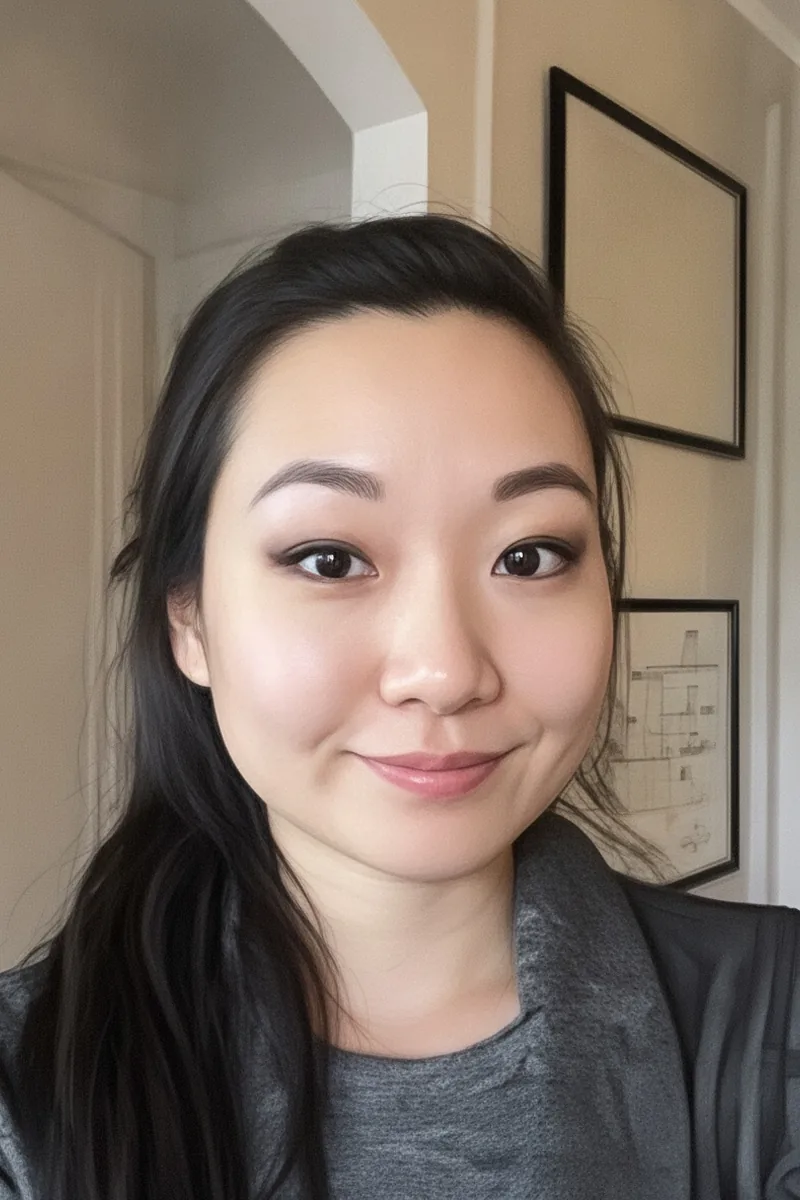
Before a student can analyze a novel, they need to decode vocabulary in context, make predictions, and distinguish main ideas from supporting details. Erinrose's years teaching English across grade levels — from Philadelphia public schools to a Connecticut prep school — mean she knows how to match reading strategies to a child's current skill level and push just beyond it.
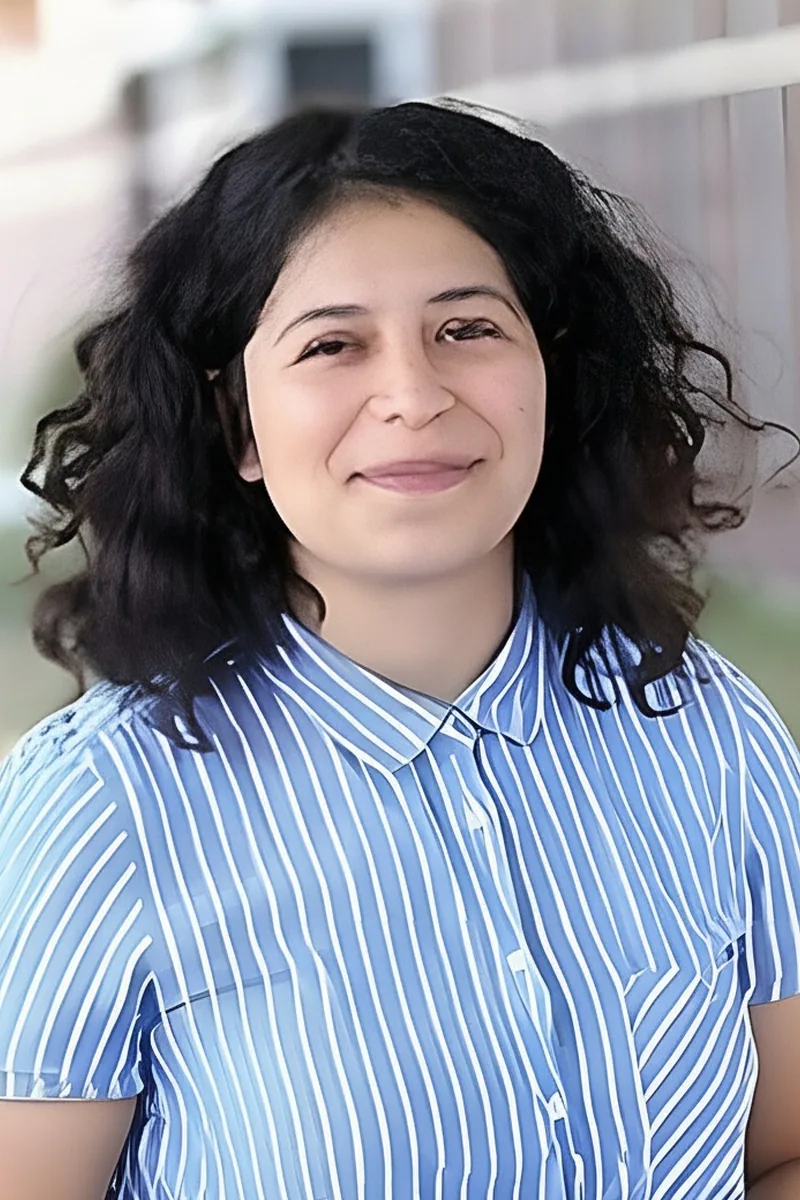
Phonics, sight words, and reading fluency each require a different kind of practice, and knowing which one a child needs right now is half the battle. Alicia's M.Ed. training equipped her to diagnose where a young reader is getting stuck — whether it's decoding, vocabulary, or simply building the stamina to finish a chapter. She's also a lifelong reader herself, which means she knows how to match kids with books they'll actually want to pick up.
Phonics, sight words, fluency, and basic comprehension questions — early reading has a lot of moving parts, and each child hits different sticking points. Emma has spent years working directly with kids aged six to nine through nannying and after-school programs, so she recognizes where a young reader is struggling and adjusts her approach on the spot. Rated 5.0 by families she's worked with.
I am a student at the Georgia Institute of Technology studying Chemical Engineering. For the past several years, I have worked with students extensively. Through hosting events for younger kids to learn about STEM and for older teens to practice empathetic design, I know the importance of teaching students in ways that engage them rather than frustrate them, which I apply to my teaching. I have tutored high school students in a drop-in resource center in various subjects including math of all levels, chemistry, and English, making me adequately equipped in a variety of topics. I have also tutored several students long-term. Establishing relationships with students and exploring their unique learning styles is my favorite part of tutoring. I prioritize helping students discover HOW to learn in a manner that is the most effective for them, so they can begin to use those skills on their own throughout their education. Learning is a lifelong skill that requires practice for improvement; I strive to help my students gain confidence in their ability to learn.
Phonics patterns, sight words, and reading fluency each require a different approach, and Jalonna adjusts her methods depending on where a young reader is struggling. She spent two years in a youth development program working with elementary-age kids and learned that pairing a book with a child's actual interests is often the single biggest unlock for reluctant readers.
Learning to read is really learning to think — connecting sounds to letters, letters to words, and words to meaning. Todd breaks down phonics, fluency, and comprehension into small, confidence-building steps that keep young readers engaged. His background in social work gives him a sharp sense of how to match his approach to each child's pace and personality.
Through her nonprofit work educating families in Ecuador, Vanessa has seen firsthand how foundational early reading skills shape everything that comes after. She builds young readers' confidence by connecting phonics, vocabulary, and comprehension to stories that genuinely interest them — turning reading from a chore into something a child wants to do on their own.
Early reading clicks when a child connects decoding skills to actual meaning — sounding out words matters, but so does understanding what a sentence is saying. Julia's mentoring work with elementary students gave her practice making that bridge, using context clues, picture cues, and guided questions to build both fluency and comprehension at the same time. She's patient and adaptive, adjusting her approach based on what each reader needs.
Learning to read at the elementary level involves juggling phonics, sight words, fluency, and comprehension all at once — and each child's mix of strengths looks different. Yan identifies which piece needs the most attention and builds targeted practice around it, whether that's decoding multisyllabic words or retelling a story's key events in order. Her four years teaching in elementary classrooms gave her a deep toolkit for making reading click.
Building real reading confidence at the elementary level means more than just decoding words — it means learning to make predictions, ask questions about characters, and connect stories to personal experience. Vivian teaches these comprehension strategies explicitly, giving young readers tools they can use every time they pick up a book.
Learning to read confidently means more than sounding out words — it's building the comprehension skills to retell a story, identify a main idea, and make predictions about what comes next. Natalie spent years tutoring young readers in West Philadelphia, where she developed a patient, encouraging approach to phonics, fluency, and vocabulary that keeps kids engaged rather than frustrated.
Phonics patterns, sight words, and reading fluency each require a different kind of practice, and Ingrid tailors her approach depending on where a young reader is gaining confidence. Her patience and structured teaching style — honed through leading hands-on workshops for undergraduates at Northwestern — translate well to working with elementary-age learners building early literacy skills.
Early readers need someone who can match the right strategy to the right moment — whether that's sounding out unfamiliar words, using picture clues, or retelling a story to check comprehension. Nova's background working with younger students at camps and in classroom settings gives her a natural sense of pacing and encouragement that keeps kids engaged through each reading level.
Getting a child to love reading early changes everything that comes after. Annabel teaches phonics, sight words, and basic comprehension strategies like predicting and summarizing, turning each reading session into an active conversation about the story rather than a passive exercise.
Early reading confidence often comes down to one thing: whether a child feels safe stumbling through a tricky passage out loud. Solange pairs phonics and vocabulary work with stories that actually interest kids, turning decoding practice into something closer to a conversation than a drill. Her background as an avid reader and writer gives her a deep library of texts to pull from at every level.
Building fluency at the elementary level is about more than sounding out words — it's connecting phonics to comprehension so kids actually understand what they're reading. Corrina brings patience and structure to each session, working on skills like predicting, summarizing, and making inferences through stories that keep young readers engaged.
Early reading clicks when a child connects decoding skills to actual meaning — sounding out a word and then understanding the sentence it lives in. Marc brings warmth and patience to phonics, sight words, and guided reading, adjusting his pace to each student's comfort level. His theater background means read-alouds are genuinely fun, which keeps reluctant readers turning pages.
Testimonials
Because the right Elementary School Reading tutor makes all the difference.
Average Session Rating – Based on 3.4M Learner Ratings
Nearby Elementary School Reading Tutors
Other Colorado Springs Tutors
Related English Tutors in Colorado Springs
Frequently Asked Questions
Many elementary readers struggle with phonemic awareness, decoding unfamiliar words, and comprehension—especially when moving from learning to read to reading to learn around 3rd grade. Other frequent challenges include building fluency, understanding complex sentence structures, and making connections between what they read and their prior knowledge. Personalized tutoring can target these specific gaps with strategies tailored to each student's learning style.
During an initial session, a tutor will assess your student's current reading level, identify specific strengths and areas for growth, and discuss your goals. This might include evaluating phonics skills, fluency, vocabulary, and comprehension strategies. The tutor will then create a personalized plan to address your student's needs and explain how sessions will be structured going forward.
Expert tutors teach evidence-based comprehension strategies like predicting, questioning, visualizing, and summarizing—skills that help students understand and retain what they read. Tutors also use guided practice with texts at your student's level, ask thoughtful questions to deepen understanding, and help students make connections between stories and their own experiences. With consistent, personalized instruction, students develop confidence and independence as readers.
Fluency is the ability to read smoothly and with appropriate expression, while comprehension is understanding what you've read. Both are essential—students who read fluently have more mental energy available for understanding, while students who comprehend well are more motivated to read. Tutors address both by using repeated readings, modeling expressive reading, and pairing fluency practice with comprehension activities so students see how these skills work together.
Rather than memorizing isolated word lists, tutors help students encounter new vocabulary in context through reading and discussion. They teach word families, prefixes and suffixes, and strategies for figuring out unknown words from context clues. Tutors also encourage students to use new words in their own writing and speaking, which strengthens retention and helps vocabulary become part of their active language use.
Every student progresses at their own pace, but research on 1-on-1 instruction shows that personalized, focused tutoring can accelerate learning significantly. Most students begin showing improvements in confidence and skills within a few weeks, though building strong foundational skills takes consistent practice over time. A tutor can set realistic milestones with you and track progress regularly so you see exactly where your student is advancing.
Varsity Tutors connects you with expert tutors who have strong backgrounds in elementary education, reading instruction, or related fields. Many have teaching credentials, specialized training in literacy instruction, or extensive tutoring experience. When you connect with a tutor, you'll learn about their specific qualifications and experience working with students at your child's reading level.
Simply reach out to Varsity Tutors and share information about your student's reading level, goals, and schedule. We'll match you with a tutor who has expertise in elementary reading and availability that works for your family. You can then meet with the tutor to discuss your student's needs and begin personalized instruction right away.
Let’s find your perfect tutor
Answer a few quick questions. We’ll recommend the right plan and match you with a top 5% tutor.